First Time Visitor's London by Car/MPV/Van
- 8–9 hours
- 2 languages
- Private tour
- Mobile ticket
Highlights
This specially designed full-day tour is exclusively dedicated for the first time visitors in London. Our tour can start various times in the morning depending on your request. The direction of the tour can be reversible. In this tour, I aim to give the full history of London in 8 hours. This way visitors can understand the 2000 years of history of the city. I'm a history buff and have an excellent background of the city's history and I would be very pleased to offer an immaculate culture experience for our guests. I do welcome the large group of travellers as well. Please just contact me for further info.
Inclusions
What's included
- Private transportation
- Bottled water
- Snacks
- Air-conditioned vehicle
- Fuel surcharge
- Parking Fees
What's not
- Gratuities
- Lunch
Itinerary
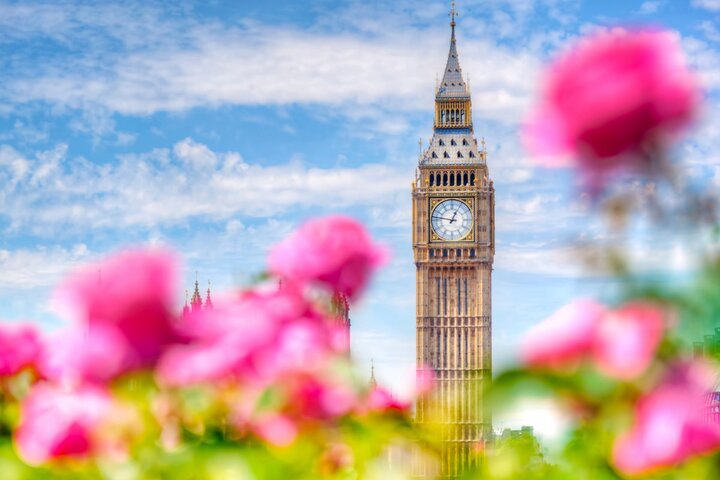
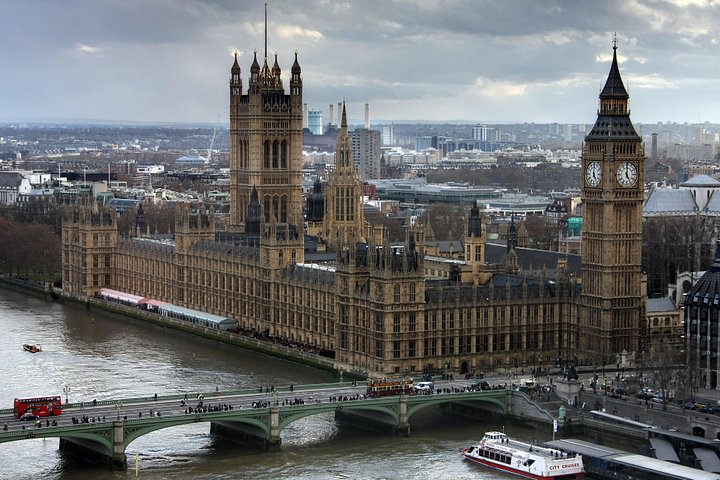
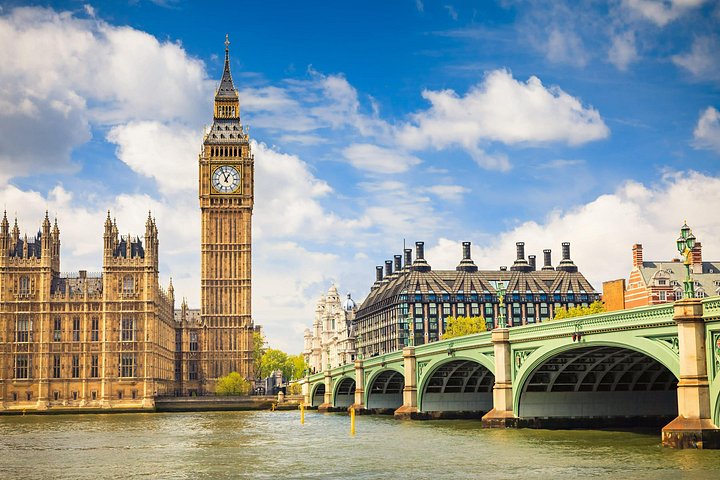
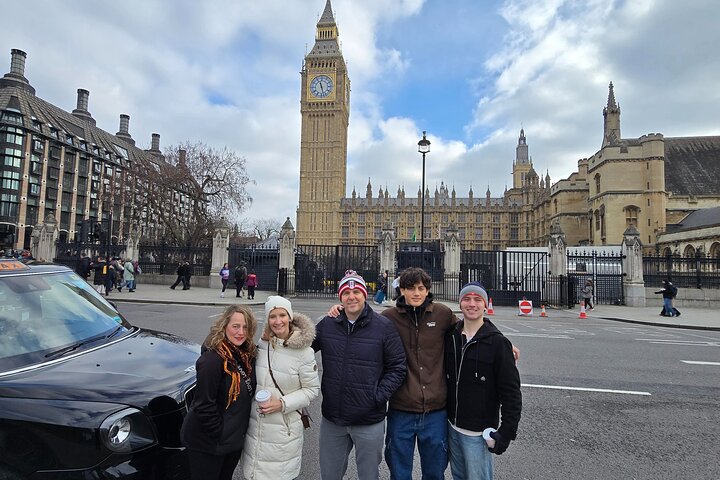
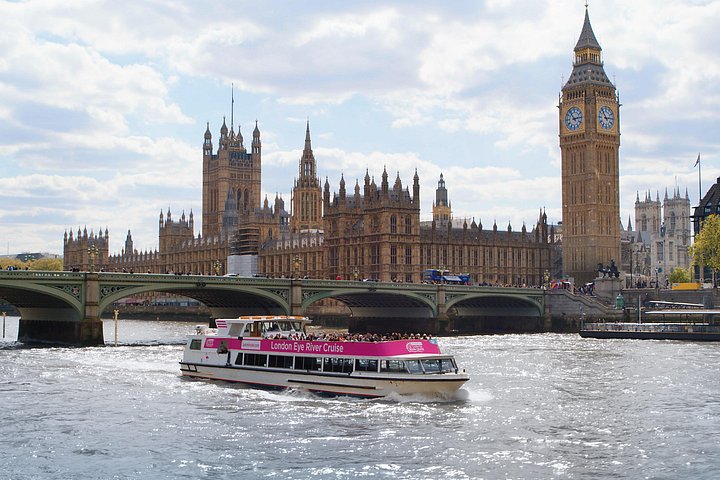
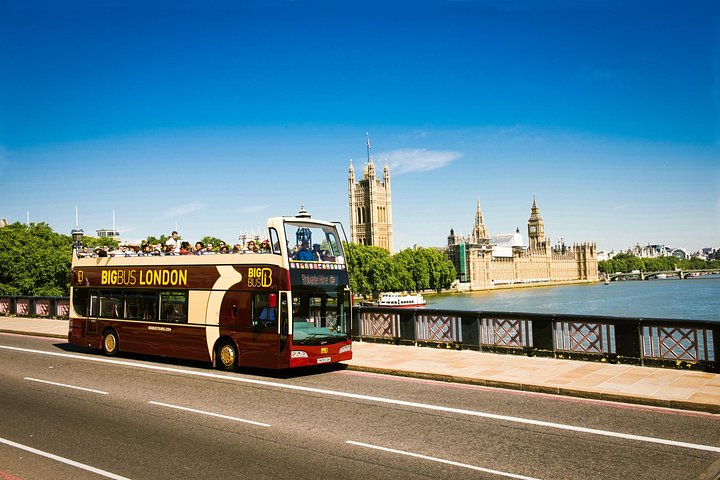
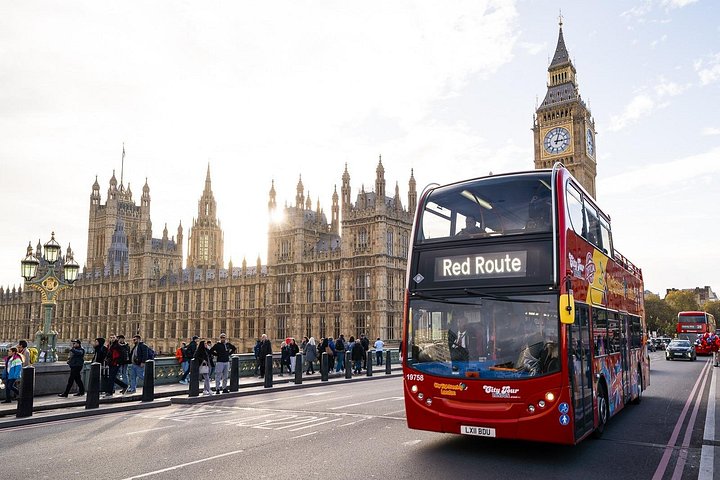
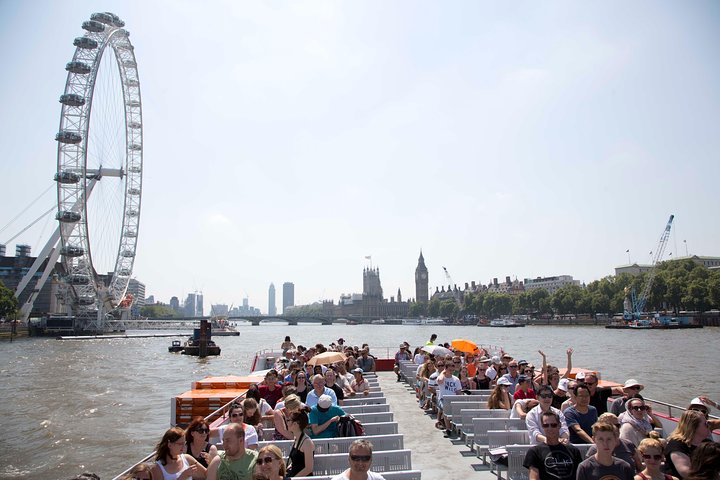
The Houses of Parliament, known also as the Palace of Westminster is where the two Houses of the Parliament of the United Kingdom (the House of Lords and the House of Commons) conduct their sittings. The Houses of Parliament (Palace of Westminster) lie on the north bank of the River Thames in the London borough of the City of Westminster, close by other government buildings in Whitehall. The oldest part of the Houses of Parliament (Palace of Westminster) is still in existence, Westminster Hall, which dates from 1097.The palace originally served as a royal residence, but no monarch has lived in it since the 16th century. Most of the present Houses of Parliament (Palace of Westminster) structure dates from the 19th century, when the Palace was rebuilt after it was almost entirely destroyed by a fire in 1834. The architect responsible for rebuilding the Palace was Sir Charles Barry and Augustus Welby Pugin, and the building is an example of the Gothic revival.
Westminster Abbey is a Church, burial ground, coronation site and much more, Westminster Abbey continues to attract visitors over 900 years after its founding. In many respects the architecture is common. There's the traditional cross-shaped floor plan with a nave, north and south transepts and several round side areas. But both its execution and use raise The Collegiate Church of St Peter, Westminster (the official name) to among the highest examples of church construction. Here at Westminster Abbey lie buried kings and poets, scientists and philosophers who have themselves raised humankind to the highest levels. Isaac Newton and James Clerk Maxwell (discoverer of electromagnetic theory, which later lead to radio and TV), Chaucer and Kipling, Dr. Samuel Johnson (creator of the first English dictionary) and many other justly famous names are interred here.
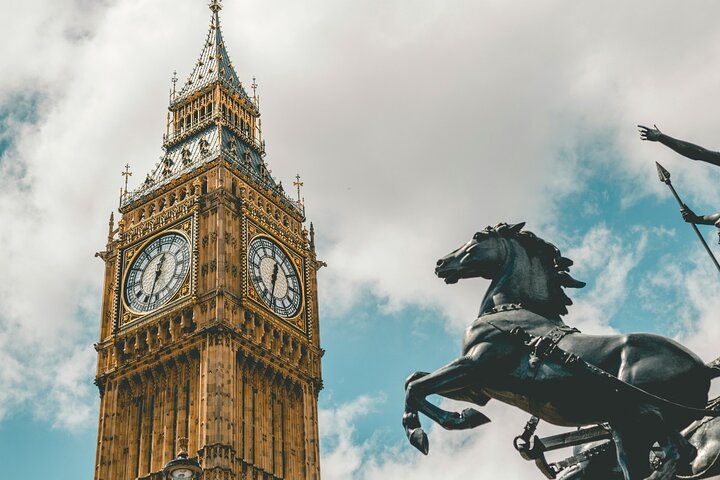
Located right in the middle of London's iconic landmarks such as Houses of Parliament, Elizabeth Tower (a.k.a Big Ben), Whitehall, Saint-Margaret's Church, Westminster Abbey and Westminster Bridge. Parliament Square houses eleven state figures and world leaders, including Sir Winston Churchill, Gandhi and Nelson Mandela. Parliament Square in London is a popular destination among tourists. The atmosphere is magnificent and it's one of the must-visit locations in the city.
Being one of the most important political buildings in the world United Kingdom's White House Number 10 continuously hosts the British prime ministers since 1735. The main decisions affecting Britain's destiny in the last 275 years have seriously been taken behind its iconic black door. Today it's not possible to enter the street as a tourist but knowing the idea that an actual prime minister lives and works in the street is heart beating. Have this experience with us.
Buckingham Palace is still the official residence of Britain's monarchy, as it has been since Queen Victoria's designation in 1837. Much of the Buckingham Palace was constructed as early as 1703 for the Duke of Buckingham. Buckingham House (as it was then known) was purchased in 1762 by George III, who used it as a private residence. Over the following 75 years, the house was expanded to form three wings around a central courtyard. When Queen Victoria discovered Buckingham Palace lacked several 'necessary' rooms - such as a formal ballroom, a nursery, visitor's bedrooms and others - major additions were undertaken, including adding an entire wing to form a quadrangle. The Marble Arch was moved to Hyde Park, where it still resides near Speaker's Corner. With the refacing using Portland stone in 1913, the palace received its last major change. Buckingham Palace is still actively used as both residence and offices, over 50,000 guests and invited diplomats to visit per year who interact with over 400 individuals for whom this is 'the office'. Nevertheless, several parts of Buckingham Palace are open to the public.
The Queen's Guard and Queen's Life Guard (called King's Guard and King's Life Guard when the reigning monarch is male) are the names given to contingents of infantry and cavalry soldiers charged with guarding the official royal residences in the United Kingdom. The British Army has regiments of both Horse Guards and Foot Guards predating the English Restoration (1660), and since the reign of King Charles II these regiments have been responsible for guarding the Sovereign's palaces. Despite tourist perceptions, the Guards are not purely ceremonial and are fully operational soldiers.
St. James's Park is one of the Royal Parks of London in the City of Westminster, London, just east of Buckingham Palace and west of Downing Street. For more than four hundred years, St James ' Park has been the center of the royal and ceremonial life of the country. Many features of the park have been shaped by Royal ambitions and national events. We will show hidden gems and the best spots for your best photo shots in the park.
Much of London, for the tourist anyway, is historical. Ancient buildings and centuries-old monuments. Palaces and works of art from the ages. But not Harrods London. Harrods, even while its origins are from over 150 years ago, is as up-to-date as the latest computer. The world's greatest department store was established on its current site in 1849 by Charles Henry Harrod, a wholesale grocer. Harrod's son Charles Digby rapidly grew the business and by 1880 employed 100 staff. Never one to be bowed by setbacks, not even a devastating fire in 1883, Harrods London went on to make all its Christmas deliveries in that year and many since. Whether flying fresh fish to Alfred Hitchcock or embalming Sigmund Freud's body, Harrods London is the store that promises 'Everything to Everybody Everywhere' never fails to deliver. Much of the architectural additions to Harrods London- including terracotta tiles and Art Nouveau windows topped with a baroque dome - can still be seen by a careful observer. Explore this magnificent shrine of the department store where shopping is a true tradition.
Hyde Park, perhaps most famous for the Speaker's Corner, where citizens stand atop a soapbox and shout their views to the crowd, but there's much more to see and do in Hyde Park than listen to political opinions. The land forming Hyde Park was first acquired by Henry VIII from the monks of Westminster Abbey in 1536. While Henry used Hyde Park for deer hunting, the horseback riding today is strictly not for sport. Casual and relaxing, the Hyde Park trails are abundant, but riders must bring their own horses. Visitors can often see the Royal Horse Artillery riding on horseback through Hyde Park early in the morning. Hyde Park was first made accessible to the public by King James I in the early 17th century, the park is split by the Serpentine, a river dammed to make an artificial lake. The idea was originated by the wife of King George II, an avid gardener. Boat rides on the Hyde Park lake remain a popular activity. Hyde Park is perhaps the oldest park in London, these 350 acres (140 hectares) contain peaceful walks through gardens and woods, boats for hire, venues for music concerts and is very nearby several stellar pubs and restaurants. There's even a pet cemetery and during the summer, on Sundays concerts are held at the Hyde Park Bandstand. Explore the beauty by me.
At the junction of Regent Street and Shaftesbury Avenue lies a trapezoidal area near London's West End known to the world as Piccadilly Circus. It's an odd name since there's no circus there, but even odder is that 'circus' usually denotes around city area where several streets meet in a circle, after the Roman plan. But that eccentricity fits Piccadilly Circus since this area of the great British capital attracts the most diverse set of people in an already diverse town. The first half of the Piccadilly Circus name comes from a 17th-century frilly collar called a "picadil". The name is a perfect description, for here are the frills of London. Here are pubs, monuments, shops and nearby theatre in the West End. Yes, Piccadilly Circus, akin to New York's Times Square, it's filled with traffic, crowds and (mainly at night) neon lights befitting its role as a major tourist attraction. Known already by 1743 by its current name, the junction was created in 1819 and its history shows. There's the bronze Shaftesbury memorial fountain, erected in 1893, topped by a statue of Anteros, the Angel of Christian Charity. (The Evening Standard uses a graphic of the nude statue on its masthead.) Technologically innovative at the time, it was the first sculpture to be cast in aluminium. In the late 1980s, the fountain was moved from the centre to its present Piccadilly Circus location at the south-west corner of the intersection. Let me introduce you to the Times Square of our city.
Westminster Bridge is not an ordinary bridge to span the river Thames. It has a very tumultuous history in London. The bridge's colour is green and the story of the bridge is colourful. We will tell you about the history of the bridge after Lady Boudicca's role in London's 2000-year-old history. Oh before we leave we will walk along the bridge and take pictures of London Eye, Royal Festival Hall and the River Thames.
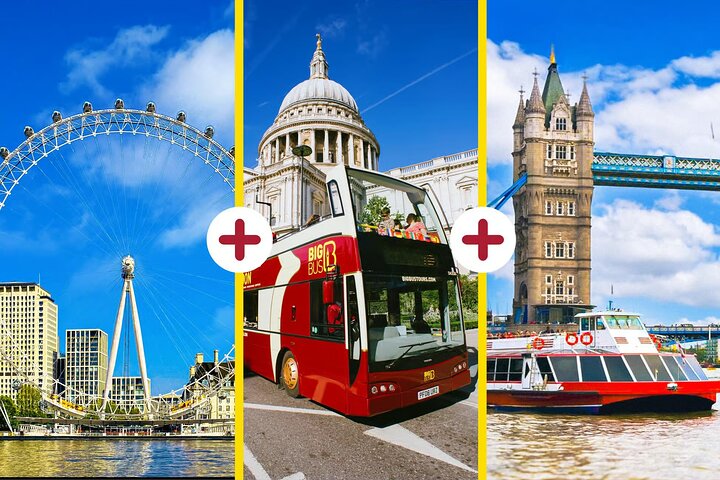
Tower Bridge is probably city's most distinctive symbol for today. Bridge shows a lot to its medieval predecessor London Bridge with its starlings and elaborate twin towers that give the bridge its name but it's not just a homage to the past, hidden inside that medieval looking exterior there's a rather wonderful piece of Victorian engineering and in its day it was the biggest and most sophisticated lifting bridge in the world. Unlike London Bridge, the genius of the design is that the bridge can act as a gateway swinging open to allow tall ships to pass through. Plenty of things we will tell you about this masterpiece in London, just follow me!
Cancellation
All sales are final. No refund is available for cancellations.
Know before you go
- Pickup
- Pickup is included for everyone.
- Ticket type
- Mobile or paper ticket accepted
- Operated by
- Londoner
- Wheelchair accessible
- Infants and small children can ride in a pram or stroller
- Service animals allowed
- Public transportation options are available nearby
- Infants are required to sit on an adult’s lap
- Specialized infant seats are available
- Transportation options are wheelchair accessible
- All areas and surfaces are wheelchair accessible
How it compares in London
- Its from-price is 459% above the median of the 809 city tours we list in London.
- It is longer than most of them.
About London
London mixes royal ceremony, world-class museums and riverside landmarks with distinct neighbourhoods, markets and parks to explore on foot.
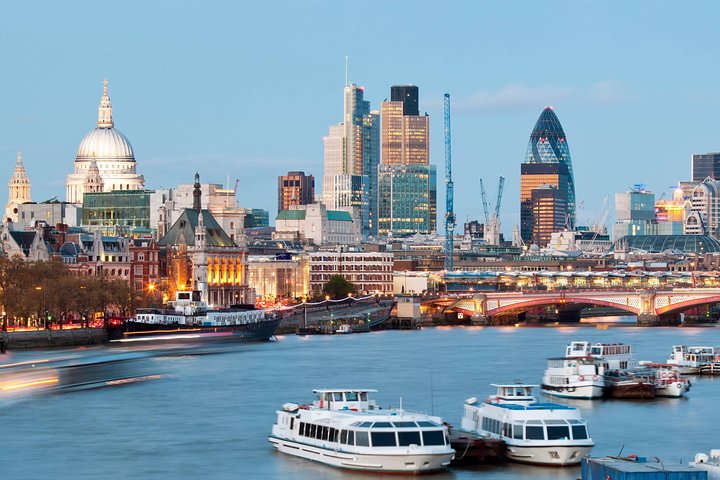
The Thames threads the city together. On its banks stand the Houses of Parliament and Big Ben, the Tower of London with the Crown Jewels, Tower Bridge and the long South Bank walk past the London Eye, Shakespeare's Globe and Tate Modern. St Paul's Cathedral and Westminster Abbey anchor the older skyline, while glass towers crowd the financial district.
Top-ranked sights in London: St. Paul's Cathedral, Stonehenge, Tower of London.
Special offers in London
Was/now prices come from the operator, never from us.