Discover Ho Chi Minh City A Guided Tour
- 8h 30m
- Free cancellation up to 24h before
- Guided in English
- Instant confirmation
Highlights
Discover Ho Chi Minh City's exhilarating collision of past and future with your self-guided audio tour, allowing you to explore Vietnam's largest metropolis at your own pace. Begin at the elegant Notre-Dame Cathedral and Central Post Office where French colonial grandeur survives amid the motorbike chaos that defines modern Saigon. Wander through the exhibits of the War Remnants Museum where photographs and artifacts document the conflict that shaped contemporary Vietnam, then explore the underground tunnels of Cu Chi where guerrilla fighters lived beneath American bases. Marvel at the jade Emperor Pagoda's incense-clouded chambers where Buddhist and Taoist deities receive the prayers of devotees who have worshipped here for over a century. Stroll down tree-lined Dong Khoi Street where colonial-era buildings house designer boutiques and rooftop bars with skyline views, then lose yourself in the sensory overload of Ben Thanh Market where vendors sell everything from silk to snake wine.
Inclusions
What's included
- Digital Map.
- Access to the audio guide for 50+ Ho Chi Minh City attractions and hidden spots.
- Self-guided walking tour (app)
What's not
- Private transportation
- Entry fees to tourist attractions or museums.
- Our app-based self-guided tour has no physical guide on-site.
Itinerary
This neo-Romanesque cathedral constructed entirely from materials imported from France between 1863 and 1880 remains the most elegant symbol of colonial Saigon, its red brick facade and twin 58-meter spires dominating the central district. The cathedral served as the spiritual center for French colonists and Vietnamese Catholics through war and revolution, its Virgin Mary statue in the square famously 'weeping' in 2005 and drawing enormous crowds before authorities dismissed the phenomenon. The building is currently undergoing extensive renovation, but the exterior and surrounding plaza continue to provide the city's most iconic photo opportunity and peaceful gathering space.
Designed by Gustave Eiffel's firm and completed in 1891, this magnificent post office remains a working facility where visitors can send postcards beneath the vaulted ceiling while admiring painted maps of Cochinchina and the benevolent portrait of Ho Chi Minh presiding over the grand hall. The building's iron structure, cream and green color scheme, and elegant phone booths transport visitors to the era when Saigon was the 'Pearl of the Orient' and this post office connected the colony to France and the world. The souvenir shops may be touristy, but the architecture and atmosphere make this essential viewing.
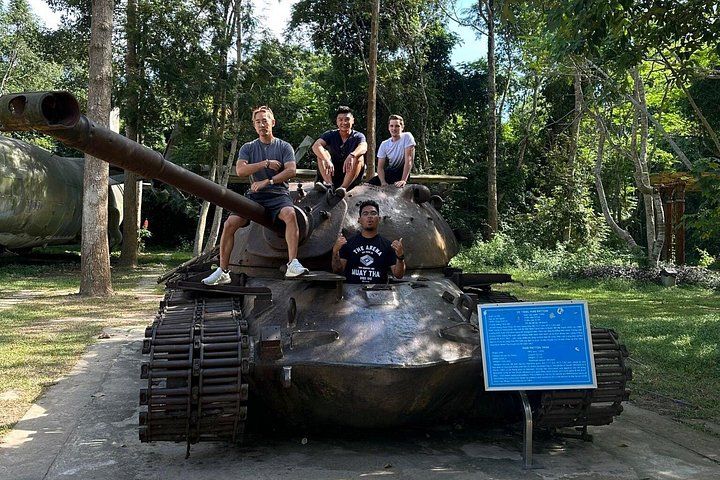
Vietnam's most visited museum presents the American War (as Vietnamese call it) through photographs, weapons, and personal artifacts that document the conflict's devastating human cost, particularly the effects of Agent Orange that continue to affect generations. The exhibits are emotionally overwhelming and present an unambiguously Vietnamese perspective, but the museum provides essential context for understanding modern Vietnam and the resilience that rebuilt the nation from devastation. American military equipment including tanks, helicopters, and artillery fills the courtyard while interior galleries display the Pulitzer Prize-winning photographs that turned American public opinion against the war.
Saigon's most elegant boulevard has been renamed repeatedly—Rue Catinat under the French, Tu Do (Freedom) under the South Vietnamese, Dong Khoi (Uprising) since reunification—but has consistently served as the city's premier address for hotels, shops, and entertainment. The tree-lined street connects Notre-Dame Cathedral to the Saigon River waterfront, its colonial buildings now housing luxury boutiques, international restaurants, and the rooftop bars where Saigon's cosmopolitan elite gather for sunset cocktails. The Continental Hotel, immortalized in Graham Greene's The Quiet American, and the Opera House anchor a district that reveals Saigon's aspirations to sophistication.
Saigon's most famous market has occupied this central location since 1914, its iconic clock tower and distinctive architecture housing over 1,500 stalls selling everything from lacquerware and silk to coffee, spices, and the fresh produce that supplies countless street food vendors. The market's overwhelming sensory experience—vendors calling out, merchandise piled high, aromas of cooking food—provides an immersive introduction to Vietnamese commerce that hasn't fundamentally changed despite modernization. The surrounding night market extends trading hours and adds street food stalls that draw locals and visitors for evening meals at communal tables.
The most atmospheric temple in Ho Chi Minh City has honored Taoist and Buddhist deities since Cantonese immigrants built it in 1909, its ornate interior thick with incense smoke and filled with carved wooden statues depicting heaven, hell, and the cosmic hierarchy. The main hall's Jade Emperor surveys the faithful while side chambers display the terrifying judges of hell and the serene Chief of Hell sorting souls for reincarnation. The temple's tile roof, interior pond with turtles, and constant activity of worshippers create an authentic spiritual experience amid the commercial chaos of surrounding streets.
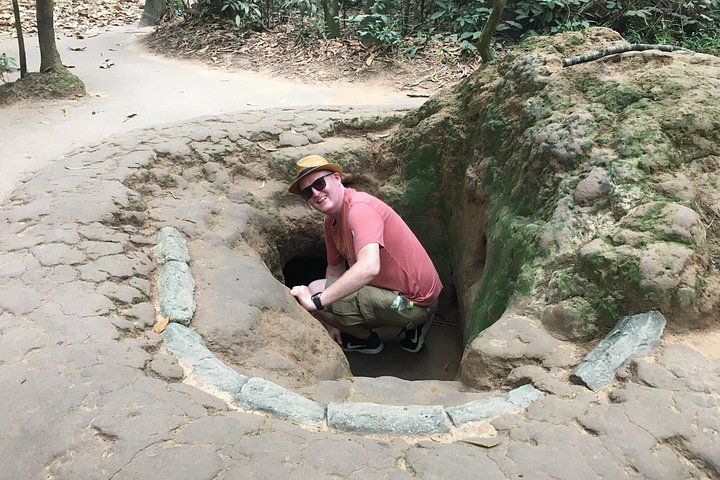
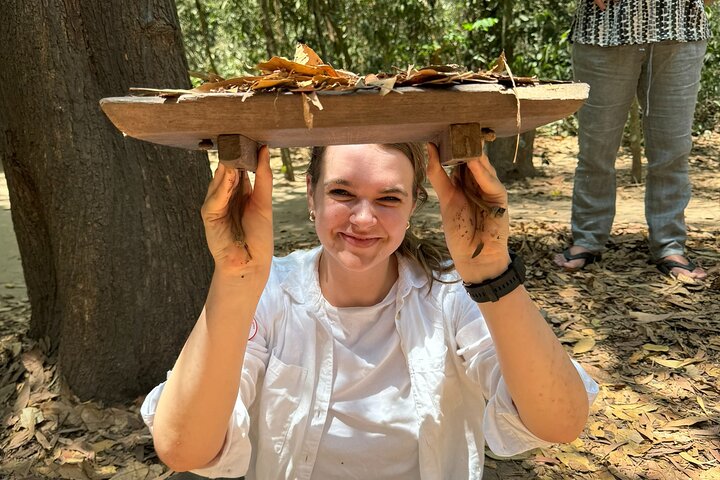
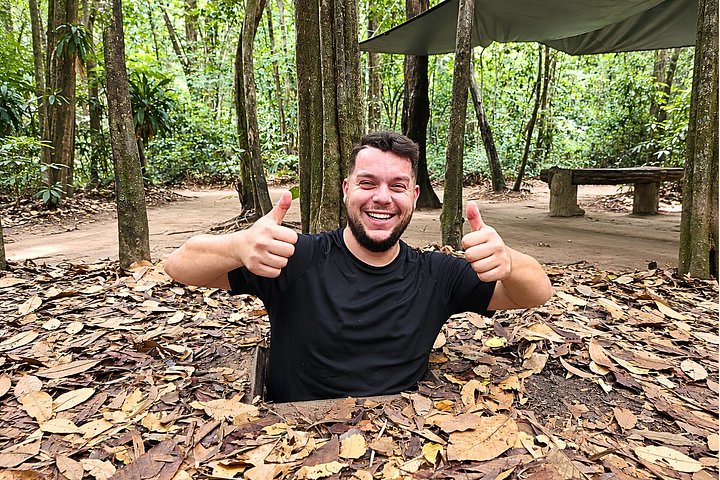
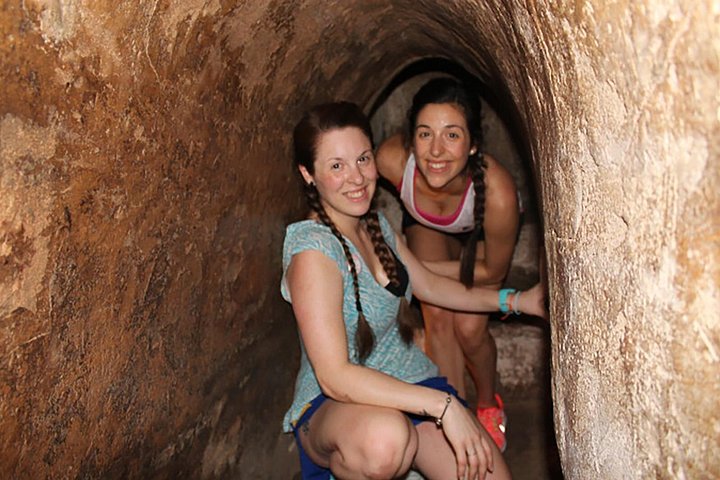
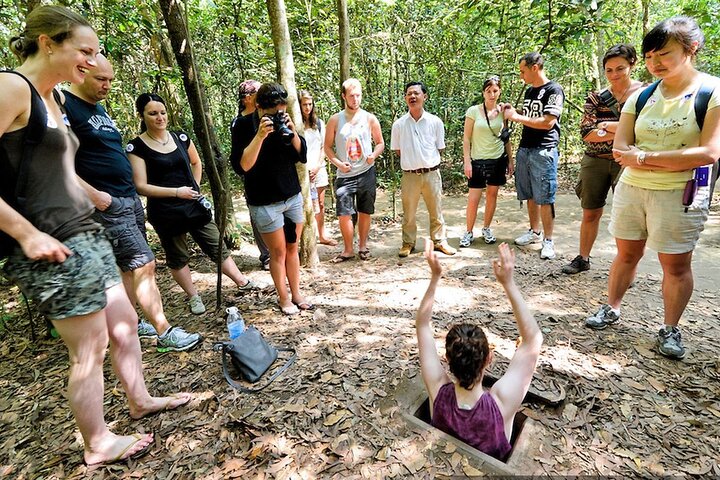
This remarkable tunnel system 70 kilometers northwest of the city allowed Viet Cong guerrillas to live, fight, and survive beneath American bases during years of intensive bombing and search-and-destroy operations. The 250-kilometer network included hospitals, meeting rooms, kitchens, and armories, all dug by hand and ventilated through disguised openings that defied American detection technology. Visitors can crawl through widened sections of the tunnels, fire weapons at the shooting range, and understand how determination and ingenuity overcame technological superiority in a conflict that reshaped American military thinking.
Saigon's Chinatown has served the city's ethnic Chinese community since the 18th century, its atmospheric streets still filled with traditional apothecaries, incense-clouded temples, and the wholesale markets that supply businesses throughout southern Vietnam. The Binh Tay Market, with its distinctive colonial architecture, provides a more authentic and less tourist-oriented market experience than Ben Thanh, while the ornate Thien Hau Temple dedicated to the sea goddess draws worshippers who light enormous spiral incense coils that burn for weeks. The neighborhood's Chinese signage, traditional businesses, and temple complexes create a distinctive atmosphere within the larger city.
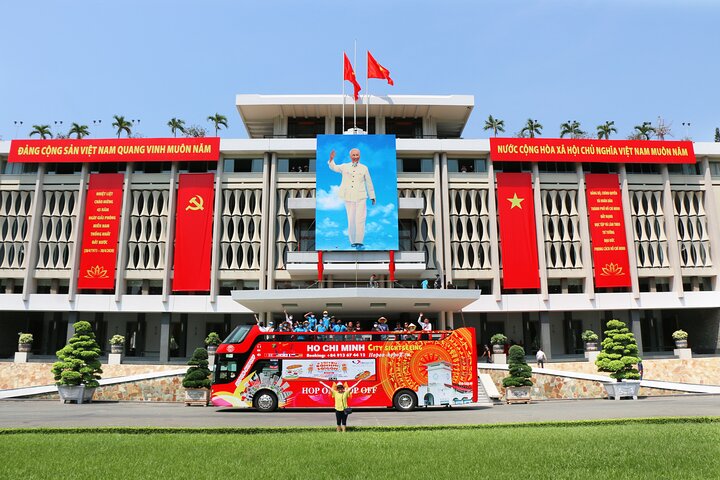
This modernist palace served as the headquarters of the South Vietnamese government until a North Vietnamese tank crashed through its gates on April 30, 1975, ending the war and reunifying Vietnam under communist rule. The building's 1960s architecture, preserved in time-capsule condition, reveals the Cold War aesthetics and military-industrial complex that defined the American-backed regime through its rooftop helipad, basement war room, and vintage telecommunications equipment. The tank that breached the gates stands in the grounds while the preserved interiors offer insight into the final hours of a regime whose sudden collapse stunned the watching world.
Saigon's backpacker district transforms each evening into a pedestrianized party zone where cheap beer, thumping music, and the international backpacker trail create an atmosphere that some find irresistible and others find exhausting. The street's budget accommodation, tour agencies, and late-night pho stalls serve travelers on tight budgets while the surrounding lanes reveal more authentic local life beyond the tourist-oriented frontage. Love it or hate it, Bui Vien provides a useful concentration of services and an energetic introduction to Saigon nightlife that reveals another dimension of this multifaceted city.
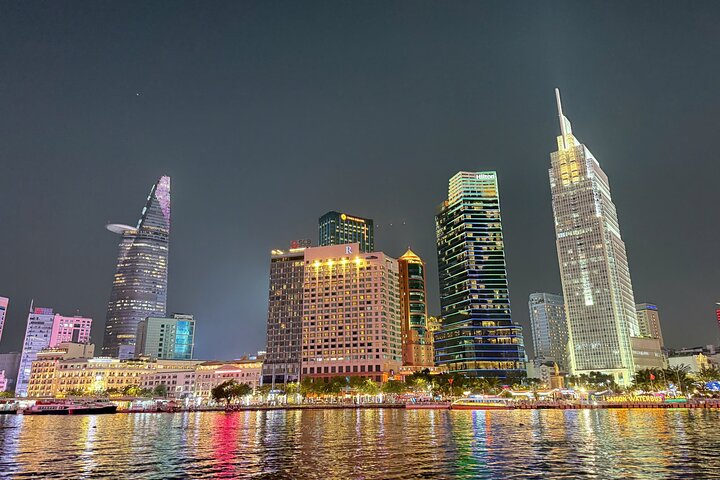
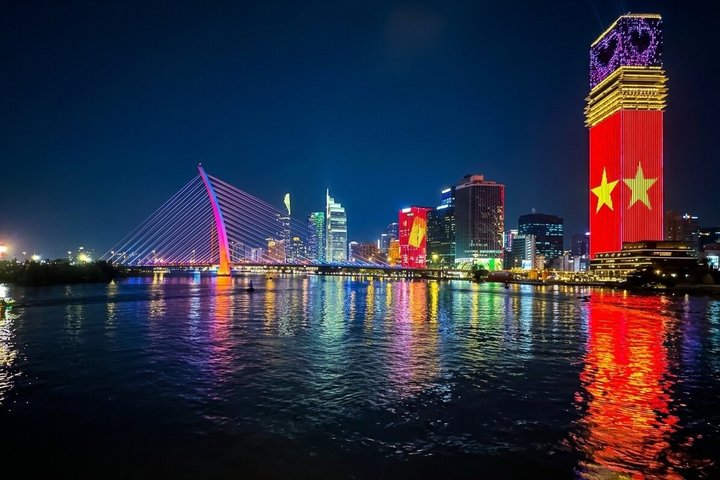
The river that has sustained Saigon since its founding now provides the setting for evening promenades, dinner cruises, and the rapidly developing skyline of District 2 that represents Vietnam's economic ambitions. The Bach Dang Wharf offers views across to the new Landmark 81 tower—Southeast Asia's tallest building—while sunset cruises provide perspective on the city's transformation from colonial port to modern metropolis. The waterfront's development continues, with parks, pedestrian areas, and commercial districts replacing the industrial infrastructure that once dominated the riverbanks.
Saigon's emerging creative quarter fills the tree-lined streets of District 3 with specialty coffee roasters, hidden-alley cafes, and the boutique businesses that represent Vietnamese millennial ambitions beyond the traditional economy. The neighborhood's French-era villas, many converted to atmospheric cafes, provide the setting for a coffee culture that has made Vietnam one of the world's leading producers and most innovative consumers. Exploring the district's backstreets reveals the Saigon that young Vietnamese are creating—design-conscious, internationally connected, and proud of local traditions reinterpreted for contemporary life.
Cancellation
Free cancellation up to 24 hours before the experience starts, for a full refund.
Know before you go
- Meeting point
- Start Suggested Location: In front of the Virgin Mary Statue (Our Lady of Peace) in the center of the square.Address: 1 Công xã Paris, Bến Nghé, District 1, Ho Chi Minh City, Vietnam.
- Pickup
- Everyone meets at the starting point; there is no pickup.
- Ticket type
- Mobile or paper ticket accepted
- Operated by
- CloudGuide S.L
- Not recommended for travelers with spinal injuries
- Not recommended for travelers with poor cardiovascular health
- Public transportation options are available nearby
- Suitable for all physical fitness levels
How it compares in Ho Chi Minh City
- Its from-price is 89% below the median of the 2927 experiences we list in Ho Chi Minh City.
- Its length is typical for the group.
- The operator lists free cancellation on it.
About Ho Chi Minh City
Ho Chi Minh City, still widely called Saigon, is Vietnam's buzzing commercial hub of French colonial landmarks, war history and superb street food.
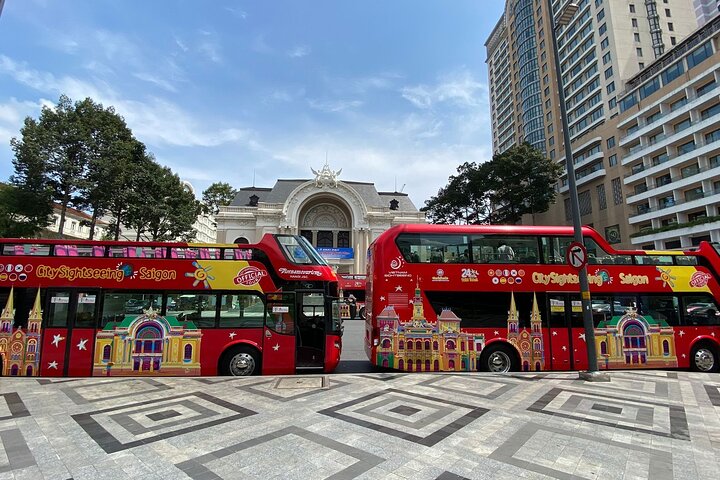
District 1 holds the main sights within walking distance: the red-brick Notre-Dame Cathedral, the elegant Central Post Office with its vaulted hall, the colonial Opera House and the ornate City Hall. The Independence Palace preserves its rooms as they were at the end of the war, and the War Remnants Museum tells the story of the conflict with sobering directness.
Top-ranked sights in Ho Chi Minh City: Cu Chi Tunnels, Saigon Opera House (Opéra de Saïgon), Saigon Central Post Office.
Special offers in Ho Chi Minh City
Was/now prices come from the operator, never from us.