Belem Highlights (including the the famous pastries!)
- 4–5 hours
- Free cancellation up to 24h before
- 2 languages
- Instant confirmation
Highlights
The Portuguese began their exploration of the world from here at Belém therefore it’s a perfect place to begin your exploration of Lisbon. There are many things to do in Belém apart from eating the famous "Pasteis de Belem" custard tarts (which you will do). It’s one of the most important neighbourhoods of Lisbon and is full of national monuments, museums, public parks, and grand buildings. You’ll finish this tour with an excellent understanding of the history of Lisbon and Portugal, and a better understanding of the World it self.
Inclusions
What's included
- Private Guide
What's not
- Everything else
Itinerary
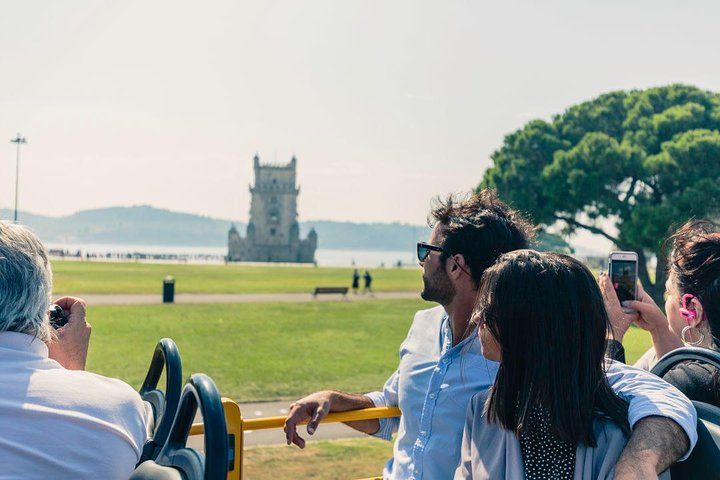
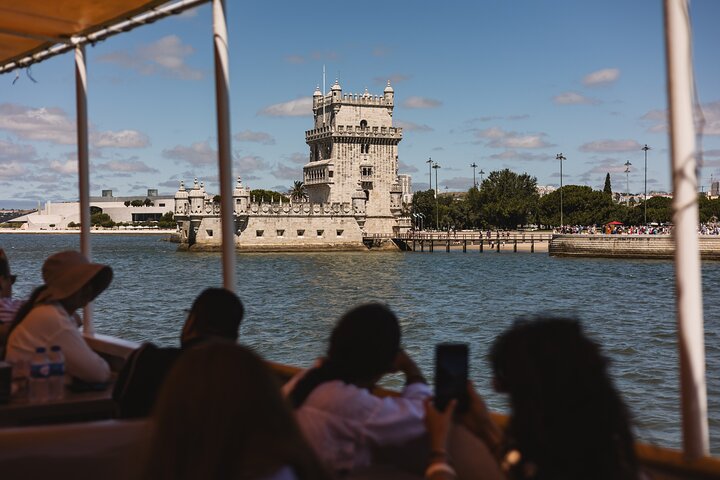
Built on the northern bank of the Tagus between 1514 and 1520 as part of the Tagus estuary defence system, the Tower of Belém is one of the architectural jewels of the reign of Manuel I.
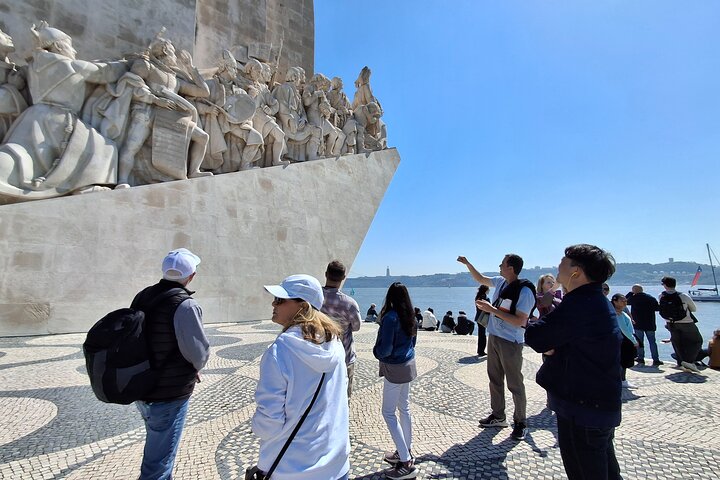
Created by Cottinelli Telmo (1897–1948) and the sculptor Leopoldo de Almeida (1898–1975), Padrão dos Descobrimentos was first erected in 1940, in a temporary form, as part of the Portuguese World Exhibition, built with perishable materials. It had a light iron and cement frame, while the moulded sculpture had a light iron and cement frame, while the moulded sculpture was made of gypsum (formed of plaster and burlap, and reinforced by a wooden and iron structure). The monument was reconstructed in 1960 to mark 500 years since the death of the Infante Dom Henrique (Henry the Navigator). This time it was made of concrete and rose-tinted Leiria stone masonry, with the sculptures made of Sintra limestone masonry.
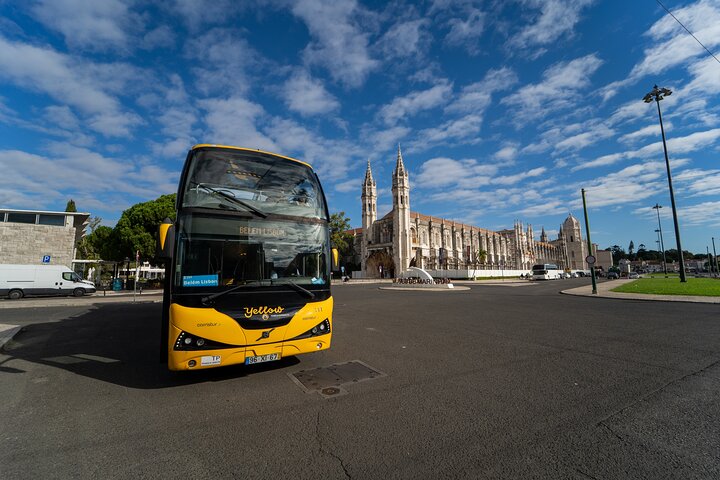
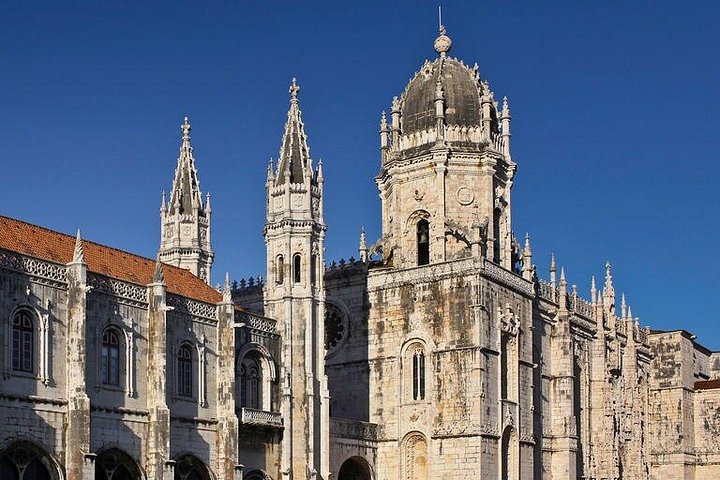
The Jerónimos Monastery, also called Hieronymites Monastery, is along with the Tower of Belém, one of the most visited sites in Lisbon. UNESCO declared it a World Heritage Site in 1983. This landmark is called Mosteiro dos Jerónimos in Portuguese
In the first half of the 18th century, King John V planned to build a summer residence in the Ajuda hill. The building of this Royal Palace in this place, however, would take place only after the Earthquake of 1755 which destroyed the royal residence, Paço da Ribeira (Ribeira Palace), at the Terreiro do Paço (Palace Public Square). On King José I 's initiative, the Royal Palace of Ajuda was built on the grounds acquired by his father firstly as a wooden building - commonly known as the Real Barraca (the Royal Hut) which burned to the ground in 1794 - and then as the Palace as it is nowadays.
In the early 19th century, in Belém, right next to the Jerónimos Monastery, there was a sugar cane refinery connected to a small shop. Because of the 1820 Liberal Revolution, all Portuguese convents and monasteries were closed down years later and, consequently, all workers and clergy were expelled from them. In an attempt to survive, someone from the Monastery placed sweet pastries for sale at the small shop, which quickly became known as "Pastéis de Belém" (Belém Pastries) given the location where they were sold and the recipe remains exactly the same to this day.
Cancellation
Free cancellation up to 24 hours before the experience starts, for a full refund.
Reviews
5.0
- 51
- 40
- 30
- 20
- 10
Ratings come from 1 reviews collected by our booking partner. They are travellers' own words, in the order they were written — never reordered to flatter the experience.
Know before you go
- Meeting point
- Train Station
- Pickup
- Everyone meets at the starting point; there is no pickup.
- Ticket type
- Mobile or paper ticket accepted
- Operated by
- Tours by Locals in Portugal
- Specialized infant seats are available
- Not recommended for travelers with spinal injuries
- Not recommended for pregnant travelers
- Not recommended for travelers with poor cardiovascular health
- Travelers should have at least a moderate level of physical fitness
How it compares in Lisbon
- Its from-price is 39% above the median of the 324 food tours we list in Lisbon.
- It is shorter than most of them.
- By number of reviews it ranks 193 of 324.
- The operator lists free cancellation on it.
About Lisbon
Lisbon spills down its hills to the Tagus estuary, a city of tiled façades, rattling yellow trams, viewpoint terraces and late, unhurried dinners.
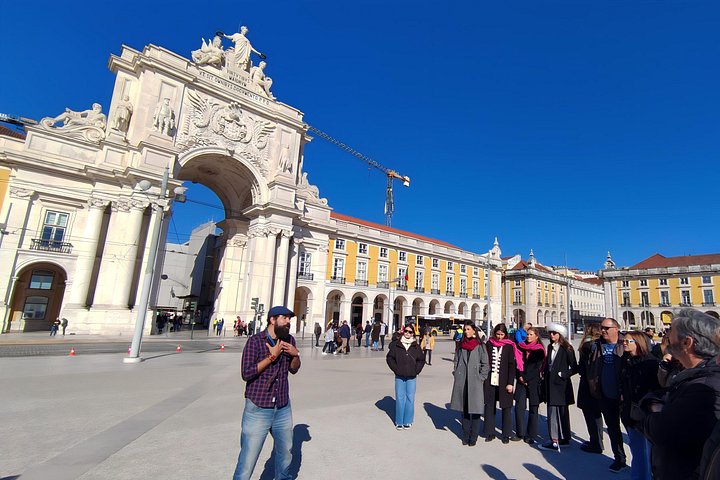
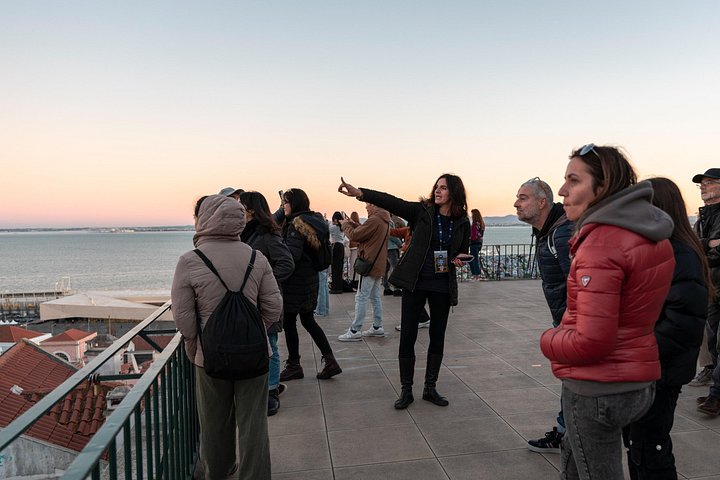
The old quarters hold most of the charm. Alfama's tangle of lanes climbs to São Jorge Castle and echoes with fado in the evening, the Baixa's orderly grid runs down to the vast Praça do Comércio on the river, and Bairro Alto and Chiado mix bookshops and cafés by day with bars by night. Viewpoints such as Santa Luzia and Senhora do Monte frame red rooftops and shining water.
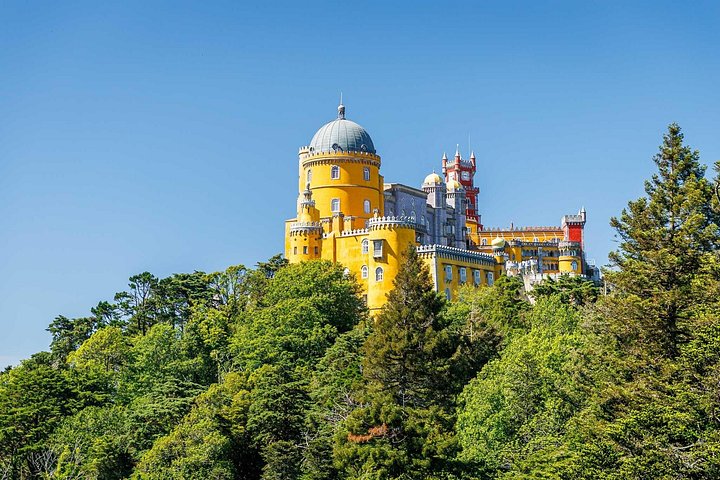
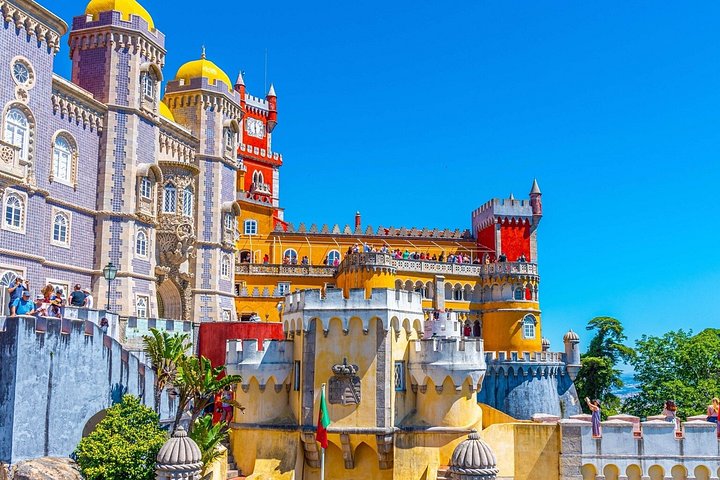
Top-ranked sights in Lisbon: Commerce Square (Praça do Comércio), Pena National Palace (Palacio Nacional da Pena), Alfama.
Special offers in Lisbon
Was/now prices come from the operator, never from us.

Similar experiences
 Likely to sell outFree cancellation