Urban Shanghai Chronicle Day Tour
- 10–12 hours
- Free cancellation up to 24h before
- Guided in English
- Instant confirmation
Highlights
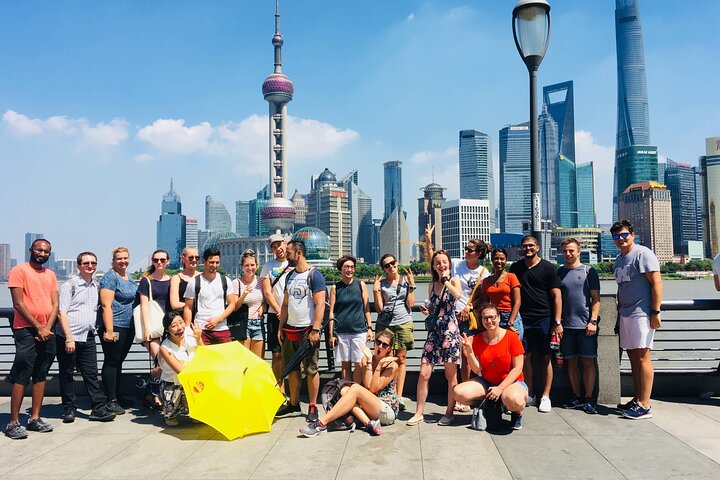
This is the most compact one-day tour product of Shanghai so far. That is to say, among all the one-day tour products, it enables you to visit the most scenic spots within one day. The itinerary doesn't artificially highlight the contrasts among different areas of Shanghai. Instead, it strings together a large number of historical spots along the timeline and presents them to you. This product requires tourists to have certain physical strength, be nimble on their feet, and must keep up with the pace of the tour guide. It's a high-capacity route that attaches great importance to team cooperation. Important Notice: Essentially, it's an urban - traversal hiking route. Tourists mostly walk with the guide. For certain sections, they use transport like bikes, subways, buses, and taxis. The guide will pay these costs in advance and collect the actual amount from tourists after the trip concludes.
Inclusions
What's included
- Bottled water
What's not
- Gratuities
Itinerary
The old city area of Shanghai had city walls, which were built in 1553 and demolished in 1914. Now this location is one of the two remaining sites of the city walls. Starting from here, we will enter the ancient city in the northwest.
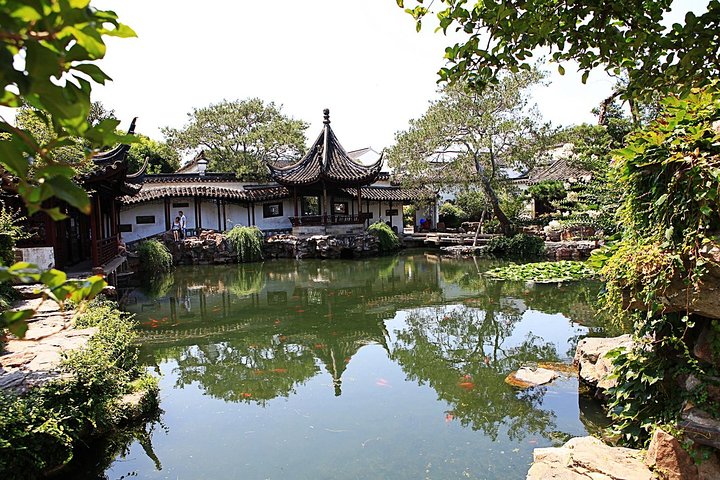
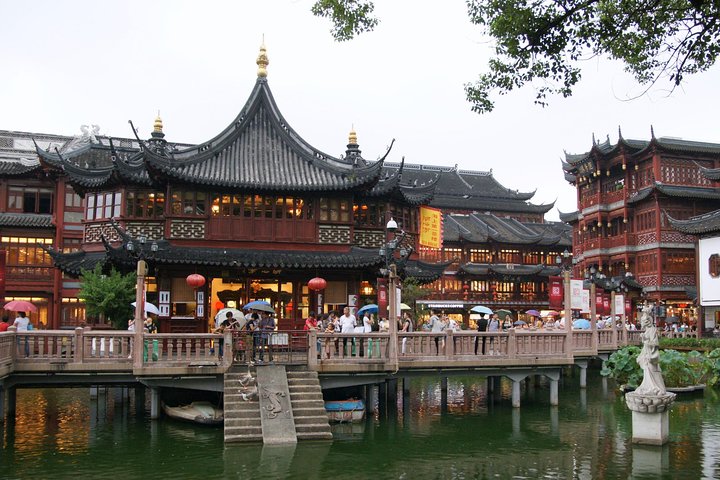
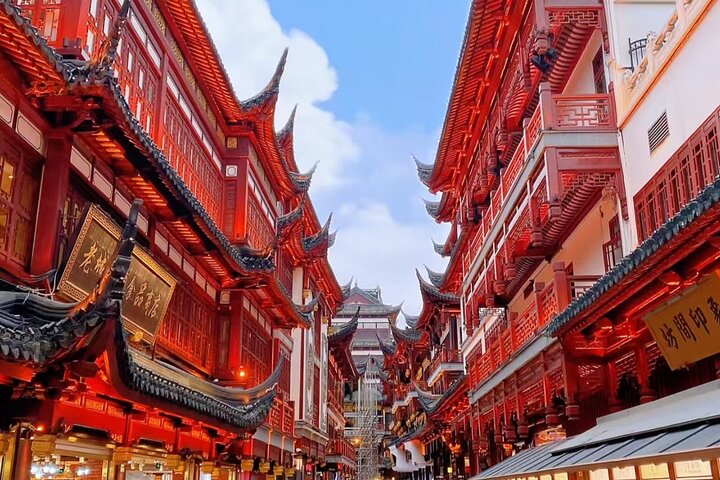
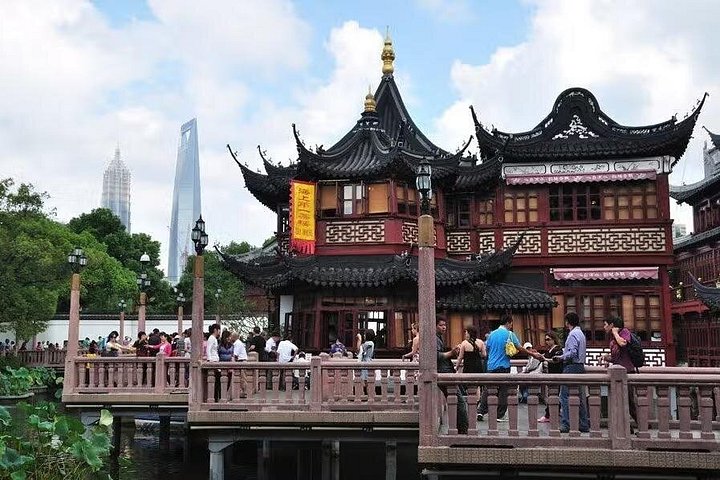
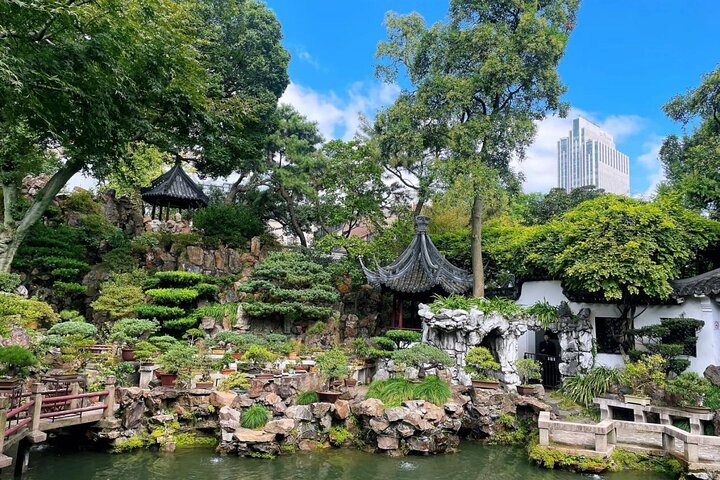
After the completion of the city wall in Shanghai, the gentlemen in the city began to build private gardens in a safe environment. The outstanding one among them was the Yu Garden in the north of the city. However, after the death of the first owner of the garden, the family began to split up and decline. The Yu Garden changed hands and started to be occupied by various chambers of commerce in the late Qing Dynasty. Meanwhile, around the periphery of the Yu Garden and its neighboring areas, various commodity trading markets took shape and it became the most important commodity trading center within the old city of Shanghai. Before the civil unrest in 1853, this area was also the political, religious and cultural center of the old city of Shanghai and was one of the landmarks of Shanghai.
The Shanghai City God Temple was the only public building that was not relocated after the civil unrest in 1853. Before 1945, the City God of Shanghai made three inspection tours within the city every year. That is to say, he was carried through every important area of the old city and received the worship of the citizens. The Shanghai City God Temple is also the only City God Temple in China that enshrines two City Gods. It is the religious center of the old city of Shanghai.
The Butterfield & Swire Co. house was completed in 1872. Why should we come to visit this building? Because most people are only aware that the British occupied a large area of land along the Huangpu River. However, the sphere of influence of the French in the area along the Huangpu River extended from the Swire House all the way to the East Gate of the Old City of Shanghai. And for a long time, the Swire Company was the most powerful company in the French Concession, though its founder was a man from Liverpool.
This building was originally the building of the French Messageries Maritimes. What we can see now is the new building rebuilt in 1939, which is in the modernist style. It became the Shanghai Municipal Archives in 2003.
When we cross Renmin Road from the direction of the New North Gate of the ancient city, we will enter the French Concession from the old city area of Shanghai. Like the International Settlement, it began its colonial life on the banks of the Huangpu River. It covered the northern part of the old city of Shanghai like a Napoleon hat. Along this most important passageway from the old city into the French Concession, there are important institutions of the French Catholic Church in Shanghai as well as the St. Joseph's Church. Of course, nowadays it is no longer a church but part of a primary school complex.
The former site of the French Concession Municipal Council in Shanghai. We can only pass by this place and are not even allowed to take pictures, because it is now the location of the Huangpu District Police Station in Shanghai. The main building used to be the old building of the French Concession Municipal Council and was later changed into the General Police Station of the French Concession.
Shanghai Xintiandi, located in the eastern part of the French Concession, is a renowned leisure and entertainment destination. It was transformed from two blocks that originally housed a typical Shikumen lilong architectural complex and is adjacent to the site of the First National Congress of the CPC.
The Site of the First National Congress of the CPC is the witness to the birth of the Communist Party of China. On July 23, 1921, the First National Congress of the CPC was held here (and later adjourned on a boat on South Lake in Jiaxing). Representatives of the early communist organizations from various regions gathered to discuss crucial matters such as the Party's program, proclaiming the formal establishment of the Communist Party of China.
Shanghai History Museum (the former site of the Shanghai Race Club) The racecourse in the public settlement area was relocated twice and finally settled at today's People's Square. The current complex of buildings was completed in 1932 and was confiscated by the then Shanghai Military Control Commission in 1951. Since 1954, it has been converted into the Shanghai Library.
What we are visiting here is the Park Hotel designed by the famous architect Laszlo Hudec. From its completion in 1934 until 1982, it had always been the tallest building in Shanghai. There is an identification mark of the plane coordinate origin for Shanghai's surveying and mapping in the lobby.
Before 1949, the official name of Renji Hospital was the Chinese Hospital. Its history is even older than that of the Municipal Council. Before the current site was incorporated into the British Concession, William Lockhart, a missionary of the London Missionary Society, founded this hospital in 1844. In the early days of the International Settlement, there were two hospitals in the north and south. The one in the north was a regular hospital where foreign residents paid for medical treatment, while the Chinese Hospital in the south was a charitable hospital. For more than fifty years after its establishment, it provided free medical services for Chinese people, completely free of charge. It didn't start to charge some medical fees symbolically until the financial pressure grew. After the death of the prominent businessman Henry Lester, this hospital received part of his estate and built the building that we can see today.
Cancellation
Free cancellation up to 24 hours before the experience starts, for a full refund.
Know before you go
- Meeting point
- The address is No. 259 Da Jing Road(大境路259号). You can reach here by taxi or subway. We can assist you in hailing a cab. Moreover, we provide a vehicle pick-up and drop-off service, which incurs a charge. For details of the charging standard, please get in touch with us.
- Pickup
- Everyone meets at the starting point; there is no pickup.
- Ticket type
- Mobile or paper ticket accepted
- Operated by
- Shanghaiology Expert Tours
- Public transportation options are available nearby
- Not recommended for pregnant travelers
- Not recommended for travelers with poor cardiovascular health
- Travelers should have at least a moderate level of physical fitness
How it compares in Shanghai
- Its from-price is 40% above the median of the 504 city tours we list in Shanghai.
- It is longer than most of them.
- The operator lists free cancellation on it.
About Shanghai
Shanghai is China's dazzling financial city on the Huangpu River, where a colonial-era waterfront faces a futuristic skyline and old lanes hide teahouses.
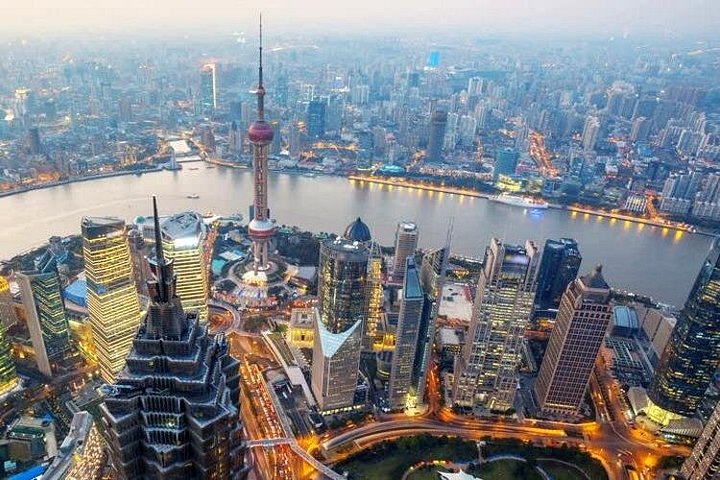
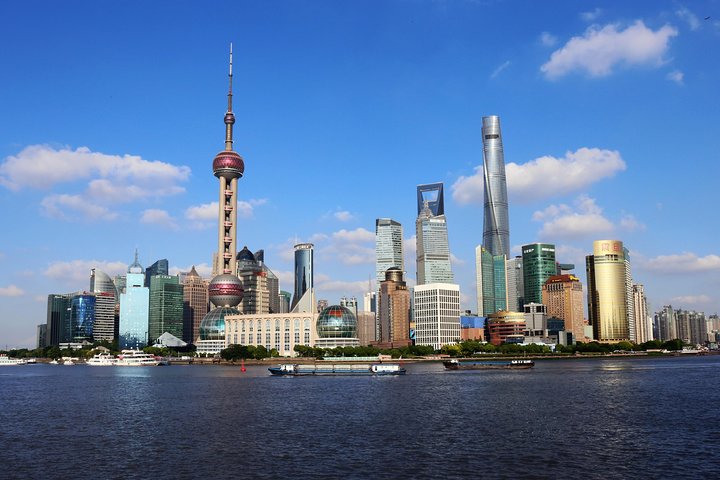
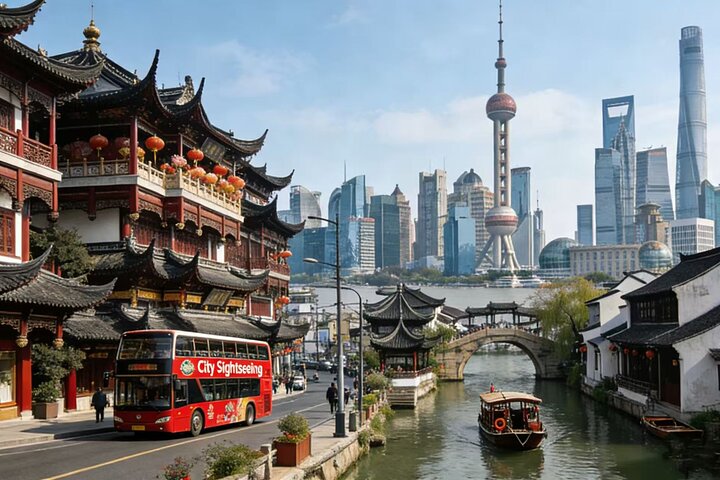
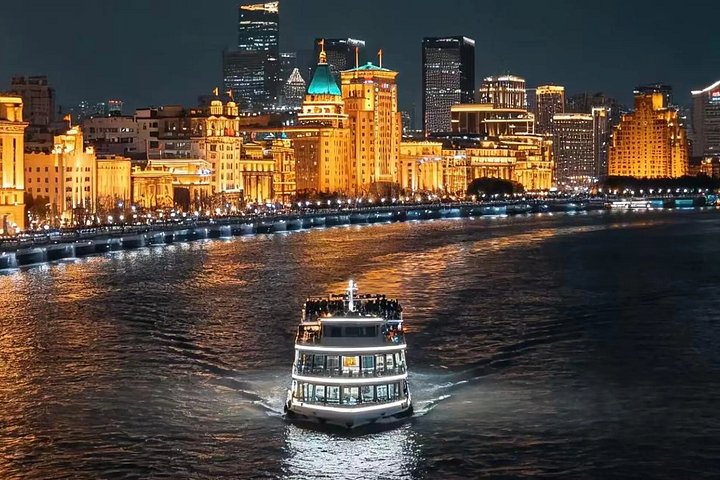
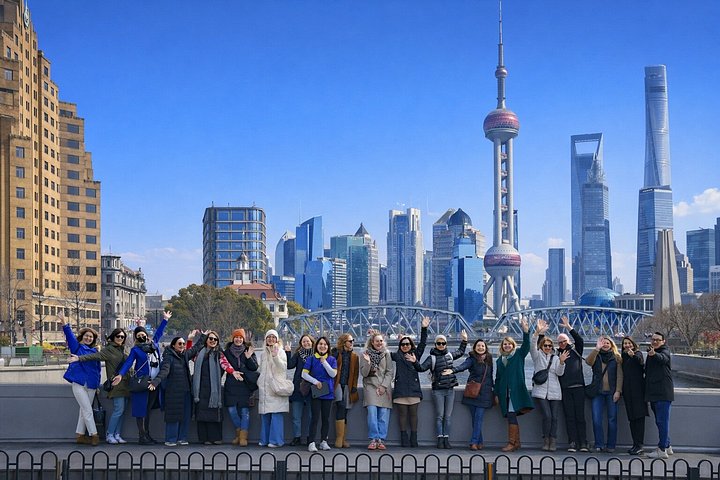
The Bund, a riverside promenade lined with grand banks and hotels from the early twentieth century, faces the towers of Pudong across the water, among them the Oriental Pearl Tower, the Jin Mao Tower and the twisting Shanghai Tower. The view is at its most dramatic after dark, when both banks light up and river boats glide between them.
Top-ranked sights in Shanghai: The Bund (Waitan), Yu Garden (Yuyuan), Shanghai French Concession.
Special offers in Shanghai
Was/now prices come from the operator, never from us.


Similar experiences
![Best of Shanghai Day Tour, including Jade Buddha Temple & Bund & Yuyuan Garden]() Free cancellation