Private Tour in Luxor Egypt
- 8–9 hours
- Free cancellation up to 24h before
- 5 languages
- Instant confirmation
Highlights
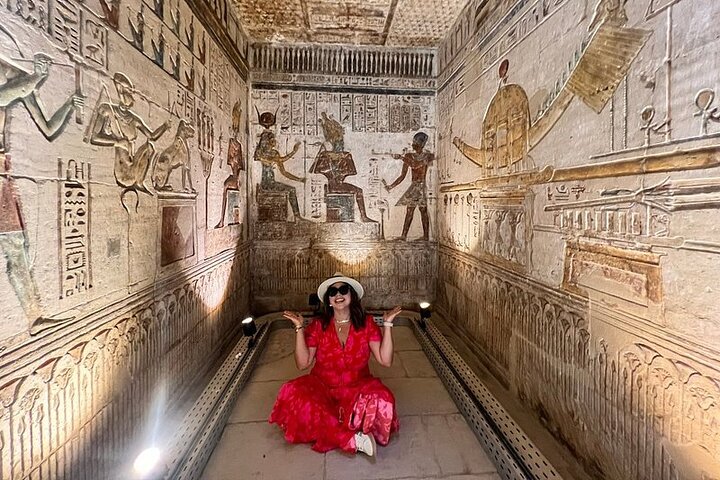
Looking for an adventure that will take you on a journey back in time? Look no further than the Luxor tour! This immersive experience will transport you to the ancient city of Thebes, where you'll witness some of the most iconic and breathtaking monuments of ancient Egypt. Be awestruck by the architectural wonders of the Karnak Temple Complex and take in the majesty of the Valley of the Kings. Explore the hidden tombs and temples of Luxor's West Bank, and marvel at the fascinating mythology and ancient art that tell the story of Egypt's rich history. guides will take you through the winding streets of Luxor, sharing their extensive knowledge of the cultural and historical significance of each site. You'll get up close and personal with towering statues, colossal columns, and ornate hieroglyphics, as you uncover the secrets of one of history's most intriguing civilizations.
Inclusions
What's included
- Professional licensed Egyptologist tour guide
- Hotel pick-up and drop-off in Luxor
- Bottled water during the tour
- Private air-conditioned vehicle
What's not
- Gratuities (tipping) for guide and driver
- Any additional tours or tickets not mentioned in the itinerary
Itinerary
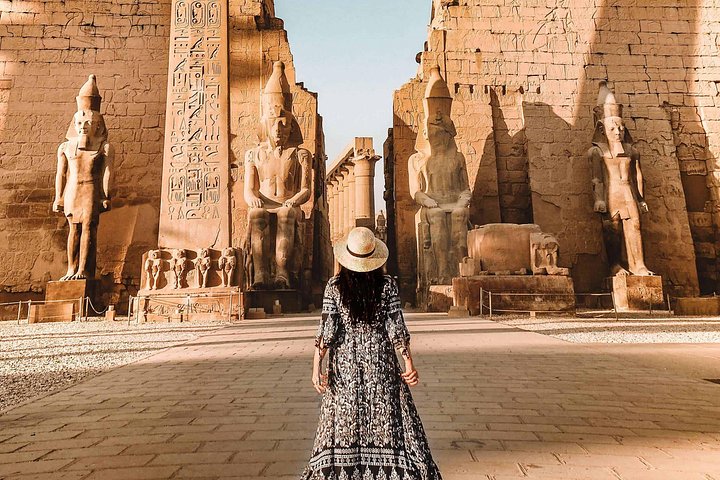
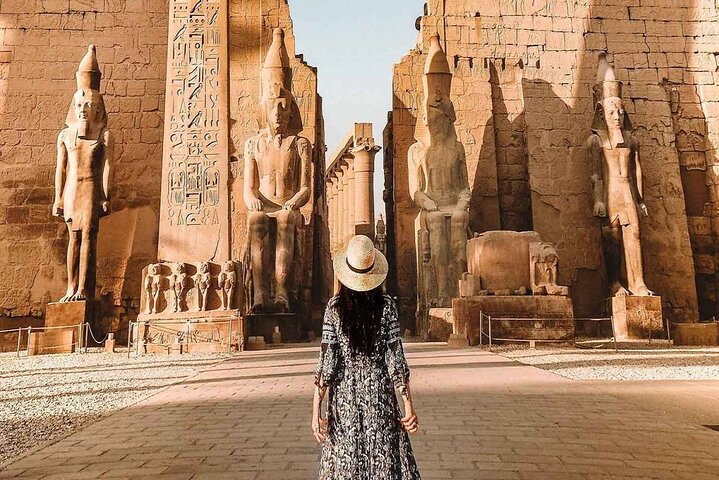
Constructed in the 14th century BC by Amenhotep III, the ninth pharaoh of the Eighteenth Dynasty. The Ancient Egyptian temple complex of Luxor was founded in 1,400 BC and was expanded by 18th Dynasty Pharaohs Amenhotep III and Tutankhamun, and later by Ramesses the Great, and under the Roman Empire it was used as a fortress and government building. The Romans constructed a military fort around the temple that the Arabs later called Al Uqsur , which was later corrupted to give modern Luxor its name. The Temple was also known as the Southern Sanctuary, its main function was during the annual Opet celebrations, when the statues of Amun, Mut and Khonsu were brought from Karnak, along the Avenue of Sphinxes, and reunited here during the inundation. In the 14th century, a mosque was built in one of the interior courts for the local sheikh Abu Al Haggag. Excavation works, begun in 1885, have cleared away the village and debris of centuries to uncover what can be seen of the temple today.
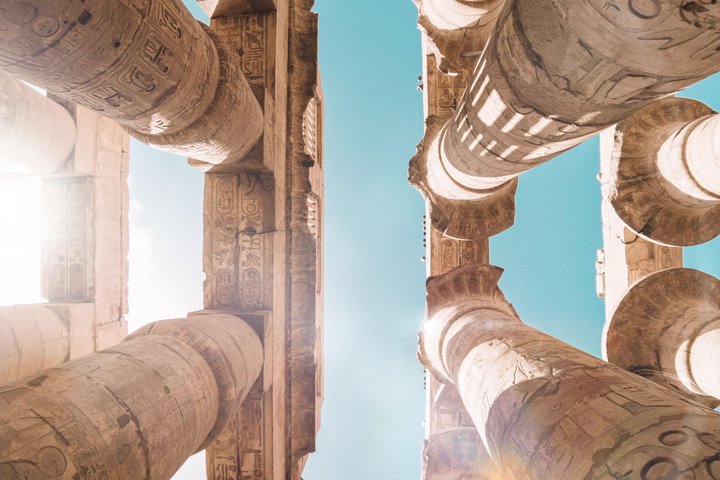
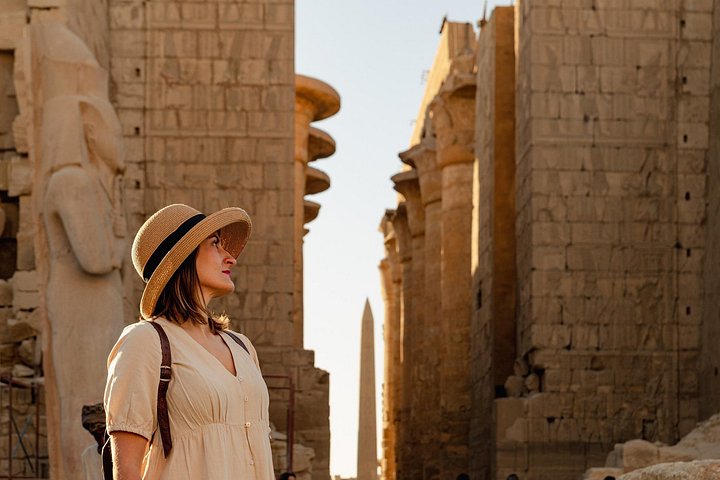
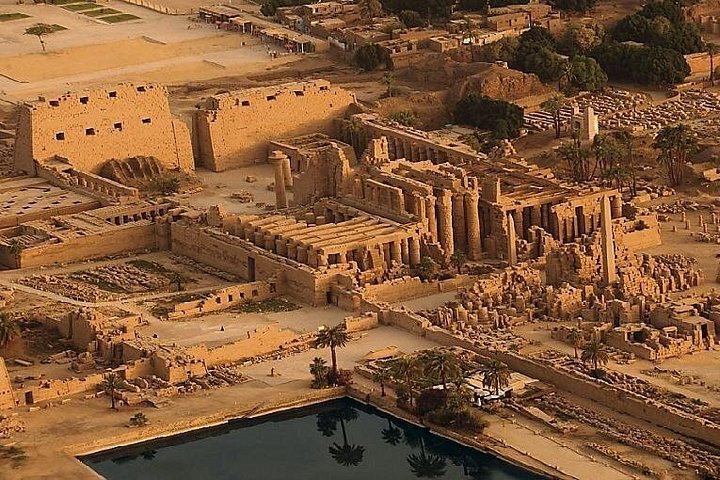
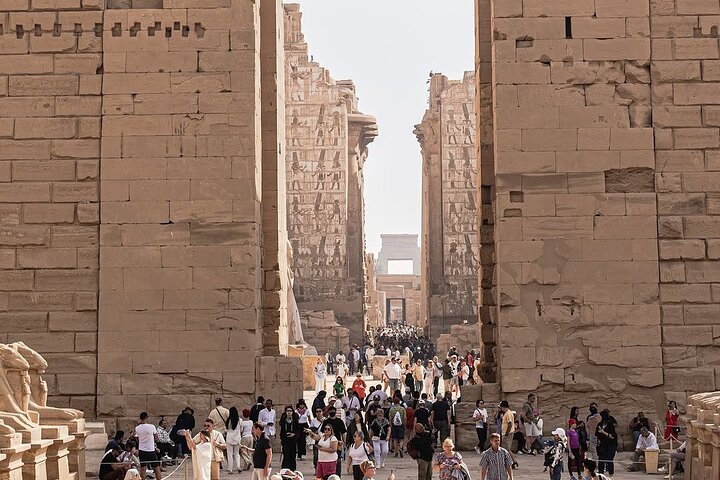
Sprawling over 2 square kilometres, the site known as the Karnak Temple was built in dedication to the god Amun and expanded by a succession of pharaohs, from those of the Middle Kingdom (1965-1920 BC) to the Ptolemaic dynasty (305 BC to 30 BC). The result is an incredible maze of temples, sanctuaries, sphinxes, columns and pylons amidst other ancient buildings and its name translates in Arabic as ‘fortified village’. One of the most important and impressive sites at the Karnak Temple complex is the Temple of Amun-Ra, with its world famous Great Hypostyle Hall. Debate still continues as to whether this looming structure with its 69 foot columns was created by Amenhotep III or Seti I, although it was completed by Ramses II.
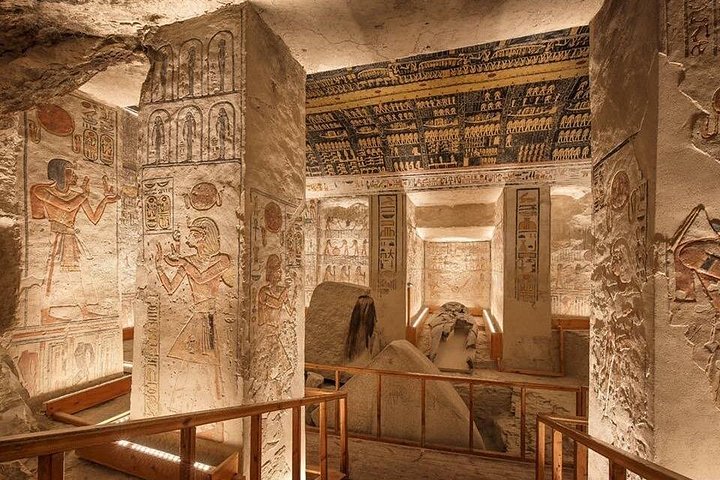
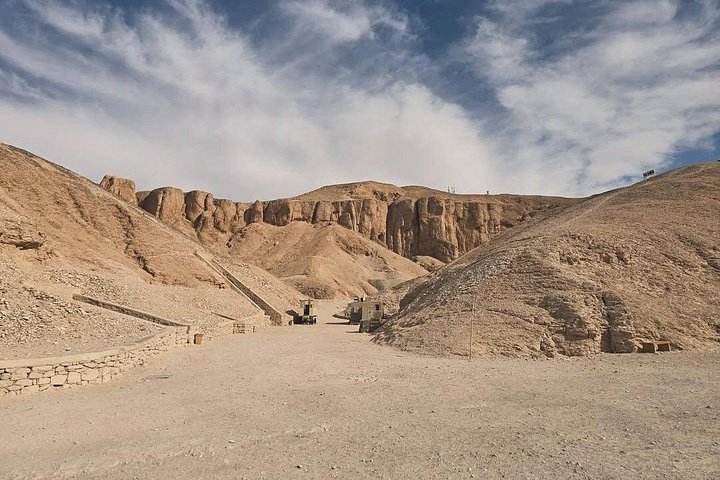
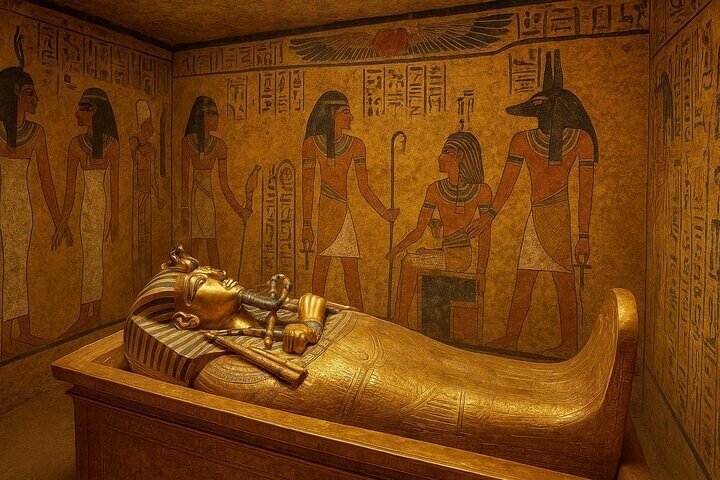
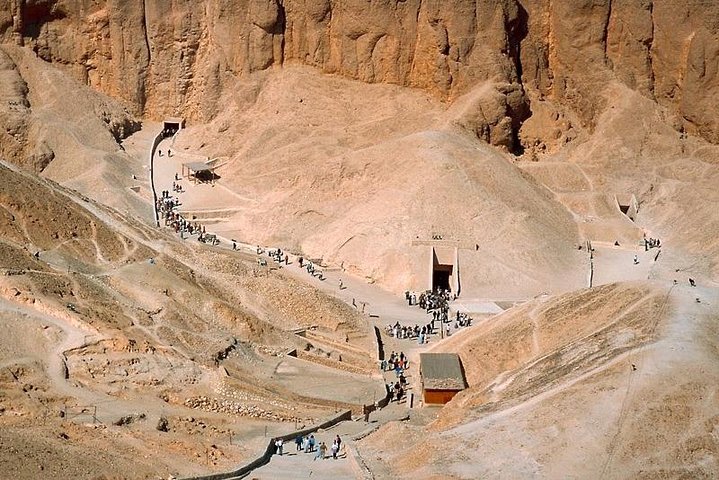
The Valley of the Kings was the burial site of almost all of the pharaohs of the 18th, 19th, and 20th dynasties (1539-1075 BCE), from Thutmose I to Ramses X. Located in the hills behind Dayr al-Baḥrī, there are 62 known tombs which are both geographically and ornamentally varied. Eighteenth Dynasty tombs include those of Amenhotep III (in the west valley), Hatshepsut, Thutmose III, and Thutmose IV. Some of the most famous figures of Ancient Egypt are buried at the Valley of the Kings, including the boy king Tutankhamun, Ramses the Great, Ramesses IV, and Tuthmosis III. Over time, most of the tombs at the site have been pillaged or, in the 21st century, systematically denuded of their contents as a means of protection. The only tomb which escaped this is the little tomb of Tutankhamun, which was protected by a pile of rock chippings thrown down from a later tomb.
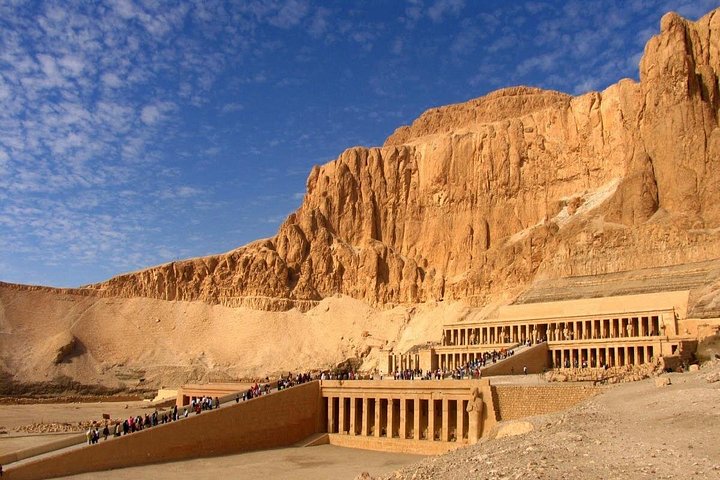
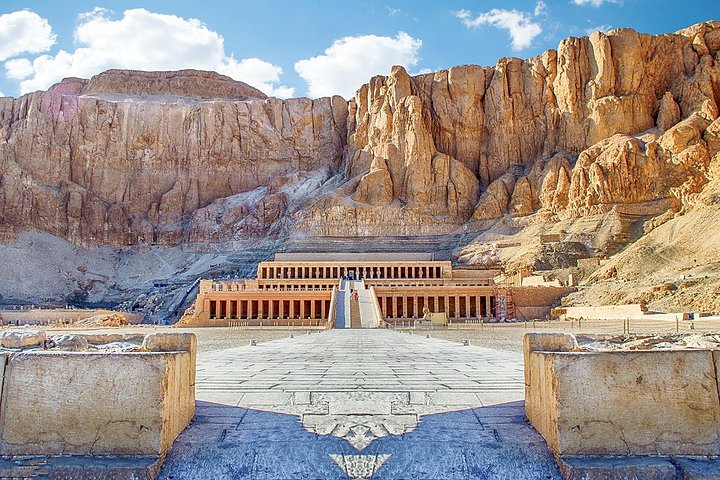
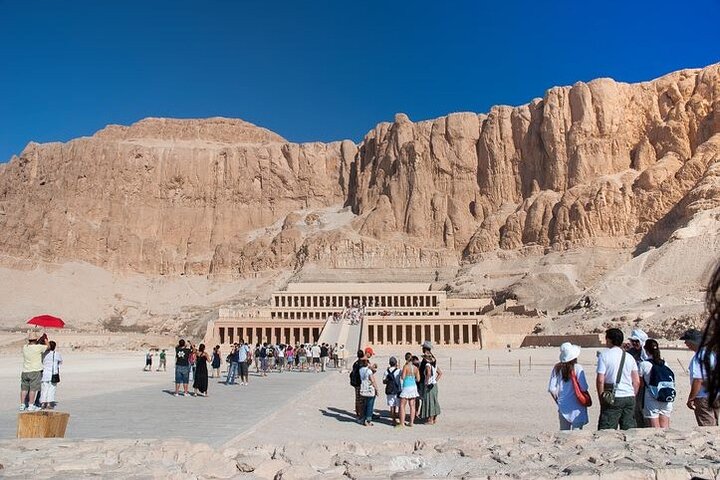
This extraordinary beautiful Hatshepsut temple is also known as Djeser-Djeseru that was built for the Eighteenth Dynasty “Pharaoh Queen Hatshepsut“. It is one of the incomparable temples of ancient Egypt that is considered to be the greatest ancient Egyptian achievements. It is dedicated to Hatshepsut and Amun. The Egyptian monarch had the duties to honor their gods and pharaohs and preserve their memory until eternity through the construction of tombs and temples. Queen Hatshepsut was always aware of the ways to elevate her public image and immortalize her name, the Mortuary temple achieved both ends. She was the daughter of a very powerful god in Egypt and that’s why she ruled as a man would. She ruled for about two decades.
These impressive statues represent Amenhotep III himself, the ninth pharaoh of the eighteenth dynasty (who reigned ca. 1391-1353 BC). In ancient times, they marked the entry point of the monarch’s funerary temple, which stretched for almost 1km in length, starting at the first pylon behind the colossi.
Cancellation
Free cancellation up to 24 hours before the experience starts, for a full refund.
Reviews
5.0
- 523
- 40
- 30
- 20
- 10
Ratings come from 23 reviews collected by our booking partner. They are travellers' own words, in the order they were written — never reordered to flatter the experience.
Know before you go
- Pickup
- Pickup is included for everyone.
- Ticket type
- Mobile or paper ticket accepted
- Group size
- Up to 20 travellers
- Operated by
- Enjoy Luxor Tours
- Wheelchair accessible
- Infants and small children can ride in a pram or stroller
- Public transportation options are available nearby
- Transportation options are wheelchair accessible
- All areas and surfaces are wheelchair accessible
- Suitable for all physical fitness levels
How it compares in Luxor
- Its from-price is 57% below the median of the 4411 experiences we list in Luxor.
- It is longer than most of them.
- By number of reviews it ranks 328 of 4411.
- The operator lists free cancellation on it.
About Luxor
Luxor stands on the site of ancient Thebes, with vast temples on the Nile's east bank and the royal tombs of the Valley of the Kings across the river.
On the east bank, the Karnak temple complex spreads across acres of pylons, obelisks and the forest of columns in its Great Hypostyle Hall. An avenue of sphinxes links it to Luxor Temple in the town centre, which is especially atmospheric when lit up in the evening. The Luxor Museum and the Mummification Museum sit along the riverside corniche.
Top-ranked sights in Luxor: Valley of the Kings, Temple of Hatshepsut (at Deir el-Bahari), Colossi of Memnon.
Special offers in Luxor
Was/now prices come from the operator, never from us.