Otaru: Day & Night Walk in a Nostalgic Historic Port Town
- 2h 30m
- Free cancellation up to 24h before
- Guided in English
- Instant confirmation
Highlights
Discover the romantic charm of Otaru, a historical gem in Hokkaido, through a guided walking tour that offers both daytime and nighttime experiences. Stroll along cobbled streets lined with architectural treasures, including the former Bank of Japan and the iconic Otaru Canal, where you can capture the city’s rich past. The evening tour reveals a quieter ambiance as you wander past softly lit buildings, creating a nostalgic atmosphere. Each tour includes insightful commentary from an English-speaking guide and admissions to key sites, allowing you to immerse yourself in Otaru’s cultural essence. - Explore Otaru's historical architecture during a guided walking tour - Daytime and nighttime options to experience the city’s charm - Includes visits to the Financial History Museum and Otaru Canal - Knowledgeable English-speaking guide for an enriching experience
Inclusions
What's included
- Guided walking tour
- English-speaking guide
What's not
- Personal food or drink expenses
Itinerary
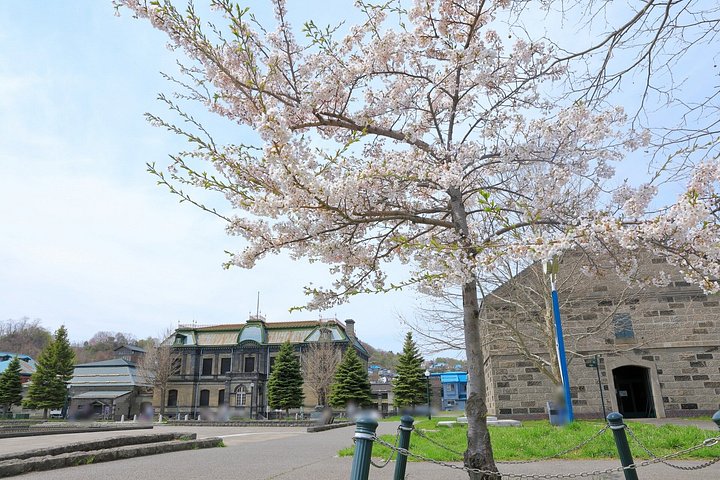
Otaru is a city built on commerce, and its buildings tell that story. From Meiji-era warehouses to Taisho-period merchant homes, the streets are filled with architectural treasures. Structures like the Old Isono Branch Warehouse and Former Oya Warehouse are more than relics—they are lasting symbols of a port town that once connected Japan to the world.
Once the financial heartbeat of Hokkaido, this stately stone building symbolizes Otaru’s role as a banking center in the early 20th century. Today, it houses the Financial History Museum, where visitors can explore Japan’s economic transformation through interactive exhibits and preserved architectural details. Its neoclassical facade, marble floors, and high ceilings reflect the city’s former wealth and global connections.
The Temiya Line is a disused railway that once linked Otaru to Hokkaido’s industrial and shipping networks. Now transformed into a peaceful walking path, it serves as a living reminder of the city’s role in early regional development. Lined with greenery and historical plaques, the route provides both a scenic stroll and a journey into the past.
Originally built for cargo transport, Otaru Canal has become the city’s most iconic sight. Stone warehouses now line its banks, repurposed as shops and restaurants, while antique-style gas lamps cast a romantic glow at night. Whether by day or under lights, the canal embodies Otaru’s blend of industrial heritage and nostalgic beauty.
Cancellation
Free cancellation up to 24 hours before the experience starts, for a full refund.
Know before you go
- Meeting point
- The meeting point is in front of the 7-Eleven Hokkaido ST Otaru store. Your guide will be waiting with a yellow sign. Please refer to the map for details.
- Pickup
- Everyone meets at the starting point; there is no pickup.
- Ticket type
- Mobile or paper ticket accepted
- Operated by
- DeepExperience
- Public transportation options are available nearby
- Suitable for all physical fitness levels
- The two tour options differ in both the places visited and the duration.
- The daytime tour lasts 2.5 hours, while the night tour lasts 1.5 hours.
How it compares in Otaru
- Its from-price is 68% below the median of the 24 experiences we list in Otaru.
- It is shorter than most of them.
- The operator lists free cancellation on it.
About Otaru
Otaru is a canal port on Hokkaido's west coast, with old stone warehouses, glassworks, music boxes and a street of sushi restaurants.
Otaru grew rich in the late nineteenth century as a herring and shipping port, and the stone warehouses along its canal, now cafés, galleries and shops, date from that time. Gas lamps line the canal at dusk, and Sakaimachi Street, with its Meiji-era banks and glass shops, runs inland. Outside the Otaru Music Box Museum stands a steam clock that vents steam and sounds a whistle.
Top-ranked sights in Otaru: Otaru Canal, Mt. Tengu (Tenguyama).
Special offers in Otaru
Was/now prices come from the operator, never from us.