Intense visit at Sachsenhausen concentration camp (private tour)
- 5h 30m
- Free cancellation up to 24h before
- 2 languages
- Instant confirmation
Highlights
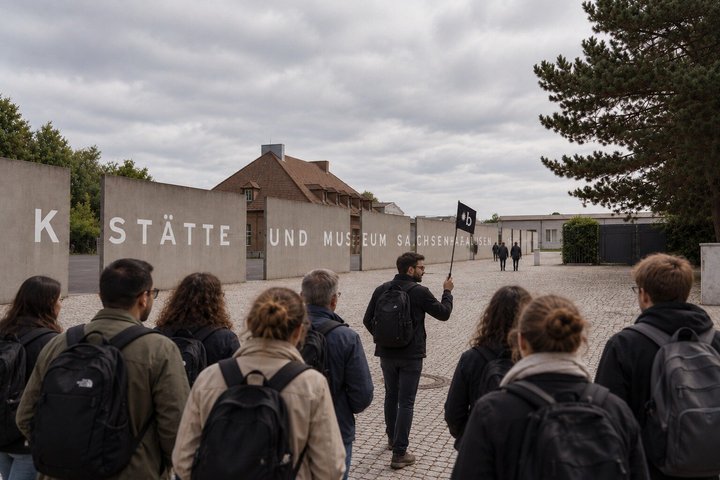
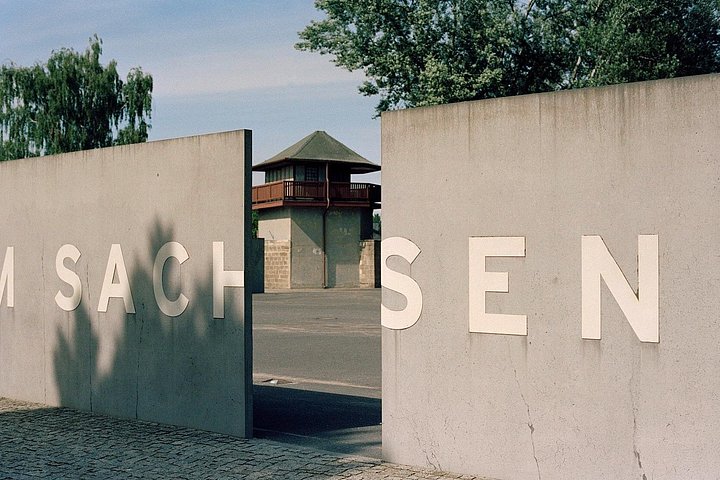
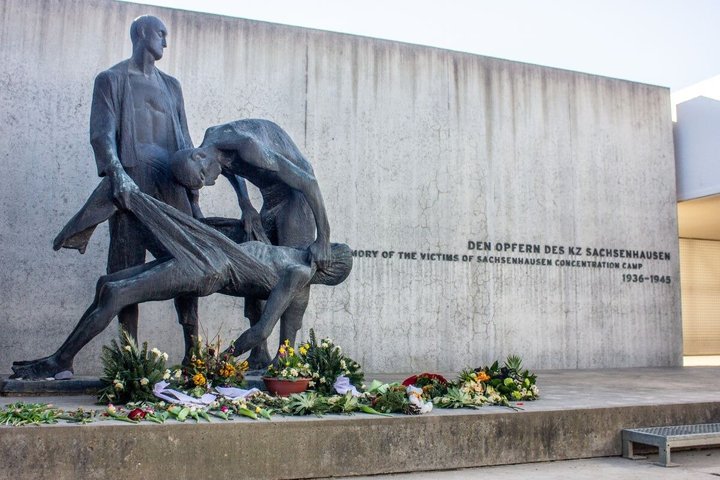
This tour focuses on the psychology and lives of both victims and perpetrators, exploring clues to the central question. It began with polarizing, violent, and stigmatizing words during the Weimar Republic and escalated over twelve years of dictatorship. The camp system started provisionally when Hitler came to power, evolving from the idea of “protective custody” to forced labor exploitation, and ultimately to the death camps of the “Final Solution.” Sachsenhausen existed for nine years. Originally planned for about 6,000 inmates, it eventually held over 40,000, with more than 50,000 people losing their lives there. In 1936 this model camp was built in the forest during the Berlin Olympic Games. Its architecture is a stark testament to the SS’s omnipotent control and the professionalization of terror. The tour is information-dense, covering multiple storylines that unfolded simultaneously at the camp. All guides hold the official certification of the memorial site.
Inclusions
What's included
- All Fees and Taxes
- Professional guide with the official license
What's not
- You should bring some water and a snack with you as there is not much to buy on the site
- Public transport - you need an ABC ticket. Recommended is a 24 hour option. Sums up max 10 € p.p.
- If you had a very good tour guides love tips
Itinerary
Meet your guide in front of the former imperial post office on Oranienburger Straße. Explore the neighboring New Synagogue—a remarkable architectural landmark in the heart of Berlin’s former Jewish quarter. Built when the German Empire was founded, it stands as a symbol of the integration and vibrant Jewish life that flourished during the German Empire and the Weimar Republic. Learn how, five years after the Nazi dictatorship came to power, open physical violence against Jewish Germans began. Discover why the largest synagogue in Germany, unlike many others, survived the pogroms of 1938. We will then follow the traces of thousands of arrested Jews to Sachsenhausen. The escalation of antisemitic terror took on a new dimension in 1938, a development that would culminate six years later in the murder of millions. From here we will do the train-ride in direction north to the town of Oranienburg.
From the station, we walk to the memorial site—following the same route prisoners were forced to take—and discuss the camp’s visibility and what its presence meant for the surrounding community. Oranienburg was strategically located: close to Berlin, on a major railway line to the Baltic Sea, and surrounded by local industries that both supplied and demanded forced labor. The town had already been the site of an early “wild camp” in 1933/34, and the castle was handed over to the SS as a garrison. The mayor actively promoted Oranienburg, and in 1936 it was chosen as THE location for the model camp of a new generation of concentration camps. Built with forced labor, it emerged at a time when the world was turning its attention to the "glorious" Olympic Games taking place nearby in Berlin. Learn why the U.S. Air Force carried out a heavy bombing raid on the area just one month before liberation.
We stop at today’s tax office, the former headquarters of the Inspectorate of the Concentration Camps, to talk about the central role Sachsenhausen played in the vast concentration camp system. From this building, the SS directed and administered more than 1,000 camps and subcamps across Europe. Here, you’ll learn about the rise of the “SS state” within the Nazi dictatorship—how the SS gradually pushed aside the Brownshirts, how Heinrich Himmler expanded the SS into a “state within a state” with nearly one million members, and how the concentration camp system was transformed into a highly organized and profitable instrument of exploitation.
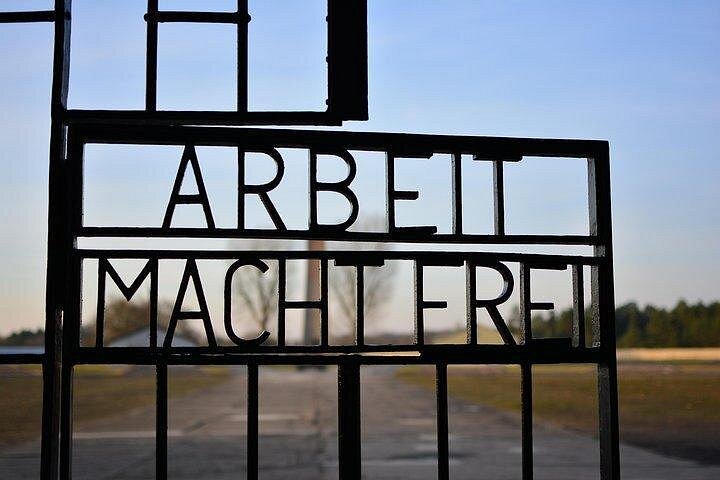
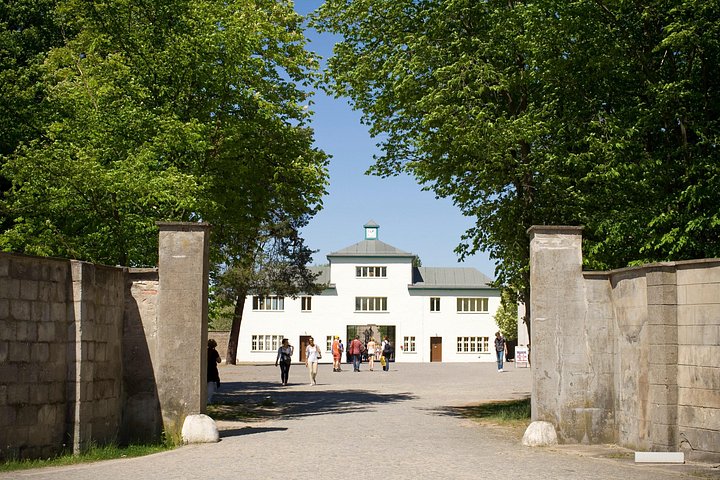
We will spend about two hours at the memorial site. The grounds are extensive, so we will need to do some walking. There will be an opportunity to take a coffee break. Along the way, we will stop at several locations and discuss the following topics. • Overview at the large entrance map • Tower A shows the perpetrators’ perspective • Pass through the infamous “Arbeit macht frei” gate • Enter the roll-call square • The dehumanizing “check-in” process • Violence dominated daily routines • “Shoe-testing” track as a nightmare job • Original barracks built like a cowshed • Cold, disease and starvation killed many • “Special prisoners” isolated in the Zellenbau • Survival strategies against all odds • Station Z – mass killing and cremation of tens of thousands • Infirmary as a site of medical crimes • The White Buses also reached Sachsenhausen • The bizarre camp brothel • Death marches before liberation • How German society faced this barbarism • How humankind can avoid repetition
It’s time to return to Berlin. We will make our way to Oranienburg train station and take the train back to the city.
Cancellation
Free cancellation up to 24 hours before the experience starts, for a full refund.
Reviews
5.0
- 51
- 40
- 30
- 20
- 10
Ratings come from 1 reviews collected by our booking partner. They are travellers' own words, in the order they were written — never reordered to flatter the experience.
Know before you go
- Meeting point
- MP is at the corner Oranienburger Strasse / Tucholskystrasse. Directly beside S-train exit "Oranienburger Strasse". In front of an impressing 19th century brick building (former imperial post office). The guide will be waiting with a very large umbrella in rainbow colors. WhatsApp possible.
- Pickup
- Everyone meets at the starting point; there is no pickup.
- Ticket type
- Mobile or paper ticket accepted
- Operated by
- WonderWhy Berlin Tours
- Wheelchair accessible
- Infants and small children can ride in a pram or stroller
- Public transportation options are available nearby
- Transportation options are wheelchair accessible
- All areas and surfaces are wheelchair accessible
- Suitable for all physical fitness levels
- Please note: we will do a trainride of 30 km (45 minutes) to the town Oranienburg. You need ABC tickets (not included) from lokal public transport company "BVG". Best option is often the 24 hour mini group ticket. On the site we will walk about 2-3 km.
How it compares in Berlin
- Its from-price is 15% above the median of the 82 day trips we list in Berlin.
- Its length is typical for the group.
- By number of reviews it ranks 57 of 82.
- The operator lists free cancellation on it.
About Berlin
Berlin is Germany's creative, open-minded capital, where landmarks of a turbulent history stand among art, green parks and legendary nightlife.
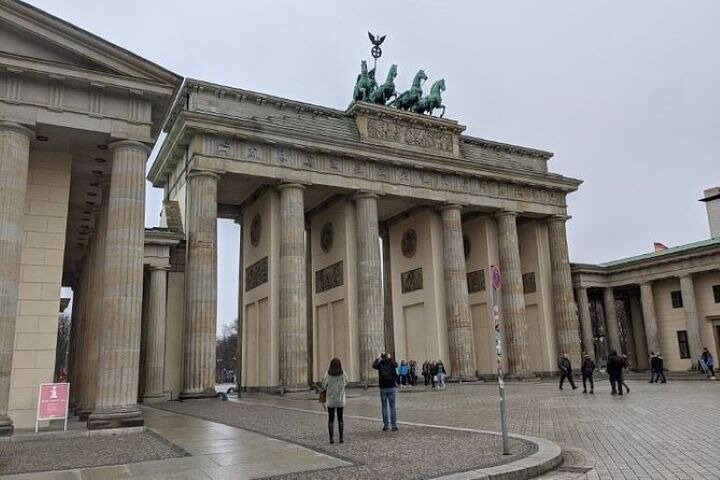
The Brandenburg Gate is the city's symbol, close to the glass-domed Reichstag and the Memorial to the Murdered Jews of Europe. Fragments of the Berlin Wall survive, most strikingly at the East Side Gallery, a long stretch covered in murals, and at the Bernauer Strasse memorial, while Checkpoint Charlie marks the most famous former crossing point.
Top-ranked sights in Berlin: Brandenburg Gate (Brandenburger Tor), Memorial to the Murdered Jews of Europe (Holocaust Memorial), Checkpoint Charlie.
Special offers in Berlin
Was/now prices come from the operator, never from us.

Similar experiences
![Deluxe Berlin: Hassle-Free Shore Tour from Warnemunde Cruise Port]() Likely to sell outFree cancellation
![The Memorial Tour: Visit to Sachsenhausen Concentration Camp (licensed guide)]() Free cancellation