Full Day Private Tour To Luxor From Aswan
- 12 hours
- Free cancellation up to 24h before
- 6 languages
- Instant confirmation
Highlights
Take a day trip from Aswan to Luxor and witness the splendor of ancient Egypt's most famous sites. Delve into the mysteries of the Valley of the Kings, admire the stunning Hatshepsut Temple, wander through the grand Luxor Temple, explore the vast Karnak Temple complex, and snap photos of the towering Colossi of Memnon. Our knowledgeable guides will provide fascinating insights into the history and significance of each location, making this day tour a truly memorable experience.
Inclusions
What's included
- Entrance fees
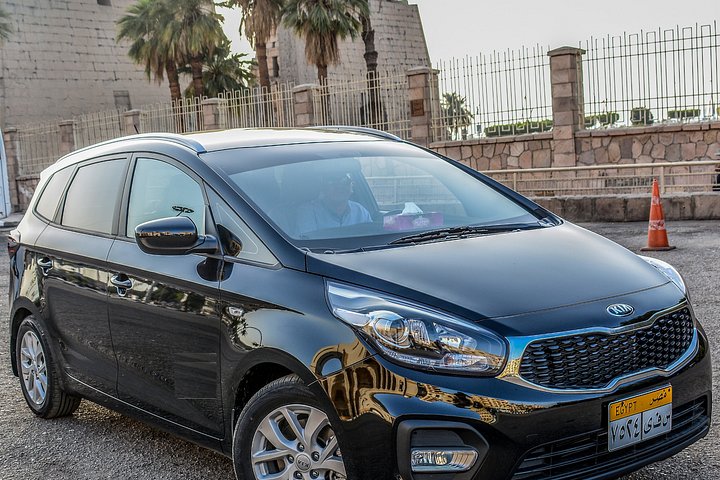
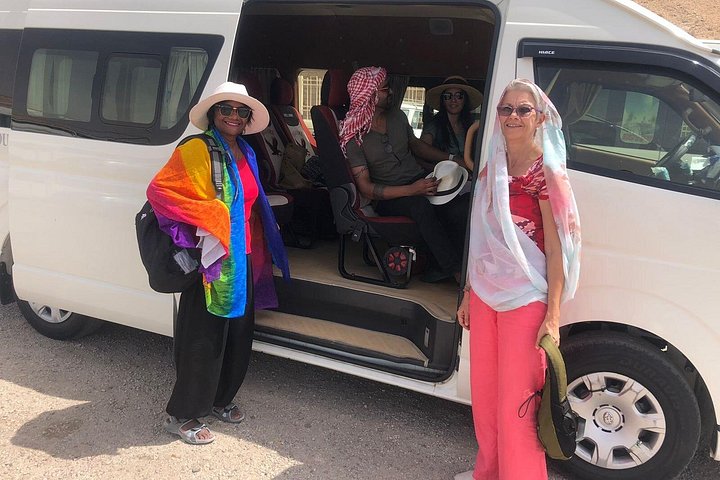
- Air-conditioned vehicle
- Tour Guide
- Lunch at Local Restaurant
- Bottle of water
What's not
- Tipping
Itinerary
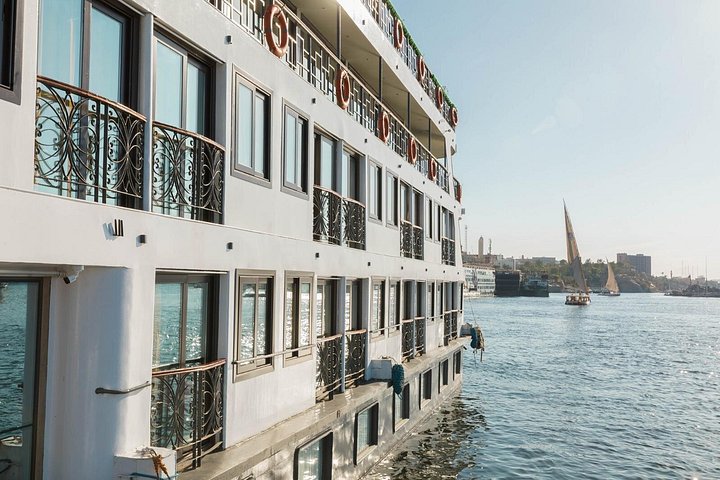
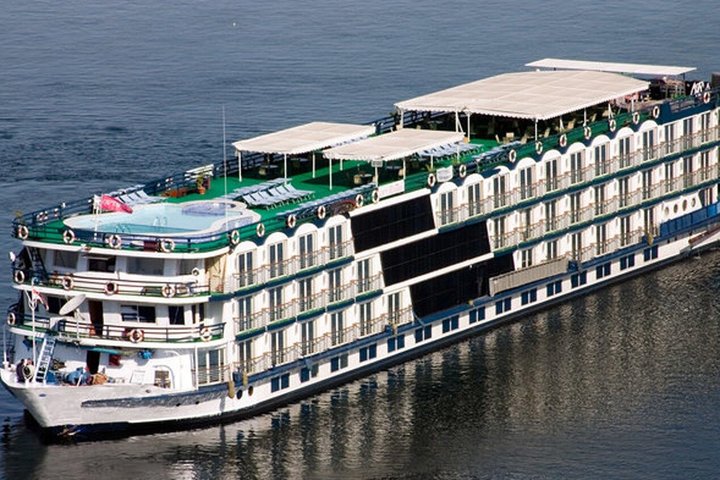
At 6:00 AM Pickup from your Hotel or Nile Cruise in Aswan by Tour guide then you will be transferred by Private A/C Vehicle to Luxor where it is 280 K/M North Aswan
The Valley of the Kings (Egyptian Arabic: وادى الملوك Wādī el-Mulūk; Coptic: ϫⲏⲙⲉ[1] Džēme [ˈʃɪ.mæ]), also known as the Valley of the Gates of the Kings (وادى ابواب الملوك Wādī Ebwāb el-Mulūk),[2] is an area in Egypt where, for a period of nearly 500 years from the Eighteenth Dynasty to the Twentieth Dynasty, rock-cut tombs were excavated for pharaohs and powerful nobles under the New Kingdom of ancient Egypt
The mortuary temple of Hatshepsut (Egyptian: Ḏsr-ḏsrw meaning "Holy of Holies") is a mortuary temple built during the reign of Pharaoh Hatshepsut of the Eighteenth Dynasty of Egypt.[b] Located opposite the city of Luxor, it is considered to be a masterpiece of ancient architecture.[c] Its three massive terraces rise above the desert floor and into the cliffs of Deir el-Bahari. Her tomb, KV20, lies inside the same massif capped by El Qurn, a pyramid for her mortuary complex. At the edge of the desert, 1 km (0.62 mi) east, connected to the complex by a causeway lies the accompanying valley temple. Across the river Nile, the whole structure points towards the monumental Eighth Pylon, Hatshepsut's most recognizable addition to the Temple of Karnak and the site from which the procession of the Beautiful Festival of the Valley departed. The temple's twin functions are identified by its axes: its main east-west axis served to receive the barque of Amun-Re at the climax of the festival.
The Luxor Temple (Arabic: معبد الأقصر) is a large Ancient Egyptian temple complex located on the east bank of the Nile River in the city today known as Luxor (ancient Thebes) and was constructed approximately 1400 BCE. In the Egyptian language it was known as ipet resyt, "the southern sanctuary". It was one of the two primary temples on the east bank, the other being Karnak.[1] Unlike the other temples in Thebes, Luxor temple is not dedicated to a cult god or a deified version of the pharaoh in death. Instead, Luxor temple is dedicated to the rejuvenation of kingship; it may have been where many of the pharaohs of Egypt were crowned in reality or conceptually (as in the case of Alexander the Great, who claimed he was crowned at Luxor but may never have traveled south of Memphis, near modern Cairo).
The Karnak Temple Complex, commonly known as Karnak (/ˈkɑːr.næk/),[1] comprises a vast mix of temples, pylons, chapels, and other buildings near Luxor, Egypt. Construction at the complex began during the reign of Senusret I (reigned 1971–1926 BCE) in the Middle Kingdom (c. 2000–1700 BCE) and continued into the Ptolemaic Kingdom (305–30 BCE), although most of the extant buildings date from the New Kingdom. The area around Karnak was the ancient Egyptian Ipet-isut ("The Most Selected of Places") and the main place of worship of the 18th Dynastic Theban Triad, with the god Amun as its head. It is part of the monumental city of Thebes, and in 1979 it was added to the UNESCO World Heritage List along with the rest of the city.[2] The Karnak complex gives its name to the nearby, and partly surrounded, modern village of El-Karnak, 2.5 kilometres (1.6 miles) north of Luxor.
The Colossi of Memnon (Arabic: el-Colossat or es-Salamat) are two massive stone statues of the Pharaoh Amenhotep III, which stand at the front of the ruined Mortuary Temple of Amenhotep III, the largest temple in the Theban Necropolis. They have stood since 1350 BC, and were well known to ancient Greeks and Romans, as well as early modern travelers and Egyptologists.[1][2] The statues contain 107 Roman-era inscriptions in Greek and Latin, dated to between AD 20 and 250; many of these inscriptions on the northernmost statue make reference to the Greek mythological king Memnon, whom the statue was then – erroneously – thought to represent.[
Transfer to your Hotel in Aswan or even to Aswan airport in case if you would leave Aswan on that day
Cancellation
Free cancellation up to 24 hours before the experience starts, for a full refund.
Know before you go
- Pickup
- Pickup is offered, or you can meet at the starting point.
- Ticket type
- Mobile or paper ticket accepted
- Operated by
- Book My Egypt Tours
- Public transportation options are available nearby
- Specialized infant seats are available
- Not recommended for travelers with spinal injuries
- Not recommended for pregnant travelers
- Not recommended for travelers with poor cardiovascular health
- Suitable for all physical fitness levels
- Entrance fees -Depending on the Tour Options Chosen
How it compares in Aswan
- Its from-price is 20% above the median of the 312 day trips we list in Aswan.
- It is longer than most of them.
- The operator lists free cancellation on it.
About Aswan
Aswan is Egypt's serene southern city on the Nile, where feluccas glide between granite islands, Nubian villages and palm-fringed riverbanks.
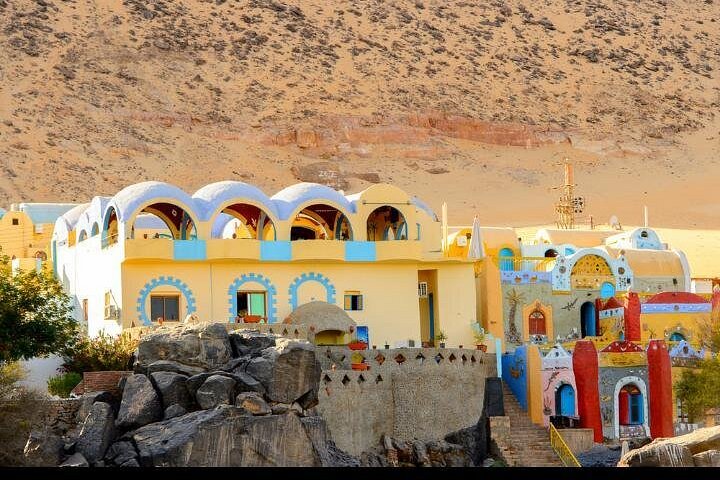
The Nile is at its most beautiful here, broken by granite boulders and green islands. Elephantine Island holds ruins of ancient temples and colourful Nubian villages, Kitchener's Island is covered by a botanical garden, and on the west bank the Tombs of the Nobles are cut into the cliffs of Qubbet el-Hawa, while the domed Mausoleum of the Aga Khan stands on a desert hill further south.
Top-ranked sights in Aswan: Abu Simbel Temples, Philae Temple (Temple of Isis), Aswan High Dam.
Special offers in Aswan
Was/now prices come from the operator, never from us.