15% offFree cancellation
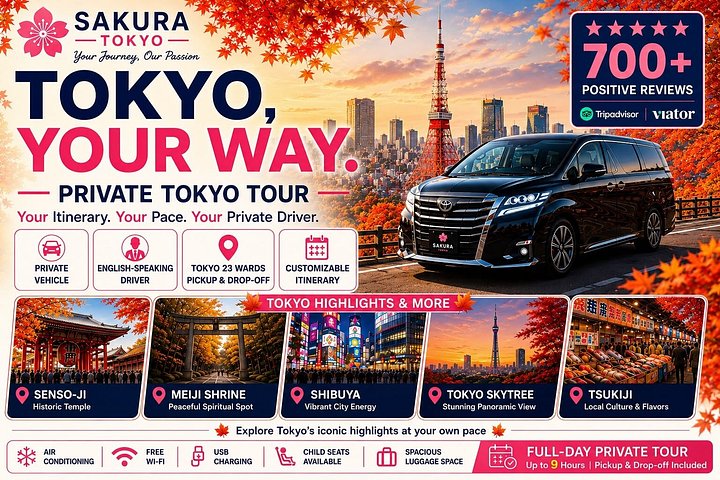
This 6 hr walking tour includes 60 min Soba making experience at SOBAGIRI. Before your Soba making experience, you will go on a walking tour with our licensed guide! Your guide will drop you off at SOBAGIRI after a 5 hour walking tour. Start time: Your start time for the experience may vary. The estimated time for the experience will be about 5 hours from the start of the tour. You can customize your tour directly with the guide after placing your reservation. Please craft your itinerary by choosing 3 to 4 spots on the ‘what to expect’ or ‘itinerary’ list.
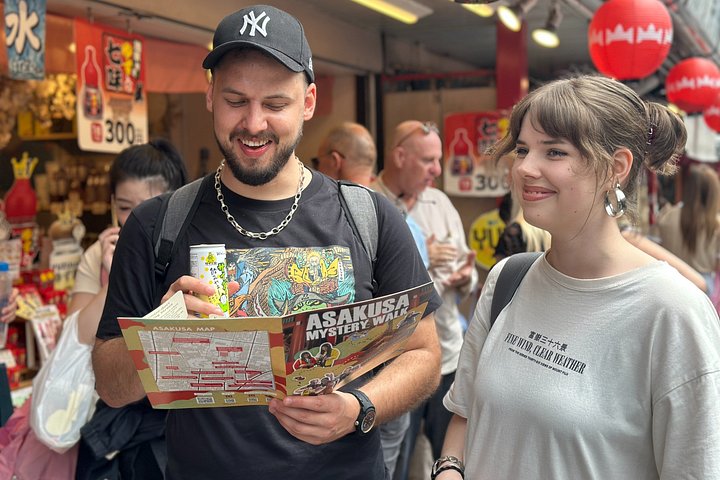
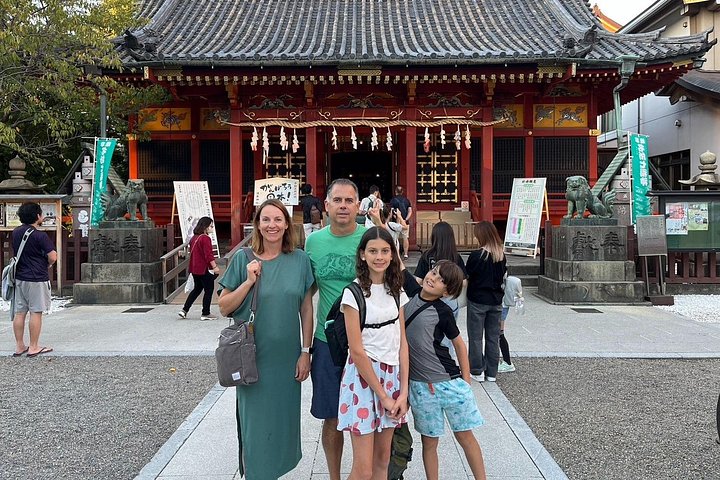
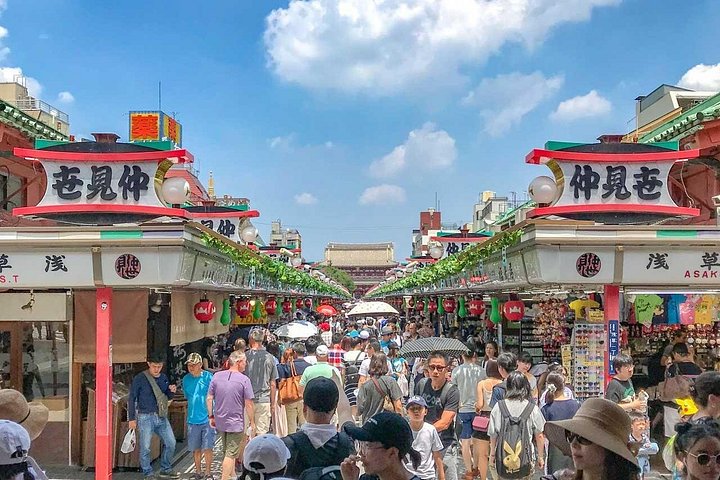
In Tokyo, Asakusa is the hub of the shitamachi district, which maintains an atmosphere similar to that of previous decades.
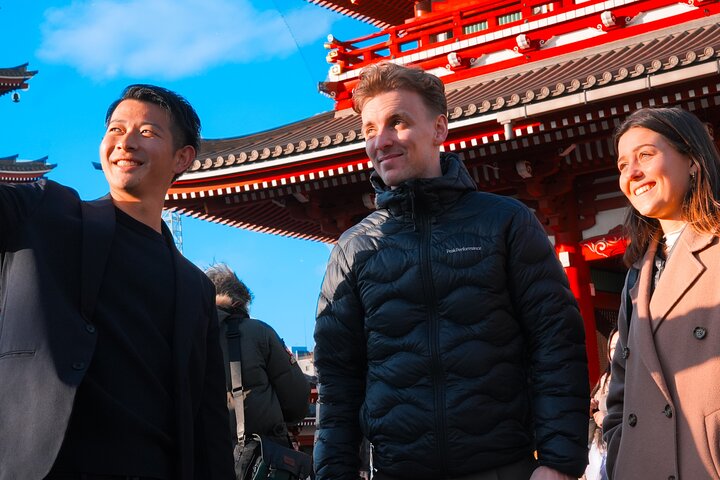
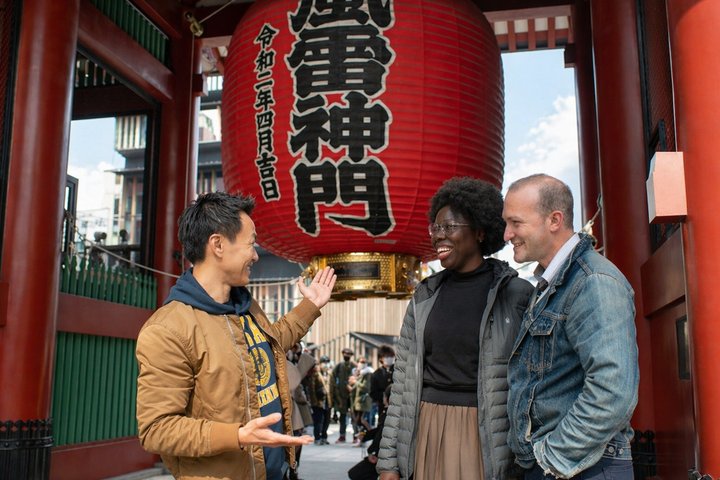
The Sensoji (...ea o, or simply SennAji), which is also called the Asakusa Kannon Temple, is a Buddhist temple in Asakuse. Among Tokyo's most famous and vibrant temples, it is one of the most colorful.
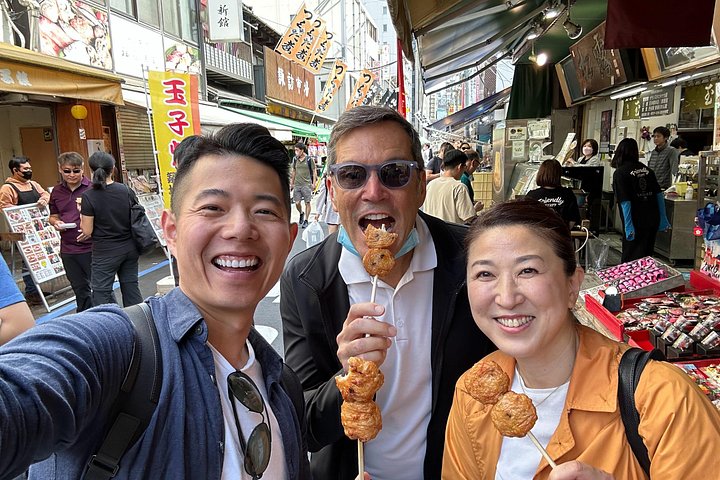
Explore the antique fish market in Tokyo! Tokyo Fish Market The Tokyo Fish Market is one of the oldest fish markets in the world. It is located in the heart of the city and is the only place in Japan where you can buy and sell fish. The fish market is open every day of the week from 9am to 6pm. You can also buy fish at the fish market at any time of the day or night.
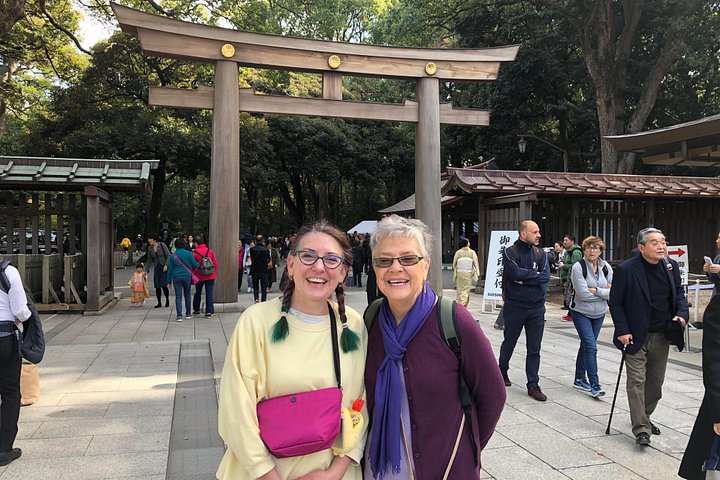
The Meiji JingA Shrine, also known as Z2cza, is dedicated to the spirits of Emperor Menji and his wife Empress Shoken. Located in the densely populated city, Meiji Shrine and Yoyogi Park are two of the many forested areas that surround the JR Yamanote Line's bustling Harajuku Station. A large area of shrine land with walking paths makes excellent for leisurely strolling. The shrine was finished and dedicated to Emperor Meiji and Empress Shoken in 1920, eight years after the deaths of the emperor and six years following the death of their mother. Despite being destroyed during the Second World War, the shrine was reconstructed soon after.
Tokyo's most extensive and well-liked parks include Shinjuku Gyoen. The park, which is just a short walk from Shinjuku Station, offers secluded surroundings with vast lawns, winding walking trails, and scenic views that make it incredibly peaceful. The cherry blossom season in spring puts Shinjuku Gyoen among the top places to enjoy. Adults must have a group of 500 (400) members, 65 and above; they must also have at least 250aaValid IDs. We request that you purchase a ticket at an available counter. Students must present 250 valid student identification to be eligible for admission, as per the new regulations. Purchasing a ticket at staffed counters is required. Children under 15 years old receive 0% off their admission.
Central Tokyo's Hama Rikyu is an expansive and visually stunning landscape garden. Positioned along Tokyo Bay, Hama Rikyu features seawater ponds that rise and fall, as well as an island-wide teahouse where guests can enjoy the natural beauty of the surrounding area. This traditional garden stands in stark contrast to the skyscrapers in the nearby Shiodome district. Admission fee 300JPY for adults, seniors (+65) and children under 12 years of age 150JpY with no admission fees.
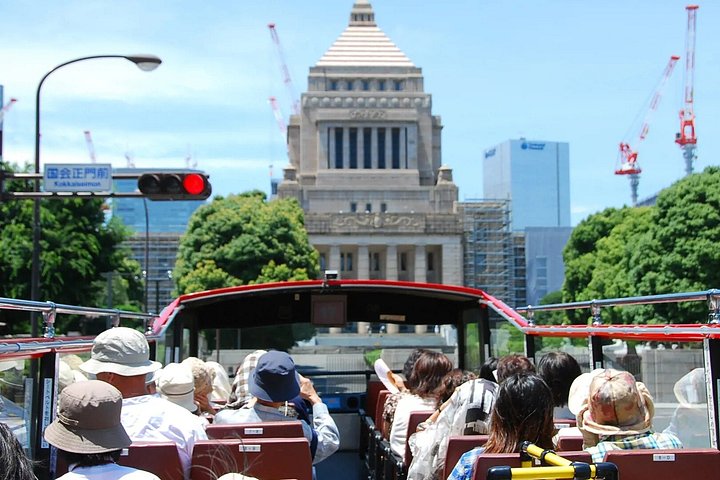
**This tour does not include access to the inside of the Imperial Palace** A short walk from Tokyo Station, the current Imperial Palace is situated in the center of Tokyo on the former site of Edo Castle (known as "the Great Park", after Yojibao), which was originally part of an area with moats and stone walls. Edo Castle, which was once the capital of the Tokugawa shogun, was used as their headquarters from 1603 to 1867. It is also the residence of Japan's Imperial Family. After the shogunate was toppled in 1868, the capital and imperial headquarters of the nation were relocated from Kyoto to Tokyo. In 1888, the construction of a new Imperial Palace was finished. During World War Two, the palace was destroyed and then reconstructed in the same style.
The most beautiful Japanese landscape garden in Tokyo is often referred to as Rikugien, which is also named Koishikawa Korakuen.88 famous poems are reproduced in miniature as Rikugien, a structure constructed for the 5th Tokugawa Shogun circa 1700. It is an Edo Period strolling garden with a large central "pond" set against artificial terrain and forest fringed by man made hills and trails, all trail-connected. Admission fee Adults 300 JPY Seniors (+65) 150 Children (12 and under) Free admission in park conditions!
Akihabara (秋葉原), also called Akiba after a former local shrine, is a district in central Tokyo that is famous for its many electronics shops. In more recent years, Akihabara has gained recognition as the center of Japan's otaku (diehard fan) culture, and many shops and establishments devoted to anime and manga are now dispersed among the electronic stores in the district. On Sundays, Chuo Dori, the main street through the district, is closed to car traffic from 13:00 to 18:00 (until 17:00 from October through March).
Yoyogi Park (代々木公園, Yoyogi Kōen) is one of Tokyo's largest city parks, featuring wide lawns, ponds and forested areas. It is a great place for jogging, picnicking and other outdoor activities. Although Yoyogi Park has relatively few cherry trees compared to other sites in Tokyo, it makes for a nice cherry blossom viewing spot in spring. Furthermore, it is known for its ginko tree forest, which turns intensely golden in autumn.
Koishikawa Korakuen (小石川後楽園, Koishikawa Kōrakuen) is one of Tokyo's oldest and best Japanese gardens. It was built in the early Edo Period (1600-1867) at the Tokyo residence of the Mito branch of the ruling Tokugawa family. Like its namesake in Okayama, the garden was named Korakuen after a poem encouraging a ruler to enjoy pleasure only after achieving happiness for his people. Koishikawa is the district in which the garden is located in.
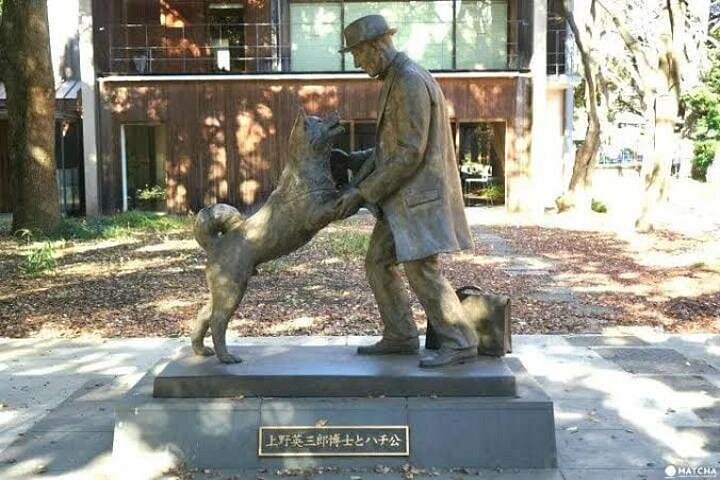
The Tokyo National Museum (東京国立博物館, Tōkyō Kokuritsu Hakubutsukan) is the oldest and largest of Japan's top-level national museums, which also include the Kyoto National Museum, the Nara National Museum and the Kyushu National Museum. It was originally established in 1972 at Yushima Seido Shrine and moved to its current location in Ueno Park a few years later. The Tokyo National Museum features one of the largest and best collections of art and archeological artifacts in Japan, made up of over 110,000 individual items including nearly a hundred national treasures. At any one time, about 4000 different items from the permanent museum collection are on display. In addition, visiting temporary exhibitions are also held regularly. Good English information and audio guides are available.
Free cancellation up to 24 hours before the experience starts, for a full refund.
Neon-lit districts, quiet shrines, superb food and distinct neighbourhoods make up Tokyo, a vast, orderly metropolis linked by punctual trains.
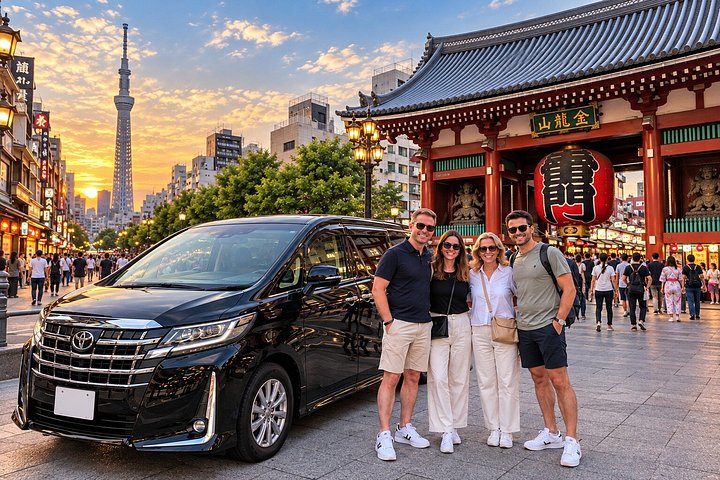
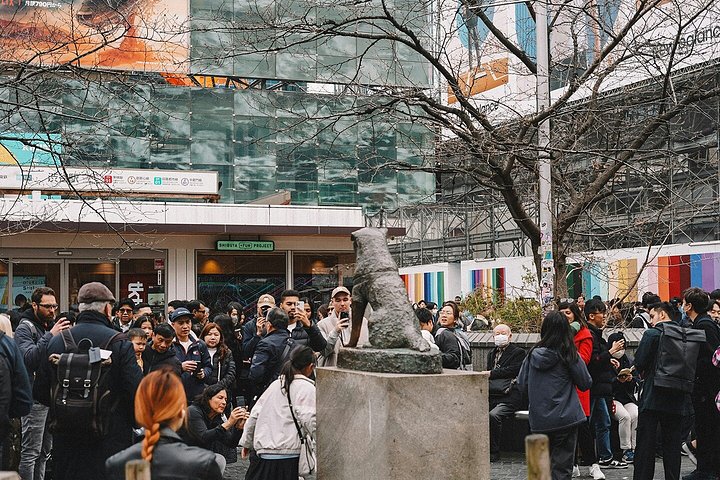
Every district feels like its own city. Shibuya's famous scramble crossing and Shinjuku's towers, bars and Golden Gai alleys pulse with energy, while Harajuku mixes youth fashion with the forested calm of the Meiji Jingu shrine. In Asakusa, the Sensō-ji temple and its market street keep an older Tokyo alive, and Ginza offers polished department stores and galleries.
Top-ranked sights in Tokyo: Senso-ji Temple (Asakusa Temple), Tokyo Imperial Palace, Meiji Shrine (Meiji Jingu).
Was/now prices come from the operator, never from us.

Add Ticket Hall to your home screen
Tickets and city guides, one tap away, even offline.
Ticket Hall