Samba Soul Tour
Descriptions come from the operator and are translated automatically.
- 4–5 hours
- Free cancellation up to 24h before
- 4 languages
- Instant confirmation
Highlights
Let's walk through the history of Samba, following the steps of this rhythm symbol of Rio cultural identity, icon of local african heritage and afro-brazilian resistance. Visiting the main cultural spots in Cinelandia and the Mauá Square, we talk about how the Portuguese culture developed carnival as a political party and samba as a afro-brazilian identity. Walk with us through the Portuary Zone to see the biggest open-air street art gallery and learn about cultural resistance at Pedra do Sal, icon of africanity in Rio. Let yourself vibrate with Carnival magic doing some steps and taking pictures with the colorful costumes at City of Samba, headquarters of the Samba Schools. The main idea is that you enjoy the stories that made Samba the soul of our lovely city. We want you to feel safe, confident and relaxed while we are going through the downtown area of the marvelous city.
Inclusions
What's included
- TRAM tickets
- City of Samba tickets
What's not
- Lunch
- Private transportation
Itinerary
Meeting point for the group. We went up to the museum terrace to have a panoramic view of Praça Mauá and Guanabara Bay. The museum is closed on Mondays.
Plaza Mauá marks the beginning of Avenida Rio Branco avenue and also of the Port Region. From 1910 on, with the inauguration of Porto do Rio ("Rio's Port"), it began an important place to welcome ships and brought tourists to the city. Around the square there are important buildings, such as the Rio Art Museum (MAR) and the Museum of Tomorrow, as well as the Night building, the first skyscraper of the city, built in 1930.
On the VLT (Tram) trip from Plaza Mauá to Samba City, we can see the old docks and the street art gallery on Olympic Boulevard.
Following the same exploratory tour, the Carnival Experience, promoted by Grande Rio Samba School, opens the workshop for visitors who want to know a little more about the creation and production of the parade, long before it takes place at Marquês de Sapucaí Sambadrome. This unique experience shows how the allegories and customs of the school are produced, the carnivalesque designs, how the customs and the assembly of the big cars are done by hand, and shows up close the hard work of the professionals involved in the production of a parade
Pedra do Sal, at Conceição hill, makes part of the region historically known as small Africa, that stretched from around Plaza Mauá to Cidade Nova. On the backyard, it has happened the rural samba, played with the hands, with tambourine, plate and knifes; and dancing with tap dancing, sieved and "umbigadas". It was there that was born the urban carioca samba, that came from "popular samba" and old ranches of the carnival.
We finish our tour celebrating black women and their role in samba music and afro Brazilian dance. At Largo da Prainha, you can grab a snack and some refreshments and get in the mood to join Pedra do Sal "roda de samba", living an authentic experience of Rio.
Cancellation
Free cancellation up to 24 hours before the experience starts, for a full refund.
Reviews
5.0
- 510
- 40
- 30
- 20
- 10
Ratings come from 10 reviews collected by our booking partner. They are travellers' own words, in the order they were written — never reordered to flatter the experience.
Know before you go
- Pickup
- Everyone meets at the starting point; there is no pickup.
- Ticket type
- Mobile or paper ticket accepted
- Group size
- Up to 15 travellers
- Operated by
- Alma Carioca Turismo
- Infants and small children can ride in a pram or stroller
- Public transportation options are available nearby
- Suitable for all physical fitness levels
How it compares in Rio de Janeiro
- Its from-price is 38% below the median of the 1667 experiences we list in Rio de Janeiro.
- Its length is typical for the group.
- By number of reviews it ranks 576 of 1667.
- The operator lists free cancellation on it.
About Rio de Janeiro
Rio de Janeiro sweeps between mountains and ocean, a city of famous beaches, granite peaks, samba rhythms and a carnival known around the world.
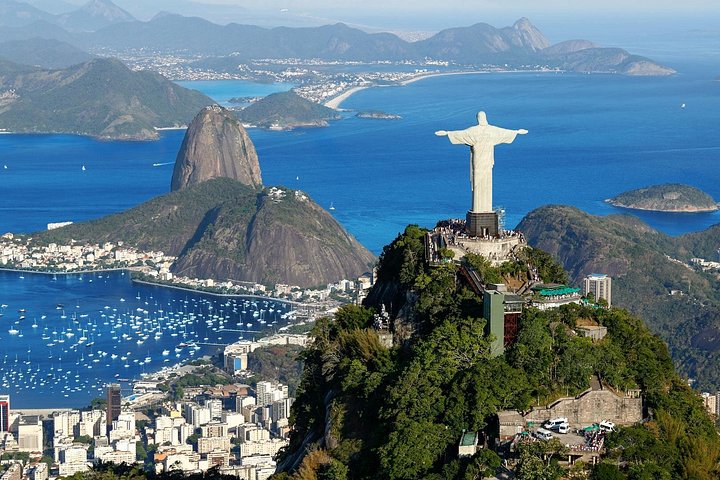
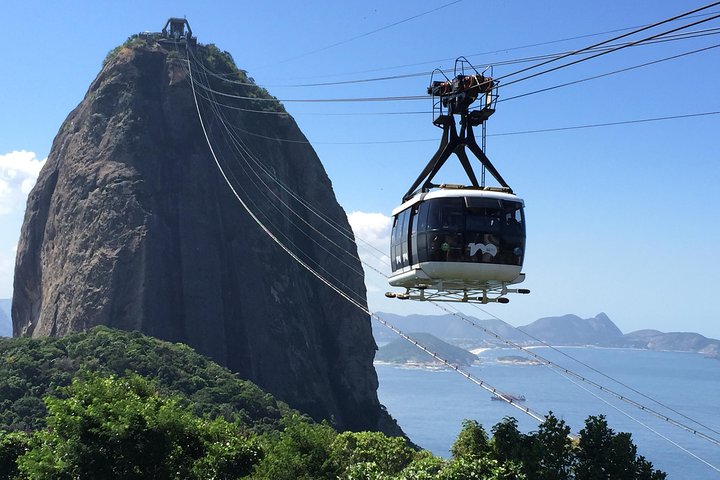
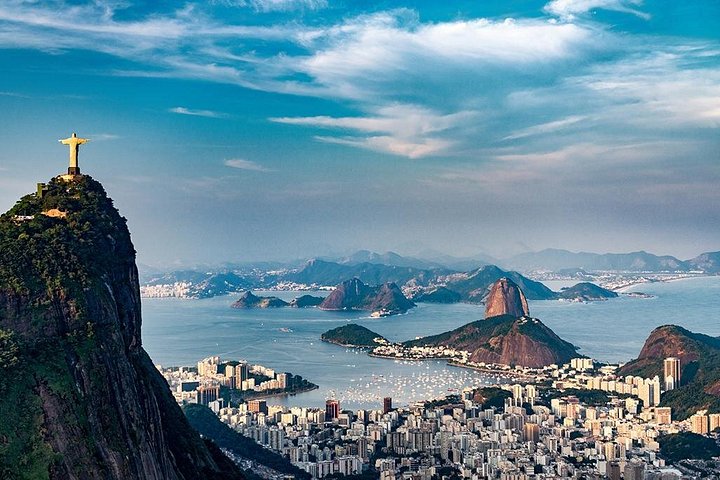
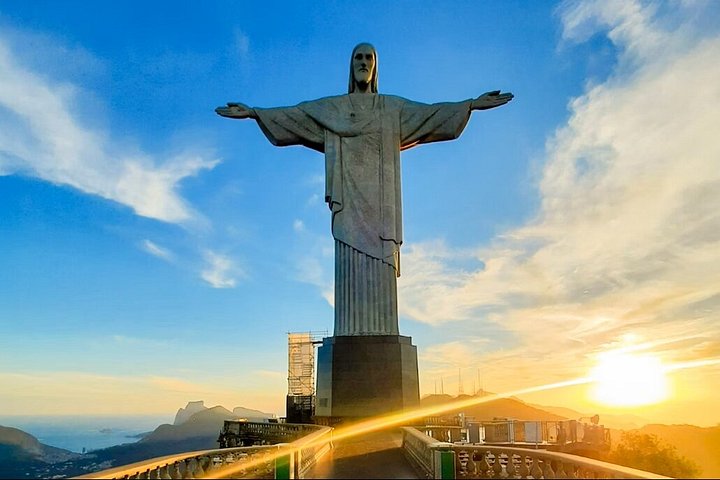
Christ the Redeemer stands with open arms atop Corcovado, looking down on the city, and cable cars climb Sugarloaf Mountain for views across Guanabara Bay. Below, the beaches of Copacabana and Ipanema are the stage for daily life, with volleyball, kiosks and the wave-patterned promenade, while Leblon and Arpoador extend the strip.
Top-ranked sights in Rio de Janeiro: Christ the Redeemer Statue (Cristo Redentor), Sugarloaf Mountain (Pao de Açúcar), Selarón Steps (Escadaria Selarón).
Special offers in Rio de Janeiro
Was/now prices come from the operator, never from us.


Similar experiences
 Free cancellation