Private tour: 4 Best Kamakura Destinations with a Certified Guide
- 4 hours
- Free cancellation up to 24h before
- Guided in English
- Instant confirmation
Highlights
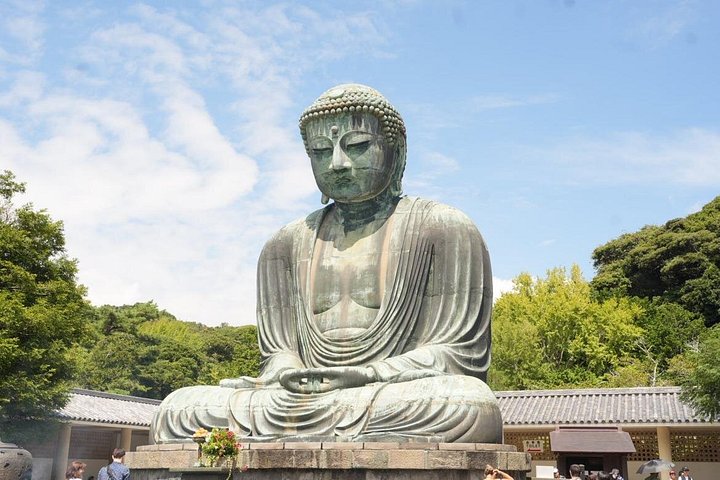
Visiting the first capital of Japan established by the Samurai government, tourists will feel the history and religeous beliefs nartured by the opulent Samurai culture: Visitors will be impressed by the following historical heritages: * Historic Zen Temples and Shrines: Explore ancient temples like Kencho-ji, Engaku-ji, and Hasedera, as well as shrines like Tsurugaoka Hachimangu, offering a glimpse into Japan's religious heritage. * Enormous Buddha: The iconic Great Buddha of Kamakura (Daibutsu) is a major draw for tourists, standing at 13.35 meters tall.* * Garden Walks: Relax and admire the serene beauty of traditional Japanese gardens at temples like Kencho-ji and Engaku-ji. * Proximity to Tokyo: Kamakura is easily accessible from Tokyo by train, making it a convenient day trip. We walk all the must-visit destinations efficiently in one day in this tour.
Inclusions
What's included
- Professional Fee for Certified Guide
What's not
- Train and bus fare, admission fees for temples
Itinerary
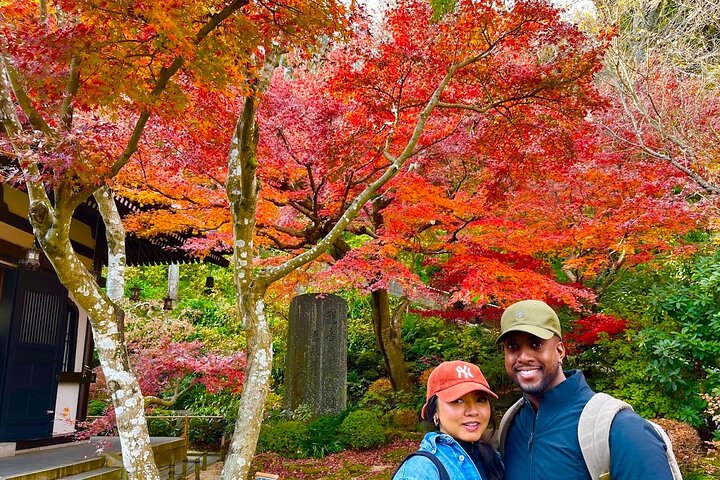
A Zen Oasis in Kamakura Kenchō-ji Temple is a must-visit destination in Kamakura. As the oldest Zen training monastery in Japan, it offers a unique glimpse into the country's rich Buddhist heritage. Here's why it's so appealing: * Historical Significance: Founded in 1253, Kenchō-ji is the largest and most influential of the Five Great Zen Temples in Kamakura. Its architecture and artifacts provide a tangible connection to the past. * Zen Gardens: Kenchō-ji is renowned for its meticulously designed Zen gardens. * Architectural Beauty: The temple's buildings, including the Sanmon Gate and the Main Hall, showcase traditional Japanese architecture. Their intricate details and craftsmanship are a testament to the skill of ancient artisans. For foreign tourists, Kenchō-ji Temple offers a chance to experience the tranquility and spiritual depth of Zen Buddhism in a beautiful and historically significant setting.
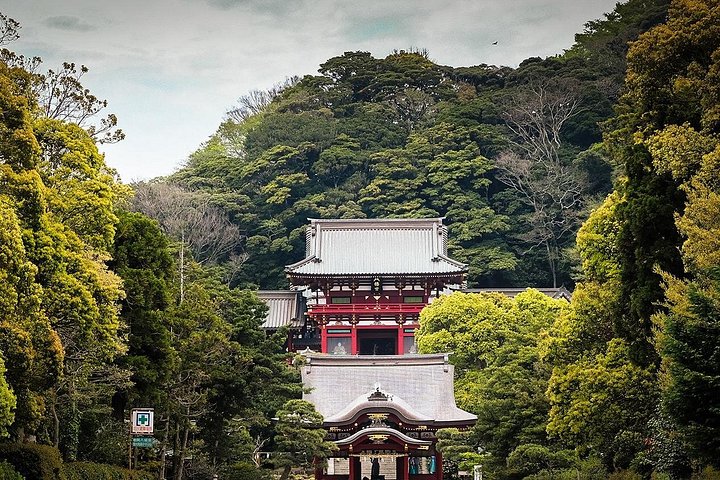
Trurugaoka Hachimangu Shrine is a renowned Shinto shrine located in Kamakura. Here are some of the attractions that make it a must-visit: Historical Significance * One of the Three Great Hachiman Shrines: Trurugaoka Hachimangu is one of the three most important shrines dedicated to Hachiman, the Shinto deity of war and wisdom. * Kamakura Period Influence: The shrine's architecture and history are deeply intertwined with the Kamakura Period (1185-1333), a time of great military and cultural significance in Japan. Architectural Beauty * Grand Main Shrine Building: The main shrine building is a magnificent example of Japanese architecture, featuring intricate carvings and traditional design elements. In summary, Trurugaoka Hachimangu Shrine offers a unique blend of history, culture, and natural beauty. It's a must-visit destination for foreign tourists seeking to experience the rich traditions of Japan.
Engaku-ji Temple: A Serene Haven for Foreign Tourists. * Rich History and Cultural Significance: Founded in 1282, Engaku-ji is one of the most important Zen temples in Japan. It is deeply connected to the Mongol invasions and it is a center of Zen Buddhism in Japan. * Architectural Beauty: Engaku-ji boasts impressive architecture, including a main hall, a pagoda, and a bell tower. These structures, combined with the temple's gardens and courtyards, offer a visual feast for visitors. * Stunning Views: The temple's location offers breathtaking views of the surrounding mountains and countryside. Visitors can enjoy panoramic vistas from the temple's grounds or take a leisurely walk through the nearby trails. Whether you're a history buff, a nature lover, or simply seeking a peaceful retreat, Engaku-ji Temple offers something for everyone. Its combination of historical significance, natural beauty, and cultural experiences makes it a truly unforgettable destination.
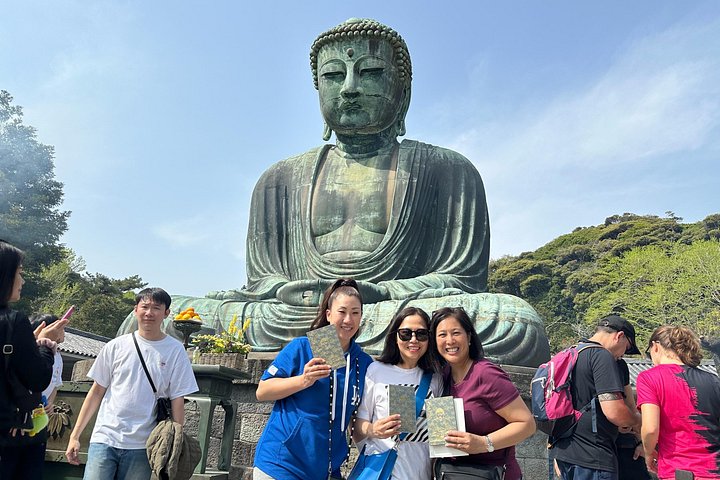
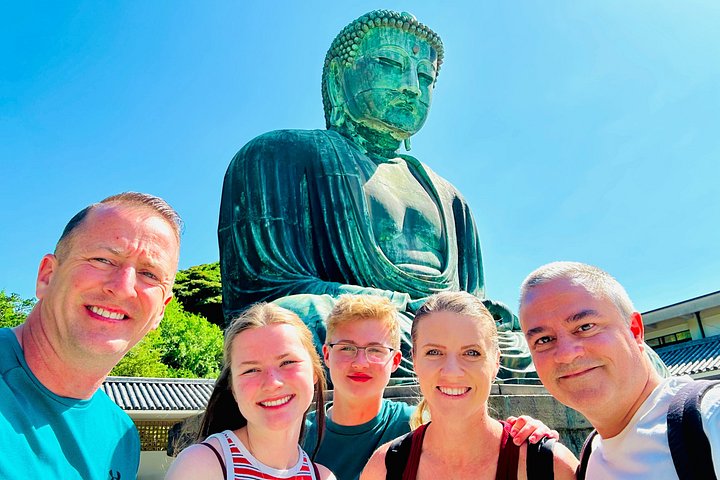
Great Buddha of Kamakura is a massive bronze statue with a height of 13.35 meters. It is one of the most iconic and recognizable symbols of Japan.
Cancellation
Free cancellation up to 24 hours before the experience starts, for a full refund.
Know before you go
- Meeting point
- The guide will meet the guests at the West Exit of JR Kita Kamakura Station.
- Pickup
- Everyone meets at the starting point; there is no pickup.
- Ticket type
- Mobile or paper ticket accepted
- Operated by
- 中島陽紀
- Public transportation options are available nearby
- Not recommended for travelers with spinal injuries
- Not recommended for pregnant travelers
- Not recommended for travelers with poor cardiovascular health
- Travelers should have at least a moderate level of physical fitness
How it compares in Kamakura
- Its from-price is 186% above the median of the 117 experiences we list in Kamakura.
- Its length is typical for the group.
- The operator lists free cancellation on it.
About Kamakura
Kamakura is a coastal town south of Yokohama, once Japan's samurai capital, known for the Great Buddha, Zen temples and surf beaches.
Kamakura was the seat of the first samurai government, from the late twelfth to the early fourteenth century, and its hills still hide dozens of temples and shrines. The Great Buddha at Kotoku-in, a bronze figure about eleven metres high, sits in the open air, and the broad avenue of Wakamiya leads from the beach to Tsurugaoka Hachimangu, the town's main shrine. Hasedera temple has a tall wooden statue of Kannon and a terraced garden above the sea.
Top-ranked sights in Kamakura: Tsurugaoka Hachimangu Shrine.
Special offers in Kamakura
Was/now prices come from the operator, never from us.