Kyoto & Uji: Full Day Sightseeing Tour from Osaka or Kyoto
- 9 hours
- Free cancellation up to 24h before
- 2 languages
- Instant confirmation
Highlights
Take a journey through time in Kyoto and Uji, where tradition harmoniously blends with modernity, and immerse yourself in the rich culture, history, and natural beauty. Explore the eight most famous scenic spots, Golden Pavilion & Kiyomizu-dera Temple & Ninenzaka and Sannenzaka & Yasaka Koshindo & Uji River & Uji Shrine & Byōdō-in Temple & Byodo-in Omotesando. Let's embark on a memorable journey with our friendly and professional guide.
Inclusions
What's included
- Air-conditioned vehicle
- Guide
What's not
- Lunch
- Kinkaku-ji, Kiyomizu-dera & Byodoin Temple Ticket
Itinerary
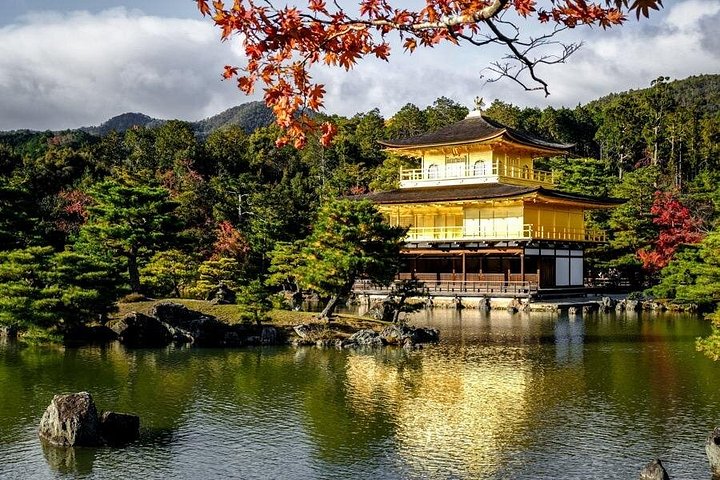
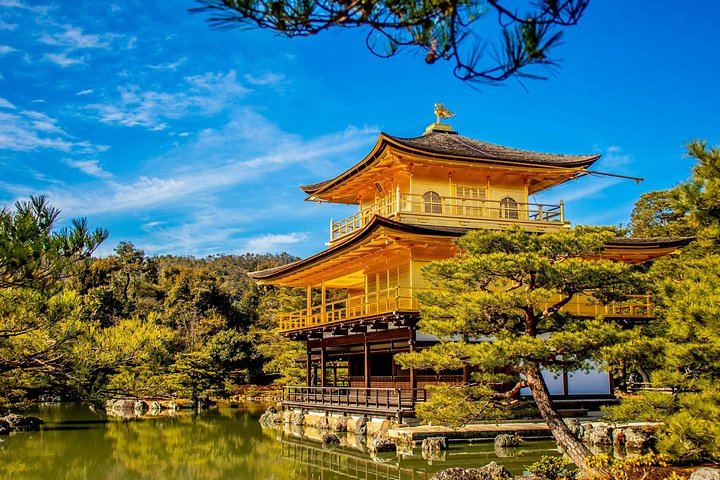
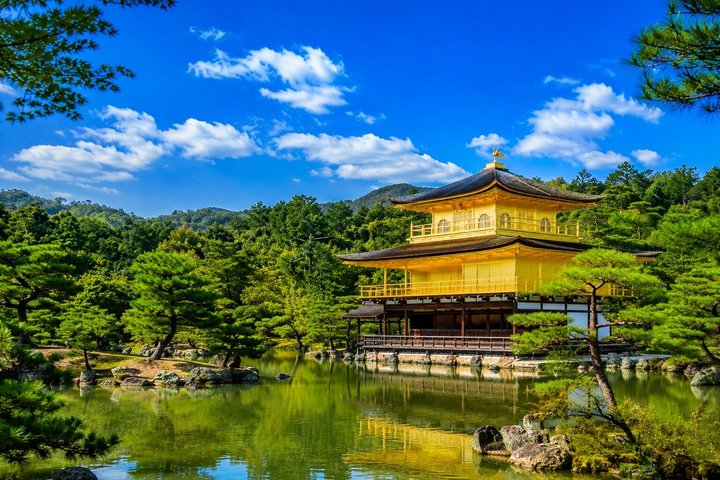
Kinkaku-ji (Golden Pavilion)is a Zen Buddhist temple in Kyoto, Japan. A breathtaking UNESCO World Heritage site renowned for its dazzling golden exterior and serene gardens. The name Golden Pavilion is derived from the gold leaf that the pavilion is covered in. The gold employed was intended to mitigate and purify any pollution or negative thoughts and feelings toward death. The Golden Pavilion is a three-story building on the grounds of the Rokuon-ji temple complex. Each floor has a different architectural style. The pavilion successfully incorporates three distinct styles of architecture, which are shinden, samurai, and zen.
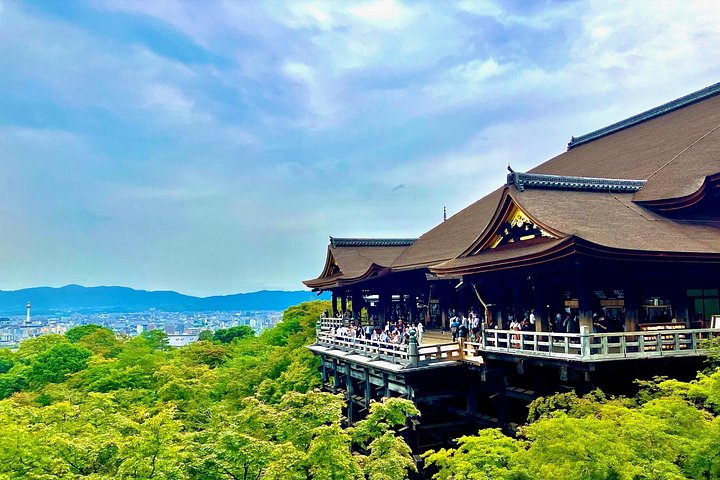
Kiyomizudera is one of Japan's most celebrated temples, recognized as part of the Historic Monuments of Ancient Kyoto UNESCO World Heritage Site. It was founded in 780 on the site of the Otowa Waterfall, located in the wooded hills east of Kyoto, from which it derives its name. The temple is particularly famous for its wooden stage that extends from the main hall, standing 13 meters above the hillside.This stage offers stunning views of the numerous cherry and maple trees below, which explode in vibrant colors during the spring and fall, as well as of the city of Kyoto in the distance. The main hall, along with the stage, was constructed without the use of nails and houses the temple's primary object of worship, a small statue of the eleven-faced, thousand-armed Kannon.
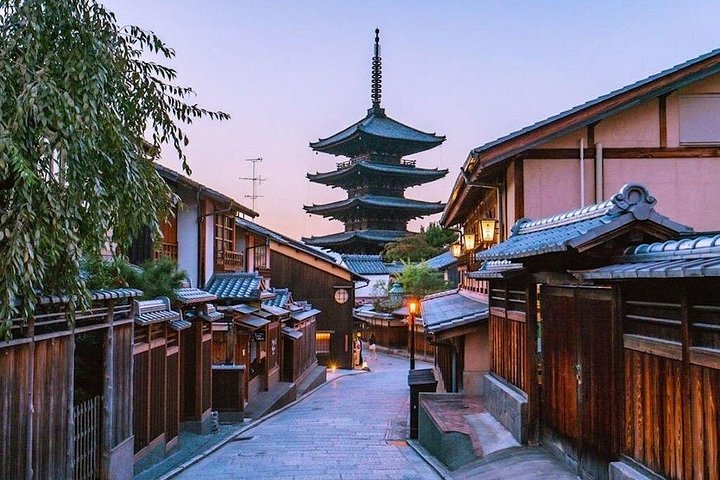
Ninenzaka and Sannenzaka have thrived since ancient times, allowing visitors to fully immerse themselves in the atmosphere of Kyoto. These sloping streets are lined with historic Japanese-style buildings that are characteristic of the city. Along the way, you'll find a variety of shops, including souvenir stores, shops selling various Japanese products, sweet shops, and restaurants.
Yasaka Koshindo, officially known as Daikokusan Kongoji Temple Koshindo, is a fascinating place to stop by on your way to Ichinenzaka. The temple is adorned with colorful and eye-catching“monkeys”, the monkey is considered a godly messenger, and there are three kinds of monkeys – “see no evil, say no evil, hear no evil” – seen everywhere, including the main hall. Visitors can write their wishes, along with the date and their name on a "monkey" painted in their favorite color.
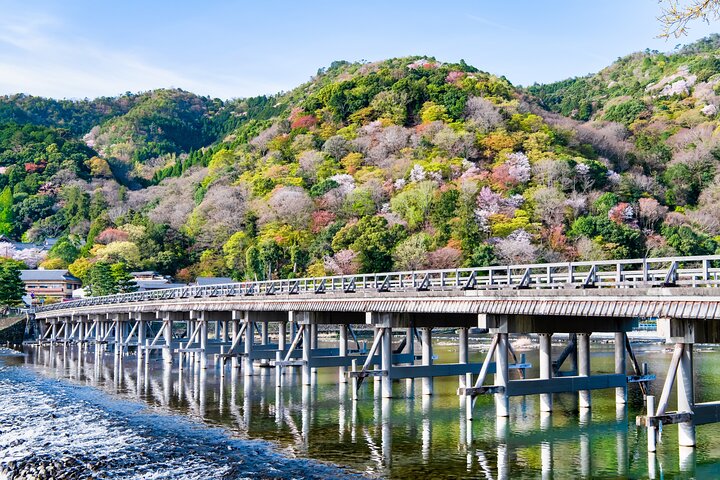
The Uji River is the only river that originates from Lake Biwa, the largest lake in Japan. It has served as an important waterway connecting Shiga and Osaka since ancient times. The river flows through Uji, dividing the city into two parts and serving as a central focal point, with most shops and restaurants located along its banks. Uji Bridge, the main passage over the river, is considered one of the three oldest bridges in the country.
Byodo-in Temple is one of Japan's best-preserved national treasures and a UNESCO World Heritage Site. The most iconic structure within the temple is the Phoenix Hall, which features wing-like corridors on either side of the central hall, resembling a phoenix spreading its wings, selected for the design as the obverse of the 10 yen coin.
Uji is renowned for its green tea production, and this charming street is lined with shops selling a variety of tea and tea-related products. It is a must-visit destination for anyone traveling to Uji, as it showcases Japan’s rich tea heritage and provides a glimpse into its fascinating history. As you stroll down the cobblestone path, the air is filled with the enticing aroma of freshly roasted tea leaves. Here you can try tea-flavored “dango” dumplings, noodles, ice creams, and donuts. Take your time to wander through the souvenir shops and eateries. At the end of the street, you will find a Starbucks that serves its popular Matcha Frappé.
Cancellation
Free cancellation up to 24 hours before the experience starts, for a full refund.
Reviews
4.7
- 536
- 41
- 32
- 21
- 11
Ratings come from 41 reviews collected by our booking partner. They are travellers' own words, in the order they were written — never reordered to flatter the experience.
Know before you go
- Meeting point
- To find your way, search for "Kyoto Station Hachijo Entrance Square Sunken Garden" on Google Maps. From the JR Tokai Kyoto Station Hachijo East Exit, go straight for 110 meters.
- Pickup
- Everyone meets at the starting point; there is no pickup.
- Ticket type
- Mobile or paper ticket accepted
- Group size
- Up to 45 travellers
- Operated by
- F Trip
- Infants are required to sit on an adult’s lap
- Not recommended for travelers with spinal injuries
- Not recommended for travelers with poor cardiovascular health
- Not recommended for pregnant travelers
- Public transportation options are available nearby
- Infants and small children can ride in a pram or stroller
- Suitable for all physical fitness levels
- Please indicate when booking if you're traveling with stroller or large luggage.
How it compares in Kyoto
- Its from-price is 69% below the median of the 213 day trips we list in Kyoto.
- Its length is typical for the group.
- By number of reviews it ranks 30 of 213.
- The operator lists free cancellation on it.
About Kyoto
Kyoto, Japan's imperial capital for over a thousand years, is a city of temples, gardens, wooden townhouses and refined traditions.
The city holds many of Japan's most treasured sites. Fushimi Inari Taisha's thousands of vermilion torii gates climb a wooded mountain, Kinkaku-ji's Golden Pavilion shimmers over its pond, and Kiyomizu-dera's wooden stage juts from the hillside above the city. The rock garden of Ryoan-ji and the mossy grounds of Ginkaku-ji invite quiet contemplation.
Top-ranked sights in Kyoto: Fushimi Inari Shrine (Fushimi Inari Taisha), Kinkaku-ji (Golden Pavilion), Kiyomizu-dera Temple.
Special offers in Kyoto
Was/now prices come from the operator, never from us.