Kyoto 360 - History, Heritage and Tradition.
Descriptions come from the operator and are translated automatically.
- 8 hours
- Free cancellation up to 24h before
- Guided in Spanish
- Instant confirmation
Highlights
The tour is unique because you not only walk through the streets of Kyoto, you relive them! Mix the story of samurai, monks and princes in a dynamic story, full of legends and curiosities, accompanied by interactive activities that will make you feel part of the Japanese past.
Inclusions
What's included
- Entrance fee - Additional costs (Temple Entrance and Transportation) JPY 1,630 per person
- Guide in Spanish
Itinerary
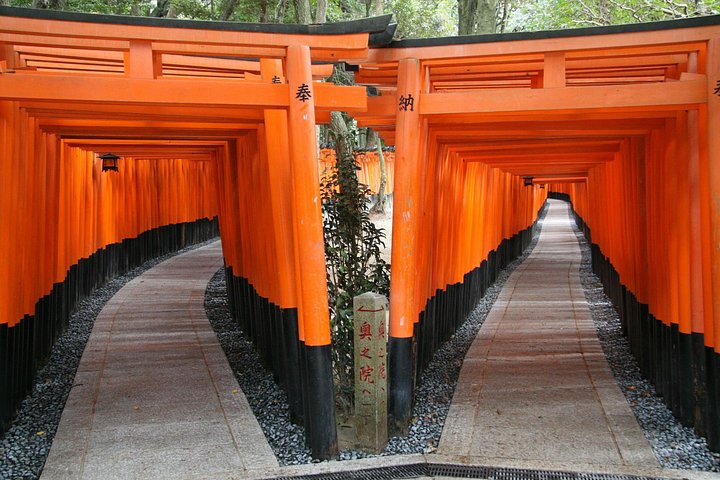
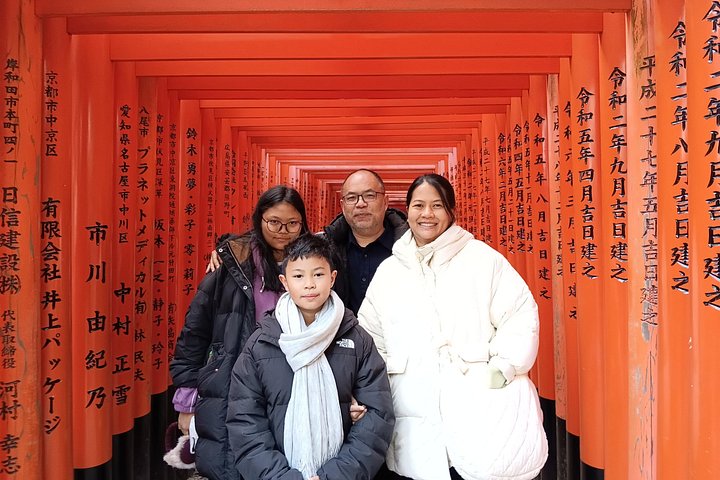
Fushimi Inari Taisha is one of the most famous Shinto shrines in Japan and a spiritual symbol of Kyoto. It is dedicated to Inari, rice deity, prosperity and business, so thousands of merchants and worshippers have made donations over the centuries. Its most characteristic image is the thousands of red torii that form magical trails through Mount Inari, creating one of the most photographed landscapes in the country. Along the route, which can last between two and three hours to the top, are small shrines, fox statues (kitsune) that are considered messengers of Inari, and viewpoints with views of Kyoto.
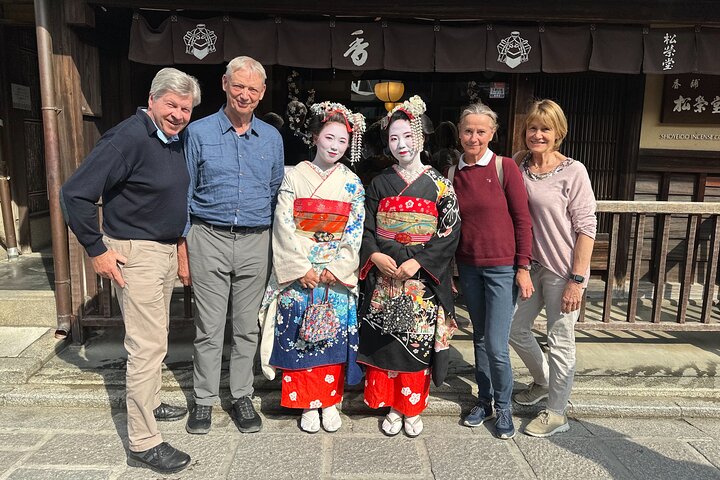
We will visit one of the oldest rivers in Kyoto, where the traditional machiya houses are still preserved. These old wooden residences were not only homes, but also places of rest and commerce for travelers and merchants of the time
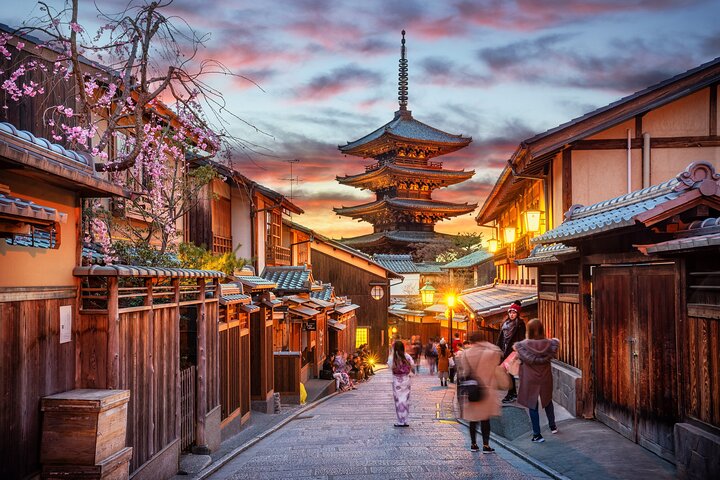
We will visit one of the most picturesque areas of Kyoto along with its traditional houses with the concept of machi-ya
At Chion-in, we will talk about how Buddhism came to Japan and the impact it had on the spiritual life of the country. We will also discover a curious connection with the ninjas, who found in some temples strategic allies and spaces to hide thanks to their unique architecture.
At Maruyama Park, we will pause to talk about Sakamoto Ryōma, one of the most revolutionary characters in 19th century Japan. We will learn about his history, his struggle for the modernization of the country and why his figure is still so admired in Japanese history
On charming Nene Street, we will stop to learn the story of Nene, one of the most influential women of the Sengoku period. Wife of Toyotomi Hideyoshi, his legacy goes beyond political power: we will talk about his wisdom, his role in wartime and the impact he left in Kyoto until today
We will talk about the Kōshin-dō temple, a colorful corner full of amulets called kukurizaru, which represent the desires we must learn to control. In addition, we will know the curious relationship of the temple with monkeys, symbols of self-control and spiritual messengers in this tradition.
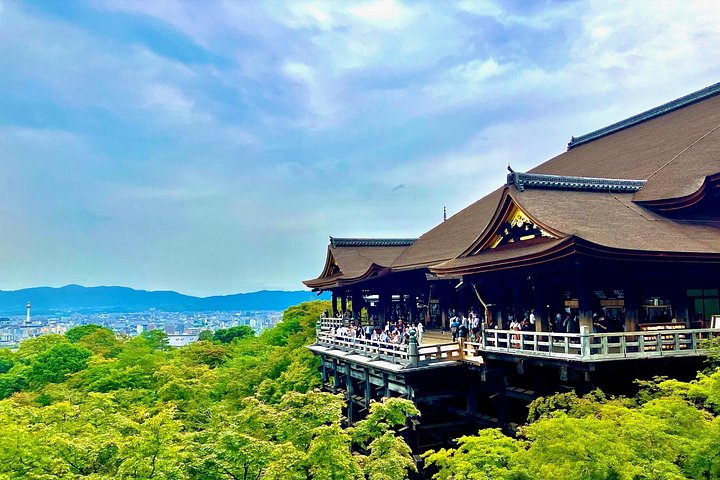
The Kiyomizu-dera is one of the most famous temples in Kyoto and a World Heritage Site. Founded in the 8th century, it stands out for its large wooden terrace supported on pillars, which offers spectacular views of the city and the cherry trees in spring or the momiji in autumn. Its name means “Temple of Pure Water”, inspired by the Otowa waterfall that still flows in the enclosure and to which spiritual properties are attributed. It is a place that combines history, spirituality and unique landscapes, being a must stop in Kyoto.
Nijō Castle, built in 1603, was the residence of the Tokugawa Ieyasu Shogun in Kyoto. Surrounded by walls and landscaped gardens, it preserves luxurious halls decorated with paintings from the Kanō school and the famous “nightingale floors”, designed to emit a crackle when walking and thus alert intruders. It is a symbol of the samurai power and architecture of the Edo period, now declared a UNESCO World Heritage Site.
Cancellation
Free cancellation up to 24 hours before the experience starts, for a full refund.
Know before you go
- Meeting point
- Kyoto station, front door. The Guide will be waiting for you with a blue flag.
- Pickup
- Everyone meets at the starting point; there is no pickup.
- Ticket type
- Mobile or paper ticket accepted
- Operated by
- Japandas
- Infants are required to sit on an adult’s lap
- Not recommended for travelers with spinal injuries
- Not recommended for travelers with poor cardiovascular health
- Not recommended for pregnant travelers
- Public transportation options are available nearby
- Infants and small children can ride in a pram or stroller
- All areas and surfaces are wheelchair accessible
- Transportation options are wheelchair accessible
How it compares in Kyoto
- Its from-price is 12% above the median of the 1713 experiences we list in Kyoto.
- It is longer than most of them.
- The operator lists free cancellation on it.
About Kyoto
Kyoto, Japan's imperial capital for over a thousand years, is a city of temples, gardens, wooden townhouses and refined traditions.
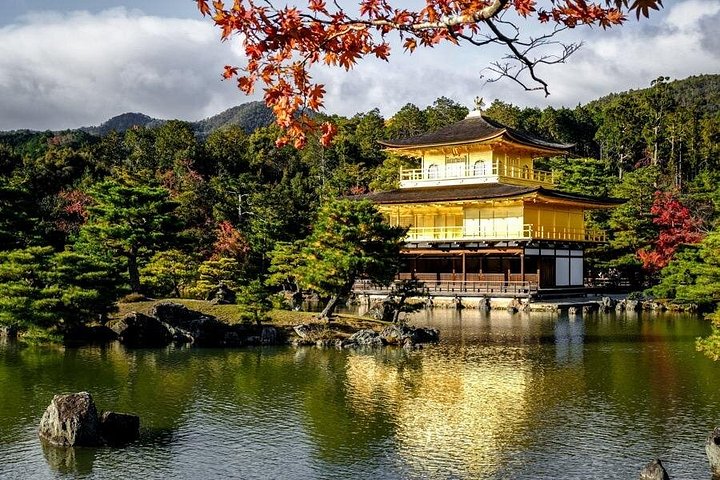
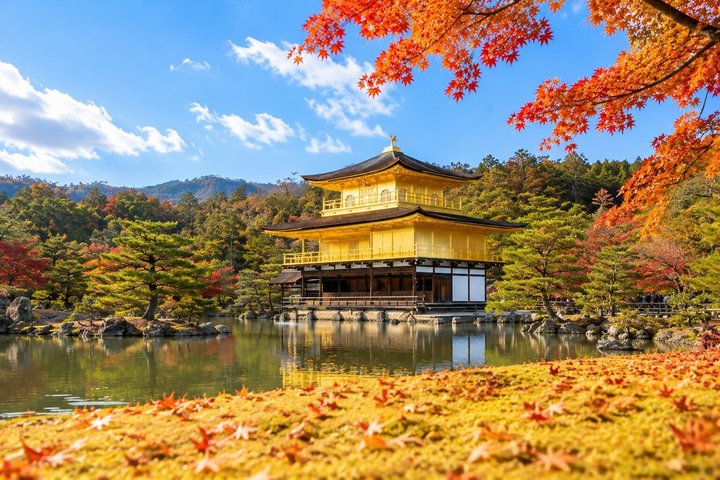
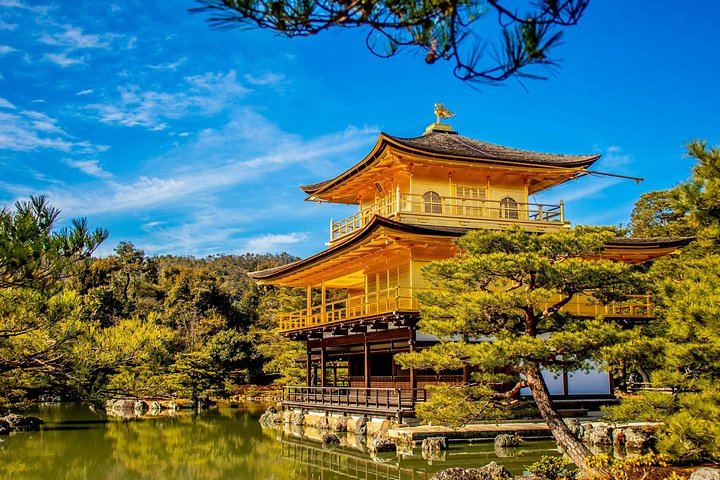
The city holds many of Japan's most treasured sites. Fushimi Inari Taisha's thousands of vermilion torii gates climb a wooded mountain, Kinkaku-ji's Golden Pavilion shimmers over its pond, and Kiyomizu-dera's wooden stage juts from the hillside above the city. The rock garden of Ryoan-ji and the mossy grounds of Ginkaku-ji invite quiet contemplation.
Top-ranked sights in Kyoto: Fushimi Inari Shrine (Fushimi Inari Taisha), Kinkaku-ji (Golden Pavilion), Kiyomizu-dera Temple.
Special offers in Kyoto
Was/now prices come from the operator, never from us.