8% offFree cancellation
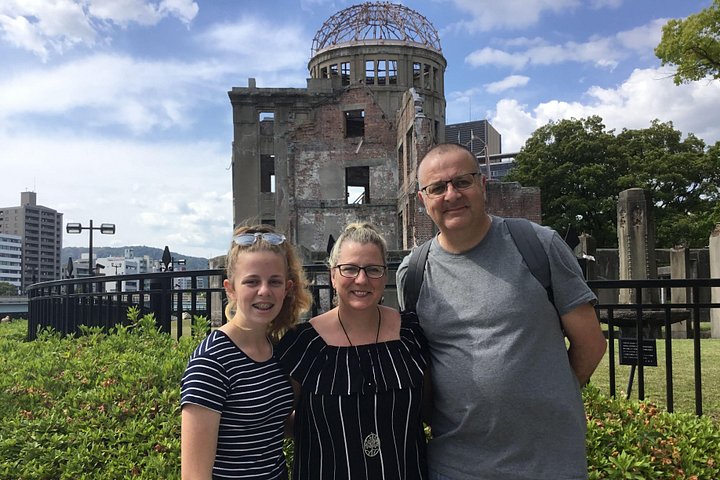
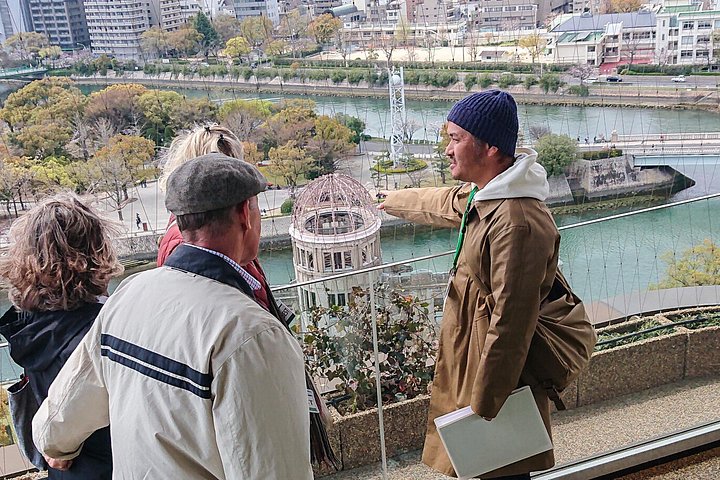
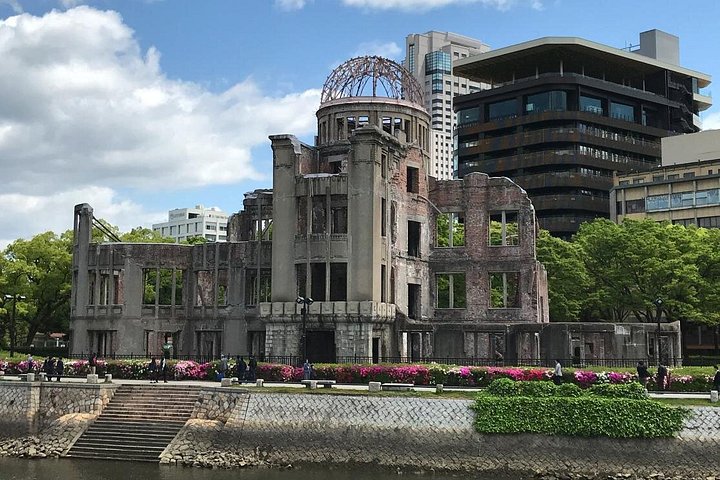
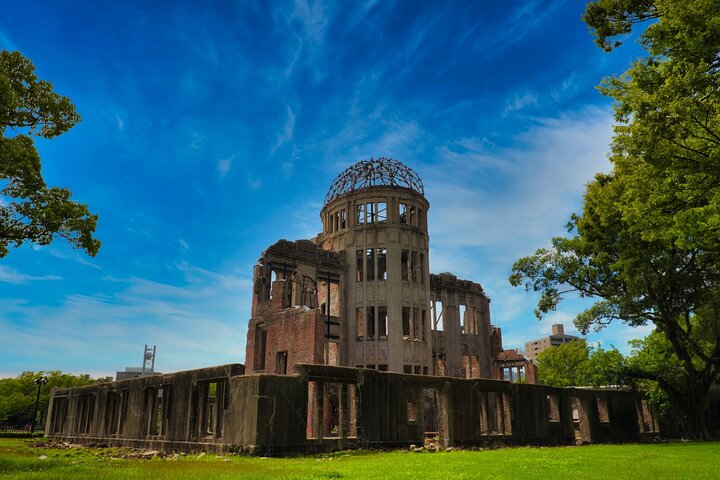
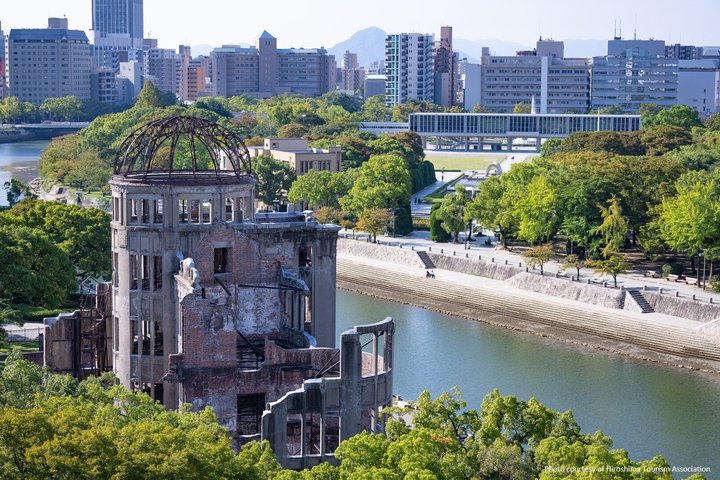
Discover the profound history of Hiroshima on this 3-hour guided walking tour. Begin at the Gates of Peace and delve into the city’s poignant past as you visit significant sites, including the Hiroshima Peace Memorial Museum, the Atomic Bomb Dome, the Hiroshima Peace Memorial Hall, and the Children's Peace Monument. This tour offers a profound understanding of the impact of bombing and the importance of peace through insightful cultural perspectives shared by your knowledgeable guide. Suitable for travelers of all ages, it's an essential experience for anyone visiting Hiroshima. - Visit poignant landmarks such as the Atomic Bomb Dome, Peace Memorial Hall, Hiroshima Peace Memorial Museum, and other monuments in the Peace Park. - Guided tour with expert insights on Hiroshima's history - Ideal for families; children 0-10 join for free -This private tour is exclusively for your group, allowing you to experience the journey together without any other participants.
The Gates of Peace were installed in 2005 to commemorate the 60th anniversary of the atomic bombing of Hiroshima. They were created by French artist Clara Halter and architect Jean-Michel Wilmotte as part of the international “Wall for Peace Project,” which aims to erect monuments inscribed with the word “peace” in cities around the world. The Hiroshima installation is a central element of this project, embodying a message of reconciliation and hope for humanity.
The “Mother and Baby in the Storm” statue is a tribute to all mothers who protected their children during and after the atomic bombing, and to the countless families torn apart by the tragedy. It stands as a silent message of peace and a vow to eliminate nuclear weapons, embodying the determination and hope of Hiroshima’s citizens.
The Prayer for Peace Fountain was constructed in November 1964 and donated to Hiroshima City by Hiroshima Bank. The fountain was built in dedication to the souls of atomic bombing victims who died crying, “Water, please, water,” and as a wish to console their spirits.
Learn about the extraordinary help that came from abroad to support the victims of Hiroshima.
Hear the story about the commitment to supporting the people of Hiroshima, years after the bombing.
Visit the Hiroshima Peace Memorial Museum to gain a profound understanding of the city’s history and its journey towards peace. The museum features impactful visual displays that chronicle the events surrounding the atomic bombing in 1945, alongside exhibits that showcase the resilience and recovery of Hiroshima's community. As you explore the various galleries, you'll encounter heartfelt stories of survivors, artifacts from that fateful day, and artworks that reflect the ongoing pursuit for peace.
At the Cenotaph, learn more about the aftermath of the bombing, about the victims and Hiroshima's ongoing dedication to remembrance and peace.
A tranquil space for reflection, dedicated to those who lost their lives, with thousands of memoirs and testimonies preserved.
The basement of this building sheltered a sole survivor during the bombing, symbolizing resilience and the randomness of survival.
Stop by the Peace Flame, an everlasting symbol of peace and the hope of a nuclear warfare-free world.
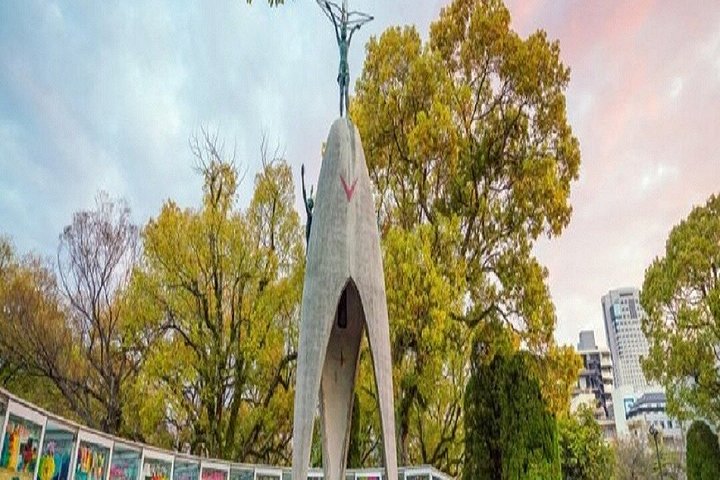
At this stop, you will hear the touching story of Sadako Saski and learn about how the paper crane became one of Japan's most famous peace symbols.
Visitors ring the bell as a gesture of hope and a call for global peace.
Free cancellation up to 24 hours before the experience starts, for a full refund.
5.0
Ratings come from 2 reviews collected by our booking partner. They are travellers' own words, in the order they were written — never reordered to flatter the experience.
Hiroshima, on Japan's Seto Inland Sea, is a rebuilt river city whose Peace Memorial Park and museum recall the atomic bombing of 1945.
Hiroshima spreads across the delta of the Ōta River, whose channels, bridges and trams give the city an open feel. The atomic bomb of 6 August 1945 destroyed most of it. The Peace Memorial Park beside the river holds the Atomic Bomb Dome, a ruined building left standing and listed by UNESCO, the Peace Memorial Museum and the Children's Peace Monument.
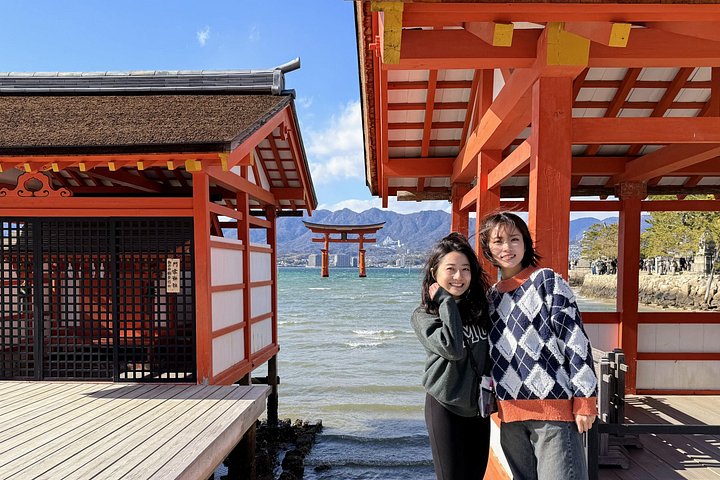
Top-ranked sights in Hiroshima: Hiroshima Peace Memorial Museum, Hiroshima Peace Memorial Park, Miyajima Island (Itsukushima).
Was/now prices come from the operator, never from us.
Add Ticket Hall to your home screen
Tickets and city guides, one tap away, even offline.
Ticket Hall