8% offFree cancellation
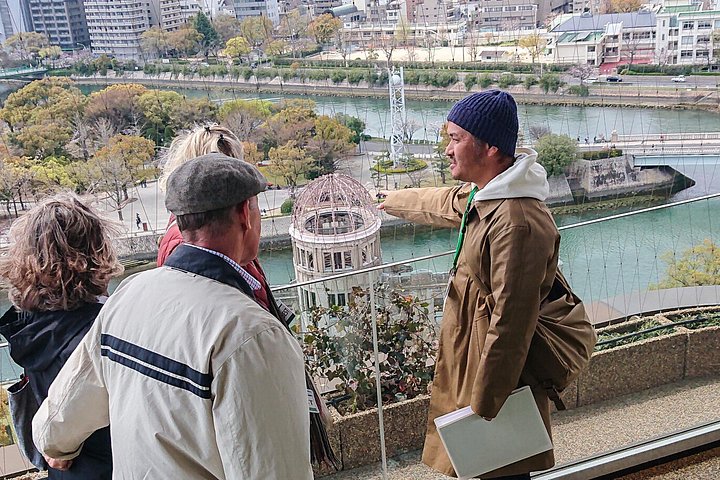
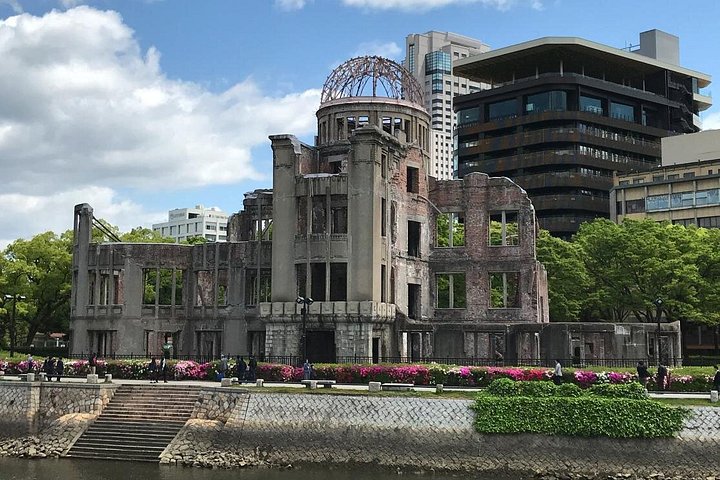
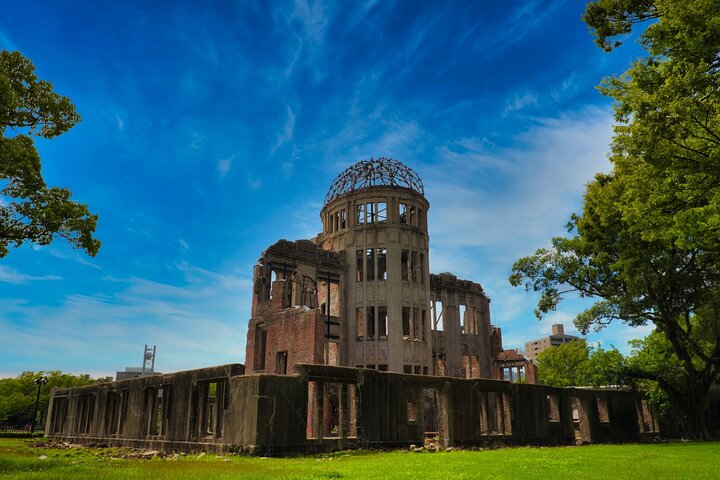
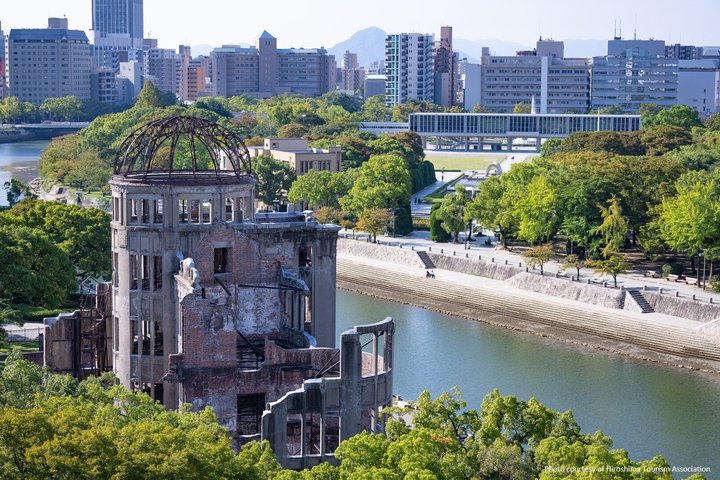
Explore the rich history of Hiroshima on a private walking tour through Hiroshima Peace Memorial Park. Guided by experts in history, peace studies, culture, and tourism, this 3-hour educational experience provides deep insights into the city's past. Many guides are descendants of atomic bomb survivors, offering a unique perspective on Hiroshima's resilience. Begin at the iconic Gates of Peace and visit key landmarks such as the Hiroshima Peace Memorial Museum, where you'll learn about the impact of the atomic bombing on August 6, 1945. Marvel at the UNESCO-listed Atomic Bomb Dome, the Hiroshima Peace Memorial Hall, the Children's Peace Monument, and the Flame of Peace. The tour also includes hidden yet significant monuments within the Peace Park, enriching your understanding of Hiroshima's journey toward peace. Ideal for families, children aged 0-10 can join for free.
At the meeting point, the guide will explain why an atomic bomb was dropped on Hiroshima and how it shaped the course of world history. The tour will begin at the 10 Gates of Peace, where nine gates represent the gates of hell, while the tenth symbolizes the hell of Hiroshima. The word "peace" is inscribed in 49 different languages on each gate.
The Mother and Baby in the Storm monument is dedicated to all the mothers who sacrified their lives while trying to save the lives of their children.
Visit the Hiroshima Peace Memorial Museum to gain a profound understanding of the city’s history and its journey towards peace. The museum features impactful visual displays that chronicle the events surrounding the atomic bombing in 1945, alongside exhibits that showcase the resilience and recovery of Hiroshima's community. As you explore the various galleries, you'll encounter heartfelt stories of survivors, artifacts from that fateful day, and artworks that reflect the ongoing pursuit for peace. This museum serves not only as a memorial to the victims but also as an important reminder of the significance of promoting peace and preventing future conflicts. It's a moving experience that connects the city’s past with its hopeful present and future.
The names of the victims of the Hiroshima A-bombing
The solo survival in the building 170 meters away from the ground zero.
The hall shows the destruction of the city.
Monument dedicated to Korean Victims.
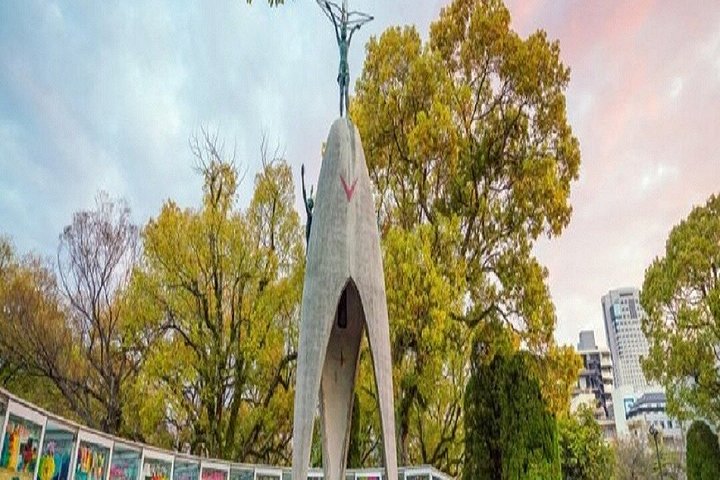
The monument is dedicated to Sadako and other children who died in the bombing. It tells the story behind the paper crane, a symbol of peace.
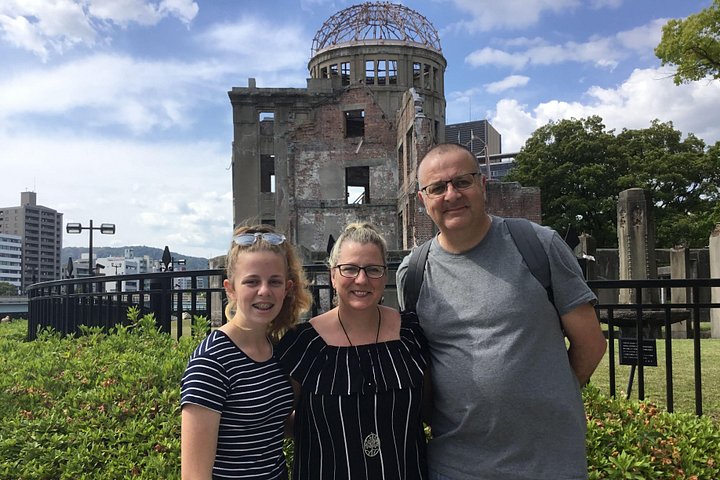
The building survived the atomic bombing in Hiroshima
The peace bell
Free cancellation up to 24 hours before the experience starts, for a full refund.
5.0
Ratings come from 10 reviews collected by our booking partner. They are travellers' own words, in the order they were written — never reordered to flatter the experience.
Hiroshima, on Japan's Seto Inland Sea, is a rebuilt river city whose Peace Memorial Park and museum recall the atomic bombing of 1945.
Hiroshima spreads across the delta of the Ōta River, whose channels, bridges and trams give the city an open feel. The atomic bomb of 6 August 1945 destroyed most of it. The Peace Memorial Park beside the river holds the Atomic Bomb Dome, a ruined building left standing and listed by UNESCO, the Peace Memorial Museum and the Children's Peace Monument.
Top-ranked sights in Hiroshima: Hiroshima Peace Memorial Museum, Hiroshima Peace Memorial Park, Miyajima Island (Itsukushima).
Was/now prices come from the operator, never from us.
Add Ticket Hall to your home screen
Tickets and city guides, one tap away, even offline.
Ticket Hall