Valpolicella Experience: Wine, Tradition & Passion
- 1h 30m
- Free cancellation up to 24h before
- 3 languages
- Instant confirmation
Highlights
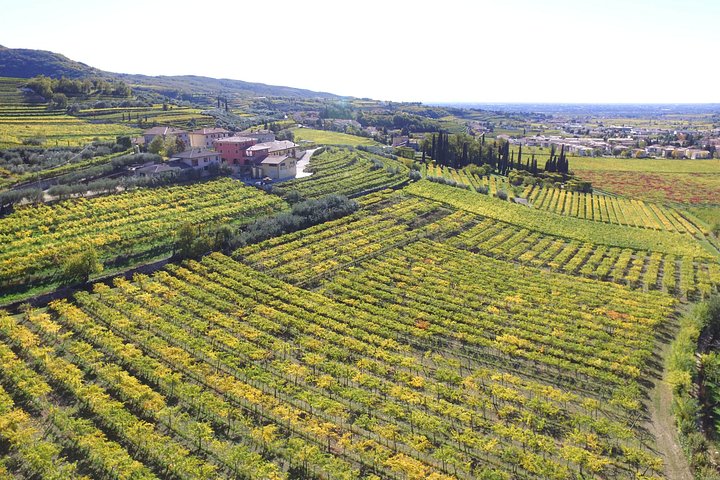
Experience the authentic essence of Valpolicella Classica through a guided tour that blends history, tradition, and exceptional wines. Walk through centuries-old cellars, discover the secrets of grape drying, and taste prestigious DOCG wines in an intimate family-run winery. -Explore a 200-year-old aging cellar -Savor the renowned Amarone DOCG and Recioto DOCG
Inclusions
What's included
- Grape-Drying Loft (Seasonal) – Witness the natural drying process behind Valpolicella’s iconic wines
- Snacks
- Visit the fermentation vats and our historic barrel cellar
- Wine tasting 2 labels Amarone DOCG and Recioto DOCG
- Explore our ancient water mill
Cancellation
Free cancellation up to 24 hours before the experience starts, for a full refund.
Know before you go
- Pickup
- Everyone meets at the starting point; there is no pickup.
- Ticket type
- Mobile or paper ticket accepted
- Group size
- Up to 10 travellers
- Operated by
- CURIOSEETY
- Not recommended for pregnant travelers
- Suitable for all physical fitness levels
- Communicate in advance any dietary restriction.
- Animals are not allowed in the production and aging cellar as food areas.
- Children must be supervised by a parent/adult of reference during the visit.
How it compares in Vicenza
- Its from-price is 40% below the median of the 47 experiences we list in Vicenza.
- Its length is typical for the group.
- The operator lists free cancellation on it.
About Vicenza
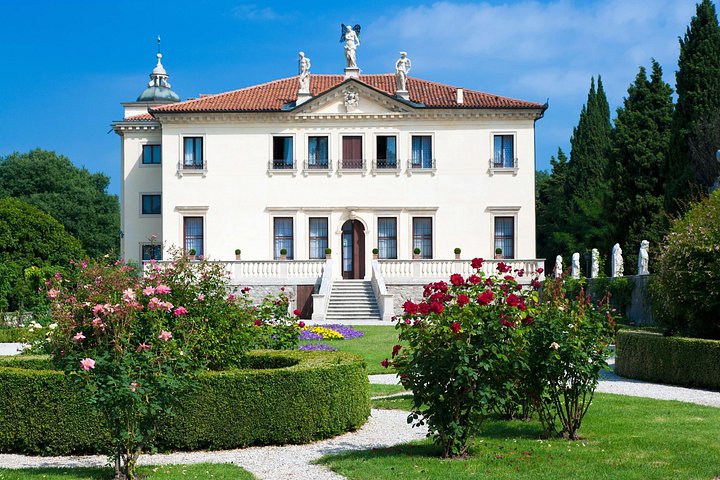
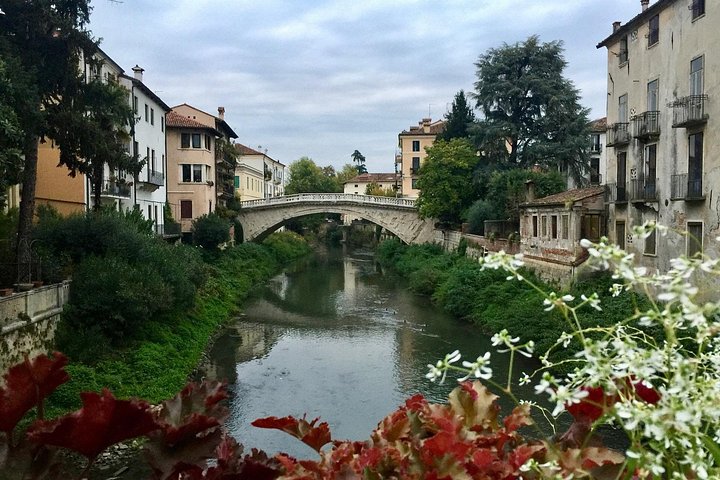
Vicenza is a Veneto city shaped by the Renaissance architect Andrea Palladio, with arcaded palaces, a Palladian theatre and villas in the hills.
Vicenza lies between Verona and Padua, on the plain below the Berici hills, and its centre is a World Heritage site for the buildings Palladio designed in the sixteenth century. The Basilica Palladiana, with two storeys of arched loggias, overlooks the main square, Piazza dei Signori, and the palaces along Corso Palladio, such as Palazzo Thiene and Palazzo Barbaran da Porto, show how he adapted Roman ideas to the city.