8% offFree cancellation
Descriptions come from the operator and are translated automatically.
Located near the southeastern corner of Sicily on the Ionian coast, Syracuse is built on an ancient Greek settlement founded by Corinthians in 734 BC. Syracuse was the city of Archimedes, Pindar and Aeschylus, whose plays are still performed in the huge amphitheatre and it is the city of Italy that preserves more Greek history. Syracuse's older residential quarter is an island, Ortigia, from the Greek for quail, probably named for that bird's abundance in this area. Ortigia is connected with the island of Sicily through two short bridges and is known for, among many other things, the freshwater Spring of Arethus. The small town of Noto, in the southeast was founded again in the 1700s. It is the heart and, at the same time, the starting point for a visit to the valley of the Sicilian Baroque. Its cathedral, also perfectly raised and rebuilt again after 10 years of difficult work, was included in the UNESCO World Heritage Sites.
Catania represents the starting point but also the end of the tour, because there will be 1 hour of driving time to get in Syracuse, and then 1 hour and half to come back from Noto to your accommodation
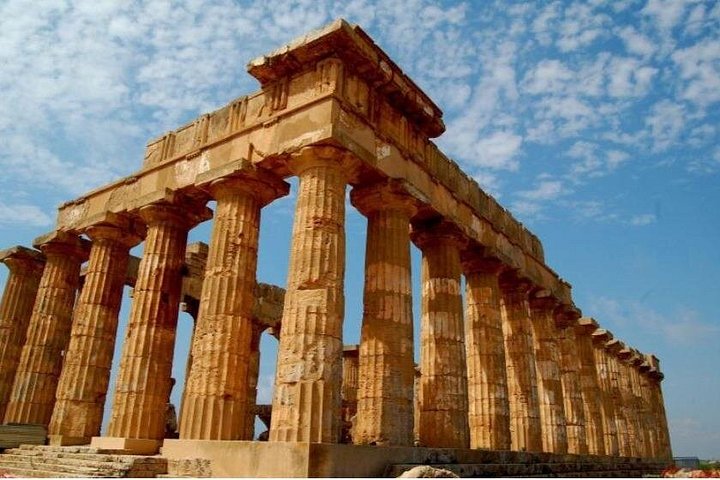
Located near the Southeastern corner of Sicily on the Ionian coast, Syracuse is built on an ancient Greek settlement founded by Corinthians in 734 BC. Syracuse was the city of Archimedes, Pindar and Aeschylus, whose plays are still performed in the huge amphitheater. Syracuse has a large Greek amphitheater (literally carved out of the rock) and also a Roman one, both well preserved. Syracuse is the city of Italy that preserves more Greek history, in fact, its own name already transports you to the ancient Greek Empire.
Syracuse's older residential quarter is an island, Ortigia, from the Greek for quail, probably named for that bird's abundance in this area. Ortigia is connected with the island of Sicily through two short bridges and is known for, among many other things, the freshwater Spring of Arethusa.
This small town in the south-east was founded again in the 1700's. It is the heart and at the same time the starting point for a visit to the valley of the Sicilian Baroque. Its cathedral, also perfectly raised and rebuilt again after 10 years of difficult work, was included in the UNESCO World Heritage Sites.
All sales are final. No refund is available for cancellations.
Catania, on Sicily's east coast, is a black lava-stone city beneath Mount Etna, with a noisy fish market, Baroque squares and a long seafront.
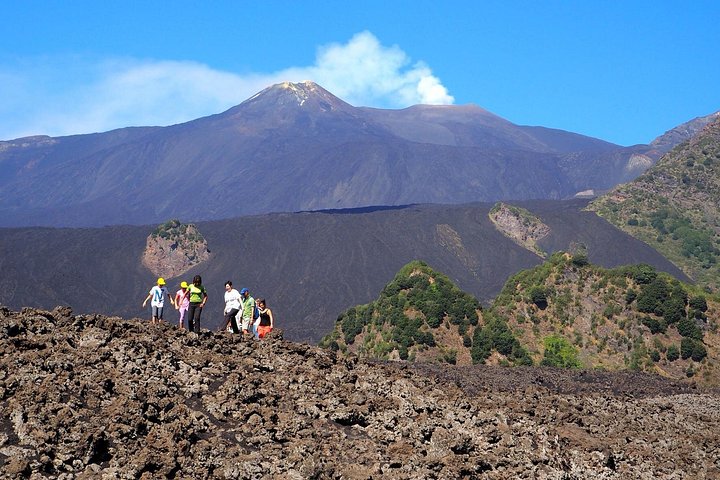
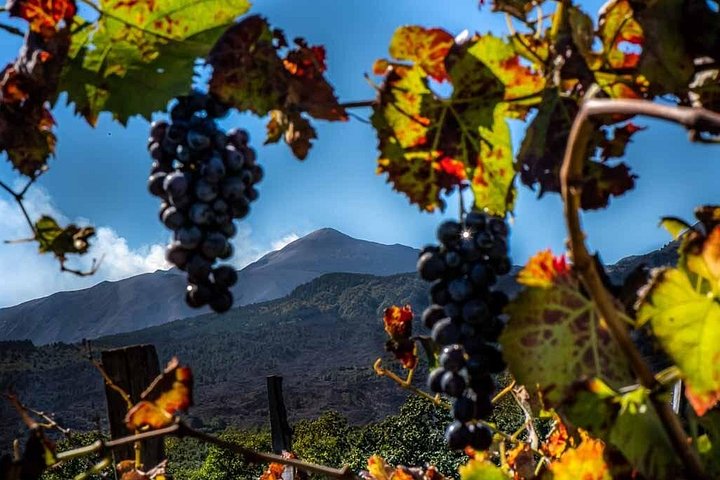
Catania lies at the foot of Mount Etna, the active volcano whose lava reached the city in 1669, and an earthquake in 1693 flattened it. Rebuilt in the eighteenth century in the Baroque style, it uses black lava stone for walls and paving, set against white limestone. The Piazza del Duomo has an elephant of lava stone carrying an obelisk, the cathedral of Sant'Agata, and a fountain.
Top-ranked sights in Catania: Piazza Duomo, Via Crociferi (Via dei Crociferi) , Gambino Winery (Vini Gambino).
Was/now prices come from the operator, never from us.
Add Ticket Hall to your home screen
Tickets and city guides, one tap away, even offline.
Ticket Hall