Discover Sardinia: A Self-Guided Island Tour
- 8h 30m
- Free cancellation up to 24h before
- Guided in English
- Instant confirmation
Highlights
Discover Sardinia's ancient mysteries and Caribbean-rivaling beaches with our self-guided audio tour, allowing you to explore Italy's most distinctive island at your own pace. Begin on the Costa Smeralda where emerald waters lap against pink granite beaches and attract the world's yachts to Porto Cervo's glamorous harbor. Wander through the streets of Alghero where Catalan heritage survives in the language, architecture, and the coral jewelry that has been crafted here for centuries. Explore the prehistoric nuraghi scattered across the island. Discover the beauty of the Supramonte where gorges, ancient forests, and shepherd culture preserve a Sardinia unchanged by tourism. Climb to the hilltop town of Castelsardo where basket weavers continue traditions and the fortress provides views across to Corsica. Experience Cagliari's history from Phoenician to Aragonese in the capital's atmospheric Castello district and lively waterfront marina. Swim in the impossibly clear waters of Cala Luna.
Inclusions
What's included
- Offline content.
- Self-guided walking tour (app)
- Access to the audio guide for 50+ Sardinia attractions and hidden spots.
What's not
- Private transportation
- Entry fees to tourist attractions or museums.
- Our app-based self-guided tour has no physical guide on-site.
Itinerary
Sardinia's capital city rises from the harbor in layers of history, its medieval Castello district crowning the hill with Pisan towers, Aragonese palaces, and the 13th-century cathedral that surveys the Gulf of Angels below. The Bastione di Saint Remy provides panoramic terraces while the narrow lanes reveal centuries of Mediterranean civilization—Phoenician, Roman, Byzantine, Pisan, Spanish, and finally Italian—in the stones and architecture. The city's beaches at Poetto, vibrant marina district, and the flamingo-dotted lagoons of Molentargius Regional Park provide contemporary appeal alongside the historical weight.
This Phoenician, Carthaginian, and Roman city on a peninsula south of Cagliari preserves Sardinia's most important ancient urban site, where 3,000 years of Mediterranean civilization left temples, baths, theaters, and mosaics that the sea is slowly reclaiming. The site's coastal setting—waves lap against Roman warehouses and the beach adjoins the ancient forum—creates an atmospheric experience unlike inland archaeological sites. The adjacent tower and the bay's clear waters for swimming extend visits beyond the ruins themselves.
This UNESCO World Heritage Site represents the finest example of the mysterious nuraghi—stone towers built by the Nuragic civilization that flourished from 1900-730 BC and left over 7,000 structures across Sardinia without leaving written records explaining their purpose. The central tower rises 18 meters, surrounded by a village of circular dwellings that housed a community whose sophisticated engineering predates Etruscan and Roman arrival. Guided tours explain current archaeological understanding while the site's rural location provides context for the agricultural society that built these monuments.
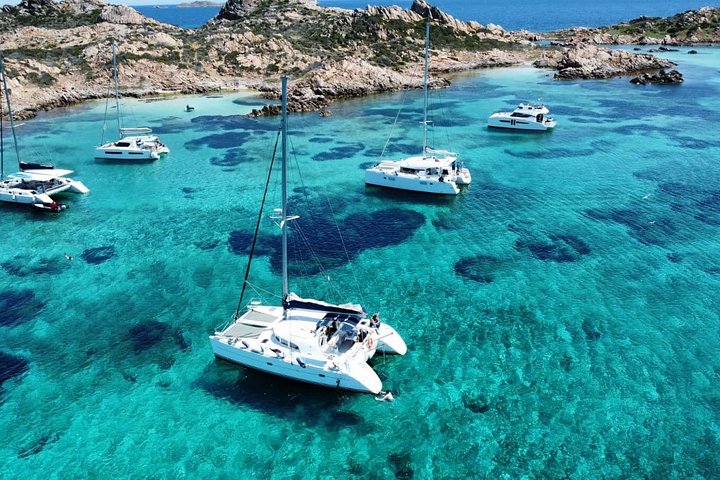
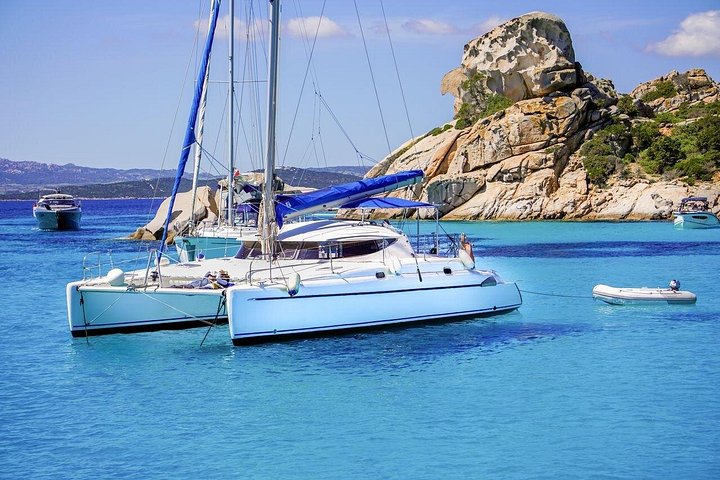
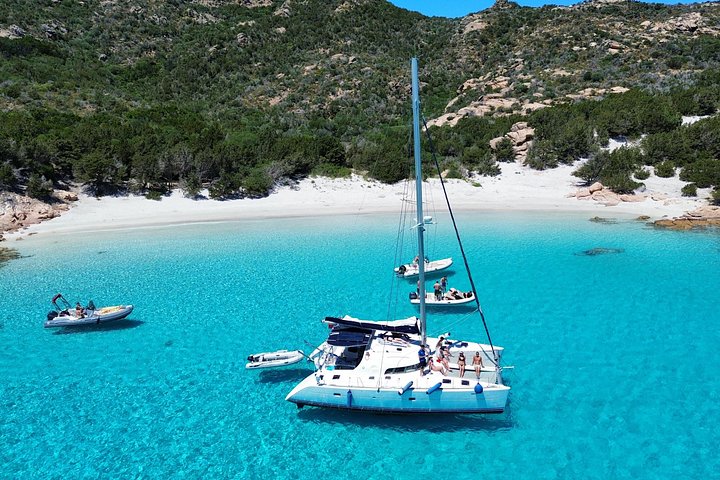
The Aga Khan's 1960s development transformed this northeastern coast into one of the world's most exclusive resort destinations, its pink granite coves, emerald waters, and Porto Cervo's designer boutiques attracting superyachts and celebrities each summer. The coast's strict architectural guidelines have preserved natural beauty while creating the Mediterranean's most glamorous marina scene. Beaches like Capriccioli and Liscia Ruja offer public access to the stunning waters, while the hillside villages and the Costa's undeveloped sections reveal the natural beauty that attracted development.
This walled port city on Sardinia's northwest coast preserves four centuries of Catalan rule in its architecture, language (Algherese Catalan is still spoken), and the coral jewelry tradition that has defined the town since the Middle Ages. The Spanish Gothic churches, cobblestoned lanes within the fortifications, and the sunset promenade along the sea walls create one of Sardinia's most atmospheric destinations. The surrounding beaches, Neptune's Grotto sea cave, and the Nuraghe di Palmavera extend attractions beyond the historic center.
This picturesque town on Sardinia's western coast climbs from the Temo River—the island's only navigable waterway—to the Malaspina Castle crowning the hill, its colorful houses and medieval streets creating one of Italy's most photogenic small towns. The former tanneries along the river, now converted to restaurants and galleries, and the beaches at Bosa Marina provide seaside complement to the historic center. The drive from Alghero along the dramatic coastal road ranks among Sardinia's most scenic routes.
This medieval town perched on a promontory in northern Sardinia preserves basket-weaving traditions in workshops where women create the intricate designs that have made Castelsardo famous throughout Italy. The Doria fortress crowns the rock while the maze of narrow streets descending toward the fishing harbor reveals the defensive architecture that protected against Mediterranean raiders. The views north to Corsica and the dramatic sunset position make Castelsardo one of Sardinia's most memorable stops.
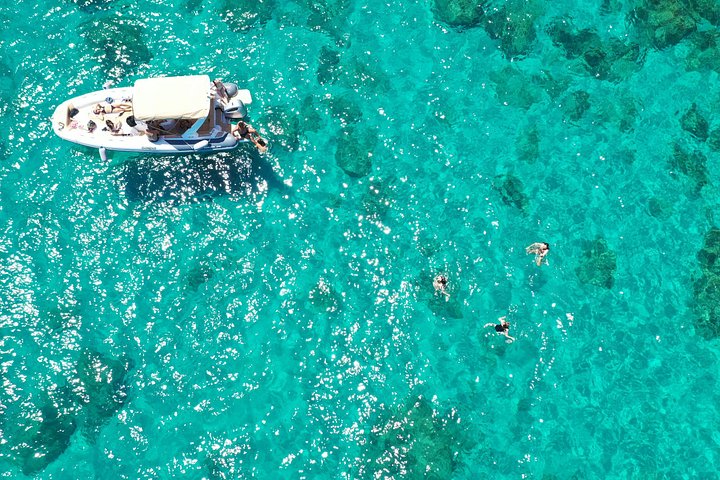
These legendary beaches along the Gulf of Orosei represent Sardinia at its most spectacular—sheer limestone cliffs, crystalline turquoise water, and white sand accessible primarily by boat or demanding hiking trails that preserve their unspoiled character. Cala Luna's crescent beach backed by oleander-filled caves and Cala Goloritzé's natural rock arch and pinnacle have become symbols of Mediterranean beauty. The boat excursions from Cala Gonone allow beach-hopping along the coast while hikers can descend the Supramonte trails to earn their swim.
This mountain village in the Barbagia region gained fame—or notoriety—for banditry and kidnappings but has transformed its image through hundreds of political murals that cover building facades and document social struggles from local pastoral disputes to international human rights issues. The murals, begun in 1969, create an open-air gallery that reveals Sardinia's fierce independent spirit and the political consciousness of this isolated mountain community. The village's traditional culture, Cannonau wine production, and position as gateway to the Supramonte wilderness add substance beyond the street art.
This Nuragic village hidden within a collapsed mountaintop cave in the Supramonte remained undiscovered by the outside world until the 19th century, its stone dwellings preserved within the natural dome that provided refuge and defense for centuries. The moderately challenging hike through the Lanaittu Valley and up the mountain rewards with one of Sardinia's most extraordinary archaeological experiences—an entire village concealed within the mountain. The surrounding Supramonte wilderness, with its endemic species, shepherd cultures, and dramatic gorges, provides context for understanding this island within an island.
Cancellation
Free cancellation up to 24 hours before the experience starts, for a full refund.
Know before you go
- Meeting point
- Location: At the top of the Umberto I Terrace (Terrazza Umberto I), near the central panoramic viewpoint overlooking the city. Address: Piazza Costituzione, 09124 Cagliari CA, Sardinia, Italy. Coordinates: 39.2163, 9.1160
- Pickup
- Everyone meets at the starting point; there is no pickup.
- Ticket type
- Mobile or paper ticket accepted
- Operated by
- CloudGuide S.L
- Not recommended for travelers with spinal injuries
- Not recommended for travelers with poor cardiovascular health
- Public transportation options are available nearby
- Suitable for all physical fitness levels
How it compares in Italy, outside the cities
- Its from-price is 99% below the median of the 736 day trips we list in Italy, outside the cities.
- Its length is typical for the group.
- The operator lists free cancellation on it.
Special offers in Italy, outside the cities
Was/now prices come from the operator, never from us.