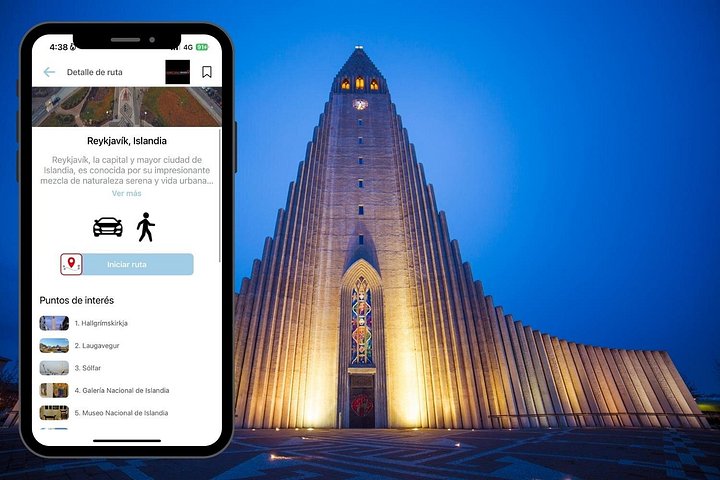
Reykjavík Walking Tour with Audioguide on your Smartphone
- 4 hours
- Free cancellation up to 24h before
- 2 languages
- Instant confirmation
Highlights
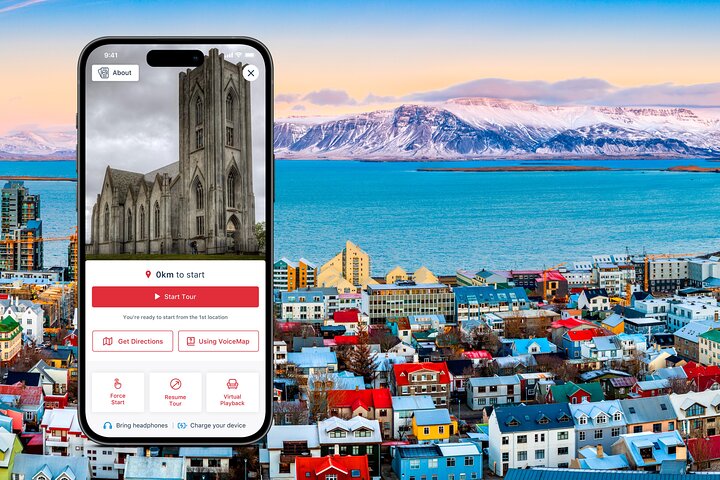
The audio guide is your convenient mobile companion for a self-guided tour of Reykjavík. This tour is specially designed for exploring the city in a relatively short timespan of 2–2.5 hours. Follow the route on the app's map, walking from Arnarhóll park to Þúfa mound, passing by the city’s main attractions. Highlights include: Sun Voyager sculpture, Rainbow Street, Phallological Museum, Þúfa mound, Hallgrímskirkja, ICGV Óðinn, Icelandic Punk Museum. The tour includes 27 points of interest. All stories are crafted by professional journalists and historians, with humor and passion for travel. Once the tour is downloaded, you can access it offline. We recommend using headphones for better sound quality. Enjoy engaging stories and legends at your own pace, without a need to keep up with a group. Feel free to pause anytime to take a break at a café or wander down a picturesque alley before continuing your exploration.
Inclusions
What's included
- Offline map with a route for easy GPS navigation
- Audio Guide App for iPhone and Android
- 1-year access to the tour in your preferred language
- 27 audio recordings narrated by a professional historian
- Illustrations to help you identify landmarks
What's not
- Smartphone and headphones
- In-person tour guide
- Transportation
- Food and beverages
Itinerary
Ingólfur Arnarson is remembered as the first permanent Norse settler of Iceland. According to tradition, he founded Reykjavík in the 9th century after choosing the place where his high-seat pillars came ashore. His statue on Arnarhóll hill connects the city with Iceland’s settlement story, early Norse identity, and national memory.
Forsætisráðuneytið, the Prime Minister’s Office, is housed in Government House, known locally in Icelandic as Stjórnarráðshúsið. Built in the 18th century as a prison, the building later became a centre of Icelandic administration. Its modest white façade on Lækjargata reflects Reykjavík’s political history, from Danish rule to modern self-government.
The Water Carrier, known locally in Icelandic as Vatnsberinn, is a sculpture by Ásmundur Sveinsson in central Reykjavík. Created in the 1930s and later cast in bronze, it honours the water carriers who once supplied the town before modern infrastructure changed daily life. Its strong, balanced form reflects labour, endurance, and the memory of old Reykjavík.
The Icelandic Punk Museum, known locally in Icelandic as Pönksafn Íslands, is a small underground museum on Bankastræti in Reykjavík. Set in a former public toilet, it traces Iceland’s punk and new wave scene from the late 1970s onward. Posters, photographs, instruments, recordings, and band stories reflect the raw, rebellious energy that helped shape Reykjavík’s modern music culture.
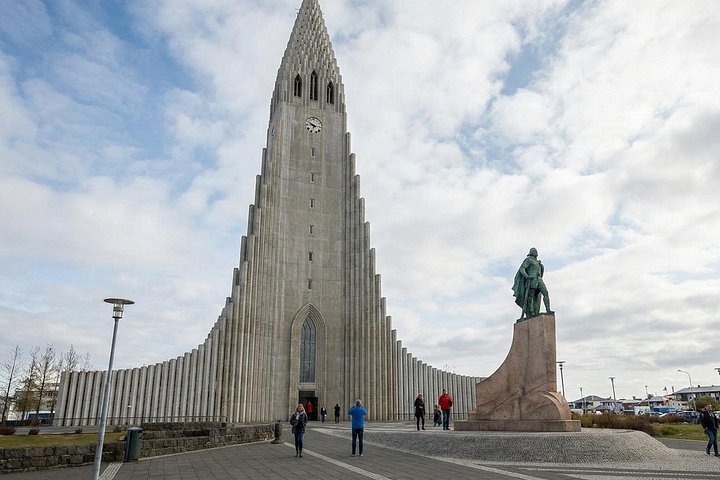
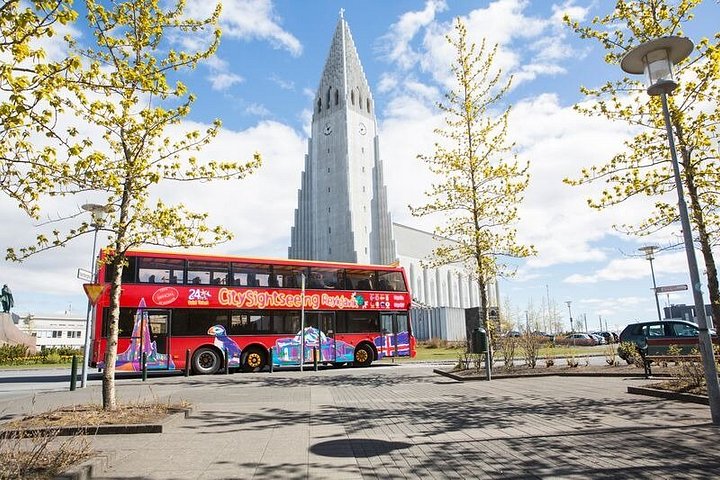
Hallgrímskirkja is Reykjavík’s most recognizable church. Designed by architect Guðjón Samúelsson and completed in 1986, it was inspired by Iceland’s basalt lava formations and dramatic natural landscapes. Its tall tower, pale concrete façade, and central position make it a symbol of modern Reykjavík and Icelandic national identity.
The Einar Jónsson Museum is dedicated to Iceland’s pioneering sculptor Einar Jónsson. Opened in 1923, it was the country’s first public art museum in its own building. Its symbolic sculptures, former artist’s home, and sculpture garden connect Reykjavík with Icelandic national art and early 20th-century cultural identity.
The Leif Eriksson Monument, known locally in Icelandic as Leifsstyttan, stands in front of Hallgrímskirkja in Reykjavík. Created by American sculptor Alexander Stirling Calder, it was a gift from the United States to Iceland in 1930. The statue honours Leifur Eiríksson, the Norse explorer associated with the first European voyages to North America.
Vampire Mural is a striking piece of street art on Laugavegur in central Reykjavík. The mural is often linked with the city’s lively urban-art scene and its taste for bold, surreal imagery. Its gothic figure, pop-art mood, and saga-inspired reference connect contemporary Reykjavík with storytelling, music, and myth.
The Sun Voyager, known locally in Icelandic as Sólfarið, is a steel sculpture by Jón Gunnar Árnason on Reykjavík’s waterfront. Unveiled in 1990, it resembles a dreamlike Viking ship but was conceived as an ode to the sun, exploration, hope, and freedom. Its open form, sea-facing position, and mountain backdrop make it one of the city’s most poetic modern landmarks.
Harpa Concert Hall and Conference Centre, known locally in Icelandic as Harpa tónlistar- og ráðstefnuhús, is one of Reykjavík’s major modern landmarks. Opened in 2011 on the waterfront, it is known for its geometric glass façade created with artist Ólafur Elíasson. The building reflects Iceland’s cultural life, northern light, harbour setting, and contemporary architectural identity.
Wind Harp, known locally in Icelandic as Himinglæva, is a stainless-steel sculpture by Icelandic artist Elín Hansdóttir outside Harpa in Reykjavík. Designed as an Aeolian harp, it produces subtle overtones when the wind passes through it. The work connects sound, movement, weather, and light with the harbour setting and Harpa’s musical identity.
The Icelandic Phallological Museum, known locally in Icelandic as Hið Íslenzka Reðasafn, is one of Reykjavík’s most unusual museums. Founded in 1997 by Sigurður Hjartarson, it is dedicated to the collection and study of phallic specimens from mammals. Its displays combine natural history, science, humour, and curiosity, reflecting Iceland’s taste for the unexpected.
Cancellation
Free cancellation up to 24 hours before the experience starts, for a full refund.
Know before you go
- Meeting point
- - The tour starts near the Ingólfur Arnarson monument. - This is a self-guided tour. There will be no human guide present at the meeting point. - Launch the TouringBee app, start the "Reykjavik walking tour" and follow the designated route.
- Pickup
- Everyone meets at the starting point; there is no pickup.
- Ticket type
- Mobile or paper ticket accepted
- Group size
- Up to 20 travellers
- Operated by
- TouringBee
- Public transportation options are available nearby
- Suitable for all physical fitness levels
- The audio guide is available through a special mobile app for iOS and Android
- Admission tickets to the attractions are not included. Please buy them separately in advance
- The tour does not cover all Reykjavík sights
- This is a self-guided tour. You will need to download the audio guide mobile app, activate your purchase, and follow the route on the app's map. There is no human guide provided
- The audio guide is available anytime, the date and time provided for checkout are approximate
How it compares in Reykjavik
- Its from-price is 98% below the median of the 79 city tours we list in Reykjavik.
- Its length is typical for the group.
- The operator lists free cancellation on it.
About Reykjavik
Reykjavik is the northernmost capital of any nation, a colourful, compact city of art and music that opens onto Iceland's volcanic landscapes.
The landmark Hallgrímskirkja church, its tower inspired by basalt columns, rises above streets of brightly painted houses. Down by the harbour, the glass-fronted Harpa concert hall shimmers on the water, and the Sun Voyager sculpture faces the sea toward Mount Esja. Laugavegur, the main shopping street, is lined with design shops, cafés and bars.
Top-ranked sights in Reykjavik: Thingvellir National Park, Gullfoss, Harpa.
Special offers in Reykjavik
Was/now prices come from the operator, never from us.