Discover Copenhagen Private Boat Tour Experience
- 1–12 hours
- 2 languages
- Private tour
- Mobile ticket
Highlights
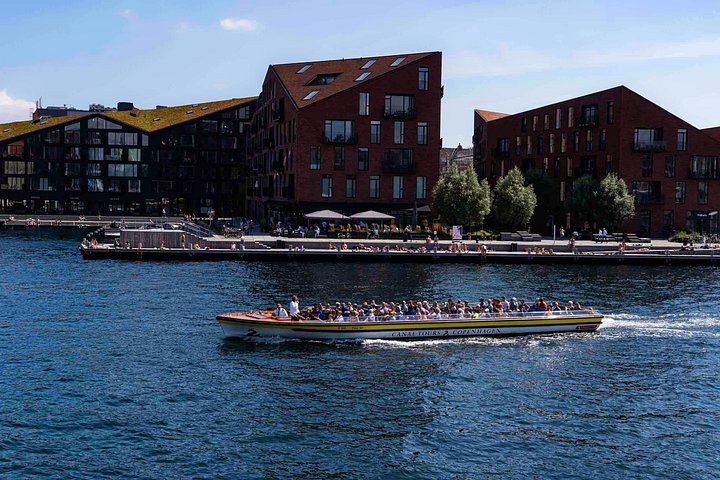
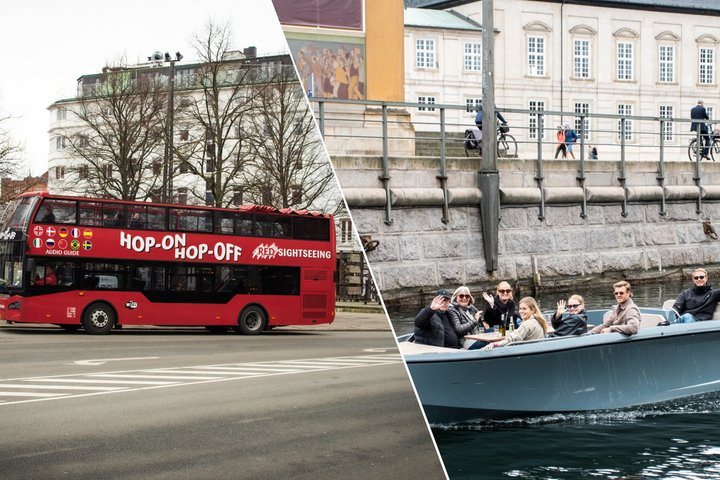
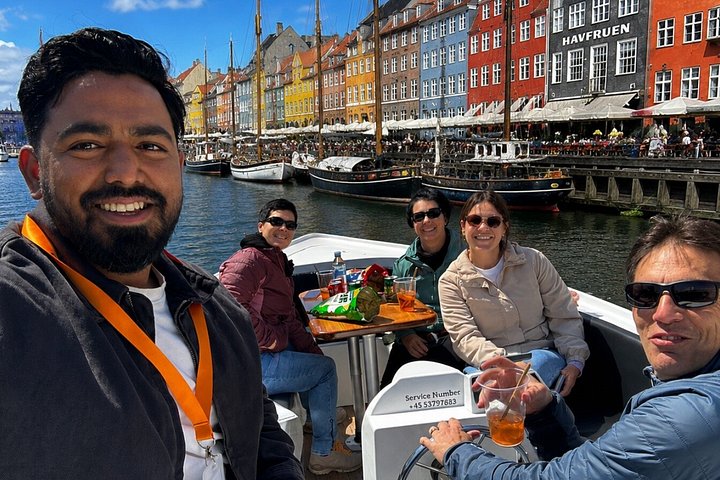
This is Copenhagen from its most elegant angle — a private canal experience aboard Freyja, a beautiful luxury designed boat reserved exclusively for you and your guests. No crowds. No fixed narration. Just calm waters, personal storytelling, and a relaxed, curated journey through the city’s most iconic and hidden corners. Led by a knowledgeable and friendly local captain, the tour is shaped entirely around your interests — whether that means royal palaces, modern architecture, a swim stop, or simply drifting in silence with a drink in hand. There’s no rush, no noise, and no microphone — just genuine hospitality, peaceful waters, and room to breathe. Thoughtful touches like warm blankets, optional route changes, and an intimate atmosphere make this feel more like sailing with a friend than booking a tour. It’s a premium, personal escape through the soul of Copenhagen — and a memory that lingers long after the boat docks.
Inclusions
What's included
- Optional swim stop
- Peaceful, crowd-free atmosphere
- A genuinely great time in the canals of Copenhagen
- Historical insights and fun local myths
- Great photo opportunities
- Flexible itinerary tailored to your interests
- Private boat exclusively for your group
Itinerary
The Old Customs House – Gateway to the City Our journey begins at the Old Customs House (Det Gamle Toldhus), once the threshold between Denmark and the world. Built in 1734, this stately Baroque building stood as a symbol of Copenhagen’s importance as a trading port. Here, ships from all over Europe docked to declare their goods, pay duties, and bring news from across the seas. The house watched over barrels of rum from the West Indies, timber from Norway, and silk from the East. Though its customs role is long retired, the building remains a cornerstone of the city’s maritime identity — elegant, proud, and weathered by centuries of sea air. As Freyja gently pulls away from the pier, you step into the same flow of water that once carried goods, kings, and ideas across the globe. This is where Copenhagen opened itself to the world — and where your journey begins.
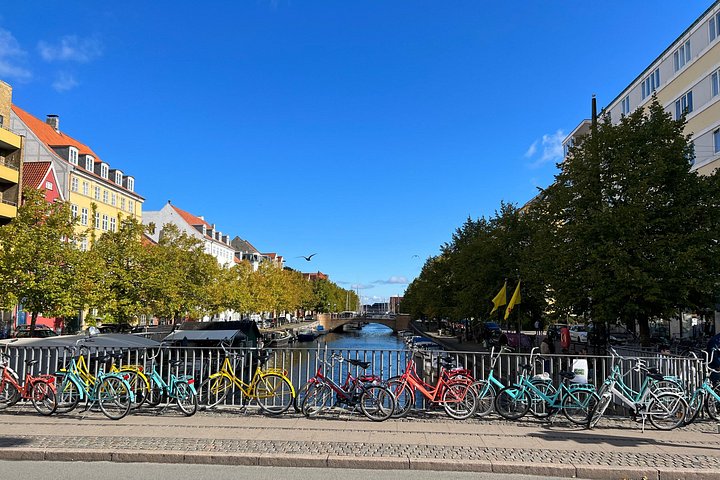
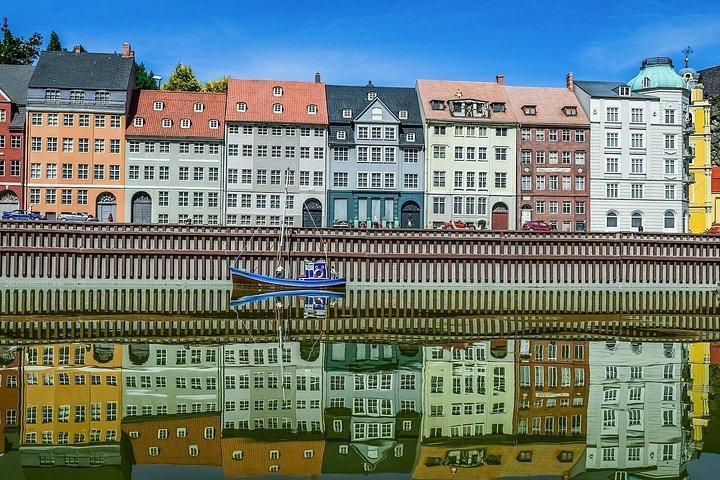
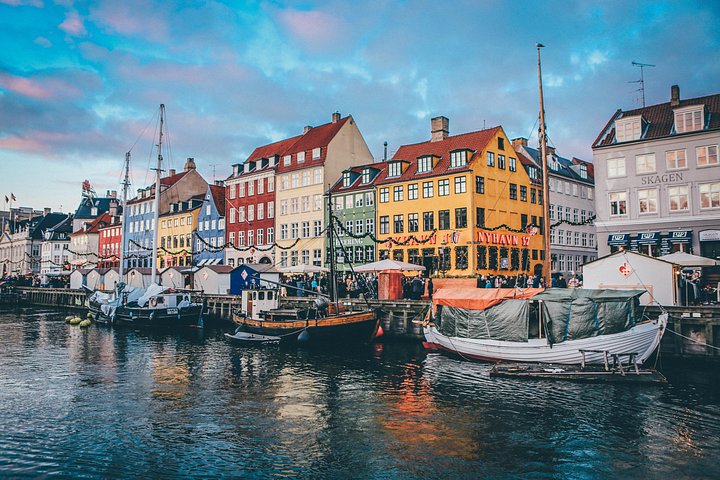
Nyhavn – The Postcard of Copenhagen Just around the bend lies Nyhavn, a canal so picturesque it barely feels real. The name means “New Harbor,” though it’s been here since 1673. What was once a rowdy sailor’s quarter filled with beer halls and brothels is now the city’s most beloved promenade. Colorful 17th-century houses lean slightly over cobbled quays, and old wooden ships nod gently on the water. Locals sip coffee on the docks, jazz floats from open windows, and bicycles clatter by in eternal rhythm. Hans Christian Andersen once lived here — in fact, three of these houses were his homes — and it’s easy to imagine the inspiration behind his fairy tales blooming right here. Today, Nyhavn is Copenhagen’s most photographed face, a joyful mixture of nostalgia, beauty, and the ever-present lapping of the harbor against the stones.
Just beyond Nyhavn’s colorful facades, we sail past the bold, modern lines of the Royal Danish Playhouse (Skuespilhuset), dramatically perched on the harbor’s edge. Opened in 2008 and designed by Lundgaard & Tranberg, this sleek structure of oak, glass, and black steel seems to grow out of the water itself. A wide wooden promenade wraps around its base — a popular boardwalk where locals sunbathe, sip coffee, or dip their feet into the harbor on warm days. Inside, some of Denmark’s greatest stage productions come to life in three different theaters, ranging from grand drama to experimental performance. From the water, it looks like a ship moored in permanent readiness to set sail on stories. It’s a powerful symbol of how modern Copenhagen integrates art and architecture, blurring the boundaries between city and stage, between the real and the imagined.
We glide east toward Papirøen, or Paper Island, a former paper warehouse turned cultural icon. For decades, this low, functional island was a closed industrial zone — paper was stored here for the Danish press, stacked in giant rolls in cold, concrete halls. But then something remarkable happened: artists, food trucks, and dreamers moved in. Papirøen became a hotbed of creativity, home to Copenhagen Street Food and a dozen pop-up galleries. People sat on the edge of the quay with wine in hand and music in the air, watching the sun set behind the skyline. Though much of the original has now been cleared to make way for bold, modern architecture — including the new Opera Park — the spirit of Papirøen remains: reinvention, community, and the transformation of industry into art. From Freyja’s deck, it’s a perfect view of Copenhagen’s past and future in conversation.
The Old Mast Houses & Cannonball Courtyard Further along the canal, we pass the Mastekranen — Copenhagen’s old mast houses, where colossal ship masts were crafted and stored. These long, timbered buildings echo the city’s shipbuilding days, when naval vessels and merchant ships were built by hand and launched right here into the harbor. Behind them lies a quiet, walled space with an ominous name: the Cannonball Courtyard. Here, if you look closely, you’ll spot actual cannonballs still lodged in the brick — remnants of the Battle of Copenhagen in 1807, when the British navy bombarded the city to seize its fleet. The buildings still bear the scars. Together, these sites tell a tale of craftsmanship and conflict, of warships and woodwork. Even in stillness, the harbor remembers.
Christiania – The Free Town Soon we approach one of Copenhagen’s most legendary and controversial neighborhoods: Christiania. Founded in 1971 when squatters took over an abandoned military base, it has grown into a self-governing, countercultural commune famous for its colorful houses, art-covered walls, and “Green Light District” where cannabis has long been tolerated. As Freyja floats past its canalside edge, you’ll see handmade homes perched on stilts, ramshackle gardens, and sculptures built from scrap. But Christiania is more than just a tourist curiosity — it’s a living, breathing experiment in autonomy and communal living. Some see it as a utopia, others as a political provocation. Either way, it’s a place unlike any other in the world, and from the water, its peace and defiance ripple gently on the surface.
orpedohallen & The Long Boat Houses We now enter the quiet stretch near Torpedohallen, a former naval facility where torpedo boats once docked and trained. Built in the early 20th century, this long industrial building is a reminder of Copenhagen’s military edge — a time when the harbor bristled with warships and drills. Today, Torpedohallen has been reborn as a residential and creative space, but its austere lines and concrete bones still whisper of defense and strategy. Alongside it, the Long Boat Houses — charming, low-roofed wooden dwellings — stretch down the canal. Some are over 150 years old, each lovingly restored by hand, painted in reds, greens, and blues. They are a sailor’s dream come true — floating cottages where you wake up with ducks outside your window and sunrise on your deck. It’s a quiet, human-scale part of the city, and one of the most beloved stops on the journey.
Copenhill & The Waste-to-Energy Wonder Then, rising on the horizon, something surreal appears: a green mountain with people skiing on its roof. Welcome to Copenhill — a waste-to-energy plant that also happens to be a public park, climbing wall, hiking trail, and ski slope. It sounds like science fiction, but it’s 100% real, and 100% Danish. Designed by star architect Bjarke Ingels, this ultra-modern facility incinerates non-recyclable waste and turns it into electricity and district heating for tens of thousands of homes. But instead of hiding it away, the Danes turned it into a destination — a place where environmental responsibility meets urban adventure. From Freyja, you can see skiers gliding down the synthetic slope, hikers making their way to the top, and the giant smokestack that playfully puffs out smoke rings. It’s quirky, clean, and unmistakably Copenhagen.
As we glide along the edge of Holmen, Copenhagen’s historic naval district, a fleet of museum ships comes into view — each one a floating chapter of Denmark’s maritime story. Here lies the frigate Peder Skram, once a Cold War powerhouse armed with guided missiles. Next to her rests the torpedo boat Sehested, sleek and angular, built for speed and precision. And further down the quay floats Sælen, a diesel-electric submarine that once patrolled under icy northern waters — now open for visitors to step inside her narrow, steel belly. These vessels are part of the Royal Danish Naval Museum, moored right where real warships once launched from. In their silence, they speak of training missions, tense standoffs, and young sailors who served in distant seas. Seeing them from the water gives you a sense of scale and reverence you can’t get on land. This is not a reenactment — these are the real things, preserved in rust and rivets. They once protected the kingdom. Now they protect its memory.
As we sail past the edge of Holmen, two graceful neoclassical buildings appear along the quay — the Royal Pavilions. Modest in size but rich in detail, these waterside pavilions are used for welcoming and seeing off royal guests arriving by sea. Built in the early 20th century, they offer a rare glimpse into the quieter rituals of monarchy: private arrivals, discreet departures, and summer voyages beginning beneath Danish skies. Moored just across the water is something even more striking — the Royal Yacht Dannebrog, gleaming with white hulls and polished teak decks. Launched in 1931 and still in active service, she is both palace and vessel, a floating residence for the Danish royal family during official visits and holidays. Her elegant silhouette recalls another era, yet she continues to sail the world as a symbol of Danish tradition, diplomacy, and seamanship. From the water, the Dannebrog appears timeless — a piece of living history quietly anchored in the present.
The Old Guardhouse & Cannon Salutes at Sunrise and Sunset As we continue along the canal’s edge, nestled between naval buildings and timeworn walls, we pass the Old Guardhouse — a humble yet symbolic structure that once served as the main lookout and ceremonial post for the Royal Danish Navy. What makes this site special is a ritual that still continues today: the daily cannon salutes. Every morning at sunrise and again at sunset, a blank round is fired from the saluting battery nearby, echoing across the harbor and startling birds into flight. It’s a tradition dating back hundreds of years — a ceremonial gesture marking the beginning and end of the day for the fleet, and for the city itself. Hearing the salute while afloat on the water is something unforgettable: a thunderous reminder that Copenhagen’s maritime heritage is not only remembered but still lived. A timeless echo of order, honor, and sea-bound pride.
Rising quietly above the treetops of Holmen is the unmistakable silhouette of the Mastekranen, or Mast Crane — one of Copenhagen’s oldest surviving industrial landmarks. Built in 1749, this towering wooden crane was designed to lift the colossal masts onto warships and merchant vessels during the golden age of Danish naval power. Back then, ships were built by hand, plank by plank. Though it may seem quaint today, the Mastekranen was a marvel of 18th-century engineering — operated entirely by manpower using a system of pulleys and counterweights. Sailors and shipbuilders would climb inside to turn the massive internal capstan, slowly hoisting masts that reached as high as church steeples into the sockets of Denmark’s naval giants. Today, it stands unused but proudly preserved, a wooden titan reminding us of the labor, sweat, and craftsmanship that once ruled this harbor. It’s not just a crane. It’s a symbol of the strength that lifted a fleet — and, with it, a nation.
Cancellation
All sales are final. No refund is available for cancellations.
Reviews
4.9
- 532
- 42
- 30
- 20
- 10
Ratings come from 34 reviews collected by our booking partner. They are travellers' own words, in the order they were written — never reordered to flatter the experience.
Know before you go
- Meeting point
- Please meet me at the black Sign 1 on the floating dock, next to the Stromma Canal Tours departure point, beside the Royal Danish Theatre (Skuespilhuset). The dock is directly opposite Paper Island (the pyramid-shaped buildings). Important: This is NOT the Stromma departure point in Nyhavn
- Pickup
- Everyone meets at the starting point; there is no pickup.
- Ticket type
- Mobile or paper ticket accepted
- Operated by
- FREYJA Private Canal Tours
- Service animals allowed
- Public transportation options are available nearby
- Suitable for all physical fitness levels
- Please note: Access to the boat requires stepping down into the vessel from the dock. Unfortunately, this experience is not suitable for guests in wheelchairs or with significant mobility limitations. We’re happy to assist with boarding where possible, but guests must be able to step independently or with light support.
- If you have specific health concerns or mobility questions, feel free to contact us before booking — we’re happy to advise.
How it compares in Copenhagen
- Its from-price is 90% above the median of the 146 city tours we list in Copenhagen.
- It is longer than most of them.
- By number of reviews it ranks 23 of 146.
About Copenhagen
Copenhagen is Denmark's harbour capital, a low-rise city of canals, royal palaces, bicycles, pastries and a pleasure garden in the middle of town.
Copenhagen spreads across the islands of Zealand and Amager, with harbours and canals shaping the centre. Nyhavn, a seventeenth-century canal lined with coloured houses and old ships, is the classic view. Amalienborg Palace, the royal family's residence, stands on a square near the water, Rosenborg Castle holds the crown jewels, and Tivoli Gardens, open since 1843, mixes flowers, rides and concerts beside the train station.
Top-ranked sights in Copenhagen: Christiansborg Palace (Christiansborg Slot), Nyhavn, Amalienborg Palace.
Special offers in Copenhagen
Was/now prices come from the operator, never from us.

Similar experiences
 Likely to sell outFree cancellation