-15 %Cancelamento gratuito
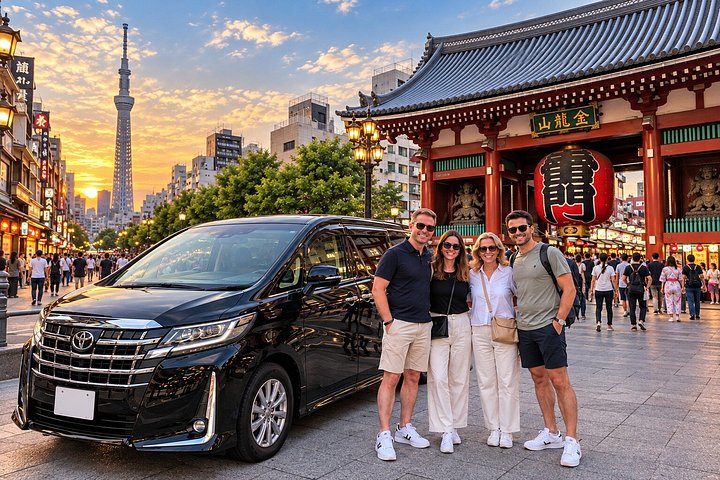
O melhor de Tóquio Private Custom Tour : Tsukiji, Asakusa & Meiji-jingu
desdeUS$ 158US$ 134
Categorias em Tóquio
As descrições são apresentadas em inglês.
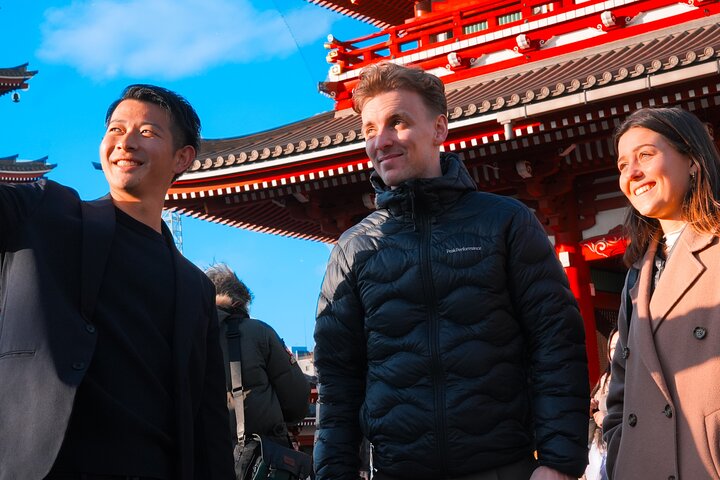
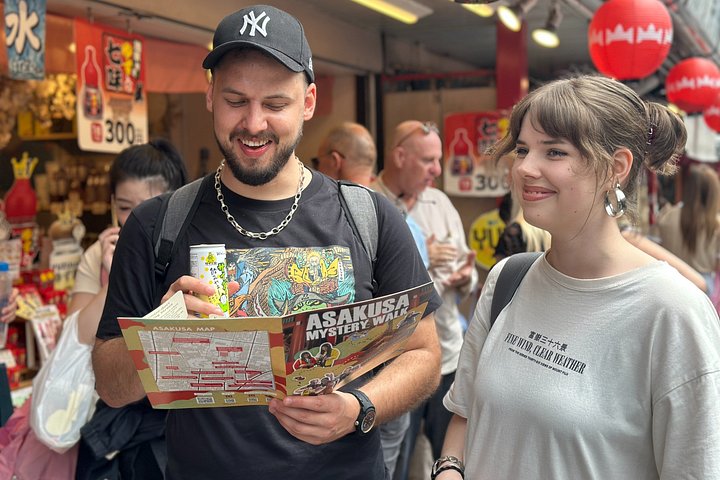
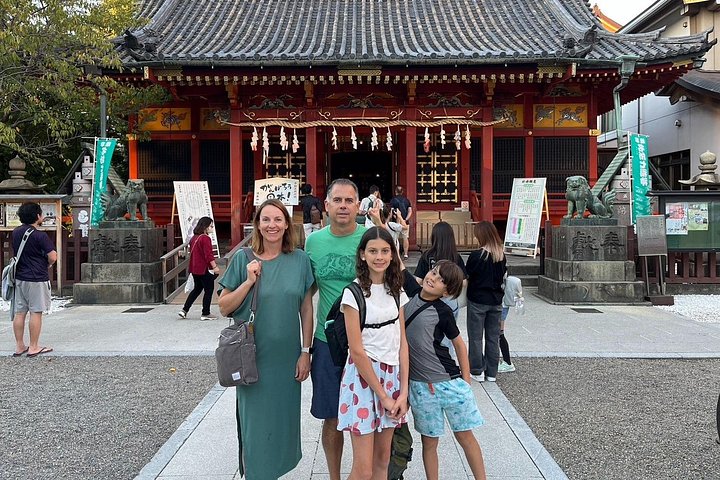
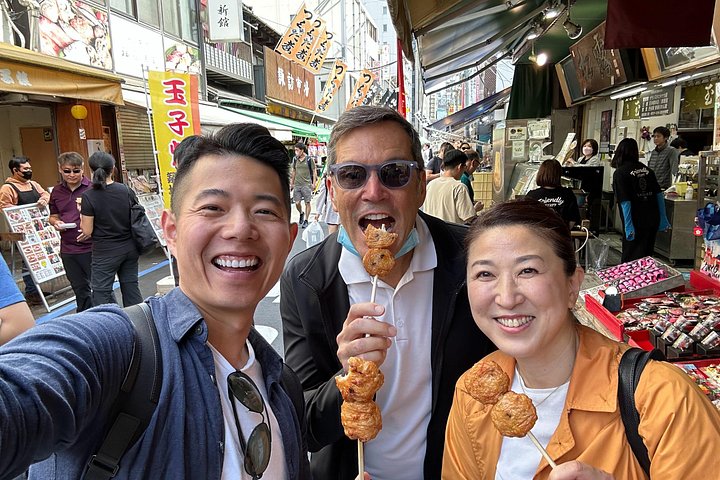
Discover two contrasting yet inseparable sides of Asakusa on a Big-Picture History Walk designed to help you understand Japan itself. First, explore Asakusa’s sacred heart—Sensō-ji and Asakusa Shrine—while discovering how Buddhism and Shinto coexist, how Japan moved from isolation to global engagement, and how ukiyo-e influenced Western art. Then step into the secular culture that grew around the temple. See how pilgrims created demand for shops, food and entertainment, transforming Asakusa into Tokyo’s leading entertainment district before Shinjuku and Shibuya. Explore nostalgic streets, traditional theater areas and working-class Hoppy Street while tasting selected Japanese snacks and sweets. Choose the Small Group option to share this carefully designed journey with other travelers, or upgrade to Private for a guide exclusively for your group, a more flexible pace, and more freedom to explore the subjects that interest you most.
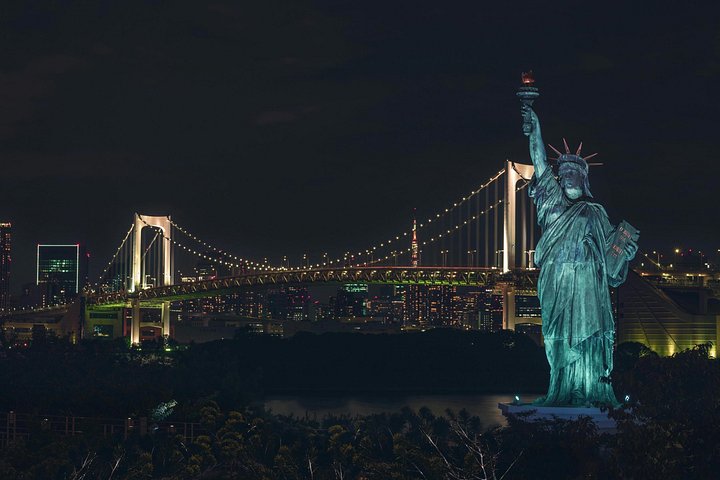
Begin along the Sumida River, where the story of Japan’s isolation and opening to the world comes alive. Learn why the Edo shogunate sealed the country for over 200 years, why the Netherlands alone was permitted to trade, and how Admiral Perry’s arrival forced Japan to reopen. The guide connects this past to modern Tokyo—right down to Odaiba’s former gun batteries and today’s Statue of Liberty replica facing the Pacific.
Get a clear introduction to Japan’s two major religions, Buddhism and Shinto, setting the foundation for everything you’ll see ahead.
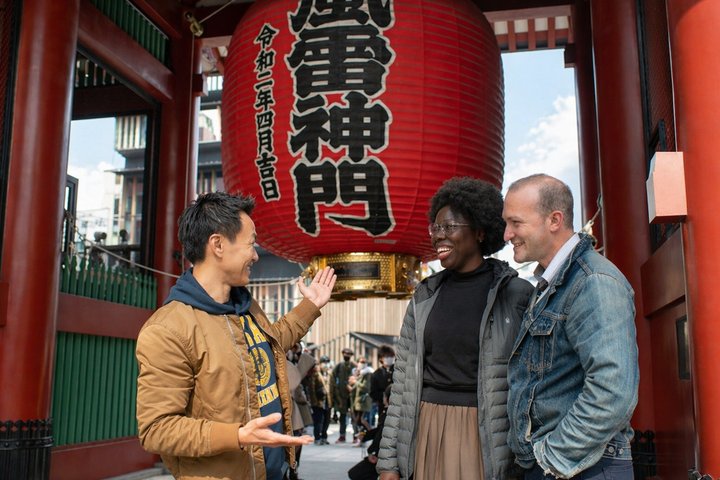
At Asakusa’s iconic gate, explore the fascinating contrast between Japanese and Western dragons—and learn why the Japanese dragon plays exactly an opposite role from the Western one.
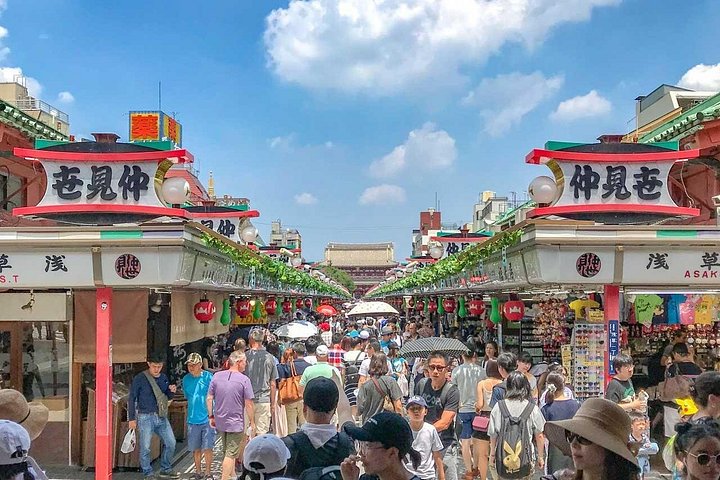
Stroll through one of Japan’s oldest shopping streets while learning about Buddhist symbols like the vajra (tokko) and the world-changing impact of ukiyo-e woodblock prints. Discover how these prints unexpectedly reached Europe—and inspired Western Impressionist painters.
Here, your guide reveals a surprising truth: people in Japan and the West shared remarkably similar ways of thinking 1,000 years ago.
Tokyo’s oldest Buddhist temple offers another striking comparison between medieval Japan and Europe, along with a clear explanation of how prayer differs in Buddhism and Shinto.
To those familiar with religions, it is unfathomable that Busshist temple and shinto shrine coexist on the same premises and share both their origins and worshipers. In that sense, Asakusa shrine is not just another shinto shrine in Japan. The guide will tell you why and you will find how these two religions are ingrained in life of the ordinary Japanese.
While the Yōgōdō Hall houses the “Twelve Zodiac Guardian Deities,” it’s the only place at Sensō-ji where you can receive a goshuin. A goshuin is a sacred temple seal, hand-written in beautiful calligraphy by a monk or temple staff member.
Compared with the busy souvenir stalls of Nakamise Street, this small shopping street offers a quieter, nostalgic atmosphere. Enjoy the respite away from the bustling Nakamise.
While Sensō-ji represents spiritual Asakusa, this area represents its entertainment culture. Before Shinjuku or Shibuya became famous, this was the place to come for modern entertainment.
While Sensō-ji represents spiritual Asakusa, Hoppy Street shows us its working-class soul. This narrow lane is famous for old-style Japanese pubs where people sit at small outdoor tables, eat grilled skewers, and drink from early afternoon, embodying a symbol of postwar recovery and working-class resilience.
While Sensō-ji represents sacred Asakusa, this area is known for laughter and entertainment. Feel the atmosphere of the city’s most exciting place in the early 20th century, a hub of modern culture: cinemas, comedians, variety shows, and popular theater.
Cancelamento gratuito até 24 horas antes do início, com reembolso total.
4,8
As classificações vêm de 164 avaliações recolhidas pelo nosso parceiro de reservas. São as palavras dos viajantes, pela ordem em que foram escritas — nunca reordenadas para favorecer a experiência.
Bairros de néon, santuários calmos, comida excelente e zonas distintas formam Tóquio, metrópole vasta e ordenada com comboios pontuais.
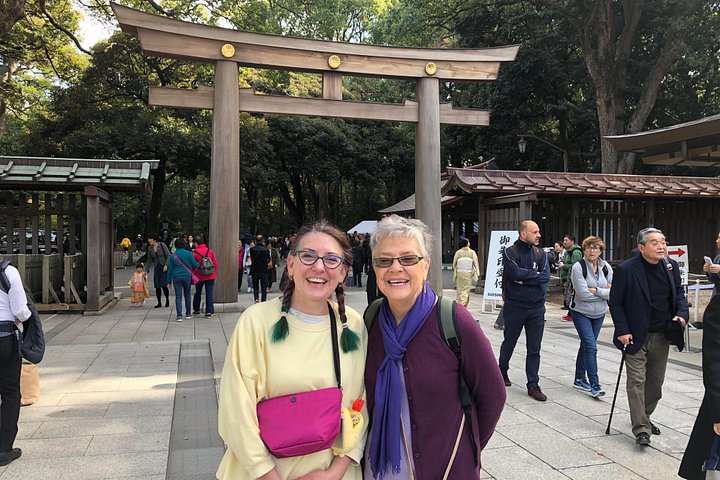
Cada distrito parece uma cidade própria. O famoso cruzamento de Shibuya e as torres, os bares e as vielas de Golden Gai em Shinjuku pulsam de energia, enquanto Harajuku junta a moda jovem à calma arborizada do santuário Meiji Jingu. Em Asakusa, o templo Sensō-ji e a sua rua comercial mantêm vivo um Tóquio mais antigo, e Ginza oferece elegantes grandes armazéns e galerias.
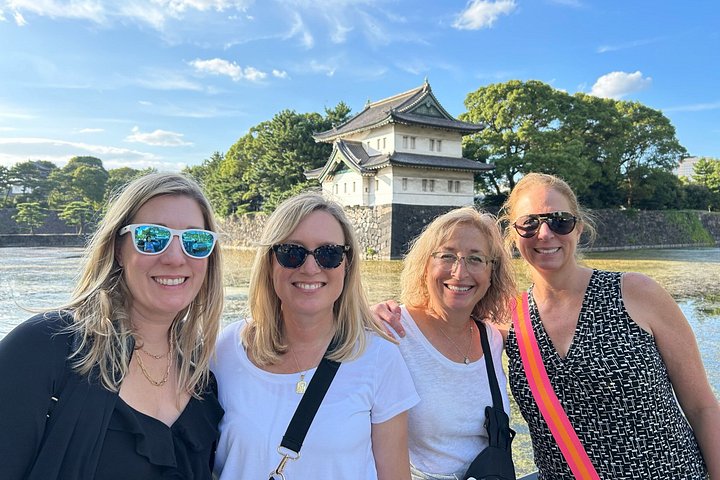
Top-ranked sights in Tóquio: Senso-ji Temple (Asakusa Temple), Tokyo Imperial Palace, Meiji Shrine (Meiji Jingu).
Os preços riscados vêm do operador, nunca de nós.
desdeUS$ 158US$ 134
desdeUS$ 452US$ 407
desdeUS$ 278US$ 255
desdeUS$ 199US$ 189


Adicione Ticket Hall ao seu ecrã principal
Bilhetes e guias das cidades a um toque, mesmo sem ligação.
Ticket Hall