Asakusa Big-Picture History Walk: Small Group or Private
설명은 영어로 표시됩니다.
- 3시간 30분
- 시작 24시간 전까지 무료 취소
- 2개 언어
- 즉시 확정
하이라이트
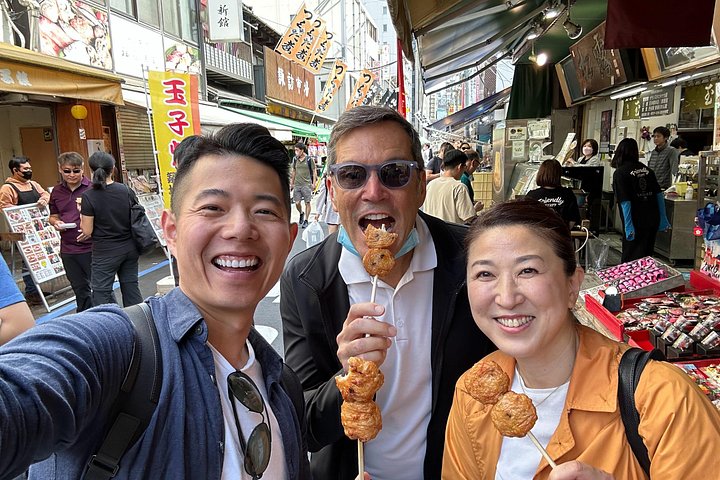
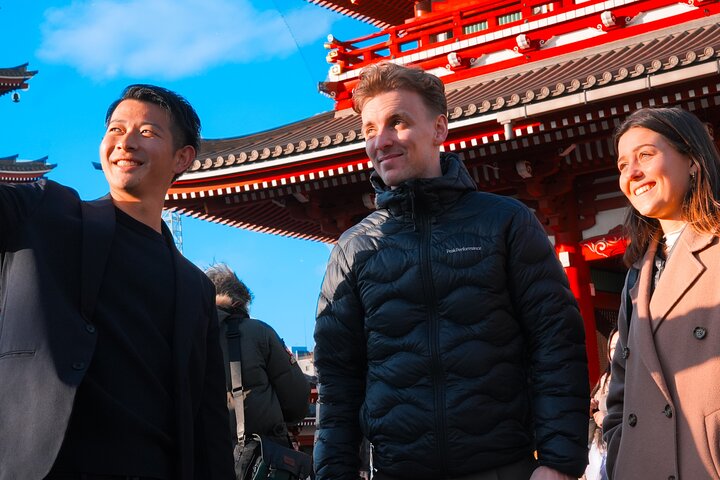
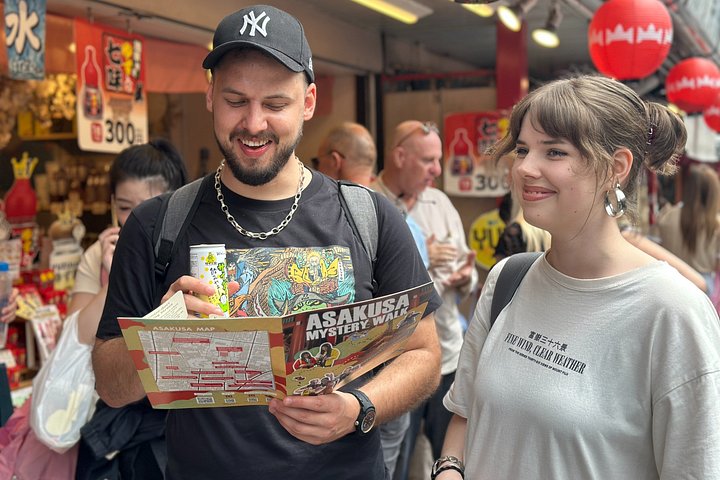
Discover two contrasting yet inseparable sides of Asakusa on a Big-Picture History Walk designed to help you understand Japan itself. First, explore Asakusa’s sacred heart—Sensō-ji and Asakusa Shrine—while discovering how Buddhism and Shinto coexist, how Japan moved from isolation to global engagement, and how ukiyo-e influenced Western art. Then step into the secular culture that grew around the temple. See how pilgrims created demand for shops, food and entertainment, transforming Asakusa into Tokyo’s leading entertainment district before Shinjuku and Shibuya. Explore nostalgic streets, traditional theater areas and working-class Hoppy Street while tasting selected Japanese snacks and sweets. Choose the Small Group option to share this carefully designed journey with other travelers, or upgrade to Private for a guide exclusively for your group, a more flexible pace, and more freedom to explore the subjects that interest you most.
포함 사항
포함되는 것
- Your choice of English- or Japanese-speaking guide
- Selection of Japanese sweet snacks (e.g. melon pan, rice dumpling, rice cracker, sweet puffed rice).
포함되지 않는 것
- Hotel pickup and drop-off
- Food and drinks, except those specified
일정
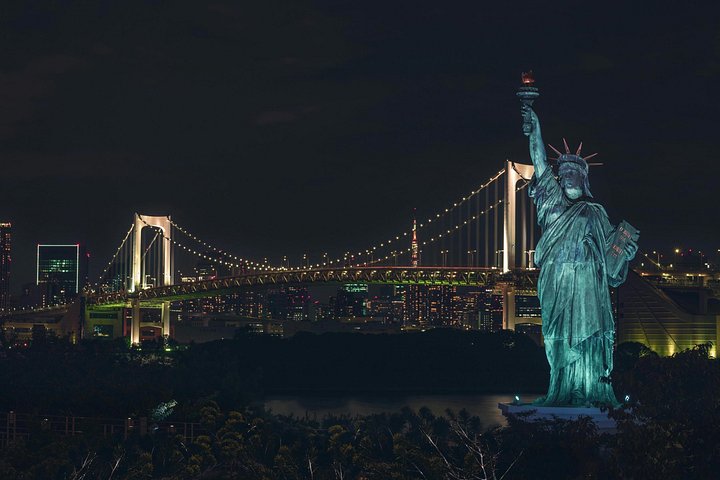
Begin along the Sumida River, where the story of Japan’s isolation and opening to the world comes alive. Learn why the Edo shogunate sealed the country for over 200 years, why the Netherlands alone was permitted to trade, and how Admiral Perry’s arrival forced Japan to reopen. The guide connects this past to modern Tokyo—right down to Odaiba’s former gun batteries and today’s Statue of Liberty replica facing the Pacific.
Get a clear introduction to Japan’s two major religions, Buddhism and Shinto, setting the foundation for everything you’ll see ahead.
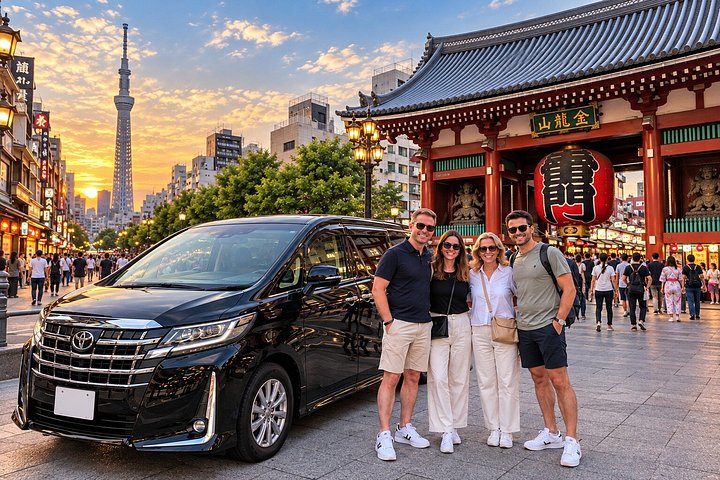
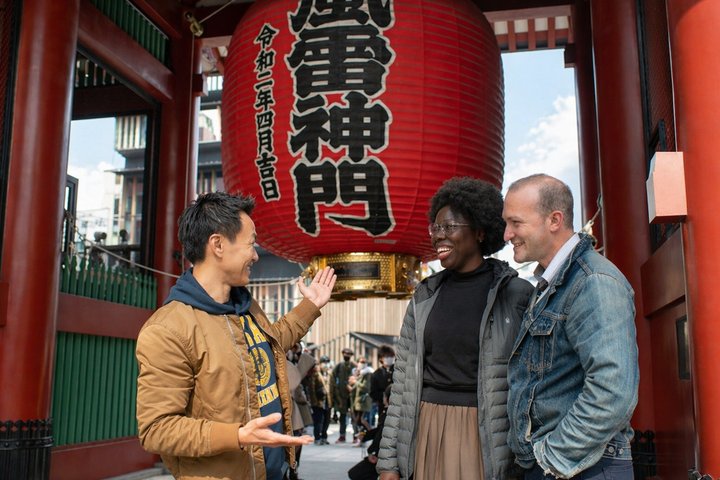
At Asakusa’s iconic gate, explore the fascinating contrast between Japanese and Western dragons—and learn why the Japanese dragon plays exactly an opposite role from the Western one.
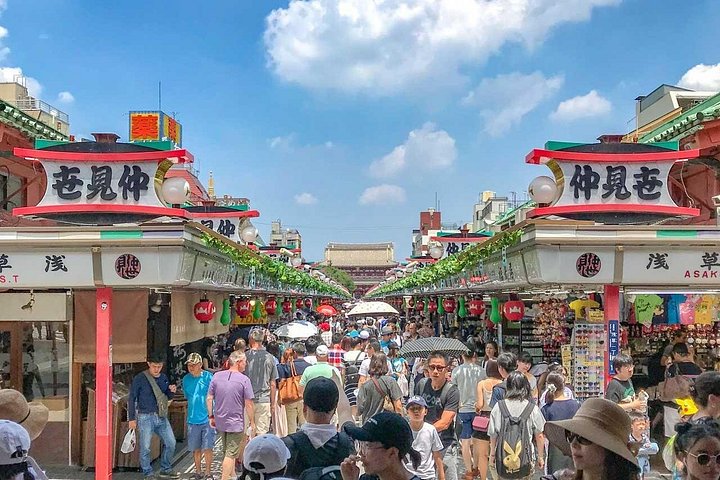
Stroll through one of Japan’s oldest shopping streets while learning about Buddhist symbols like the vajra (tokko) and the world-changing impact of ukiyo-e woodblock prints. Discover how these prints unexpectedly reached Europe—and inspired Western Impressionist painters.
Here, your guide reveals a surprising truth: people in Japan and the West shared remarkably similar ways of thinking 1,000 years ago.
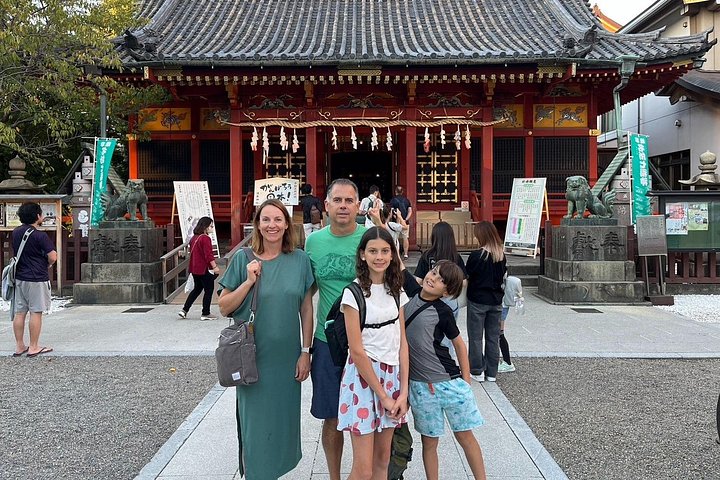
Tokyo’s oldest Buddhist temple offers another striking comparison between medieval Japan and Europe, along with a clear explanation of how prayer differs in Buddhism and Shinto.
To those familiar with religions, it is unfathomable that Busshist temple and shinto shrine coexist on the same premises and share both their origins and worshipers. In that sense, Asakusa shrine is not just another shinto shrine in Japan. The guide will tell you why and you will find how these two religions are ingrained in life of the ordinary Japanese.
While the Yōgōdō Hall houses the “Twelve Zodiac Guardian Deities,” it’s the only place at Sensō-ji where you can receive a goshuin. A goshuin is a sacred temple seal, hand-written in beautiful calligraphy by a monk or temple staff member.
Compared with the busy souvenir stalls of Nakamise Street, this small shopping street offers a quieter, nostalgic atmosphere. Enjoy the respite away from the bustling Nakamise.
While Sensō-ji represents spiritual Asakusa, this area represents its entertainment culture. Before Shinjuku or Shibuya became famous, this was the place to come for modern entertainment.
While Sensō-ji represents spiritual Asakusa, Hoppy Street shows us its working-class soul. This narrow lane is famous for old-style Japanese pubs where people sit at small outdoor tables, eat grilled skewers, and drink from early afternoon, embodying a symbol of postwar recovery and working-class resilience.
While Sensō-ji represents sacred Asakusa, this area is known for laughter and entertainment. Feel the atmosphere of the city’s most exciting place in the early 20th century, a hub of modern culture: cinemas, comedians, variety shows, and popular theater.
취소 규정
체험 시작 24시간 전까지 무료로 취소하고 전액 환불받을 수 있습니다.
후기
4.8
- 5142
- 414
- 32
- 25
- 11
평점은 저희 예약 파트너가 모은 후기 164개를 바탕으로 합니다. 여행자가 직접 쓴 글을 쓰인 순서 그대로 보여주며, 체험을 좋아 보이게 하려고 순서를 바꾸지 않습니다.
출발 전 알아둘 점
- 미팅 장소
- The meeting place is in front of a Burger King restaurant right next to Exit 4 of Asakusa subway station (G19) on the Ginza line. Please step outside when you reach Exit 4. See below for details.
- 픽업
- 모두 출발 장소에서 모이며, 픽업은 없습니다.
- 티켓 종류
- Mobile or paper ticket accepted
- 그룹 규모
- 최대 8명
- 운영사
- Arumachi
- Wheelchair accessible
- Infants and small children can ride in a pram or stroller
- Service animals allowed
- Public transportation options are available nearby
- Infants are required to sit on an adult’s lap
- Transportation options are wheelchair accessible
- All areas and surfaces are wheelchair accessible
- Suitable for all physical fitness levels
How it compares in Tokyo
- Its from-price is 70% below the median of the 731 시티 투어 we list in Tokyo.
- It is shorter than most of them.
- By number of reviews it ranks 27 of 731.
- The operator lists free cancellation on it.
About Tokyo
Neon-lit districts, quiet shrines, superb food and distinct neighbourhoods make up Tokyo, a vast, orderly metropolis linked by punctual trains.
Every district feels like its own city. Shibuya's famous scramble crossing and Shinjuku's towers, bars and Golden Gai alleys pulse with energy, while Harajuku mixes youth fashion with the forested calm of the Meiji Jingu shrine. In Asakusa, the Sensō-ji temple and its market street keep an older Tokyo alive, and Ginza offers polished department stores and galleries.
Top-ranked sights in Tokyo: Senso-ji Temple (Asakusa Temple), Tokyo Imperial Palace, Meiji Shrine (Meiji Jingu).
Tokyo 특가
할인 전후 가격은 운영사가 정한 것이며, 저희가 붙인 것이 아닙니다.