Anuradhapura & Mihintale Private Day Tour From Trincomalee
- 12–14 hours
- Free cancellation up to 24h before
- 5 languages
- Instant confirmation
Highlights
Embark on an extraordinary adventure that commences at 6:00 AM, as our reliable driver arrives to whisk you away from your hotel in Trincomalee. This captivating tour takes you on a remarkable journey through Anuradhapura, where you'll discover the splendor of eight iconic sites, including the revered Sri Maha Bodhiya and the majestic Ruwanweliseya. To add to the allure, you'll also visit the sacred Mihinthalaya. What sets this tour apart is its immersive exploration of Anuradhapura's historical treasures, allowing you to unravel the ancient mysteries of this UNESCO World Heritage site. From ancient temples to sacred relics, each site holds profound significance and showcases the rich cultural heritage of Sri Lanka. As an added treat, you'll savor a delightful Sri Lankan traditional lunch. This unique blend of historical discovery and culinary delight makes this tour an absolute must for travelers seeking a truly enriching and unforgettable experience in the heart of Sri Lanka.
Inclusions
What's included
- Private transportation
- All entrance Fees Of Mihinthalaya.
- WiFi on board
- Bottled water
- Snacks
- All entrance Fees Of Anuradhapura Ancient City.
- All Fees and Taxes
- Air-conditioned vehicle
- Use of bicycle
- Western or Sri Lankan Traditional Buffet Lunch
Itinerary
Jaya Sri Maha Bodhi is a historical sacred bo tree (Ficus religiosa) in the Mahamewuna Garden in historical city of Anuradhapura, Sri Lanka. This is believed to be a tree grown from a cutting of the southern branch from the historical sacred bo tree, Sri Maha Bodhi, which was destroyed during the time of Emperor Ashoka the Great, at Buddha Gaya in India, under which Siddhartha Gautama (Buddha) attained Enlightenment.
The Ruwanweli Maha Seya, also known as the Mahathupa, is a stupa in Anuradhapura, Sri Lanka. Two quarts or one Dona of the Buddha's relics are enshrined in the stupa, making it the largest collection of his relics anywhere.
Thuparamaya is considered to be the first Stupa built in Anuradhapura, after the introduction of Buddhism to Sri Lanka. It is also one of the “Atamasthana” (8 most sacred places of Buddhists in Sri Lanka). The stupa was built during the reign of King Devanampiyathissa (307 BC to 267 BC). It is believed that the stupa enshrines the right collarbone Relic of the Lord Buddha.
The Lovamahapaya is one of the Eight Sacred places known as “Atamasthana” and it is located in the Sacred City of Anuradhapura in North Central Province, Sri Lanka. When you walk towards Ruwanweliseya from Sri Maha Bodhiya, The Lovamahapaya can be seen on your right-hand side.
Abhayagiri Stupa is the second highest stupa in the country. The stupa was built by King Valagamba was also known as Vattagamani Abhaya and Valagambahu in 1st century BC.
The Jetavanarama Stupa was built by the King Mahasen (276-303). During the reign of King Mahasen, this has become a center of Sagalika sect (also it is said that Sagalika sect has started in Jetavanaramaya). This stupa was rehabilitated for the last time by King Parakramabahu in the 12th century.
The stupa was built during the 1st century B.C. by King Walagamba (89 B.C. – 77 B.C.). According to chronicles, this place was also known by as Silasobbakandaka and Galhebakada. Initially, this stupa was known as Somarama Stupa in commemoration of Queen Soma who saved the life of the king.
The Mirisawetiya stupa has been built by the king Dutugemunu (161BC – 137BC) after defeating South Indian invader king Elara. According to the legends, one day the King Dutugemunu had gone to Tissa Wewa for a bath leaving the scepter here. Once he returns to the scepter, it is said that it could not be moved from that place. As a result, the King has constructed this Stupa on the place where the scepter stuck.
Mihintale is a mountain peak near Anuradhapura in Sri Lanka. It is believed by Sri Lankans to be the site of a meeting between the Buddhist monk Mahinda and King Devanampiyatissa which inaugurated the presence of Buddhism in Sri Lanka.
Jethawanaramaya is one of the tallest brick structures in the ancient world, built by King Mahasena in the 3rd century AD. This massive stupa once stood over 120 meters high and was part of the Jetavana monastery, symbolizing the power of Theravāda Buddhism.
Kuttam Pokuna, or the Twin Ponds, are ancient bathing tanks showcasing advanced hydraulic engineering. Built for Buddhist monks, these symmetrical stone pools reflect the sophistication of Anuradhapura’s water management systems.
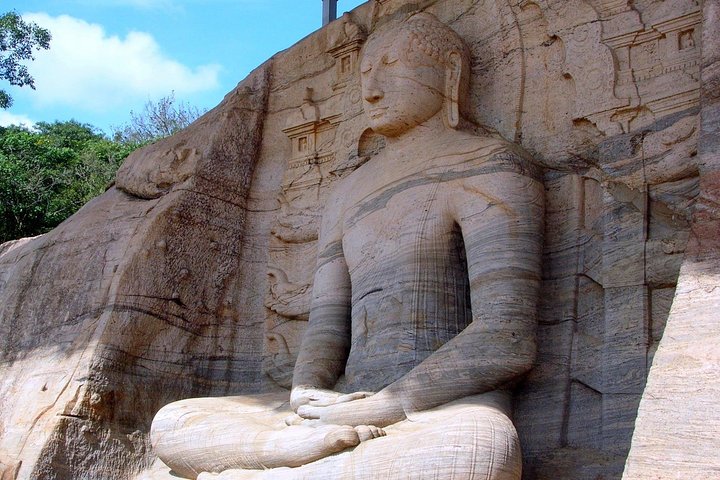
The Samadhi Buddha Statue is a serene granite sculpture depicting the Buddha in deep meditation. Dating back to the 4th century AD, it exemplifies the spiritual tranquility and artistic excellence of Anuradhapura’s sculptural heritage.
Cancellation
Free cancellation up to 24 hours before the experience starts, for a full refund.
Know before you go
- Pickup
- Pickup is included for everyone.
- Ticket type
- Mobile or paper ticket accepted
- Operated by
- Classical Lanka Tours
- Wheelchair accessible
- Infants and small children can ride in a pram or stroller
- Public transportation options are available nearby
- Specialized infant seats are available
- Transportation options are wheelchair accessible
- All areas and surfaces are wheelchair accessible
- Suitable for all physical fitness levels
How it compares in Batticaloa
- Its from-price is close to the median of the 52 day trips we list in Batticaloa.
- It is longer than most of them.
- The operator lists free cancellation on it.
About Batticaloa
Batticaloa, on Sri Lanka's east coast, is a lagoon town with an old Dutch fort, palm-lined shores and long sandy beaches a short way up the coast.
Batticaloa lies on a narrow strip of land between the Indian Ocean and a long lagoon on the east coast of Sri Lanka. The Portuguese built a fort here in 1628, and the Dutch took it ten years later; its stone walls still stand beside the lagoon, and bridges and islands break up the waterfront. The lagoon is lined with mangroves and fishing boats, and a humming sound said to rise from the water on still nights is known locally as the singing fish.