Visiting Beekeeper and Beeswax Craft Making in Bungoono City
As descrições são apresentadas em inglês.
- 3 horas
- Cancelamento gratuito até 24 h antes
- 2 idiomas
- Visita privada
Destaques
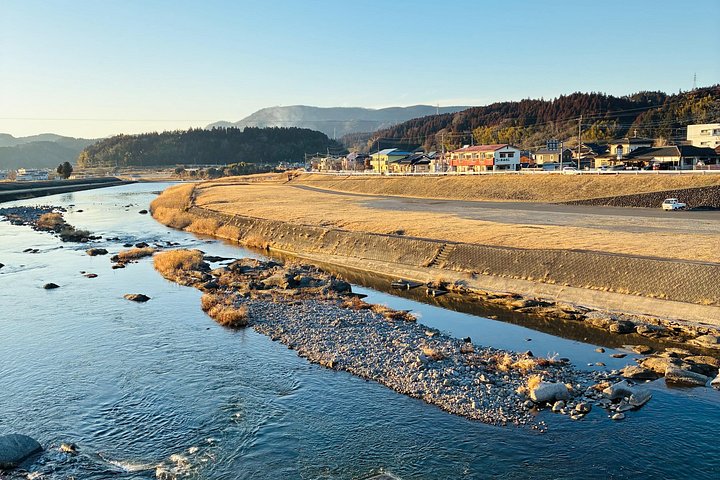
Japanese honeybees do not collect honey from specific plants (e.g. mandarin oranges), but from a variety of plants, which makes the honey unique to the area. Learn about the natural environment and local attractions of Bungo Ono and make your trip memorable by visiting a beekeeper and making crafts using beeswax under the guidance of a beekeeper. The ecological characteristics of Japanese honeybees and comparisons between Japanese honeybees and Japanese and Western honeybees are very interesting and provide an opportunity to learn about new honey attractions. Note: From November to early April, the bees are confined to their hives and can only be seen in the apiary. It is not possible to observe the inside of the hive. Note: This tour/activity requires a minimum of 2 participants
Inclui
O que está incluído
- Making craft with beeswax
- Instructor
Cancelamento
Cancelamento gratuito até 24 horas antes do início, com reembolso total.
Antes de ir
- Ponto de encontro
- We will meet at the local bus stop "Hatano-taku-mae". Please refer the Map code: 33.05845, 131.44281
- Recolha
- Todos se encontram no ponto de partida; não há recolha.
- Tipo de bilhete
- Mobile or paper ticket accepted
- Operado por
- 株式会社VISIT九州
- Not recommended for pregnant travelers
- Suitable for all physical fitness levels
How it compares in Oita
- Its from-price is 72% below the median of the 28 experiences we list in Oita.
- It is shorter than most of them.
- The operator lists free cancellation on it.
About Oita
Oita is the port capital of a Kyushu prefecture famous for hot springs, with a hill of wild monkeys, ancient stone Buddhas and fresh seafood.
Oita sits on Beppu Bay on the east side of Kyushu, a modern city in a prefecture that has more hot-spring sources than any other in Japan. Its centre has a castle park, wide avenues and covered shopping streets. The Takasakiyama Natural Zoological Garden, on a forested hill by the sea, is home to troops of wild Japanese macaques that come down to be fed.