-10 %Cancelamento gratuito
Full Day Tour of Luxor West Bank Temples and Tombs (Private)
desdeUS$ 32US$ 29
Categorias em Luxor
As descrições são apresentadas em inglês.
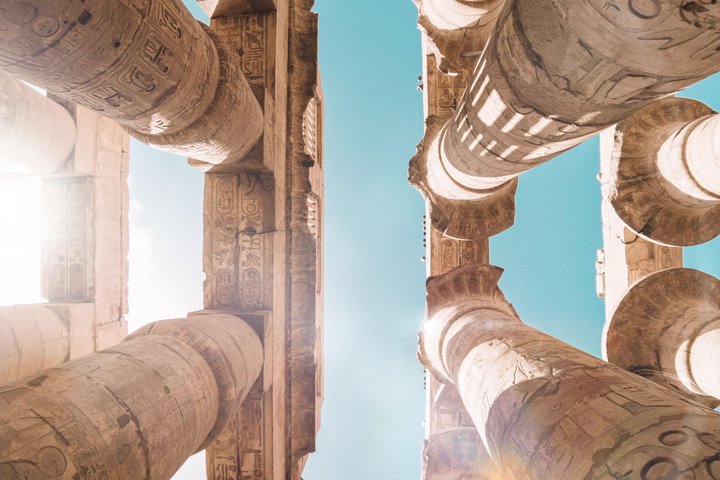
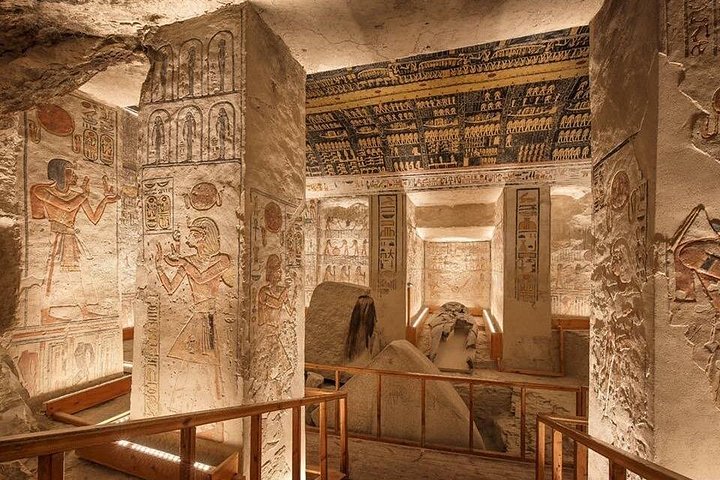
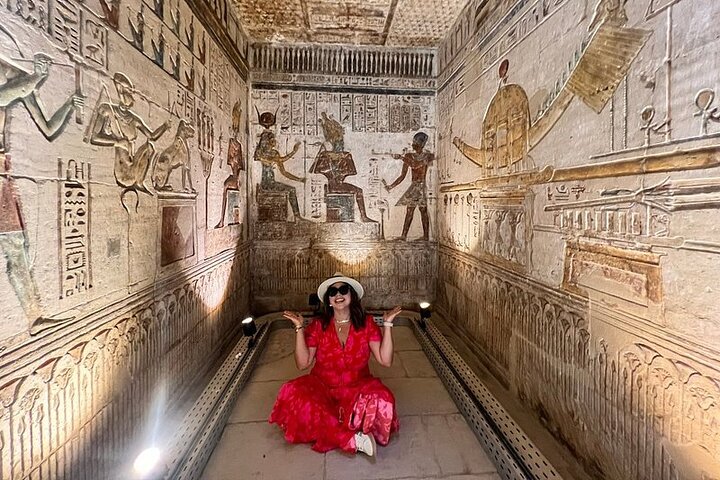
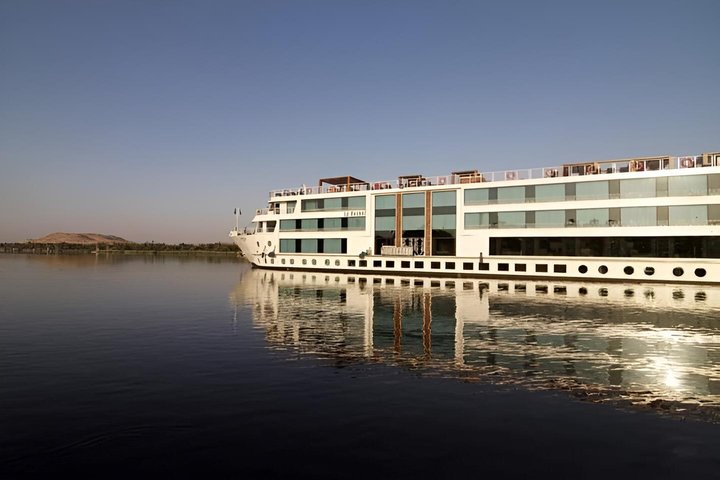
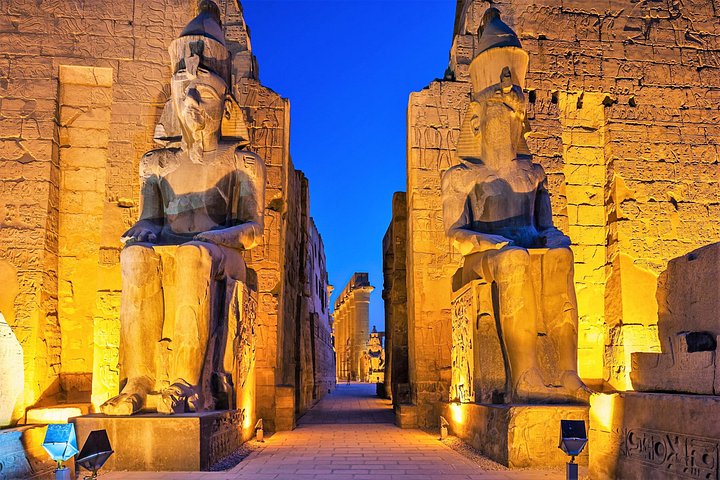
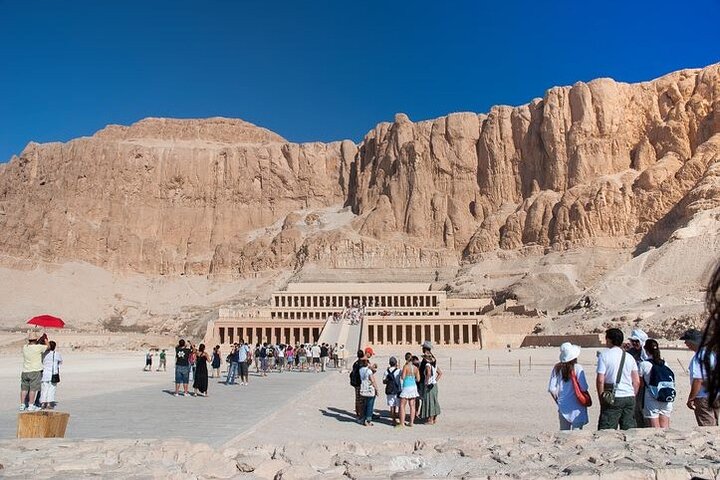
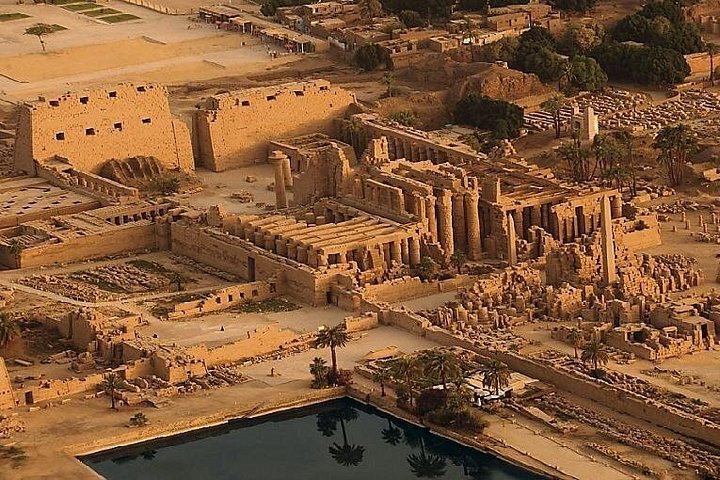
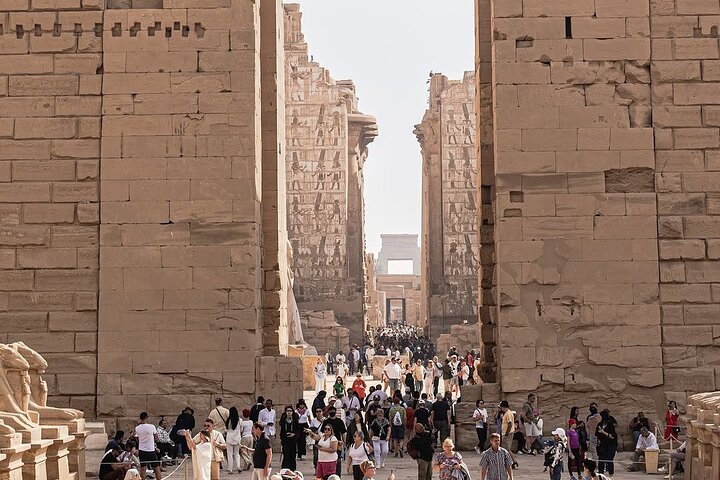
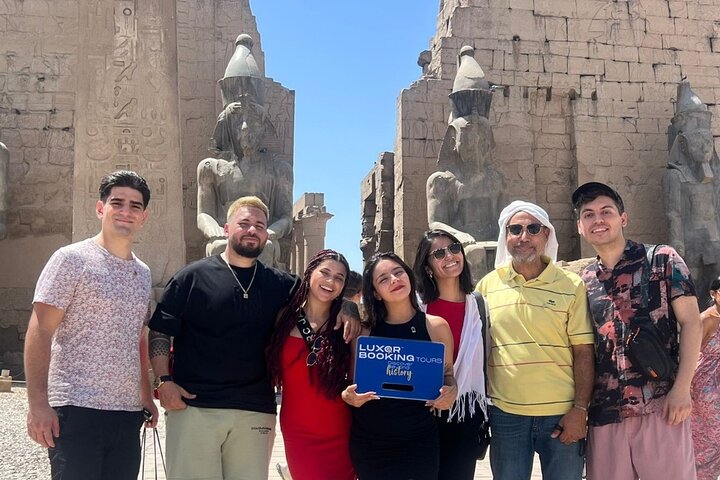
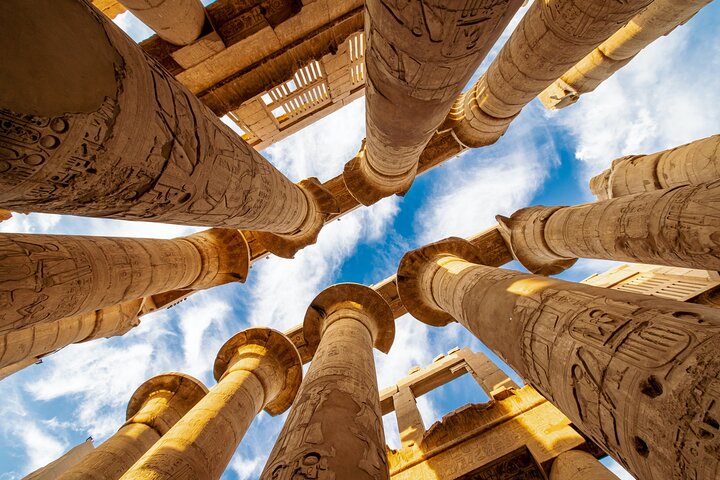
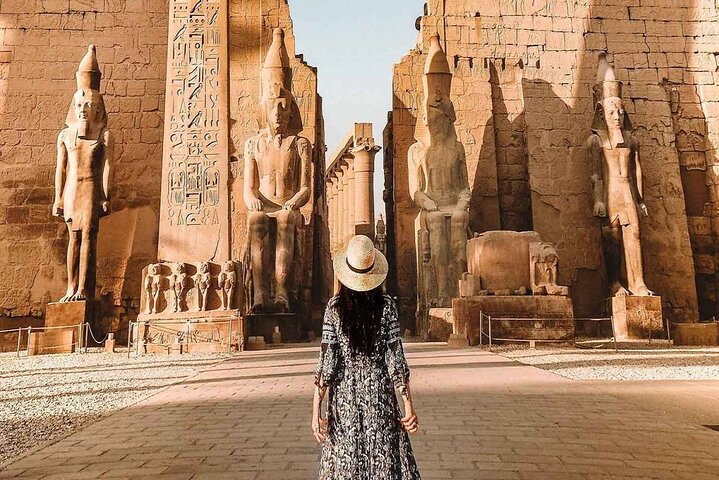
Enjoy a trip to discover Luxor's rich history by visiting its famous archaeological sites, including pharaonic temples and tombs, such as the Karnak and Luxor Temples, the Valley of the Kings, and Hatshepsut Temple. Must-see places in Luxor East Bank Temples: Karnak Temple: A massive temple complex dating back to different eras. Luxor Temple: Also known as "the greatest open-air museum in the world." West Bank Tombs and Temples: Valley of the Kings: Featuring stunning pharaonic royal tombs. Valley of the Queens: Burial site of ancient Egyptian queens. Hatshepsut Temple: A unique funerary temple for Queen Hatshepsut. Medinat Habu Temple: A massive funerary temple for King Ramesses III. Ramesseum: Another memorial temple for King Ramesses II. Other Activities Ride a Nile Boat: Enjoy the breathtaking views along the riverbanks. Avenue of Sphinxes: Explore the unique route connecting Karnak Temple and Luxor Temple.
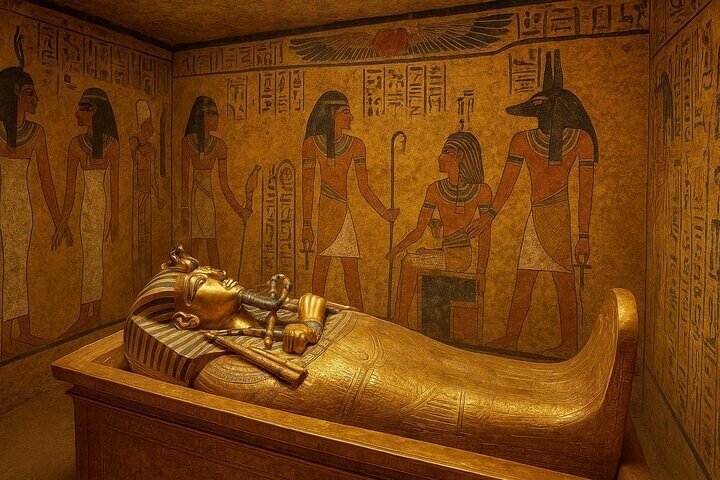
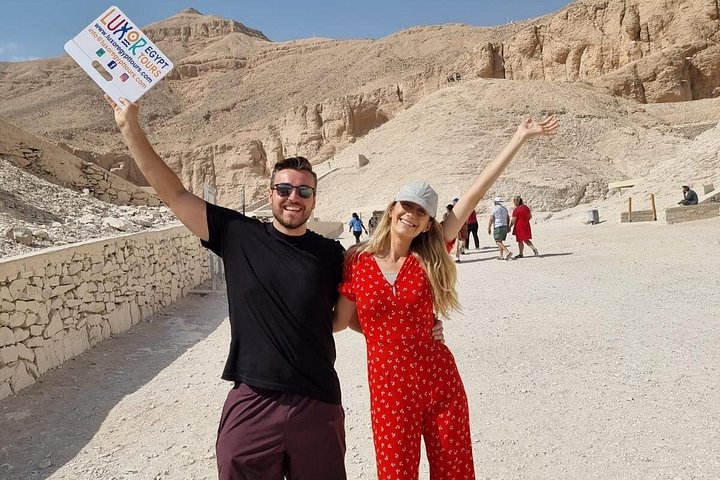
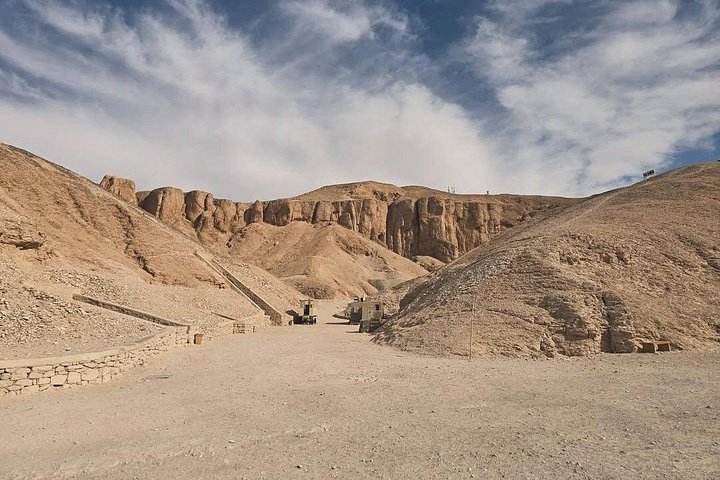
You will enjoy seeing the vally of the kings is the vally in Egypt that was used over a period of 500 years between the sixteenth and eleventh centuries bc.
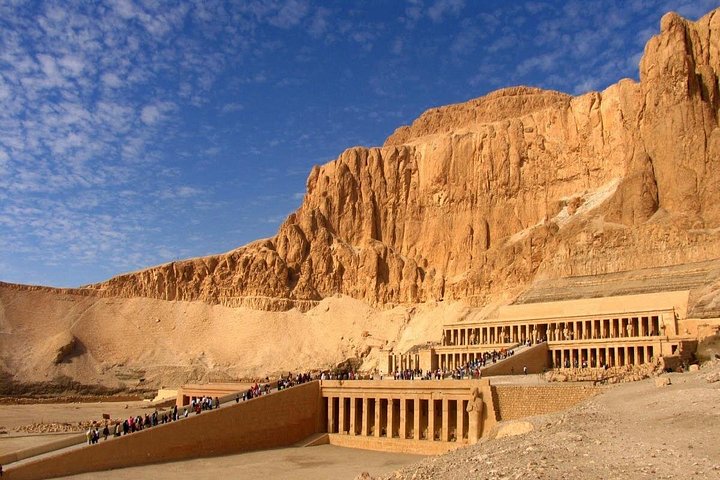
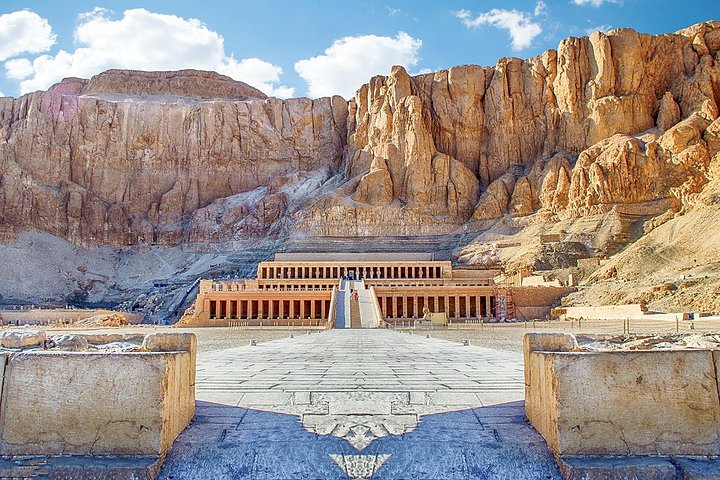
The Temple of Hatshepsut, or the Mortuary Temple of Hatshepsut, is a temple from the Eighteenth Dynasty of Egypt and the best-preserved of the temples built around 3,500 years ago at Deir el-Bahari in Egypt. It was built by Queen Hatshepsut on the west bank of the Nile opposite Thebes (the ancient capital of Egypt and seat of the Amun cult) (present-day Luxor). Hatshepsut's temple is distinguished by its unique architectural design, compared to the Egyptian temples built on the east bank of the Nile in Thebes. The temple consists of three successive floors arranged on open terraces. The temple was built of limestone, and limestone statues of the god Osiris and Queen Hatshepsut were beautifully arranged in front of the columns of the second floor. Originally, these statues were painted, but only a few traces of the colors remain. Some of the statues are in excellent condition, demonstrating the elegance and beauty of the temple's design.
The Colossi of Memnon are two massive stone statues of Pharaoh Amenhotep III (1386–1353 BC) from the Eighteenth Dynasty of ancient Egypt. The Colossi of Memnon depict Pharaoh Amenhotep III seated on his throne, wearing traditional royal clothing and headdresses typical of ancient Egypt. The statues are made of quartzite. The reason for their name, "Memnon," stems from a funny story: When the statues cracked in ancient Greece, especially the left one, they made sounds resembling sad singing due to the passage of air through the cracks. As the legend surrounding these two statues grew in importance, a Roman emperor decided to repair the cracks and fissures in the statues. Around 200 AD, the sound ceased forever. This phenomenon remained a long-standing source of interest for visitors and travelers to Egypt. The truth remains: these two statues are of King Amenhotep III, one of the kings of the 18th Dynasty, the most powerful ruling dynasty in ancient Egyptian history.
Located on the West Bank of Luxor, the Temple of Habu is known in ancient Egyptian as "The Temple of the One United with Eternity" or "The Temple of Millions of Years of Ramesses III." It is one of the largest funerary temples in ancient Egypt, boasting a unique architectural design that blends strength and beauty. Its massive walls are decorated with hieroglyphic inscriptions that tell stories of victories and military battles.
Cancelamento gratuito até 24 horas antes do início, com reembolso total.
Luxor ergue-se no local da antiga Tebas, com vastos templos na margem leste do Nilo e os túmulos reais do Vale dos Reis do outro lado do rio.
Na margem leste, o complexo do templo de Karnak estende-se por hectares de pilones, obeliscos e a floresta de colunas da sua Grande Sala Hipostila. Uma avenida de esfinges liga-o ao Templo de Luxor, no centro da cidade, especialmente evocador quando iluminado à noite. O Museu de Luxor e o Museu da Mumificação ficam ao longo da marginal do rio.
Top-ranked sights in Luxor: Valley of the Kings, Temple of Hatshepsut (at Deir el-Bahari), Colossi of Memnon.
Os preços riscados vêm do operador, nunca de nós.
desdeUS$ 32US$ 29
desdeUS$ 10US$ 10
desdeUS$ 10US$ 8
desdeUS$ 18US$ 14
Adicione Ticket Hall ao seu ecrã principal
Bilhetes e guias das cidades a um toque, mesmo sem ligação.
Ticket Hall