-15 %Cancelamento gratuito
Half Day East Bank Tour to Luxor and Karnak Temples (Private)
desdeUS$ 21US$ 18
Categorias em Luxor
As descrições são apresentadas em inglês.
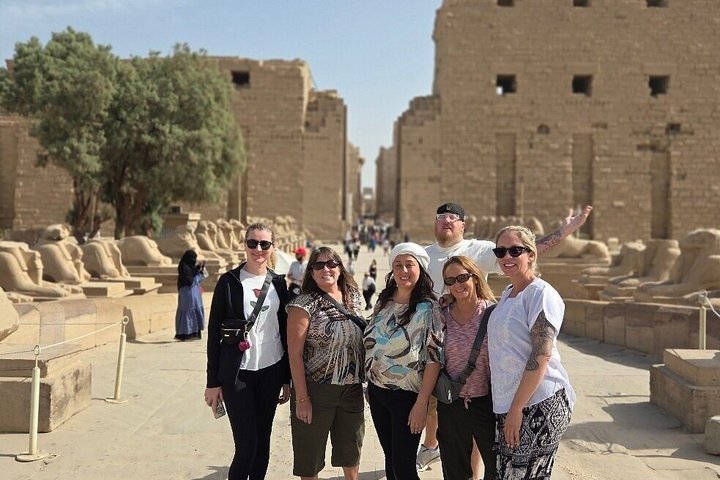
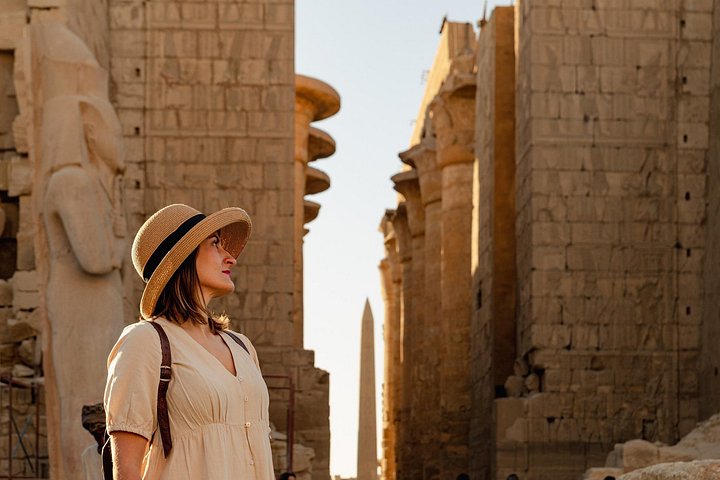
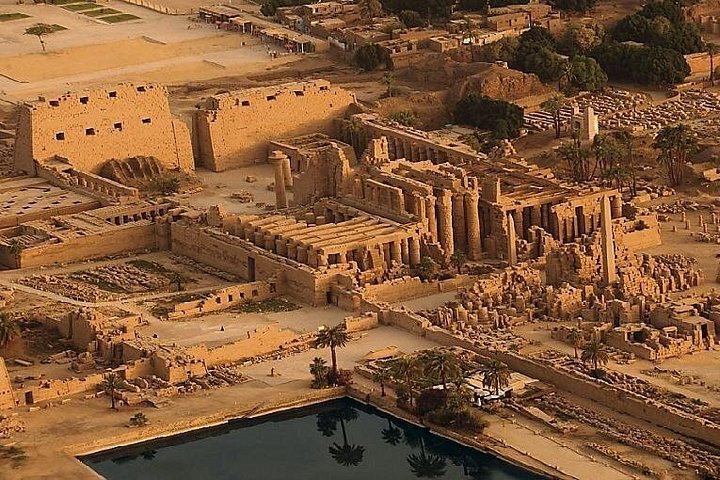
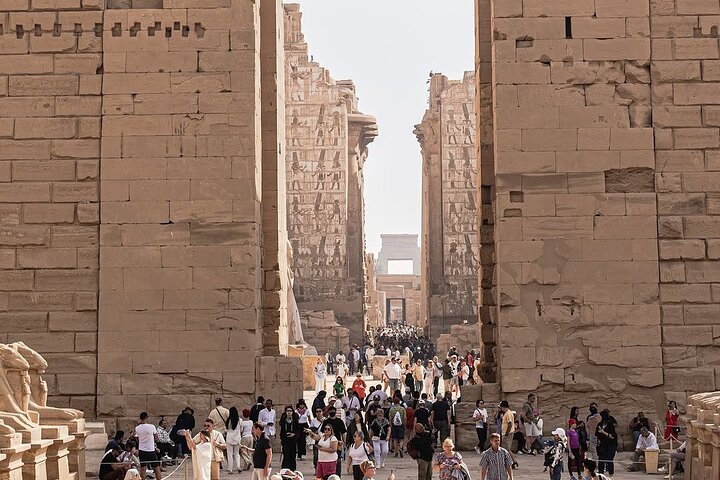
The Luxor Tour visiting Karnak Temple and Luxor Temple is a great way to explore the wonders of ancient Egypt. The Karnak Temple, also known as the Temple of Amun, is one of the most impressive archaeological sites in the world. Located on the east bank of Luxor, the temple is large in size and boasts many architectural marvels, colossal statues, and obelisks. The Luxor Temple, also located on the east bank of Luxor, is known as the Southern Opet, or 'place of solitude'. It is home to the deity Amenemope "Amun of the Opet".
Karnak Temple is an ancient archeological site located in the ancient city of Thebes in Luxor, Egypt. It is one of the largest and most impressive temples in the world, and is a popular attraction for tourists. The temple was originally built in the 16th century BCE and was dedicated to Amun-Ra, the chief deity of the Theban triad. The temple is made up of several courts, pylons, and obelisks and is characterized by its grandeur and complexity. It is widely considered to be the spiritual center of ancient Egyptian religion and was the largest and most important cult center in the country. The temple is a testament to the skill and creativity of the ancient Egyptian architects and engineers. It remains a powerful symbol of the ancient Egyptian civilization, and visitors to Karnak can still experience the awe and grandeur of this ancient temple.
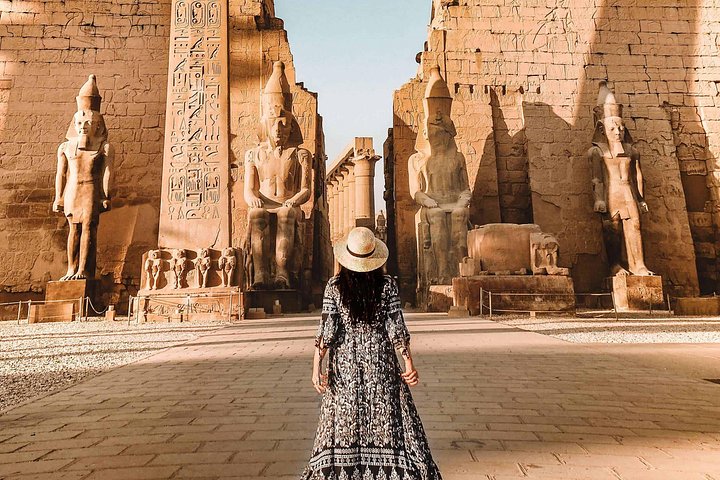
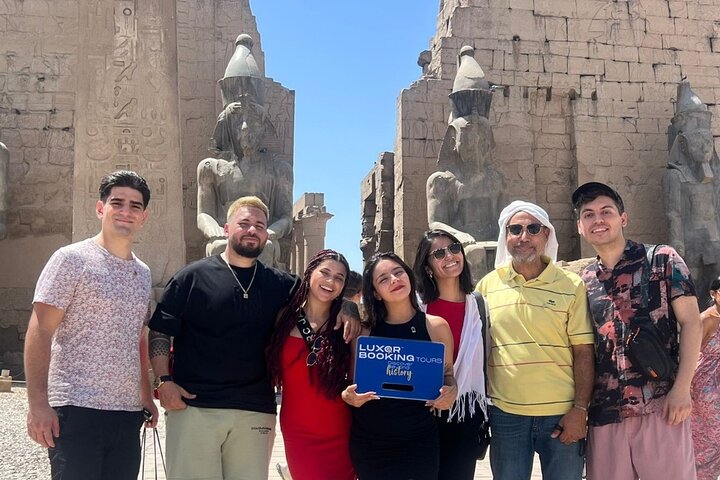
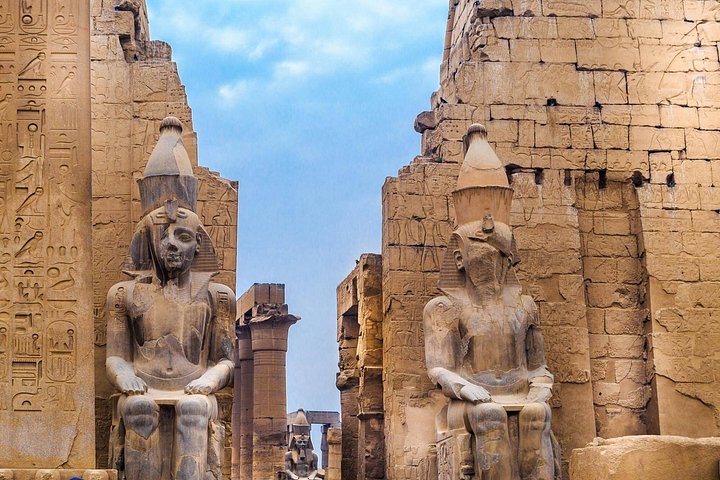
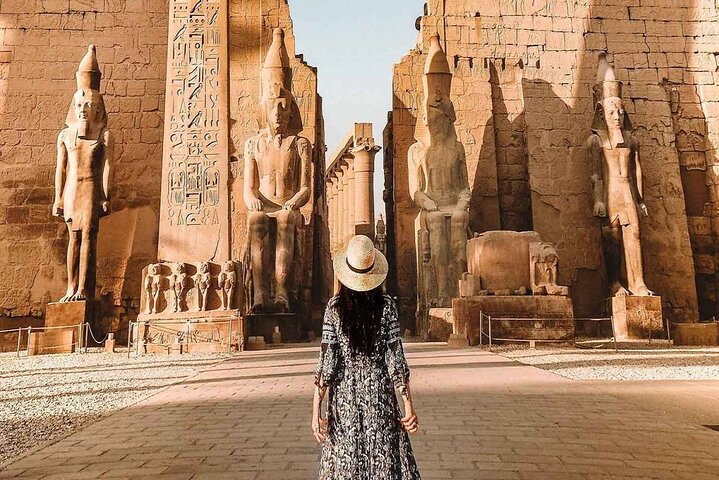
The Luxor Temple (Arabic: “The Temple of Luxor”) is a large Ancient Egyptian temple complex located on the east bank of the Nile River in the city today known as Luxor (ancient Thebes) and was constructed approximately 1400 BCE . It is one of the two primary temples on the east bank, the other being Karnak and is dedicated to the rejuvenation of kingship and may have been where many of the pharaohs of Egypt were crowned in reality or conceptually. The temple was built by Amenhotep III (1390-52 BC) but completed by Tutankhamun (1336-27 BC) and Horemheb (1323-1295 BC) and then added to by Rameses II (1279-1213 BC). It is the site of the modern city of Thebes and has been in almost continuous use as a place of worship right up to the present day. The temple has been inscribed on the UNESCO World Heritage List in 1979. The court of Rameses II was 188 feet (57 m) long, 168 feet (51 m) wide and surrounded with 74 papyrus columns .
Cancelamento gratuito até 24 horas antes do início, com reembolso total.
5,0
As classificações vêm de 2 avaliações recolhidas pelo nosso parceiro de reservas. São as palavras dos viajantes, pela ordem em que foram escritas — nunca reordenadas para favorecer a experiência.
Luxor ergue-se no local da antiga Tebas, com vastos templos na margem leste do Nilo e os túmulos reais do Vale dos Reis do outro lado do rio.
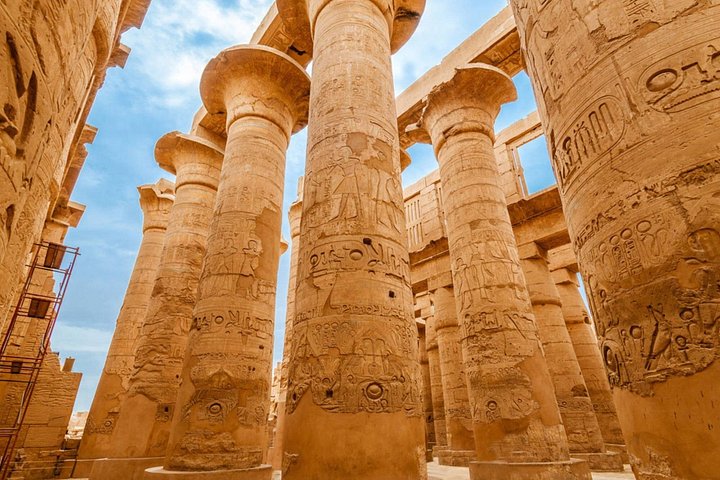
Na margem leste, o complexo do templo de Karnak estende-se por hectares de pilones, obeliscos e a floresta de colunas da sua Grande Sala Hipostila. Uma avenida de esfinges liga-o ao Templo de Luxor, no centro da cidade, especialmente evocador quando iluminado à noite. O Museu de Luxor e o Museu da Mumificação ficam ao longo da marginal do rio.
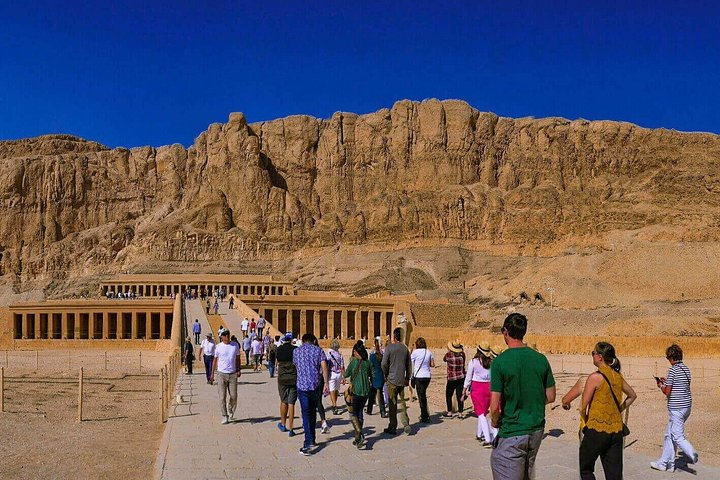
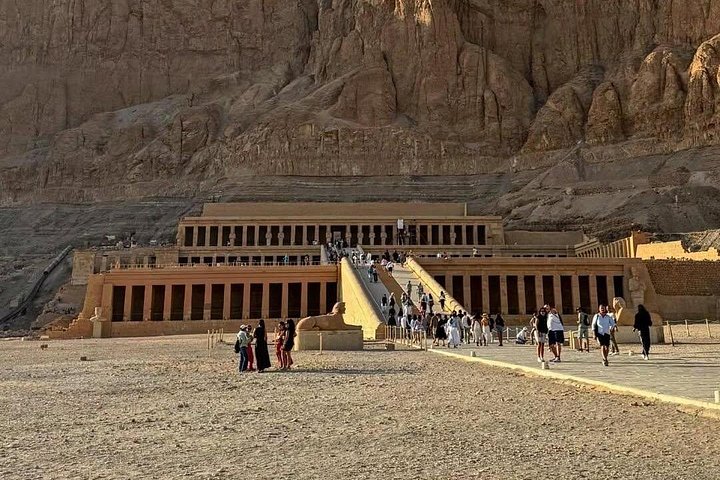
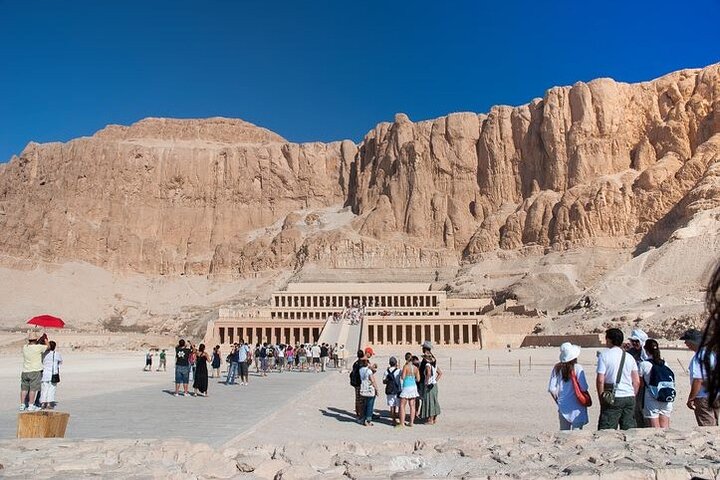
Top-ranked sights in Luxor: Valley of the Kings, Temple of Hatshepsut (at Deir el-Bahari), Colossi of Memnon.
Os preços riscados vêm do operador, nunca de nós.
desdeUS$ 21US$ 18
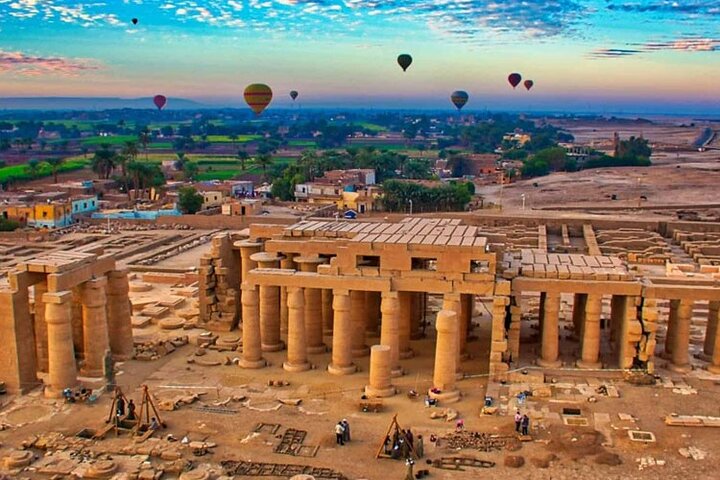
desdeUS$ 101US$ 91
desdeUS$ 46US$ 41
desdeUS$ 120US$ 84
desdeUS$ 458US$ 412
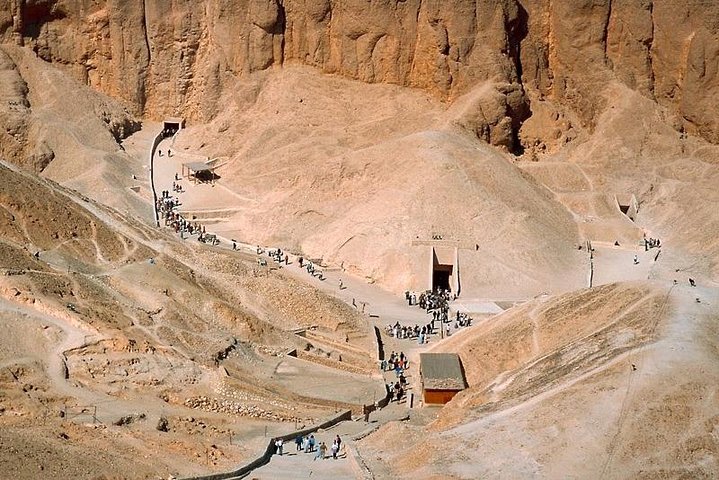
desdeUS$ 32US$ 29
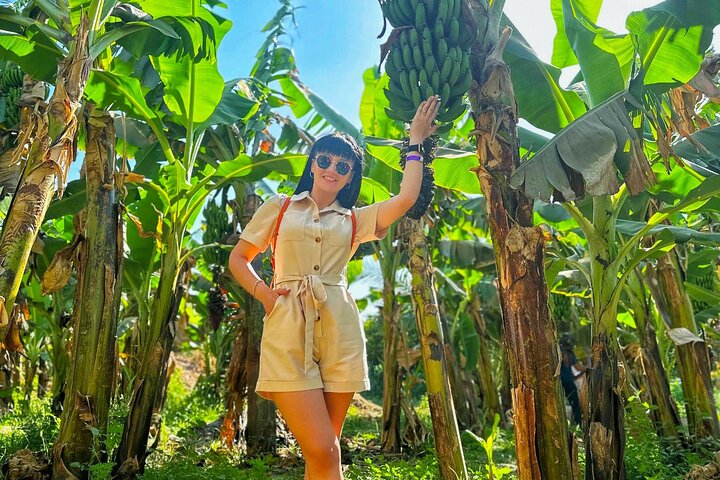
Adicione Ticket Hall ao seu ecrã principal
Bilhetes e guias das cidades a um toque, mesmo sem ligação.
Ticket Hall