خصم 15%إلغاء مجاني
Half Day East Bank Tour to Luxor and Karnak Temples (Private)
ابتداءً من21 US$18 US$
الأوصاف معروضة بالإنجليزية.
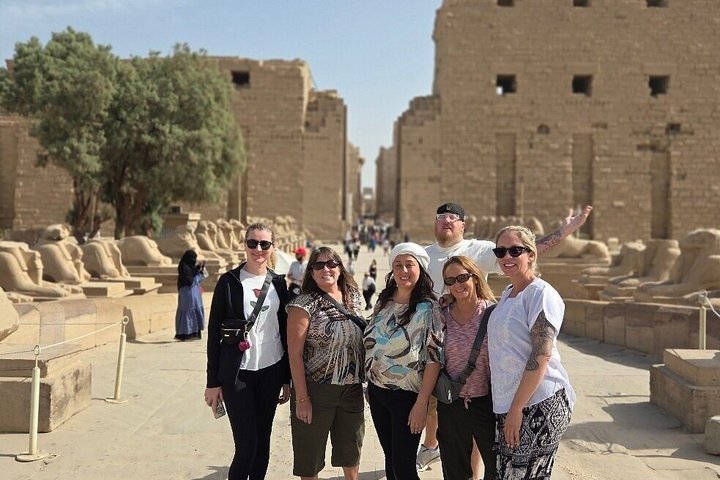
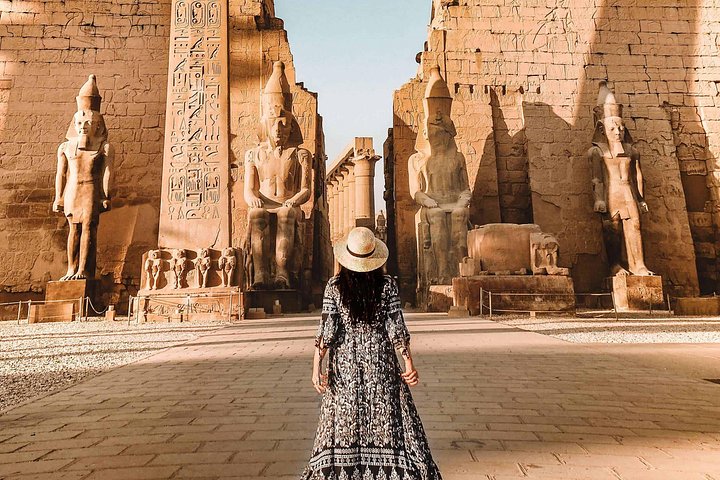
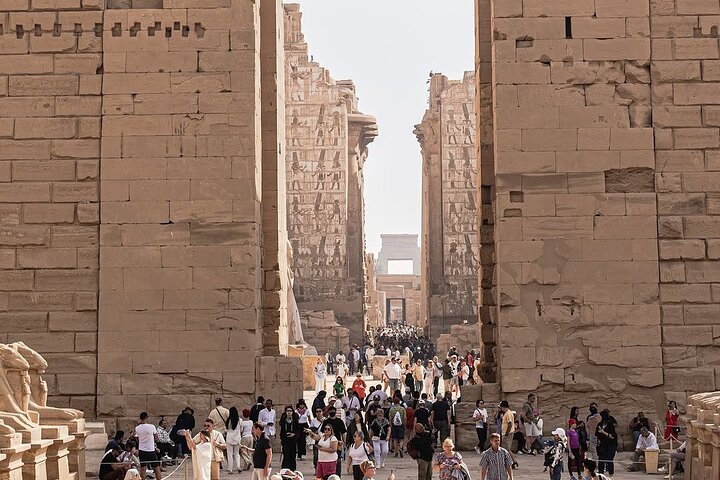
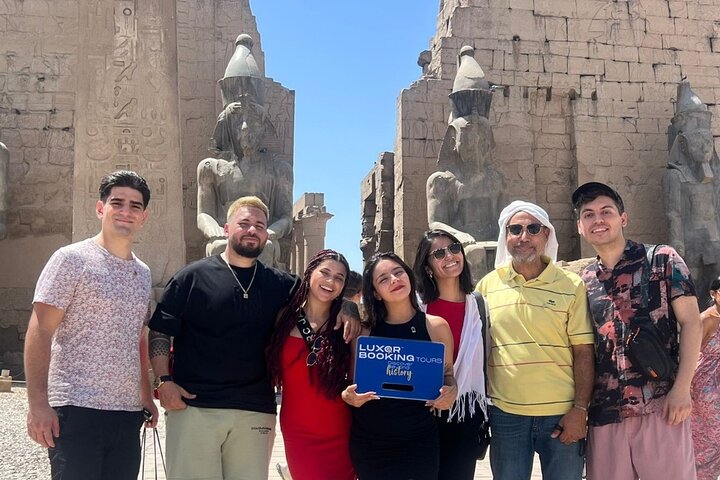
The Luxor Tour visiting Karnak Temple and Luxor Temple is a great way to explore the wonders of ancient Egypt. The Karnak Temple, also known as the Temple of Amun, is one of the most impressive archaeological sites in the world. Located on the east bank of Luxor, the temple is large in size and boasts many architectural marvels, colossal statues, and obelisks. The Luxor Temple, also located on the east bank of Luxor, is known as the Southern Opet, or 'place of solitude'. It is home to the deity Amenemope "Amun of the Opet".
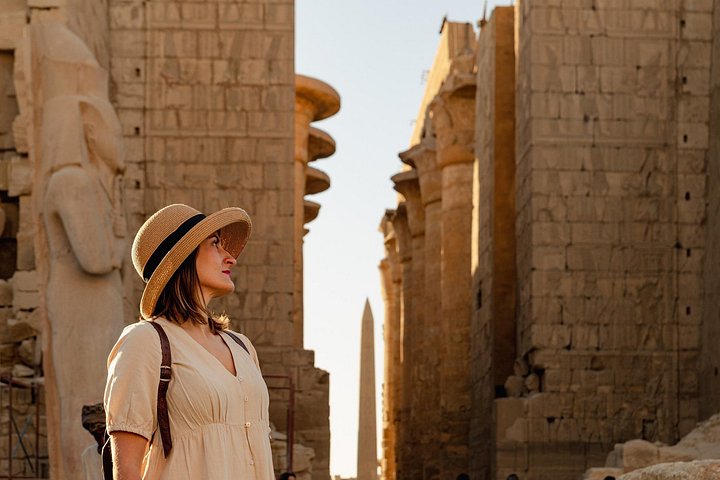
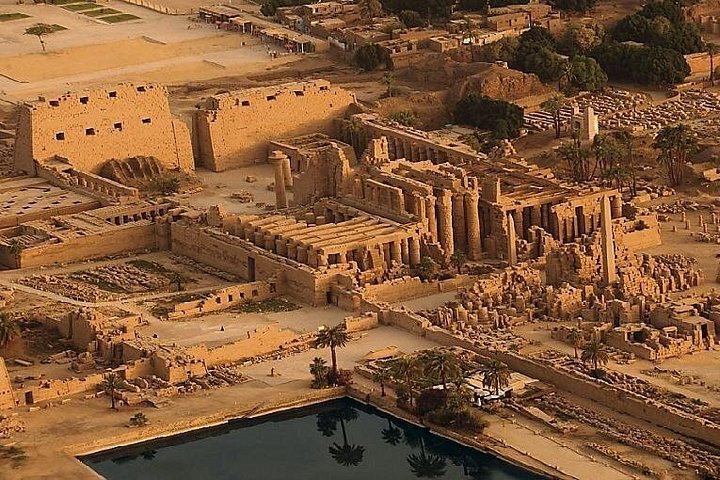
Karnak Temple is an ancient archeological site located in the ancient city of Thebes in Luxor, Egypt. It is one of the largest and most impressive temples in the world, and is a popular attraction for tourists. The temple was originally built in the 16th century BCE and was dedicated to Amun-Ra, the chief deity of the Theban triad. The temple is made up of several courts, pylons, and obelisks and is characterized by its grandeur and complexity. It is widely considered to be the spiritual center of ancient Egyptian religion and was the largest and most important cult center in the country. The temple is a testament to the skill and creativity of the ancient Egyptian architects and engineers. It remains a powerful symbol of the ancient Egyptian civilization, and visitors to Karnak can still experience the awe and grandeur of this ancient temple.
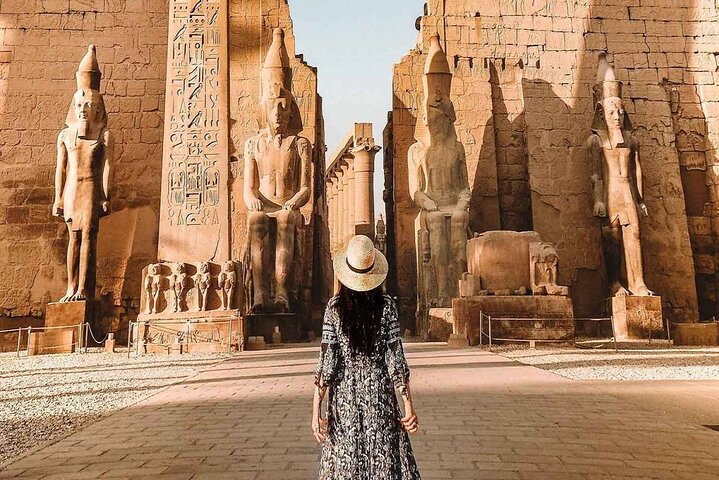
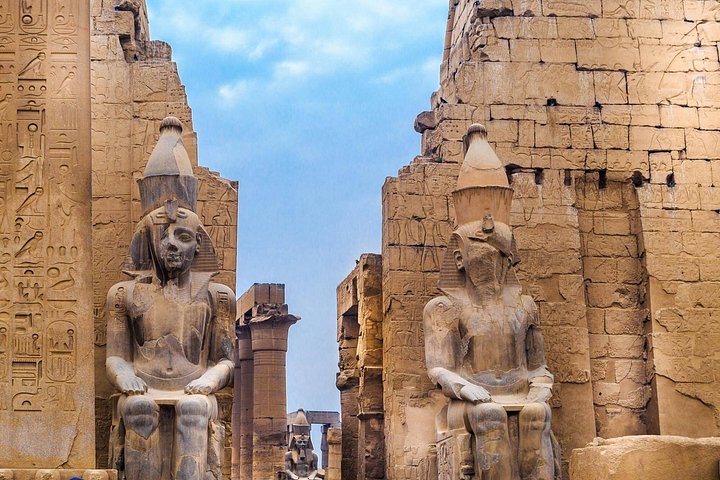
The Luxor Temple (Arabic: “The Temple of Luxor”) is a large Ancient Egyptian temple complex located on the east bank of the Nile River in the city today known as Luxor (ancient Thebes) and was constructed approximately 1400 BCE . It is one of the two primary temples on the east bank, the other being Karnak and is dedicated to the rejuvenation of kingship and may have been where many of the pharaohs of Egypt were crowned in reality or conceptually. The temple was built by Amenhotep III (1390-52 BC) but completed by Tutankhamun (1336-27 BC) and Horemheb (1323-1295 BC) and then added to by Rameses II (1279-1213 BC). It is the site of the modern city of Thebes and has been in almost continuous use as a place of worship right up to the present day. The temple has been inscribed on the UNESCO World Heritage List in 1979. The court of Rameses II was 188 feet (57 m) long, 168 feet (51 m) wide and surrounded with 74 papyrus columns .
إلغاء مجاني حتى 24 ساعة قبل بدء التجربة، مع استرداد كامل.
5.0
التقييمات مبنية على 2 مراجعة جمعها شريك الحجز لدينا. وهي كلمات المسافرين أنفسهم بالترتيب الذي كُتبت به، ولا يُعاد ترتيبها لتجميل التجربة.
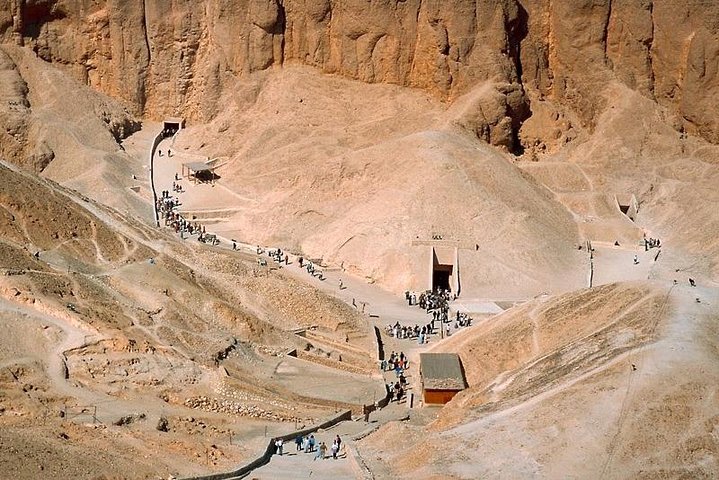
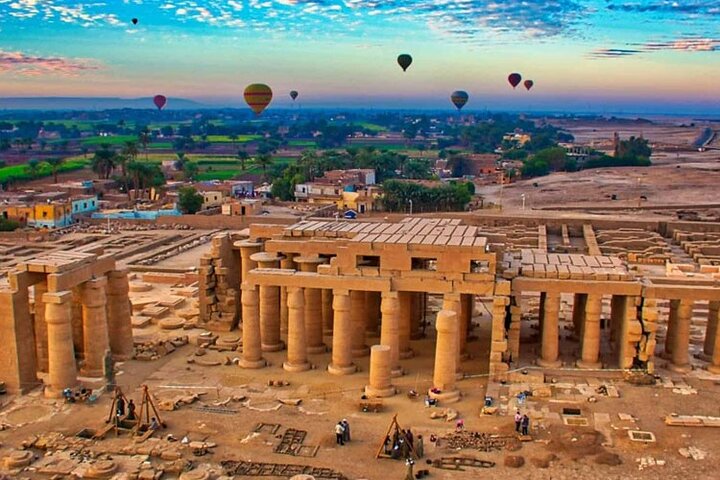
Luxor stands on the site of ancient Thebes, with vast temples on the Nile's east bank and the royal tombs of the Valley of the Kings across the river.
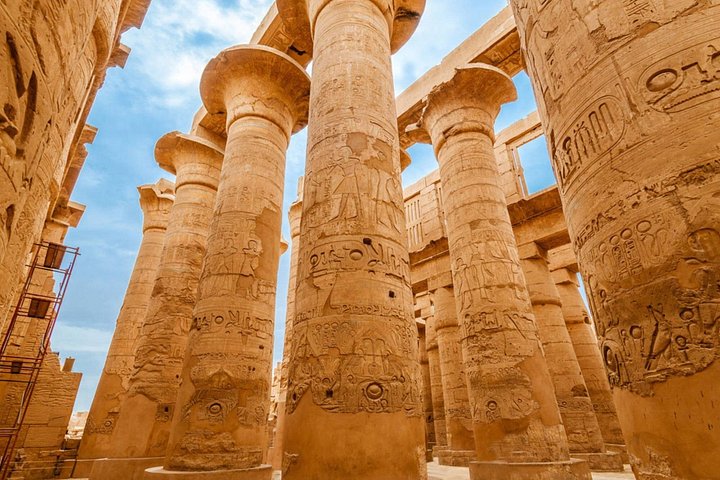
On the east bank, the Karnak temple complex spreads across acres of pylons, obelisks and the forest of columns in its Great Hypostyle Hall. An avenue of sphinxes links it to Luxor Temple in the town centre, which is especially atmospheric when lit up in the evening. The Luxor Museum and the Mummification Museum sit along the riverside corniche.
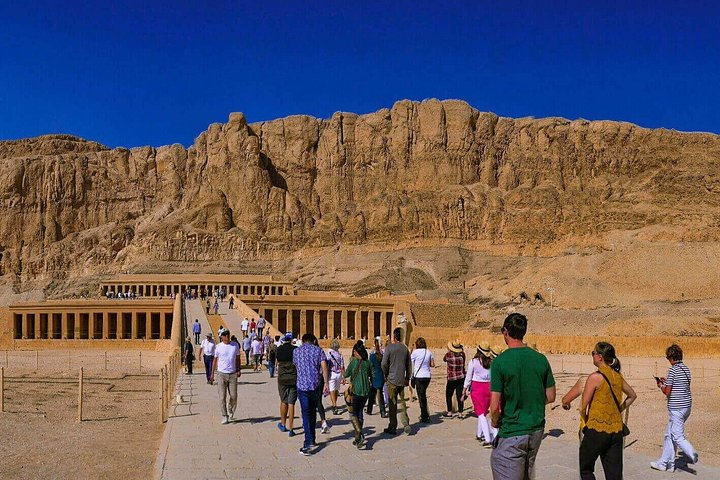
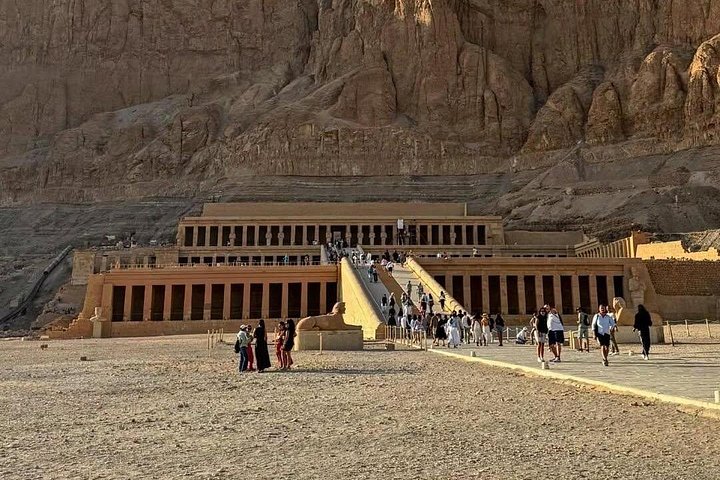
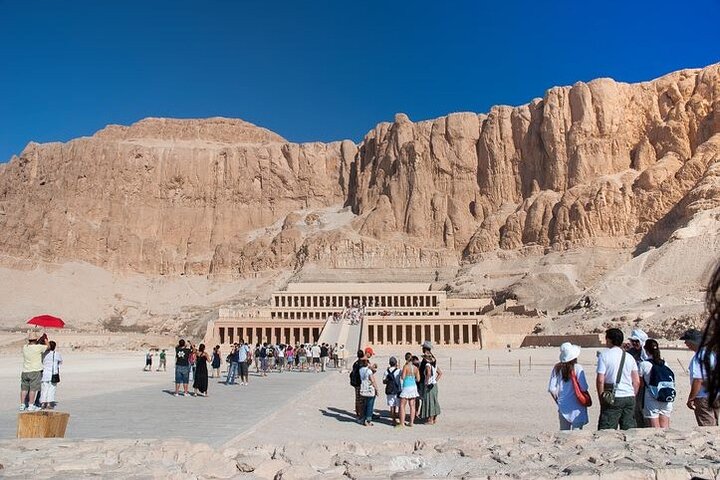
Top-ranked sights in Luxor: Valley of the Kings, Temple of Hatshepsut (at Deir el-Bahari), Colossi of Memnon.
السعر قبل الخصم وبعده من المشغّل، لا منّا.
ابتداءً من21 US$18 US$
ابتداءً من101 US$91 US$
ابتداءً من46 US$41 US$
ابتداءً من120 US$84 US$
ابتداءً من458 US$412 US$
ابتداءً من32 US$29 US$
أضف Ticket Hall إلى الشاشة الرئيسية
تذاكر وأدلة مدن على بُعد نقرة واحدة، حتى دون اتصال.
Ticket Hall