-15 %Cancelamento gratuito
Kamakura Day Trip from Tokyo: Private Guided Walking Tour
desdeUS$ 258US$ 219
As descrições são apresentadas em inglês.
The History of Karaoke: The concept of karaoke dates back to the early 1970s in Japan. The word "karaoke" (カラオケ) comes from "kara" (空), meaning "empty," and "oke" (オケ), short for "orchestra." This literally translates to "empty orchestra," referring to music tracks without vocals. Karaoke Culture Today: Today, karaoke remains a beloved pastime worldwide. In Japan and many Asian countries, karaoke boxes continue to be a popular form of social entertainment. With modern advancements, including virtual karaoke apps, AI voice enhancements, and online karaoke competitions, the future of karaoke continues to evolve while maintaining its core appeal—bringing people together through the joy of singing. You can give me any request about Karaoke. I can arrange a special for you.
Cancelamento gratuito até 24 horas antes do início, com reembolso total.
Kamakura is a coastal town south of Yokohama, once Japan's samurai capital, known for the Great Buddha, Zen temples and surf beaches.
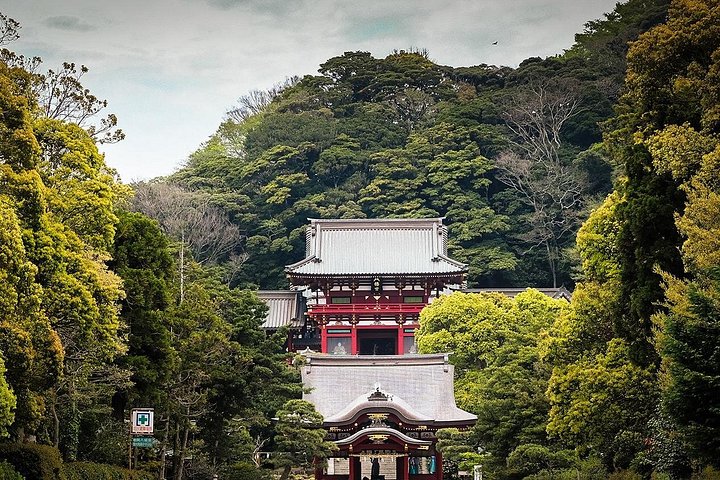
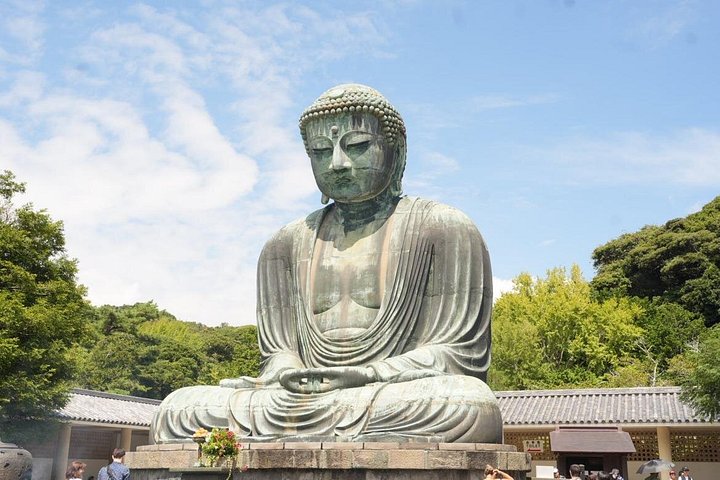
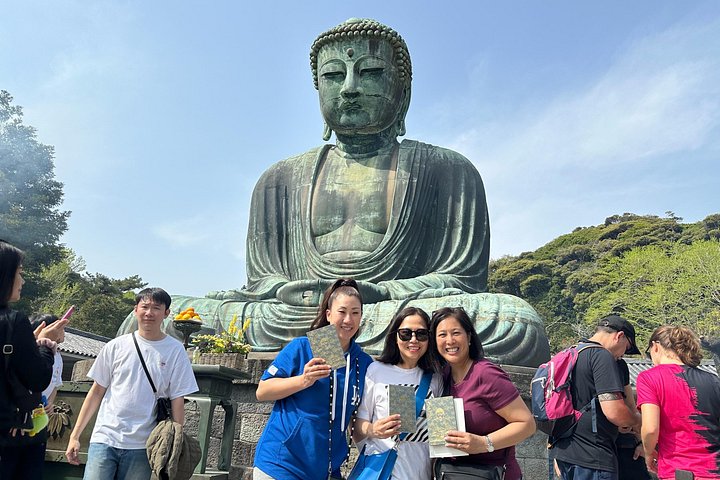
Kamakura was the seat of the first samurai government, from the late twelfth to the early fourteenth century, and its hills still hide dozens of temples and shrines. The Great Buddha at Kotoku-in, a bronze figure about eleven metres high, sits in the open air, and the broad avenue of Wakamiya leads from the beach to Tsurugaoka Hachimangu, the town's main shrine. Hasedera temple has a tall wooden statue of Kannon and a terraced garden above the sea.
Top-ranked sights in Kamakura: Tsurugaoka Hachimangu Shrine.
Os preços riscados vêm do operador, nunca de nós.
desdeUS$ 258US$ 219
desdeUS$ 136US$ 91

Adicione Ticket Hall ao seu ecrã principal
Bilhetes e guias das cidades a um toque, mesmo sem ligação.
Ticket Hall