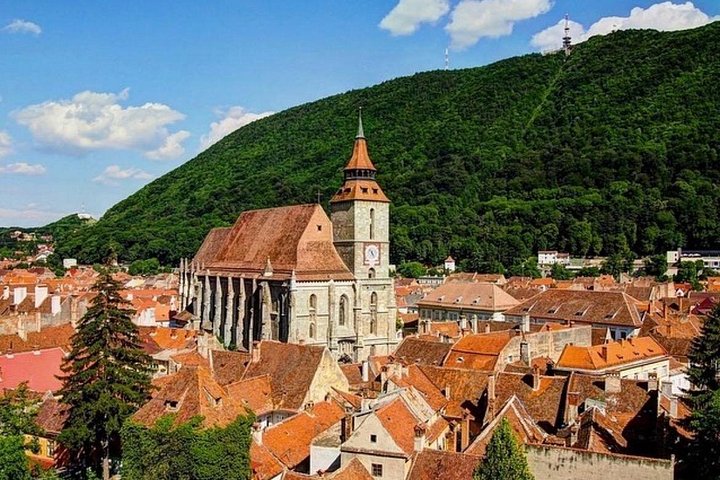
Folk Magic Saints and Superstitions
As descrições são apresentadas em inglês.
- 2–3 horas
- Cancelamento gratuito até 24 h antes
- Guia em inglês
- Confirmação imediata
Destaques
What makes Romanian folklore fascinating is precisely that it is still alive. People still: • say “să nu fie de deochi,” • knock on wood, • wear red strings, • light candles for protection, • avoid crossroads rituals, • fear envy, • believe in signs, • and mix Orthodoxy with folk spirituality. This is not a walking tour — it is an immersion into the living magic, superstitions, and hidden traditions of Romania.
Inclui
O que está incluído
- Guide
Itinerário
Merchants were very superstitious people. At Europe's oldest functional inn, find out about rituals which ensured safe travels and a successful outcome. We'll talk about spies, treasures hidden in walls and the very powerful magic of money
The oldest building in Bucharest, the Church of Saint Anthony is where people still come to find lost things: health, fortune, love and and, sometimes, even themselves. Light a candle here, and leave without looking back! or you might undo the ritual...
In front of the old Romanian seat of power, we'll talk about vampires, strigoi, men who ride storms and wise women who stop the rain.
Hidden between the cafés and noise of Bucharest’s Old Town, Stavropoleos Monastery feels almost unreal. The moment people step inside, the city noise fades, the air changes, and time seems to slow down. That contrast is exactly why the church accumulated so many legends, spiritual associations, and stories over the centuries.
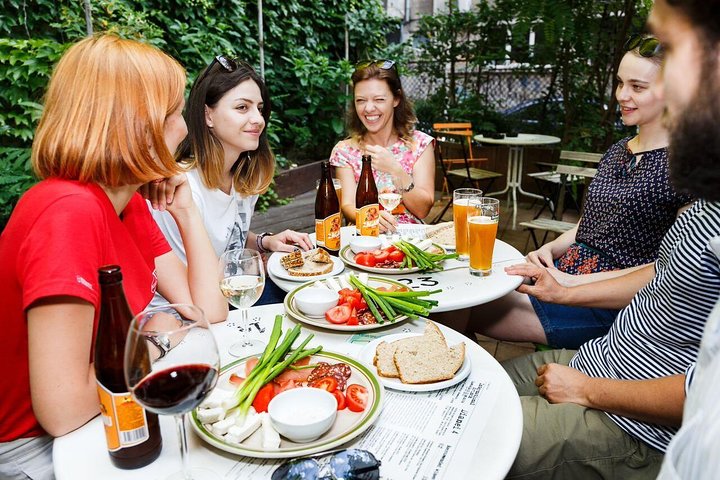
In old Bucharest, magic was not hidden only in churches or folklore. It also lived in the places where people gathered — to drink, celebrate, gossip, fear, and tell stories late into the night. Romanian folk culture has MANY beliefs involving drinking: toasts for protection, drinking for the dead, ritual hospitality, alcohol used in healing or blessing rituals, and beliefs that sharing bread and drink creates spiritual bonds.
Before Faust, there was Saint Cyprian the Magician. Both were men seeking forbidden knowledge and supernatural power, but only one of them found redemption. At Zlatari Church, it is believed that the holy remains of Saint Cyprian can break spells, curses and protect against evil.
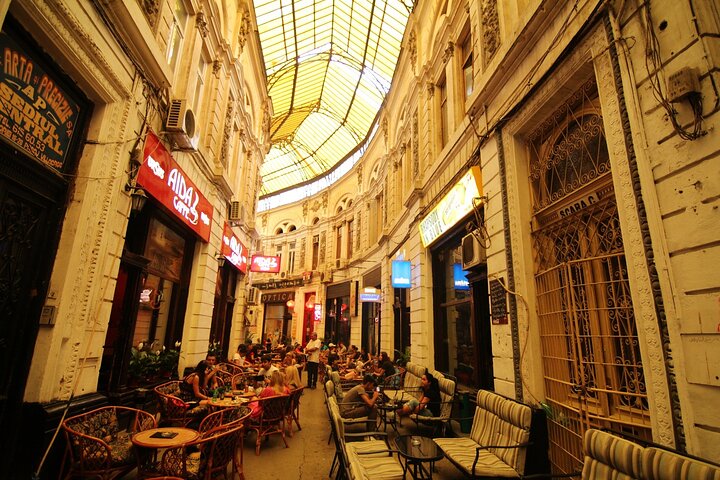
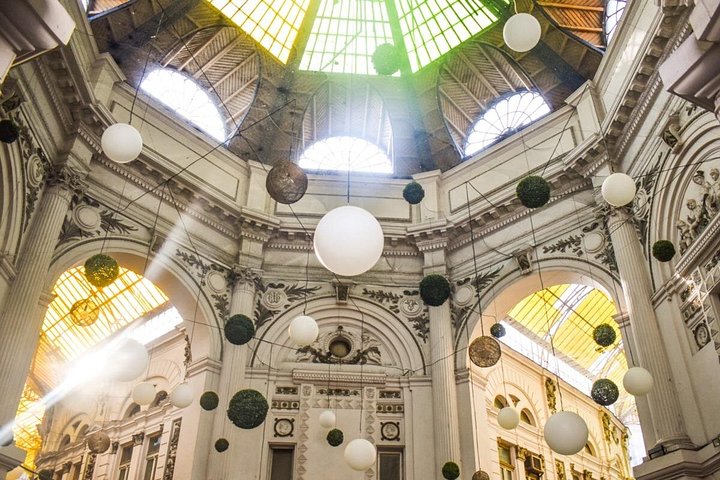
The passage itself felt exotic to Bucharest society: golden filtered light, French-inspired arcades, Levantine cafés, an atmosphere unlike the rest of the city. To many locals, it felt “foreign to Bucharest itself.” That is how stories emerged about: alchemists, mysterious merchants, discreet societies, and rituals brought from the East. Some say that late at night, when the passage becomes nearly empty and the golden light glows softer... the passage becomes something else, a bridge between two worlds.
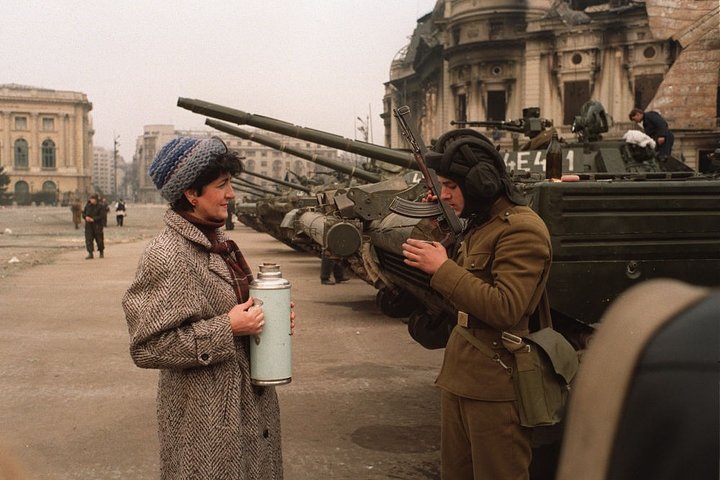
During the Romanian Revolution of 1989, the entire area around Revolution Square, the Royal Palace, and the Athenaeum became emotionally charged. Many locals still describe the zone at night as: “heavy,” especially during winter. Some believe the emotional trauma of the Revolution somehow remained embedded in the space.
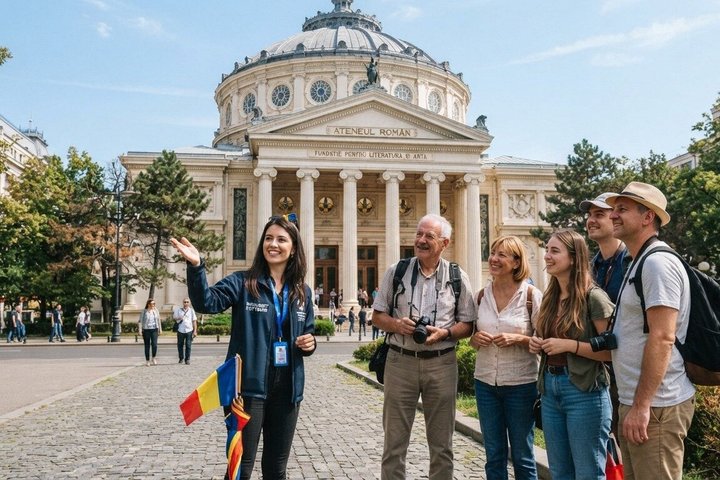
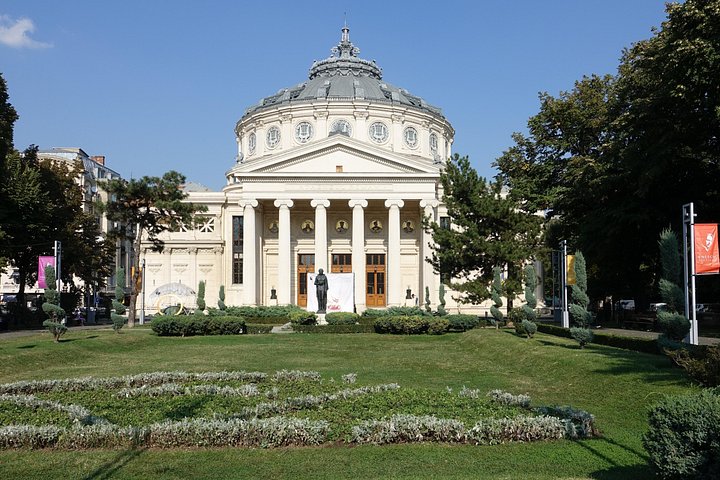
The Romanian Athenaeum is usually presented as a symbol of culture and elegance. But behind the concerts, chandeliers, and Belle Époque glamour, the building accumulated an entire mythology of whispers, ghost stories, secret societies, strange acoustics, and unexplained experiences. Because in old Bucharest, people believed that places absorbing intense emotion — music, grief, ambition, political intrigue — eventually become “alive.” And few places absorbed more emotion than the Athenaeum.
Behind the elegance of Casa Vernescu lies a forgotten world where superstition, ritual, and hidden beliefs shaped the lives of Bucharest’s elite. Beneath its chandeliers and grand salons, we uncover the folk fears, protective traditions, spiritist obsessions, and unseen forces that haunted Belle Époque society.
Cancelamento
Cancelamento gratuito até 24 horas antes do início, com reembolso total.
Antes de ir
- Ponto de encontro
- I'll wait for you in front of Hanu lui Manuc restaurant, in the pedestrian area of the old city
- Recolha
- Todos se encontram no ponto de partida; não há recolha.
- Tipo de bilhete
- Mobile or paper ticket accepted
- Tamanho do grupo
- Até 12 viajantes
- Operado por
- Visit Romania with us!
- Wheelchair accessible
- Infants and small children can ride in a pram or stroller
- Service animals allowed
- Public transportation options are available nearby
- Transportation options are wheelchair accessible
- Suitable for all physical fitness levels
How it compares in Bucareste
- Its from-price is 81% below the median of the 1326 experiences we list in Bucareste.
- It is shorter than most of them.
- The operator lists free cancellation on it.
About Bucareste
Avenidas belle époque, igrejas ortodoxas e monumentos comunistas em torno de uma animada cidade velha: Bucareste, capital da Roménia.
O vasto Palácio do Parlamento, um dos maiores edifícios administrativos do mundo, domina o centro como um legado marcante da era Ceaușescu. A Calea Victoriei, a grande avenida, passa pela sala de concertos com cúpula do Ateneu Romeno, pelo antigo Palácio Real que abriga o Museu Nacional de Arte e pela Praça da Revolução, onde decorreram os acontecimentos de 1989.
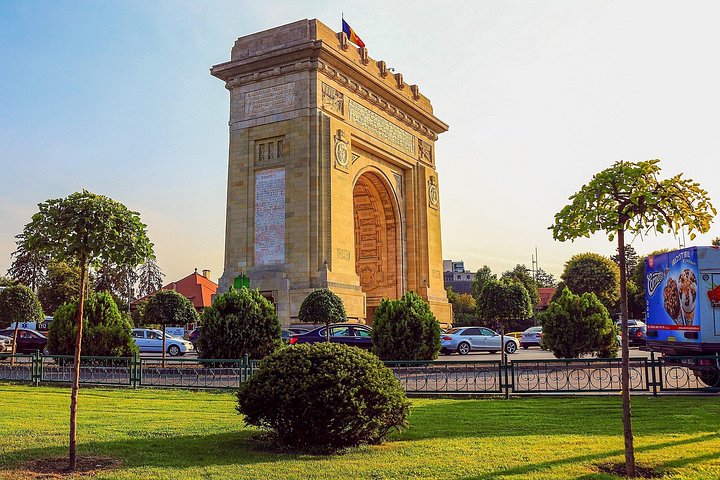
Top-ranked sights in Bucareste: Palace of Parliament (Palatul Parlamentului), Revolution Square (Piata Revolutiei), Arcul de Triumf (Arch of Triumph).
Ofertas especiais em Bucareste
Os preços riscados vêm do operador, nunca de nós.
 -20 %Cancelamento gratuito
Discover Bucharest: History, Communism & Urban Tales Private Tour
desde
US$ 69US$ 55![Tour pela cidade de Bucareste: História, comunismo e lendas locais]() -20 %Cancelamento gratuito
Tour pela cidade de Bucareste: História, comunismo e lendas locais
desde
US$ 63US$ 50![Almoço tradicional e tour privado pela cidade velha com um guia local]() -10 %Cancelamento gratuito
Almoço tradicional e tour privado pela cidade velha com um guia local
desde
US$ 109US$ 98![Bucareste Street Bites | Excursão a pé pela comida urbana e cultura]() -15 %Cancelamento gratuito
Bucareste Street Bites | Excursão a pé pela comida urbana e cultura
desde
US$ 97US$ 83![Historic Bucharest: Exclusive Private Tour with a Local]() -20 %Cancelamento gratuito
Historic Bucharest: Exclusive Private Tour with a Local
desde
US$ 160US$ 128


Experiências semelhantes
 Cancelamento gratuito
 Cancelamento gratuitoSem filas
 Cancelamento gratuito
 Cancelamento gratuito
![Bucharest Food Lovers Tour: Mercados, degustações e pontos escondidos]() -15 %Cancelamento gratuito
![Excursão de dia inteiro ao Castelo do Drácula, Brasov e Peles saindo de Bucareste]() Esgota depressaCancelamento gratuito