-15 %Cancelamento gratuito
Categorias em Cusco
As descrições são apresentadas em inglês.
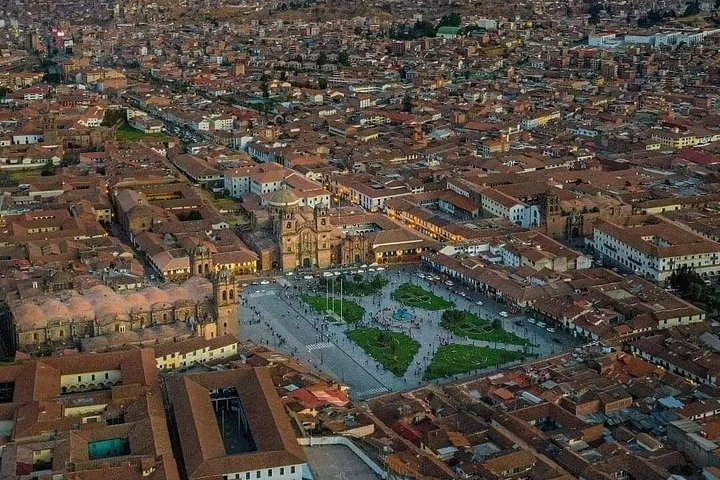
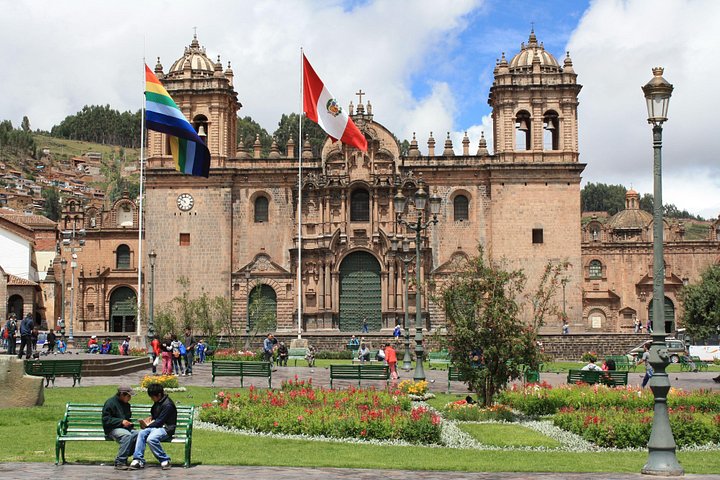
Uncover the spiritual and architectural wonders of Cusco on this immersive half day city tour. Walk through the heart of the Incan Empire as you explore the legendary Plaza de Armas, once considered the center of the world. Visit the majestic Cusco Cathedral, home to iconic Cuzqueño paintings, and step into the sacred Temple of the Sun (Qorikancha), where Incan foundations meet colonial elegance. This journey blends history, culture, and energy in one unforgettable experience.
Home to countless architectural relics and historical sights, the city of Cusco is teeming with attractions that offer visitors a glimpse into its rich history. Cusco’s main square, the Plaza de Armas, is the heart of it all, in both location and significance. The “square of the warrior” in the Inca era, Cusco’s Plaza de Armas has been the setting for many of the city’s most important events, and today remains the home to three of the city’s most significant churches: the Cusco Cathedral, Iglesia del Triunfo, and the Iglesia de la Compania de Jesus. Here’s a little background on these noteworthy churches in Cusco’s main square, and what visitors can expect to see upon visiting them. The Church of Triumph (Iglesia del Triunfo) was the first of the churches to be built upon Cusco’s main square, with construction beginning in 1536, just three years after the Spanish conquistadores arrived in Cusco. The Jesuits built the church over Suntur Wasi, an Inca ceremonial building, armoury and heraldry center attached to the palace of Viracocha. It is the first Christian Church to have been built in all of Cusco. The Cathedral Basilica of the Assumption of the Virgin (also known as Cusco Cathedral) was the second Church that the Jesuits began building in Cusco’s main square, yet it was the last to be completed. Construction of the Cusco Cathedral began in 1559, and was completed almost one hundred years later in 1654. Like the Church of Triumph, the Cusco Cathedral was built upon the foundations of a sacred Inca site (a theme that would continue). Designed in the shape of a Latin cross, the location was chosen atop the foundations of kiswarkancha, with the purpose of removing the Inca religion from Cusco and subsequently replacing it with Spanish Catholic Christianity. Formerly, kiswarkancha acted as the Inca palace of Viracocha, the ruler of the kingdom of Cusco almost a full century before the Spanish conquistadores arrived. Because most of Cusco’s population was still of Quechua Inca descent at the time of construction, the Spaniards used Inca labor to build the cathedral.
Koricancha is the most impressive example of how Inca and Hispanic cultures fused together. The remains of the ancient Peruvians' Sun Temple were used as foundations on which the Santo Domingo church and convent was built. The temple is a symbol of Western dominance. The site is a living example of the co-existence of Peru's past with European architecture. The temple was built with finely carved stones. Inside the temple, the walls in the many chambers are covered by gold and silver leaf. The incredible size of the stones in the Inca walls, three of which have over 30 angles, are sure to capture all the attention. Also outstanding is a block that has 24 angles and 6 sides. The great Inca turret dominates the site and highlights one of the ceremonial niches with holes in low relief, which was related to the winter solstice. In the lower part of the temple, there are fountains and gardens where conquered tribes arrived to deliver their offerings. The inner sanctum of the temple was reserved for the highest authorities of the epoch, and attracted people from communities all over the Empire who wanted to worship and pay tribute to the Tahuantinsuyo gods.
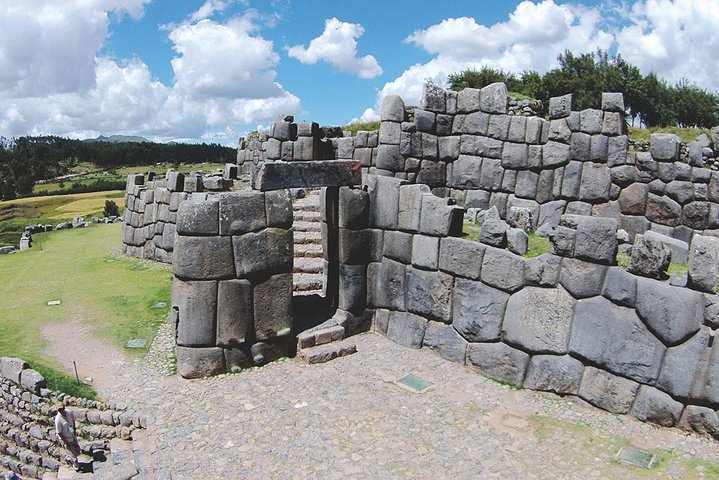
The name Sacsaywaman or Sacsayhuamán is derived from two Quechua words: “Sacsay,” which means satiate and “wamán," which means hawk; together they mean “eat your fill, hawk.” This puzzling meaning is a reference to the fact that the birds were divine protectors of the Incas and the military battalions. It is located 1.25 miles from Cusco's square at an altitude of 12,140 feet above sea level, surrounded by the mountains Ausangate, Pachatusán and Sencca. It covers an area of twelve square miles, which hold incredible archaeological and architectural sites, including: Kolcampata, Qenqo Grande and Qenqo Chico, Laqo, Kusilluchayoq, Lanlakuyuq, Llaullipata, Chacan, Pukapukara and Tambomachay. It is believed that around 20,000 men worked to cut and transport gigantic stones from Huaqoto and Rumiqolqa and build this ceremonial Inca fortress. Sacsayhuamán is an architectural work with megalithic walls made of stones than can weigh from 99 to 138 tons. The stones are different sizes and some have more than one hundred angles, each fitted and joined to the other with no mortar of any kind.
The Incan Empire was completely destroyed by European forces in the 16th century. Many of their massive temples, fortresses and cities were left standing, but without any clues as to their purpose. Qenqo Temple, fifteen minutes from Cusco is similarly mysterious and a dark account has formed in the historical vacuum. n Quechua, Qenqo means labyrinth or zig-zag and the temple is named for the crooked canal cut out of its rock. Although it is clear the canal carried some sort of liquid, researchers have been forced to guess at its purpose, and at what liquid it transported. Hypotheses range from carrying holy water, chicha (corn beer), or blood. All three indicate that Qenqo was used for death rituals, possibly to embalm bodies or detect whether a person lived a good life by the course the liquid followed. Qenqo is a unique temple in its construction as well, having been entirely carved out of a gigantic monolith. Stretched across a hillside, the temple is carved out of rock and marries the man-made tunnels with natural chambers. One of these chambers features 19 small niches and is set up as an amphitheater. Once again, the purpose of the theater has been lost over time, but most agree the area was used for some type of sacrifice to the sun, moon and star gods who were worshipped at the site. From the information available, it appears Qenqo Temple was an extremely holy site for the Incas. Their dead were judged and possibly embalmed in Qenqo’s winding tunnels, and blood sacrifices were offered to the heavenly gods. Despite the probable grisly purpose of the temple, its carved tunnels and chambers are an amazing work of ancient architecture, and a trip to Qenqo is sure to turn the wheels of mystery inside every visitor.
4.5 miles northeast of Cusco stands Tambomachay. At 12,350 feet above sea level, the architecture of this Inca bath consists of a group of structures built with precisely cut stones. Water from nearby streams runs through the site in aqueducts and small cascades. Tambomachay was linked to the veneration of water, an important element in the Andean world view. For that reason, it has two aqueducts with artistic engravings in the rock that transport and supply a constant flow of clean water all year round. Its name, which means "place of rest," leads experts to believe the Inca came to this bath to rest. Today it is one of the best hiking routes because it offers tourists an adventure amid fascinating natural scenery.
The complex holds numerous halls, inner plazas, aqueducts, watchtowers and paths. Its role would have been a "tambo" or a place of rest and lodging. According to legend, each time the Inca visited Tambomachay, he was accompanied by a large retinue that stayed in Puka Pukara. Its fortified appearance led to it being called a fortress.
Cancelamento gratuito até 24 horas antes do início, com reembolso total.
4,7
As classificações vêm de 10 avaliações recolhidas pelo nosso parceiro de reservas. São as palavras dos viajantes, pela ordem em que foram escritas — nunca reordenadas para favorecer a experiência.
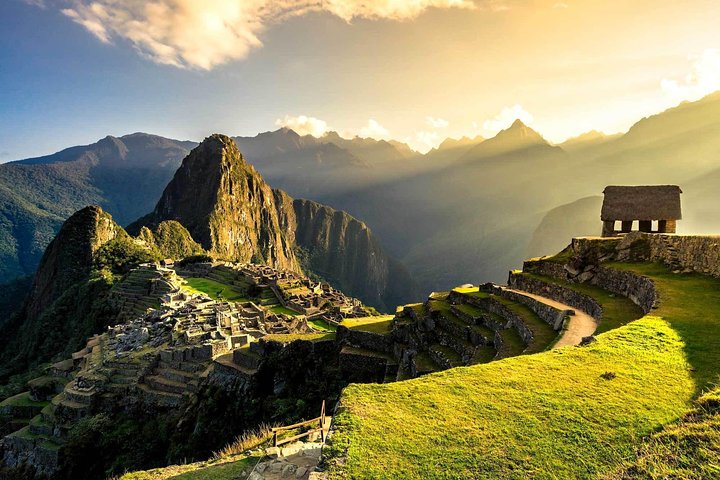
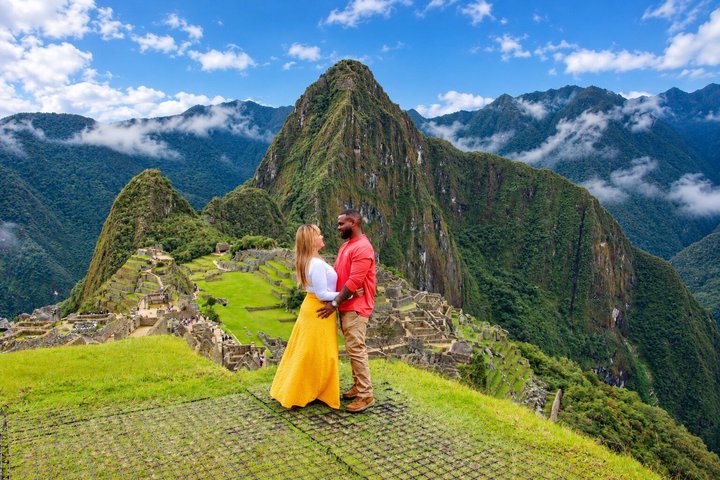
Cusco, antiga capital inca nos Andes peruanos, combina imponentes muros de pedra e igrejas coloniais e é a porta de entrada para Machu Picchu.
A Plaza de Armas é o coração da cidade, enquadrada pela catedral e pela igreja jesuíta da Companhia. A cantaria inca sobrevive por todo o centro, mais famosa no Qorikancha, o templo do sol sobre o qual os espanhóis construíram um convento, e na pedra de doze ângulos da rua Hatun Rumiyoc. San Blas, o bairro dos artesãos, sobe a pique entre oficinas e cafés.
Top-ranked sights in Cusco: Aguas Calientes, Machu Picchu, Ollantaytambo Ruins.
Os preços riscados vêm do operador, nunca de nós.
desdeUS$ 13US$ 10
desdeUS$ 499US$ 474
desdeUS$ 1.150US$ 1.035
desdeUS$ 490US$ 441
desdeUS$ 25US$ 23
Adicione Ticket Hall ao seu ecrã principal
Bilhetes e guias das cidades a um toque, mesmo sem ligação.
Ticket Hall