-13 %Cancelamento gratuito
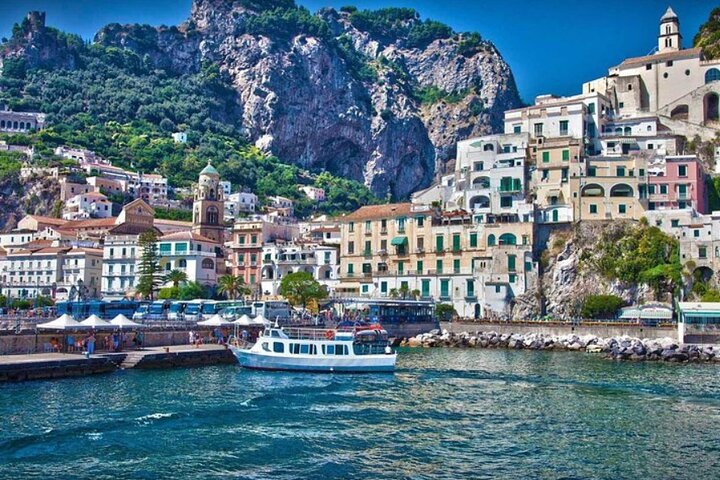
Dia inteiro Sorrento, Costa Amalfitana, Pompeia de Nápoles ou Salerno
desdeUS$ 149US$ 129
Categorias em Nápoles
As descrições são apresentadas em inglês.
Enjoy an exclusive full-day journey from Rome to Pompeii and Herculaneum, designed for discerning travelers seeking comfort and cultural depth. Travel by high-speed train from Rome Termini to Naples Centrale, where your private English-speaking driver will greet you and escort you by Mercedes minivan to Pompeii. With skip-the-line tickets and an official private guide, explore the remarkably preserved city buried by Mount Vesuvius in 79 AD, discovering villas, frescoes, baths and ancient streets brought vividly to life. Enjoy a relaxing lunch break: choose the Premium Option for a wine tasting and typical lunch at La Cantina del Vesuvio, a family winery on the slopes of Vesuvius, or, in case you select the Standard Option, let your driver recommend an excellent local restaurant. In the afternoon, continue to Herculaneum for a guided visit of its extraordinary highlights before returning to Naples for your high-speed train back to Rome.
We will provide you with 2nd Class High Speed Train round fares from Rome Termini Station to Naples Centrale Station. Transportation from your hotel in Rome to Rome Termini Station is not included. Once at Naples Centrale Station your Private Driver will meet you and spend the rest of the day with you.
Your Private Driver will meet you at the Platform 24 in front of the Pharmacy and the Fountain of the Mermaid.
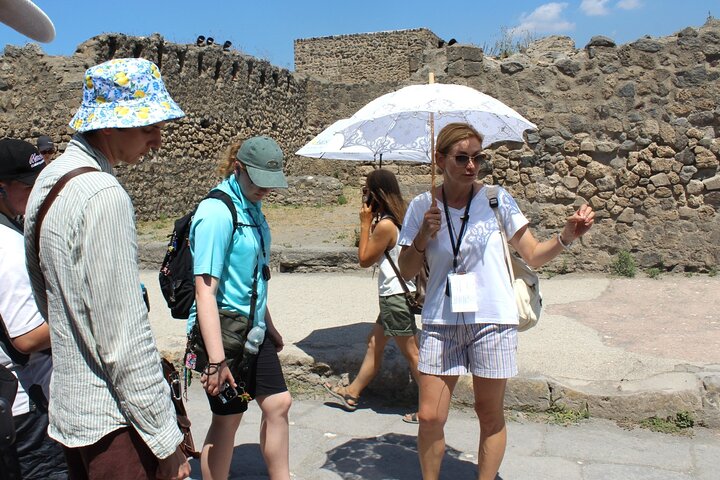
Your private guide will show you the wonders of this perfectly preserved Roman Town which is Pompeii. The walking tour will select the highlights of the Archaeological Park.
Porta Marina was one of the main gates of ancient Pompeii and the point where many travelers first entered the city. Located near the port area, it connects to the city’s defensive walls and shows how Pompeii controlled access and protected itself. Through this gate you can still walk along the original stone ramp and see the impressive fortifications that once welcomed merchants, sailors, and visitors arriving from the Bay of Naples.
The Temple of Apollo is one of the oldest and most important religious sites in Pompeii, dedicated to Apollo, the god of the sun, music, and prophecy. Set in a large open courtyard near the Forum, it once featured elegant columns and statues, including a famous bronze of Apollo aiming his bow. From here, worshippers could make offerings and seek guidance from the god, making the temple a central part of Pompeii’s spiritual life.
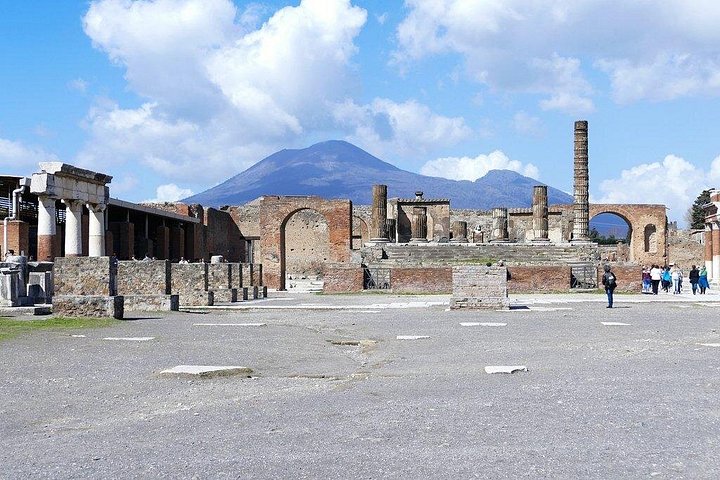
Pompeii’s Forum offers visitors a direct encounter with the city’s civic heart. From the modern walkways and terraces surrounding the square, you can observe the spatial arrangement of temples, administrative buildings, and market structures that once framed public life. This elevated perspective makes it easier to understand how politics, religion, and commerce intersected in a single monumental space. With the ruins of the Capitolium, Basilica, and Macellum all in view, the Forum reveals itself as a bustling stage where announcements were made, deals were brokered, and festivals unfolded at the foot of Mount Vesuvius.
The Macellum was Pompeii’s main food market, a covered complex where vendors sold fish, meat, fruit, and imported delicacies. Its layout of stalls, storerooms, and a central shrine illustrates the organization of Roman commerce and the importance of food supply in urban life. Excavated counters, marble tables, and decorative elements still evoke the lively bustle of shoppers and traders that once filled the market each morning.
The Forum Baths were among the most elegant public bath complexes in Pompeii, serving as a social and recreational hub for citizens. Divided into men’s and women’s sections, the complex included changing rooms, warm and hot bathing halls, and a cold plunge pool, all heated by an advanced hypocaust system. Remarkably preserved stucco reliefs and vaulted ceilings still convey the refined atmosphere that once made bathing a daily ritual of hygiene, leisure, and conversation.
The House of the Vettii is one of Pompeii’s finest aristocratic residences, renowned for its richly decorated frescoes and elegant architectural layout. Built around spacious atria and peristyle gardens, it reflects the lifestyle and aspirations of wealthy merchant owners in the 1st century AD. Mythological paintings, ornamental motifs, and refined domestic spaces offer a vivid glimpse into elite taste and the artistic culture of the Roman home.
The Insula dei Casti Amanti is a residential and commercial block named after a vivid fresco showing a pair of lovers sharing an affectionate moment. Today visitors access the site via elevated ramps that allow a clear, panoramic view into the workshops, storerooms, and domestic rooms below, without disturbing the fragile archaeological surfaces. From this perspective, it becomes easy to picture craftsmen at work and families moving between spaces, as trade and home life were closely intertwined in Pompeii. The preserved frescoes, painted signs, and half-finished renovations reveal a neighborhood caught in the midst of its daily routine at the moment of the eruption in AD 79, offering rare insight into the city’s urban fabric and the social world of its working inhabitants
The Teatro Grande invites visitors to step into the world of Roman drama and public entertainment. From the upper terraces, which are now accessed by modern walkways, you can look down onto the sweeping semicircular seating tiers, the stage building, and the orchestra area where musicians and dancers once performed. The theatre’s excellent acoustics and commanding views toward the city and Mount Vesuvius help convey why performances here drew large crowds for comedies, tragedies, and public ceremonies. Standing within the auditorium, it is easy to imagine the applause, costumes, and festive atmosphere that made theatre-going a shared cultural experience in Pompeii.
The Antiquarium of Pompeii serves as the gateway to understanding the city before exploring its streets. Visitors move through well-organized galleries displaying statues, household objects, inscriptions, jewelry, and other artifacts recovered during excavations. From elevated platforms and glass cases, you can examine delicate items that would not survive in the open site, while panels and reconstructions provide context on daily life, religion, and the eruption of AD 79. The final rooms present plaster casts of victims and dramatic eruption material, offering a powerful and emotional frame through which to view the ruins that await outside
Cancelamento gratuito até 24 horas antes do início, com reembolso total.
5,0
As classificações vêm de 1 avaliações recolhidas pelo nosso parceiro de reservas. São as palavras dos viajantes, pela ordem em que foram escritas — nunca reordenadas para favorecer a experiência.
Apaixonada e caótica aos pés do Vesúvio, Nápoles é o berço da pizza e a porta de entrada para Pompeia, Capri e a Costa Amalfitana.
O centro histórico, uma densa malha de ruas traçada pelos antigos gregos, é um mundo de igrejas, nichos de rua e roupa estendida entre varandas. Spaccanapoli atravessa-o em linha reta, a Via San Gregorio Armeno é ladeada de oficinas de presépios e a Capela Sansevero guarda o espantoso Cristo Velado. No subsolo, túneis e cisternas revelam a cidade grega e romana que jaz por baixo.
Top-ranked sights in Nápoles: Mt. Vesuvius (Monte Vesuvio), Via dei Tribunali, Naples Historic Center (Napoli Centro Storico).
Os preços riscados vêm do operador, nunca de nós.
desdeUS$ 149US$ 129
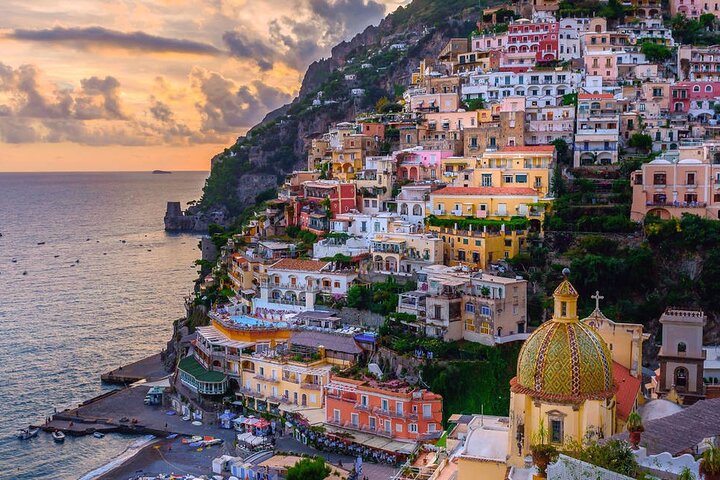
desdeUS$ 113US$ 102
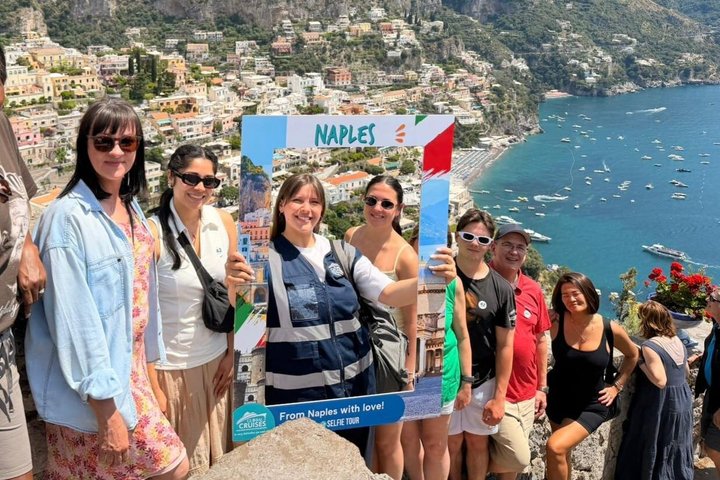
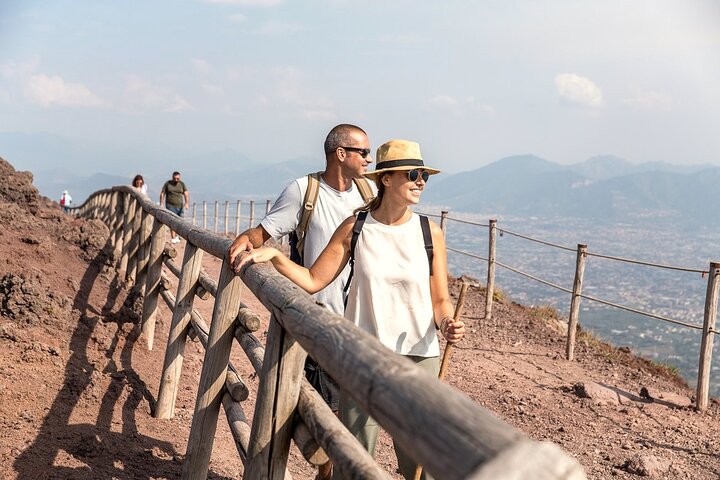
desdeUS$ 132US$ 112
desdeUS$ 143US$ 120
desdeUS$ 125US$ 102

desdeUS$ 63US$ 50
Adicione Ticket Hall ao seu ecrã principal
Bilhetes e guias das cidades a um toque, mesmo sem ligação.
Ticket Hall