-20 %Cancelamento gratuito
Hue: 3 Royal Tombs, Thien Mu Pagoda & Incense Village Tour
desdeUS$ 66US$ 53
As descrições são apresentadas em inglês.
This tour is special because you'll get a guide who's both knowledgeable and really helpful. The tour guide will introduce and connect all information links for your own experience and understanding about Vietnam modern history and Hue culture. Plus, you will have delicious lunch served in a good restaurant. Besides, we’re available 24/7, so you can contact us anytime if you have any questions about the tour or traveling in Vietnam.
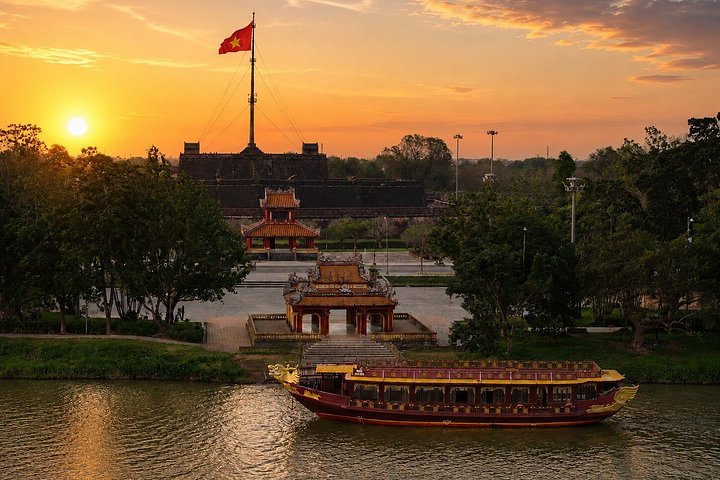
The Imperial City, a UNESCO World Heritage site, was the seat of the Nguyen Dynasty from 1802 to 1945. It features the Citadel, the Forbidden Purple City, royal palaces, temples, and gardens, all reflecting the dynasty’s power and cultural heritage. Despite war damage, it remains a key symbol of Vietnam’s imperial past.
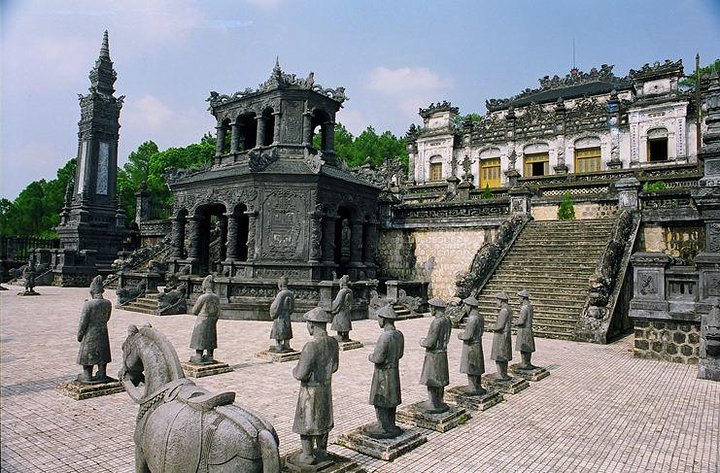
The Tomb of Khai Dinh, located near Hue, is a unique blend of traditional Vietnamese and Western architectural styles. Built for Emperor Khai Dinh, who reigned from 1916 to 1925, the tomb features a mix of European baroque, French art deco, and Vietnamese elements. Construction took 11 years, and the tomb is known for its opulence, with intricate mosaics, a statue of the emperor, and a grand mausoleum. It’s one of the most visually striking and eclectic royal tombs in Vietnam.
The tomb, located near Hue, is a serene and elegant site built for Emperor Minh Mang, who reigned from 1820 to 1841. Known for its symmetrical design and harmony with nature, the tomb features a long pathway, courtyards, pavilions, and beautiful gardens. Unlike the ornate tomb of Khai Dinh, Minh Mang’s tomb is simpler but reflects Confucian values and the emperor’s vision of balance between man and nature. It remains one of the best-preserved royal tombs in Vietnam.
The market is one of the oldest and busiest markets in central Vietnam. Known for its fresh produce, local handicrafts, and famous Hue specialties like bun bo Hue and com hen, it offers a lively glimpse into local life and culture.
Thien Mu Pagoda is one of the most iconic landmarks in Hue, Vietnam. Located on the banks of the Perfume River, the pagoda is famous for its seven-story tower, which stands as a symbol of the city. Dating back to the 17th century, Thien Mu is not only a stunning architectural wonder but also a spiritual center, offering visitors a serene atmosphere and beautiful views of the surrounding landscape. The pagoda is steeped in history and legend, with stories that connect it to the founding of Hue as the capital of Vietnam's Nguyen Dynasty. Visitors can explore its peaceful courtyards, admire the ancient statues, and learn about its significance in both local culture and Buddhism.
Cancelamento gratuito até 24 horas antes do início, com reembolso total.
5,0
As classificações vêm de 4 avaliações recolhidas pelo nosso parceiro de reservas. São as palavras dos viajantes, pela ordem em que foram escritas — nunca reordenadas para favorecer a experiência.
Hué, antiga capital imperial do Vietname, ladeia o Rio dos Perfumes com uma cidadela amuralhada, túmulos reais e pagodes entre jardins e colinas.
A Cidade Imperial, dentro da vasta Cidadela rodeada de fossos, foi a sede da dinastia Nguyen, os últimos imperadores do Vietname. As suas portas, palácios e templos, incluindo a Porta do Meio-Dia e o Salão da Suprema Harmonia, fazem parte de um sítio Património Mundial da UNESCO, em parte restaurado após graves danos durante a guerra.
Top-ranked sights in Hue: Hue Citadel (Dai Noi), Thien Mu Pagoda, Khai Dinh Tomb.
Os preços riscados vêm do operador, nunca de nós.
desdeUS$ 66US$ 53
desdeUS$ 29US$ 21
desdeUS$ 49US$ 36
desdeUS$ 49US$ 36
desdeUS$ 111US$ 86
desdeUS$ 37US$ 27


Adicione Ticket Hall ao seu ecrã principal
Bilhetes e guias das cidades a um toque, mesmo sem ligação.
Ticket Hall