-10 %Cancelamento gratuito
Full Day Tour of Luxor West Bank Temples and Tombs (Private)
desdeUS$ 32US$ 29
Categorias em Luxor
As descrições são apresentadas em inglês.
This tour is unique because it offers a comprehensive and in-depth look at the West Bank of Luxor, including some of the most important archaeological sites in Egypt. The tour also focuses on the lives of ordinary people in ancient Egypt, as well as the elite. Here are some of the things that make this tour unique: You will learn about the lives of ordinary people in ancient Egypt, as well as the elite. This tour will teach you about the daily lives of the people who built the magnificent tombs in the Valley of the Kings and the Valley of the Queens, as well as the life and reign of one of the most powerful pharaohs in Egyptian history. This tour is also unique because it is led by experienced and knowledgeable guides who are passionate about ancient Egypt. The guides will be able to answer your questions and provide you with insights into the sites that you are visiting.
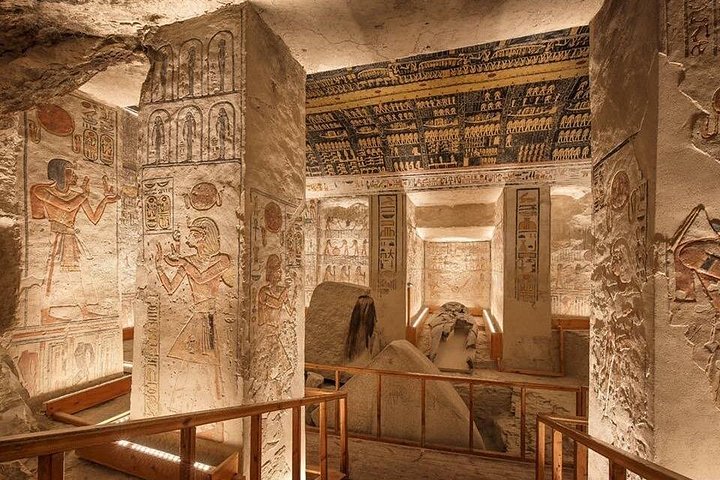
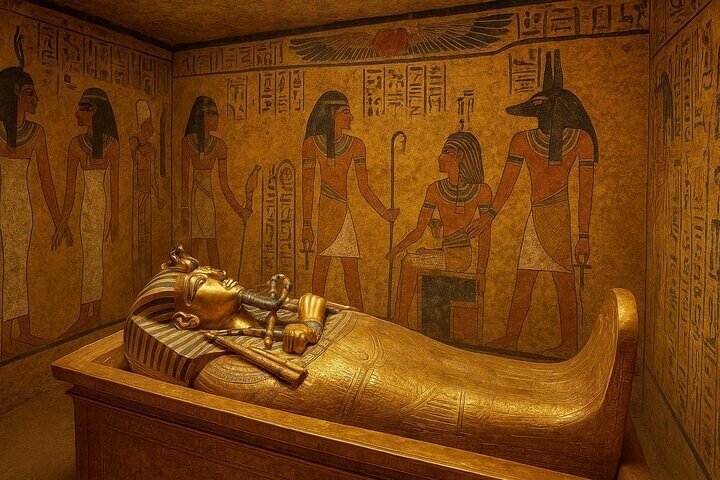
Start your day with a visit to the Valley of the Nobles, a vast necropolis where the tombs of high-ranking officials and aristocrats from the New Kingdom period (1550-1070 BC) are located. The tombs are decorated with colorful hieroglyphs and reliefs that depict scenes from the lives of the deceased, as well as their religious beliefs. The Valley of the Nobles is located on the West Bank of the Nile River, opposite the city of Luxor. It is one of the most important archaeological sites in Egypt, and it provides a fascinating glimpse into the lives of the elite in ancient Egyptian society. The tombs in the Valley of the Nobles are cut into the hillside, and they vary in size and complexity. Some of the tombs are quite small, while others are large and elaborate. The tombs are decorated with a variety of scenes, including: Scenes from the lives of the deceased, such as hunting, fishing, and feasting. Scenes from the Book of the Dead, an ancient Egyptian funerary text.
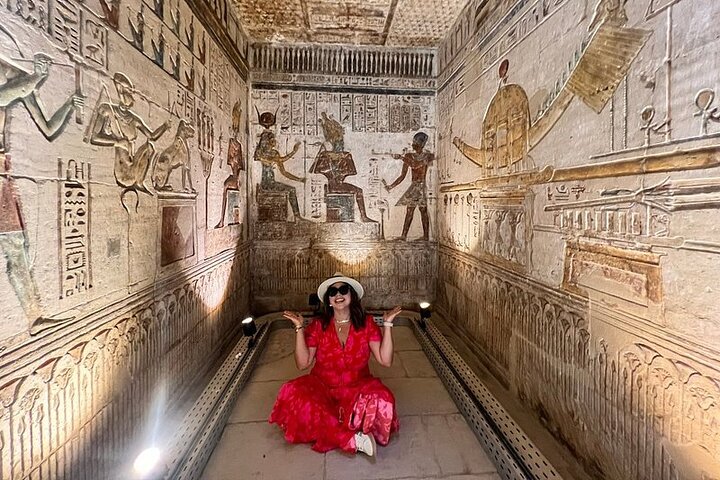
After visiting the Valley of the Nobles, head to Deir el Medina, a former workers' village that was home to the artisans and craftsmen who built the tombs in the Valley of the Kings and the Valley of the Queens. Deir el Medina is a well-preserved village, and its houses and temples provide a fascinating glimpse into the lives of ordinary people in ancient Egypt. Deir el-Medina is a former workers' village located on the West Bank of the Nile River, opposite the city of Luxor. It was home to the artisans and craftsmen who built the tombs in the Valley of the Kings and the Valley of the Queens during the New Kingdom period (1550-1070 BC). Deir el-Medina is a UNESCO World Heritage Site, and it is one of the best-preserved ancient settlements in Egypt. The village was carefully planned and laid out, and it had its own temples, markets, and schools. It is a chance to see how these skilled artisans and craftsmen lived and worked.
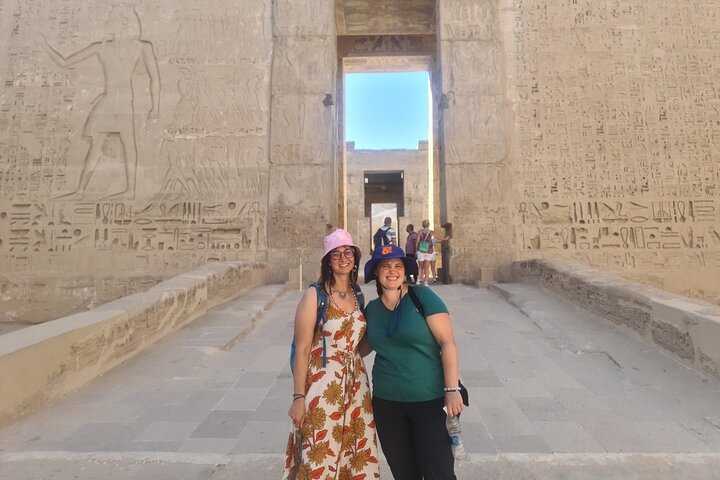
After visiting Deir el Medina, head to Medinet Habu, a massive temple complex that was built by Ramses III (1186-1155 BC). Medinet Habu is one of the best-preserved temples in Egypt, and its reliefs and hieroglyphs provide a wealth of information about the life and reign of Ramses III. Medinet Habu is located on the West Bank of the Nile River, opposite the city of Luxor. It is a UNESCO World Heritage Site, and it is one of the most important archaeological sites in Egypt. The temple complex at Medinet Habu is dedicated to the god Amun, the patron deity of the New Kingdom pharaohs. Medinet Habu is a must-see for anyone interested in ancient Egypt. It is a chance to see one of the best-preserved temples in Egypt and to learn about the life and reign of one of the most powerful pharaohs in Egyptian history.
After visiting Medinet Habu, head to the Colossi of Memnon, two massive statues of Amenhotep III that stand at the entrance to his mortuary temple. The statues are over 60 feet tall and weigh over 700 tons. The Colossi of Memnon are one of the most iconic landmarks in Luxor, and they are a must-see for any visitor to the city.
Cancelamento gratuito até 24 horas antes do início, com reembolso total.
Luxor ergue-se no local da antiga Tebas, com vastos templos na margem leste do Nilo e os túmulos reais do Vale dos Reis do outro lado do rio.
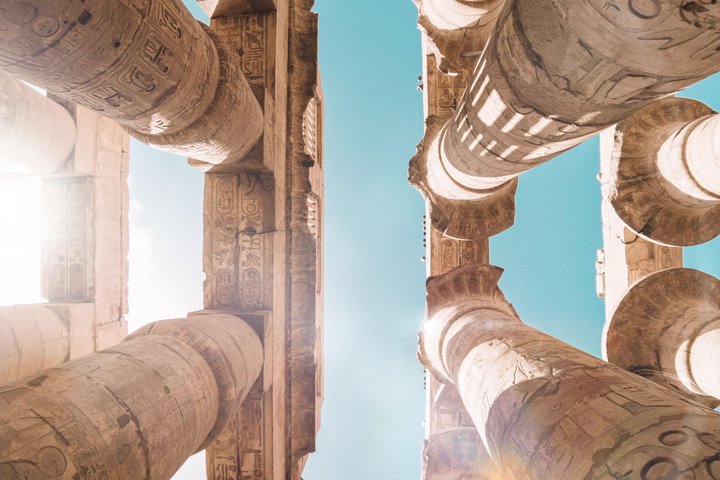
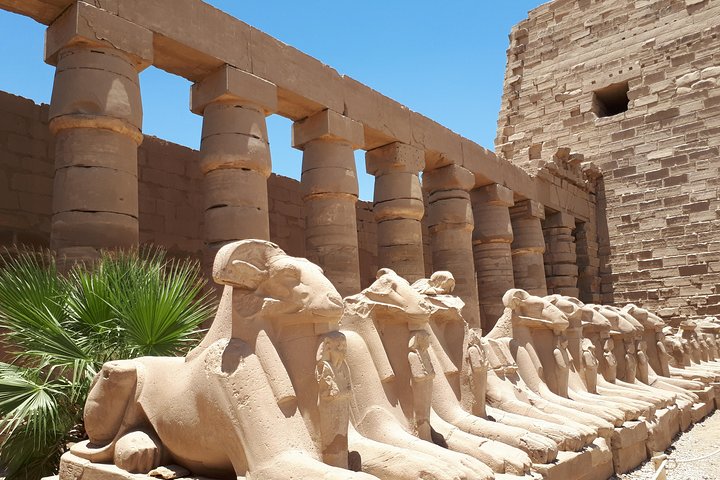
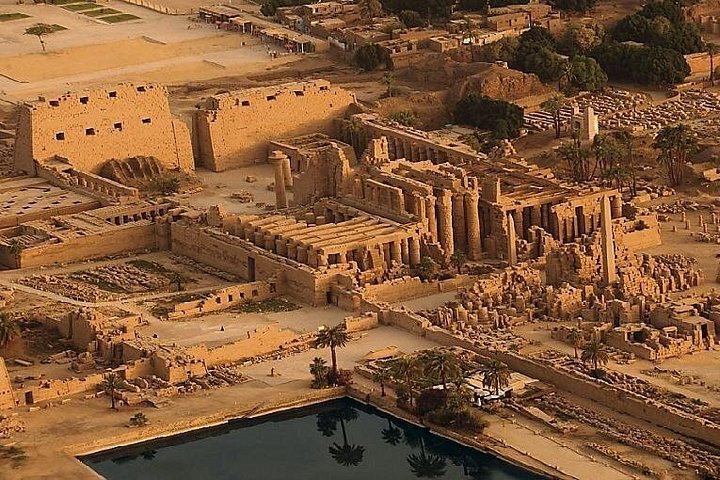
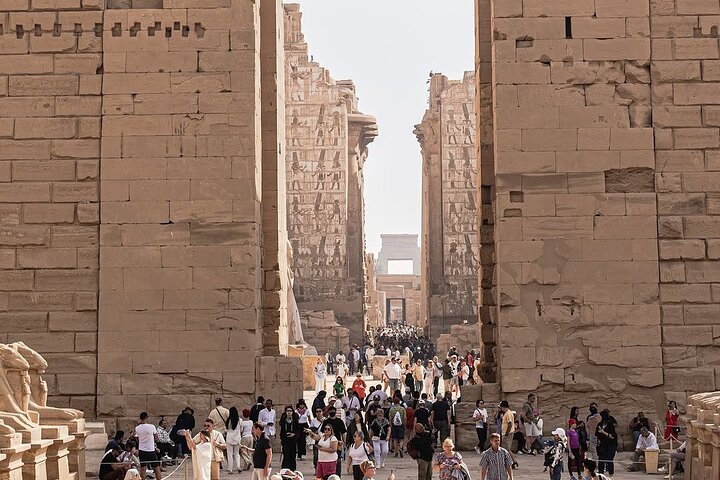
Na margem leste, o complexo do templo de Karnak estende-se por hectares de pilones, obeliscos e a floresta de colunas da sua Grande Sala Hipostila. Uma avenida de esfinges liga-o ao Templo de Luxor, no centro da cidade, especialmente evocador quando iluminado à noite. O Museu de Luxor e o Museu da Mumificação ficam ao longo da marginal do rio.
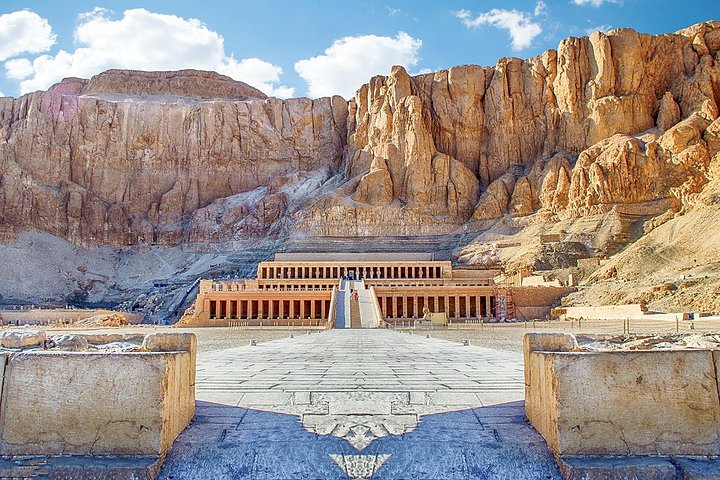
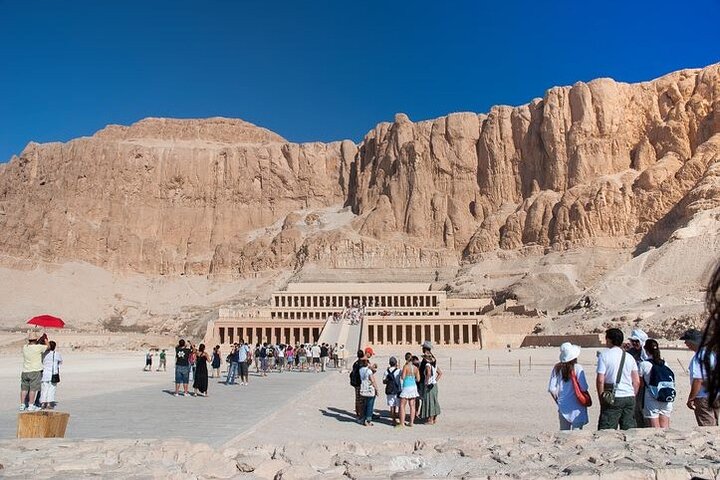
Top-ranked sights in Luxor: Valley of the Kings, Temple of Hatshepsut (at Deir el-Bahari), Colossi of Memnon.
Os preços riscados vêm do operador, nunca de nós.
desdeUS$ 32US$ 29
desdeUS$ 10US$ 10
desdeUS$ 18US$ 14
Adicione Ticket Hall ao seu ecrã principal
Bilhetes e guias das cidades a um toque, mesmo sem ligação.
Ticket Hall