Historical Tour to Togoville
Les descriptions sont affichées en anglais.
- 4–5 heures
- Annulation gratuite jusqu’à 24 h avant
- 2 langues
- Confirmation immédiate
Points forts
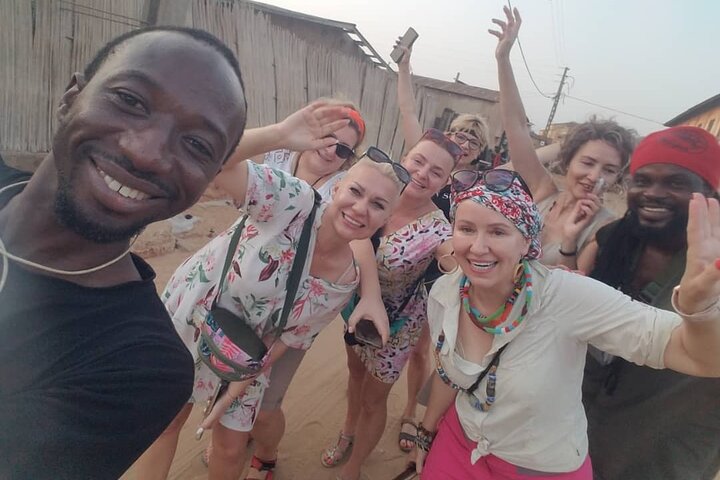
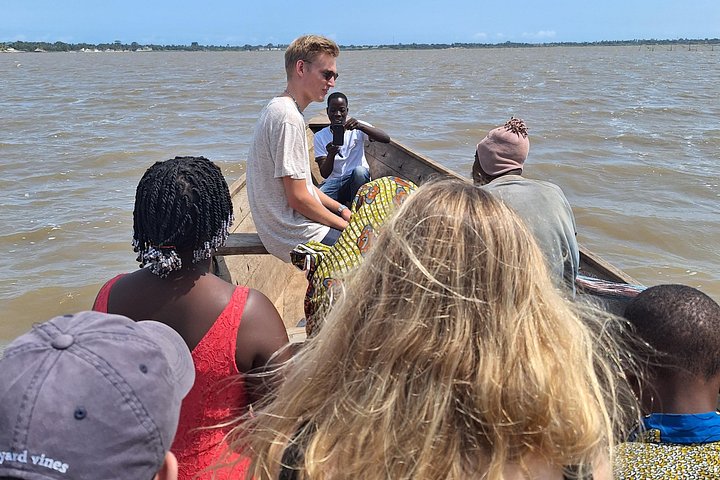
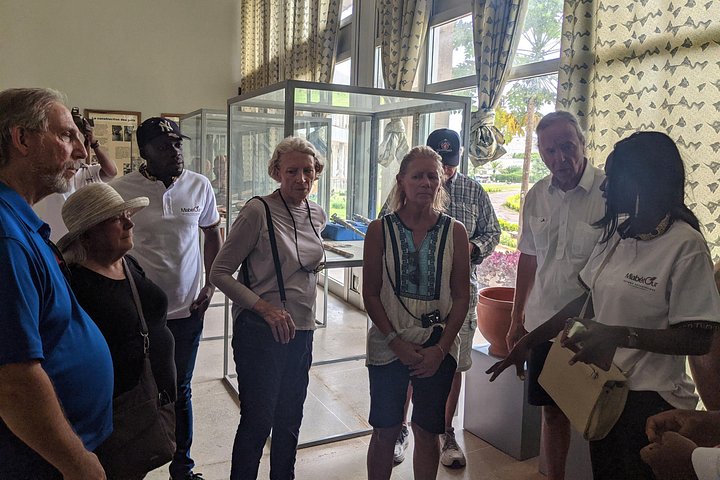
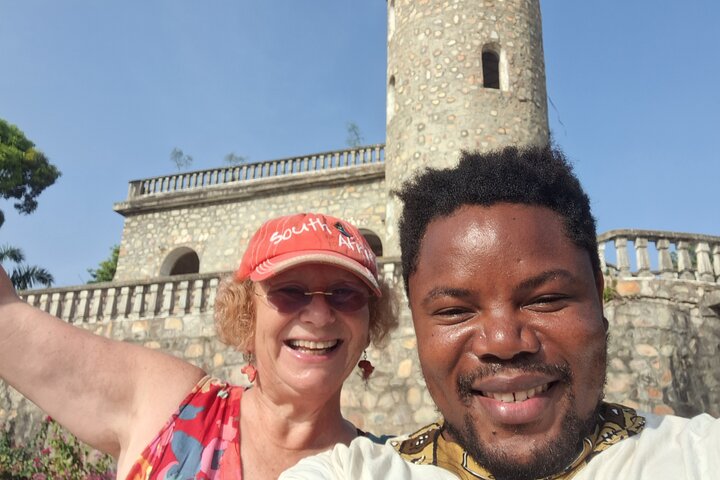
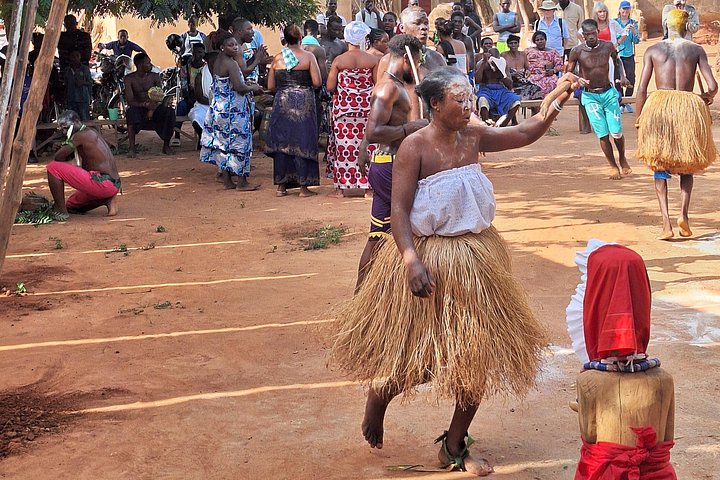
The tour starts with a visit to the slave house in Agbodrafo . After we go to Togoville by canoe via lake Togo . The hiking in Togoville includes the visit of the German cathedral , the local market,the different gods ( vodoos ) Take a canoe back to Agbodrafo Visit the slave house We will then drive to Aneho to see the place where the sea and the lake cross We drive back to Lomé
Inclus
Ce qui est inclus
- Private transportation
- Entry fees
- GST (Goods and Services Tax)
Non inclus
- Soda/Pop
Annulation
Annulation gratuite jusqu’à 24 heures avant le début de l’expérience, avec remboursement intégral.
Avis
4,4
- 56
- 41
- 30
- 20
- 11
Les notes proviennent de 8 avis recueillis par notre partenaire de réservation. Ce sont les mots des voyageurs, dans l’ordre où ils ont été écrits — jamais réorganisés pour flatter l’expérience.
À savoir avant de partir
- Point de rendez-vous
- We pick you up at a location of your choice anywhere in Lomé
- Prise en charge
- Tout le monde se retrouve au point de départ ; il n’y a pas de prise en charge.
- Type de billet
- Mobile or paper ticket accepted
- Opéré par
- Mowoki Tours
- Service animals allowed
- Public transportation options are available nearby
- Specialized infant seats are available
- Travelers should have at least a moderate level of physical fitness
How it compares in Lomé
- Its from-price is close to the median of the 29 experiences we list in Lomé.
- Its length is typical for the group.
- By number of reviews it ranks 5 of 29.
- The operator lists free cancellation on it.
About Lomé
Lomé, the capital of Togo, is a palm-lined city on the Gulf of Guinea beside the Ghanaian border, known for its big market and its voodoo fetish market.
Lomé stands on the Gulf of Guinea at Togo's southern tip, so close to Ghana that the border lies on the western edge of the city. It grew from a fishing village into the capital under German rule in the late 19th century, and the seafront, with its palm trees and old colonial buildings, still has an air of the early days. The Grand Marché, the central market, is a multi-storey maze where traders known as Nana-Benz built fortunes selling wax-print cloth.