2Days 1Night Trekking Kalaw to Inle
- 29 hours
- Free cancellation up to 24h before
- 2 languages
- Instant confirmation
Highlights
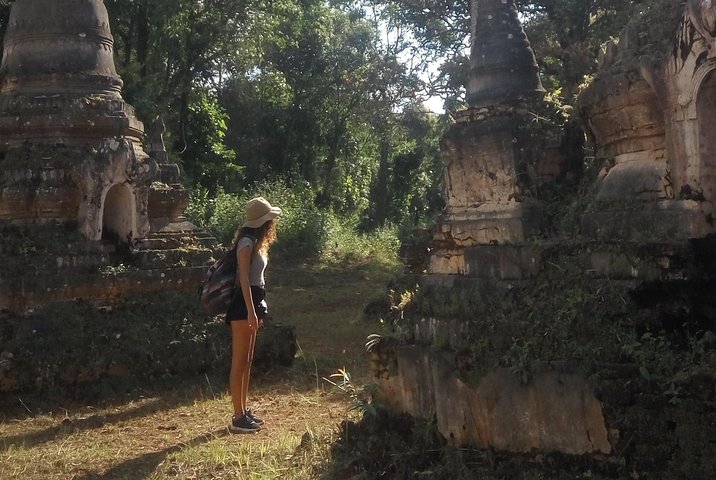
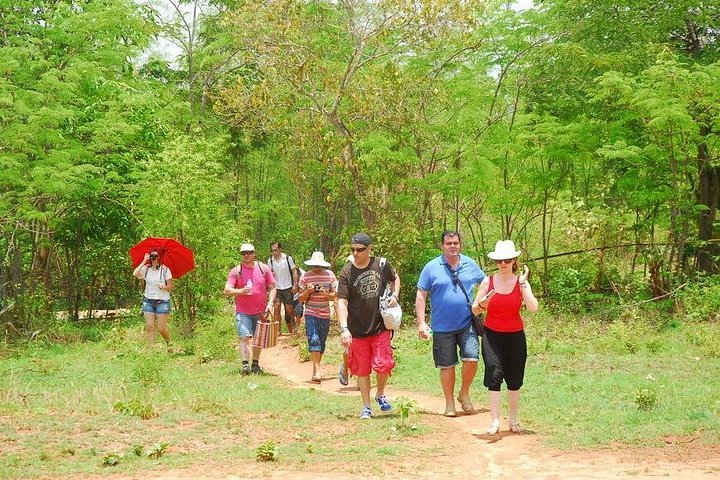
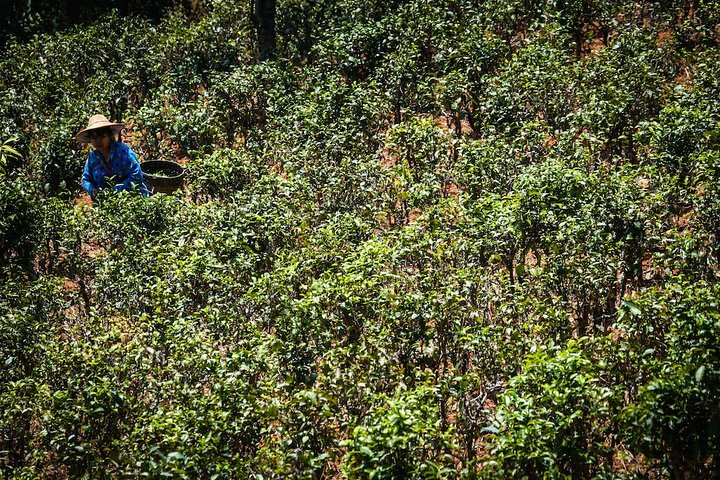
We will take a taxi to a small village for 40 mins. We walk for 3 hours to lunch point, and walk 3 more hours to the village where we sleep in a really traditional farm house. The next day, we will walk 4 hours, we’ll get a lunch in the village at the lake, after having lunch, we have to take a boat taxi around 1 hour and half, we’ll pass Floating Garden, floating villages, traditional fisherman and other beautiful sights on the lake. The trek ends in Nyaung Shwe town 30 to 35 km, in 2 days Not included - Any kind of Drink and Entrance Fee
Inclusions
What's included
- Lunch
- Dinner
- Breakfast
What's not
- All Fees and Taxes
- Bottled water
Cancellation
Free cancellation up to 24 hours before the experience starts, for a full refund.
Reviews
5.0
- 59
- 40
- 30
- 20
- 10
Ratings come from 9 reviews collected by our booking partner. They are travellers' own words, in the order they were written — never reordered to flatter the experience.
Know before you go
- Pickup
- Pickup is included for everyone.
- Ticket type
- Mobile or paper ticket accepted
- Operated by
- Rohit Kalaw Trekking
- Public transportation options are available nearby
- Not recommended for travelers with spinal injuries
- Not recommended for pregnant travelers
- Not recommended for travelers with poor cardiovascular health
- Travelers should have at least a moderate level of physical fitness
How it compares in Kalaw
- Its from-price is 13% below the median of the 13 experiences we list in Kalaw.
- It is shorter than most of them.
- By number of reviews it ranks 2 of 13.
- The operator lists free cancellation on it.
About Kalaw
Kalaw is a cool hill town in Myanmar's Shan State, a former British retreat among pine forests, and the usual starting point for the trek to Inle Lake.
Kalaw sits at about 1,300 metres in the hills of southern Shan State, a former British hill station where civil servants once escaped the heat of the plains. Colonial-era wooden houses and churches stand among its tree-lined streets, and pine and eucalyptus woods cover the slopes around. The air is noticeably fresher than in the lowlands.