-15 %Cancelación gratuita
Categorías en Tokio
Las descripciones se muestran en inglés.
In this 6-hour Tokyo walking tour, you can experience the traditional Japanese tea ceremony known as "sado". Sado reflects the spirit of "wabi-sabi," a philosophy which finds beauty in simple refinement, old ways, and solitude. Beyond just serving and enjoying green tea, one of the main purposes of the tea ceremony is for the guests to enjoy the hospitality of the host . Your guide will drop you off at Jidaiya after a 5-hour walking tour. Start time: Your start time for the experience may vary. The estimated time for the experience will be about 5 hours from the start of the tour. In this tour, you will learn the spirit of Japanese tea culture through experience! Your Tea Ceremony experience also comes with a walking tour. You can visit a few sights of your choosing with your guide. Please budget about 2 hours for each sight. Age: Children can join this tour, however, the tea ceremony experience is for those 12 and up. Note: The start time for the experience may vary.
Jidaiya's Japanese culture experience programs are for those seeking for a good alternative of Asakusa sightseeing and for the people who wish to have more profound and authentic Japanese experience.
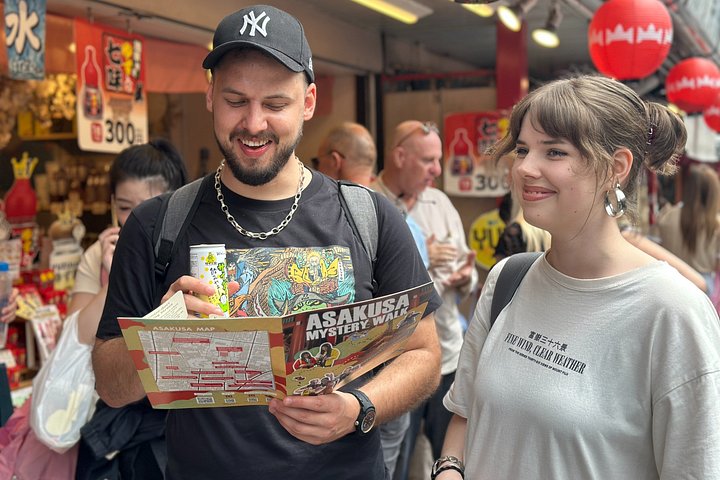
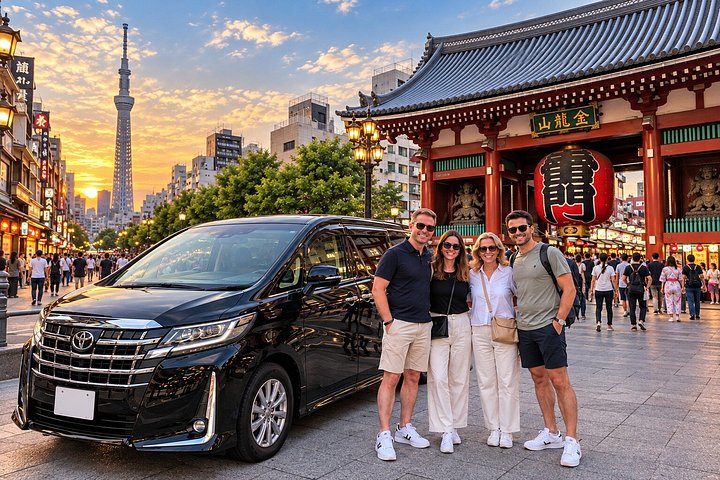
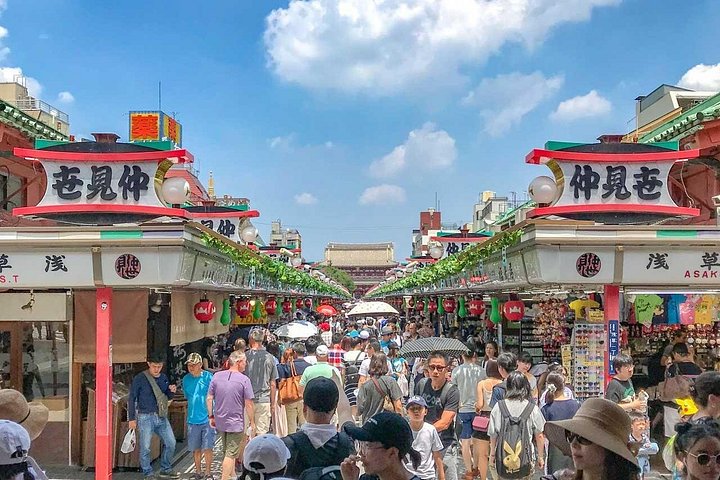
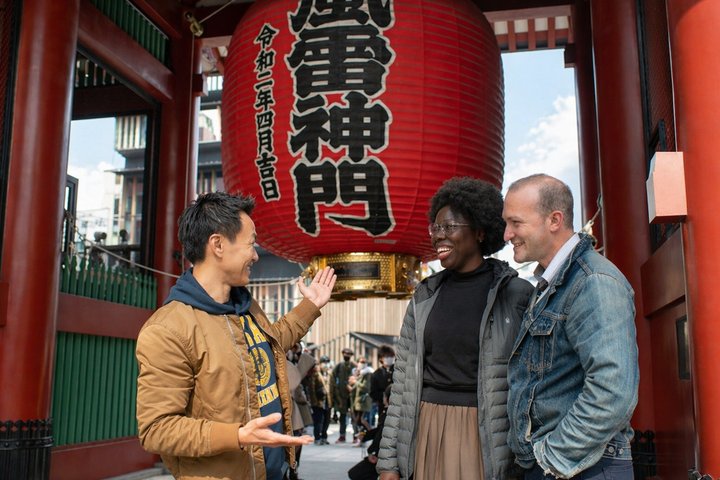
Asakusa (浅草) is the center of Tokyo's Shitamachi (literally "low city"), one of Tokyo's districts, where an atmosphere of the Tokyo of past decades survives. Asakusa's main attraction is Sensoji, a very popular Buddhist temple, built in the 7th century. The temple is approached via the Nakamise, a shopping street that has been providing temple visitors with a variety of traditional, local snacks and tourist souvenirs for centuries.
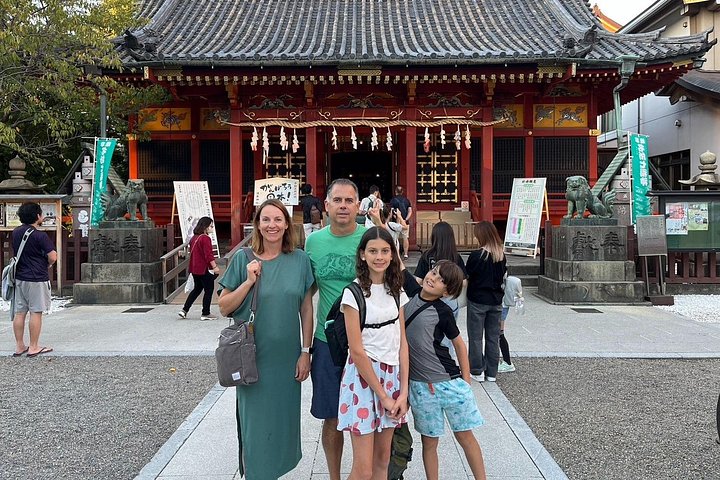
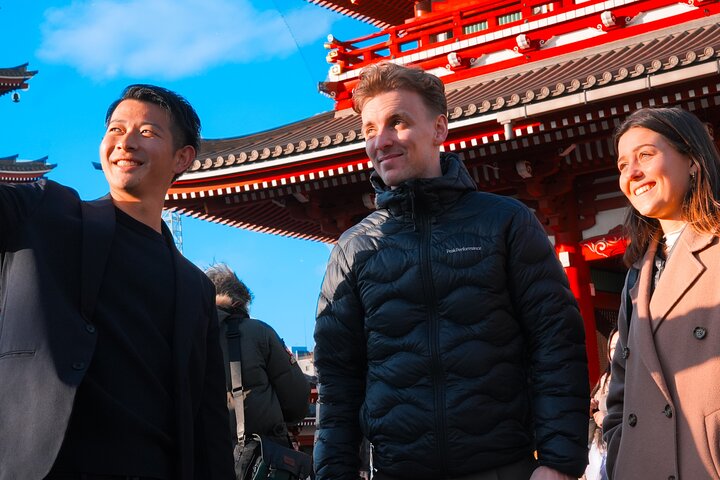
Sensoji (浅草寺, Sensōji, also known as Asakusa Kannon Temple) is a Buddhist temple located in Asakusa. It is one of Tokyo's most colorful and popular temples. The legend says that in the year 628, two brothers fished a statue of Kannon, the goddess of mercy, out of the Sumida River, and even though they put the statue back into the river, it always returned to them. Consequently, Sensoji was built nearby for the goddess of Kannon. The temple was completed in 645, making it Tokyo's oldest temple.
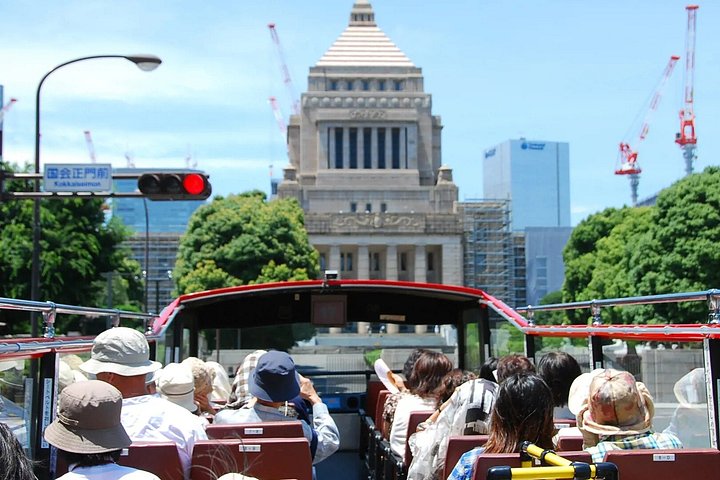
**This tour does not include access to the inside of the Imperial Palace** The current Imperial Palace (皇居, Kōkyo) is located on the former site of Edo Castle, a large park area surrounded by moats and massive stone walls in the center of Tokyo, a short walk from Tokyo Station. It is the residence of Japan's Imperial Family. Edo Castle used to be the seat of the Tokugawa shogun who ruled Japan from 1603 until 1867. In 1868, the shogunate was overthrown, and the country's capital and imperial residence were moved from Kyoto to Tokyo. In 1888 construction of a new Imperial Palace was completed. The palace was once destroyed during World War Two and rebuilt in the same style, afterward.
Hama Rikyu (浜離宮, Hama Rikyū), is a large, attractive landscape garden in central Tokyo. Located alongside Tokyo Bay, Hama Rikyu features seawater ponds which change level with the tides, and a teahouse on an island where visitors can rest and enjoy the scenery. The traditionally styled garden stands in stark contrast to the skyscrapers of the adjacent Shiodome district.
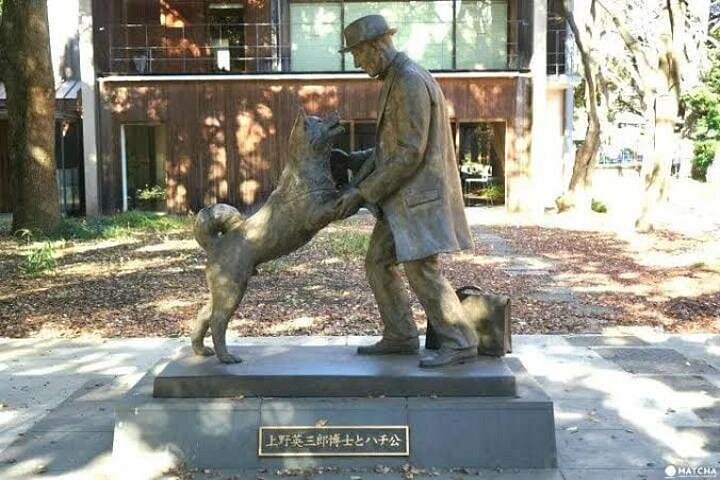
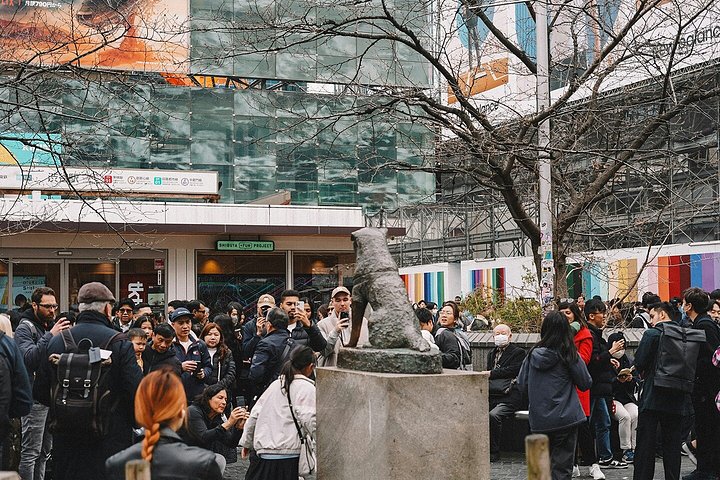
Shibuya Scramble Crossing (渋谷スクランブル交差点, Shibuya sukuranburu kōsaten), or commonly known as Shibuya Crossing, is a popular scramble crossing in Shibuya, Tokyo, Japan. It is located in front of the Shibuya Station Hachikō exit and stops vehicles in all directions to allow pedestrians to inundate the entire intersection.
Harajuku (原宿) refers to the area around Tokyo's Harajuku Station, which is between Shinjuku and Shibuya on the Yamanote Line. It is the center of Japan's most extreme teenage cultures and fashion styles, but also offers shopping for adults and some historic sights. The focal point of Harajuku's teenage culture is Takeshita Dori (Takeshita Street) and its side streets, which are lined by many trendy shops, fashion boutiques, used clothes stores, crepe stands and fast food outlets geared towards the fashion and trend conscious teens.
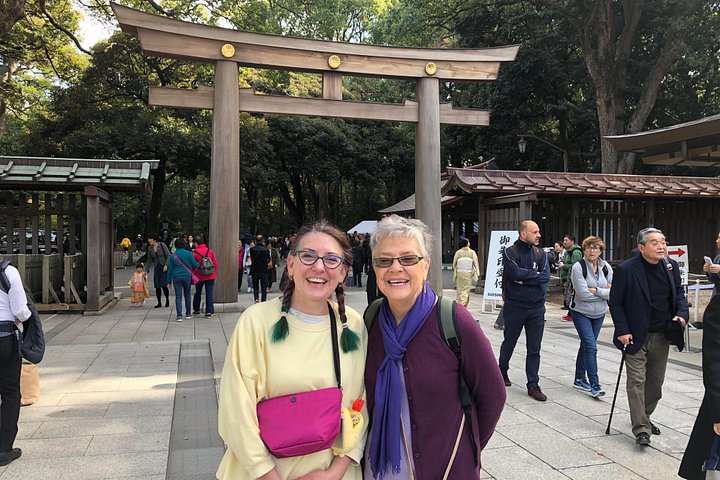
Meiji Shrine (明治神宮, Meiji Jingū) is a shrine dedicated to the deified spirits of Emperor Meiji and his consort, Empress Shoken. Located just beside the JR Yamanote Line's busy Harajuku Station, Meiji Shrine and the adjacent Yoyogi Park make up a large forested area within the densely built-up city. The spacious shrine grounds offer walking paths that are great for a relaxing stroll. The shrine was completed and dedicated to Emperor Meiji and Empress Shoken in 1920, eight years after the passing of the emperor and six years after the passing of the empress. The shrine was destroyed during the Second World War but was rebuilt shortly thereafter.
Akihabara (秋葉原), also called Akiba after a former local shrine, is a district in central Tokyo that is famous for its many electronics shops. In more recent years, Akihabara has gained recognition as the center of Japan's otaku (diehard fan) culture, and many shops and establishments devoted to anime and manga are now dispersed among the electronic stores in the district. On Sundays, Chuo Dori, the main street through the district, is closed to car traffic from 13:00 to 18:00 (until 17:00 from October through March).
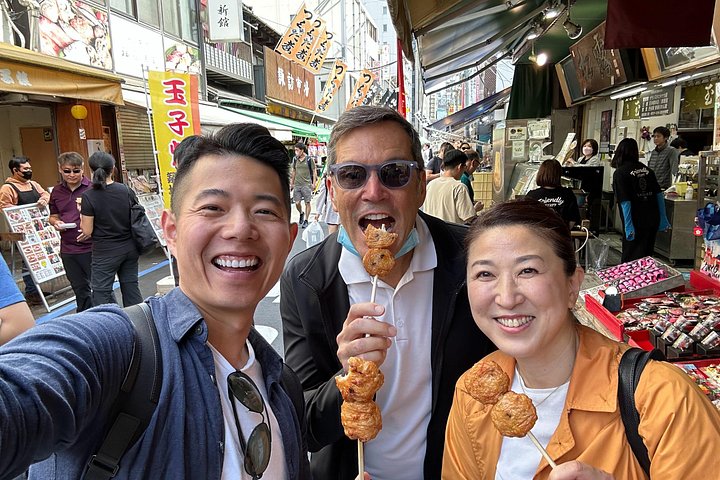
Also known as Tsukiji Outer Market (築地場外市場, Tsukiji Jōgai Shijō), Tsukiji Fish Market is a district adjacent to the site of the former Tsukiji Wholesale Market. It consists of a few blocks of wholesale and retail shops, as well as restaurants crowded along narrow lanes. Here you can find fresh and processed seafood and produce alongside food-related goods such as knives. A visit to Tsukiji Outer Market is best combined with a fresh sushi breakfast or lunch at one of the local restaurants. The restaurants are typically open from 5:00 in the morning to around noon or early afternoon.
Rikugien (六義園) is often considered Tokyo's most beautiful Japanese landscape garden alongside Koishikawa Korakuen. Built around 1700 for the 5th Tokugawa Shogun, Rikugien literally means "six poems garden" and reproduces in miniature 88 scenes from famous poems. The garden is a good example of an Edo Period strolling garden and features a large central pond surrounded by manmade hills and forested areas, all connected by a network of trails.
Koishikawa Korakuen (小石川後楽園, Koishikawa Kōrakuen) is one of Tokyo's oldest and best Japanese gardens. It was built in the early Edo Period (1600-1867) at the Tokyo residence of the Mito branch of the ruling Tokugawa family. Like its namesake in Okayama, the garden was named Korakuen after a poem encouraging a ruler to enjoy pleasure only after achieving happiness for his people. Koishikawa is the district in which the garden is located in.
Cancelación gratuita hasta 24 horas antes del inicio, con reembolso completo.
4,7
Las valoraciones proceden de 7 opiniones recogidas por nuestro socio de reservas. Son palabras de los viajeros, en el orden en que se escribieron — nunca reordenadas para favorecer la experiencia.
Barrios de neón, santuarios tranquilos, comida excelente y distritos singulares: Tokio es una metrópolis inmensa y ordenada, de trenes puntuales.
Cada distrito parece una ciudad propia. El famoso cruce de Shibuya y las torres, los bares y los callejones de Golden Gai en Shinjuku vibran de energía, mientras que Harajuku mezcla la moda juvenil con la calma boscosa del santuario Meiji Jingu. En Asakusa, el templo Sensō-ji y su calle comercial mantienen vivo un Tokio más antiguo, y Ginza ofrece elegantes grandes almacenes y galerías.
Top-ranked sights in Tokio: Senso-ji Temple (Asakusa Temple), Tokyo Imperial Palace, Meiji Shrine (Meiji Jingu).
Los precios tachados vienen del operador, nunca de nosotros.
desde28 US$22 US$

desde30 US$24 US$
desde452 US$407 US$
desde278 US$255 US$
desde199 US$189 US$

Añada Ticket Hall a su pantalla de inicio
Entradas y guías de ciudad a un toque, incluso sin conexión.
Ticket Hall