-15 %Cancelación gratuita
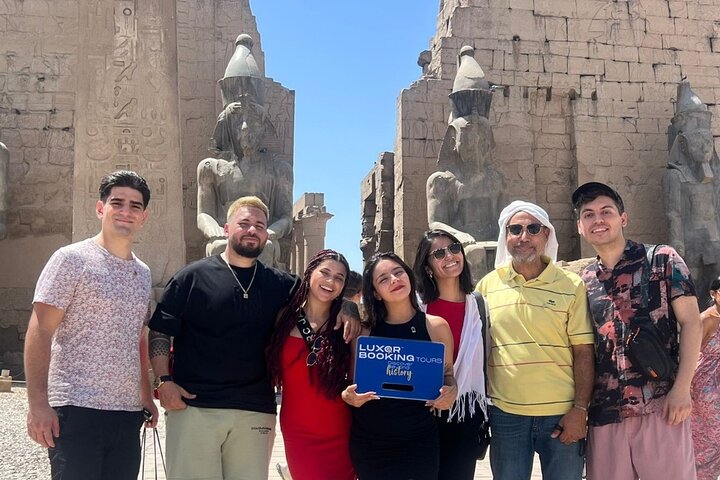
Half Day East Bank Tour to Luxor and Karnak Temples (Private)
desde21 US$18 US$
Categorías en Luxor
Las descripciones se muestran en inglés.
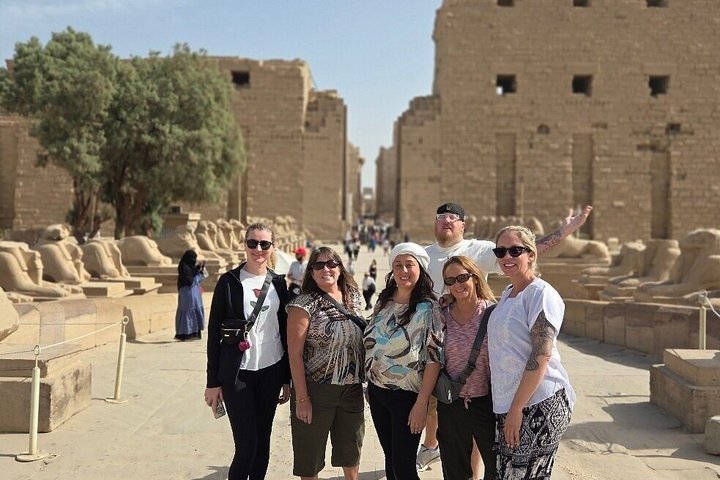
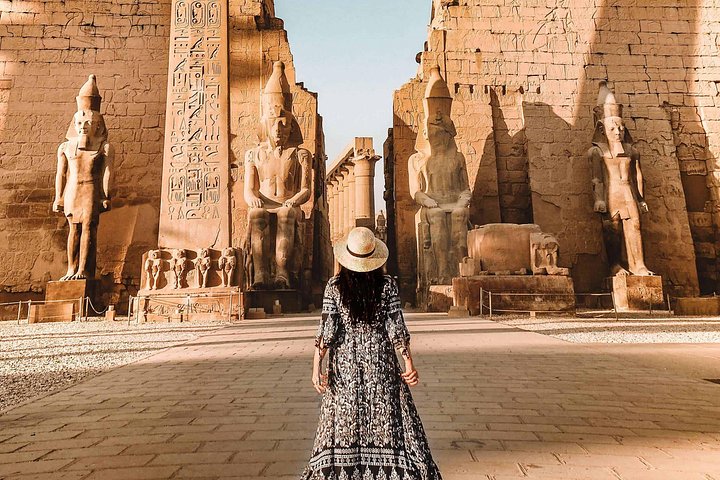
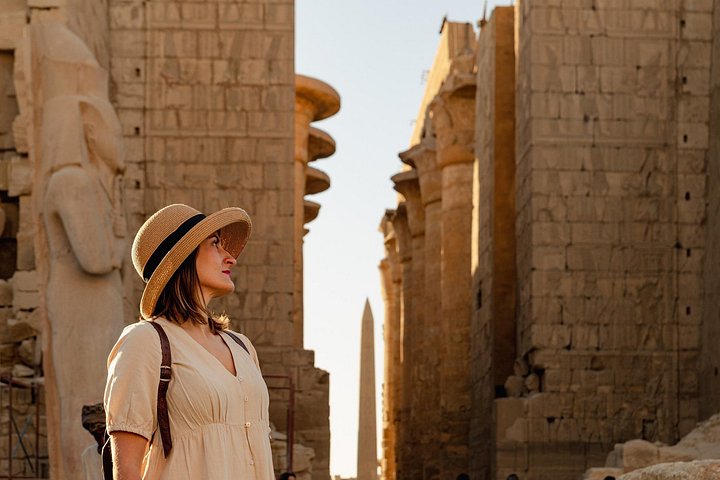
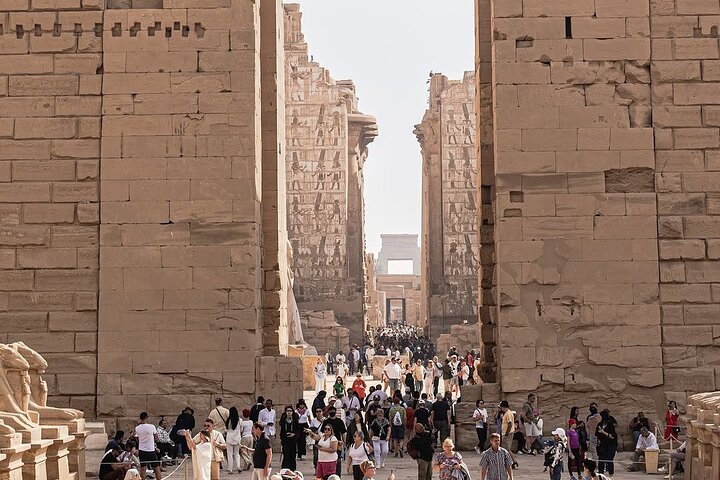
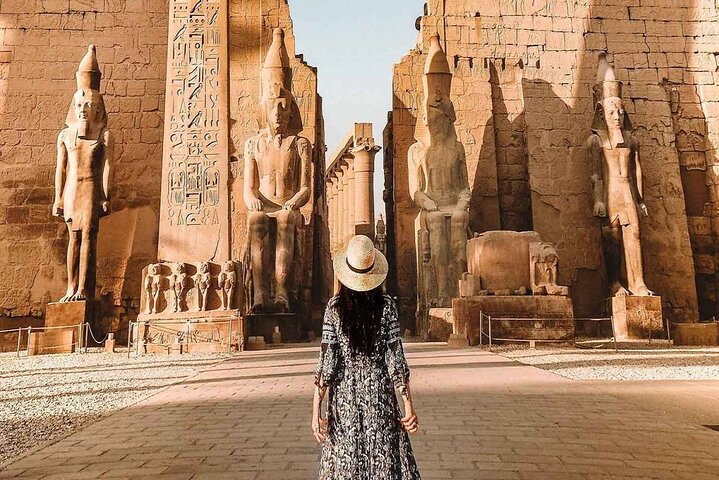
Step into the cradle of civilization with a private, Egyptologist-guided journey through Luxor’s East Bank. In just half a day you’ll explore two of the world’s most breathtaking temple complexes — Karnak and Luxor Temples — without the rush of large groups. At Karnak Temple, lose yourself in the largest religious site ever built. Walk beneath soaring sandstone columns in the Hypostyle Hall, admire towering obelisks, and hear stories of legendary pharaohs such as Ramses II and Hatshepsut — stories you won’t get from guidebooks. Continue to Luxor Temple, once the ceremonial heart of ancient Egypt and home to the Opet Festival. Here you’ll stroll the beautifully preserved Avenue of Sphinxes, stand before colossal statues, and discover intricate carvings glowing under the Egyptian sun.
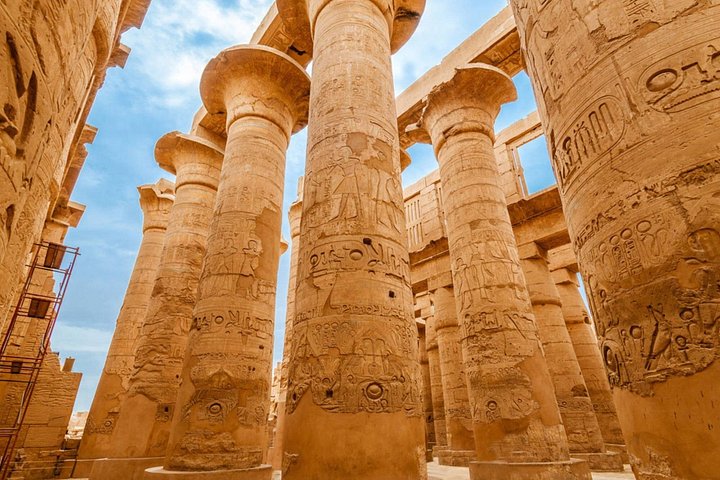
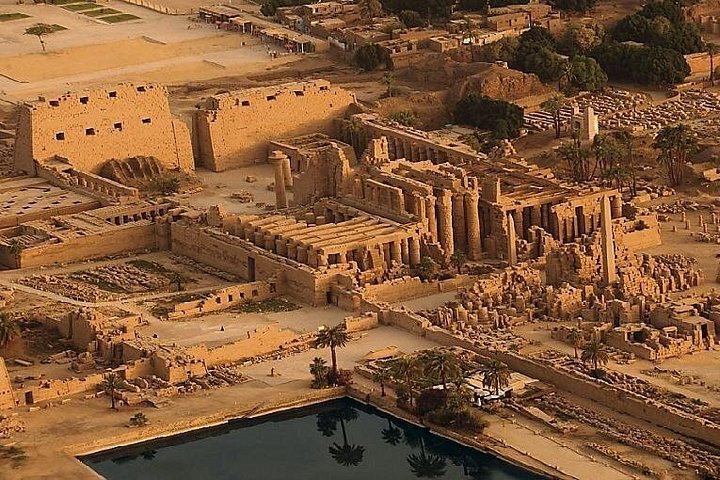
The Karnak Temple Complex is one of the most magnificent and largest religious sites in ancient Egypt. Located on the East Bank of the Nile in Luxor, Karnak was dedicated primarily to the Theban triad of Amun, Mut, and Khonsu. Spanning over 200 acres, the complex features massive pylons, towering columns, sacred lakes, and intricate hieroglyphics that showcase the grandeur of ancient Egyptian architecture and religious life. The highlight of Karnak is the Great Hypostyle Hall, with its 134 giant columns arranged in 16 rows — a breathtaking sight that continues to awe visitors. Built over more than 2,000 years by successive pharaohs, Karnak is a powerful symbol of Egypt’s spiritual and political history. A visit to Karnak Temple is a journey back in time, offering a deep connection to the legacy of ancient Thebes and the mighty pharaohs who once ruled the Nile Valley.
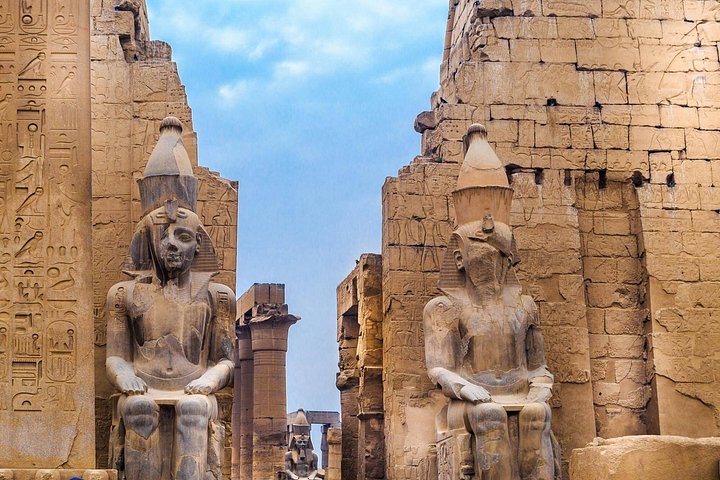
Luxor Temple is one of Egypt’s most iconic ancient landmarks, located in the heart of modern-day Luxor on the East Bank of the Nile. Unlike other temples dedicated to gods, Luxor Temple was primarily built to celebrate the divine kingship of the pharaohs and was used for religious festivals, especially the famous Opet Festival. Constructed around 1400 BCE by Amenhotep III and later expanded by Ramses II, the temple features towering statues, massive pylons, detailed hieroglyphs, and a beautifully preserved avenue of sphinxes that once connected it to Karnak Temple. A visit to Luxor Temple offers a stunning look into ancient Egyptian civilization, especially at night when the temple is beautifully illuminated. It’s a must-see for travelers exploring the wonders of ancient Thebes and the legacy of the New Kingdom pharaohs.
Cancelación gratuita hasta 24 horas antes del inicio, con reembolso completo.
5,0
Las valoraciones proceden de 1 opiniones recogidas por nuestro socio de reservas. Son palabras de los viajeros, en el orden en que se escribieron — nunca reordenadas para favorecer la experiencia.
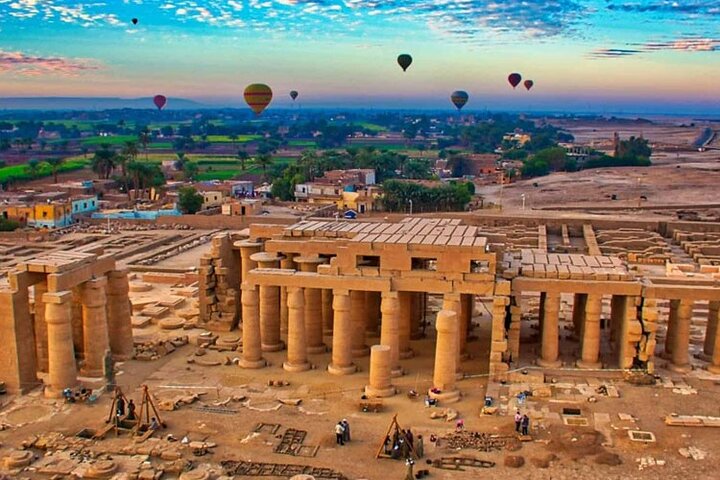
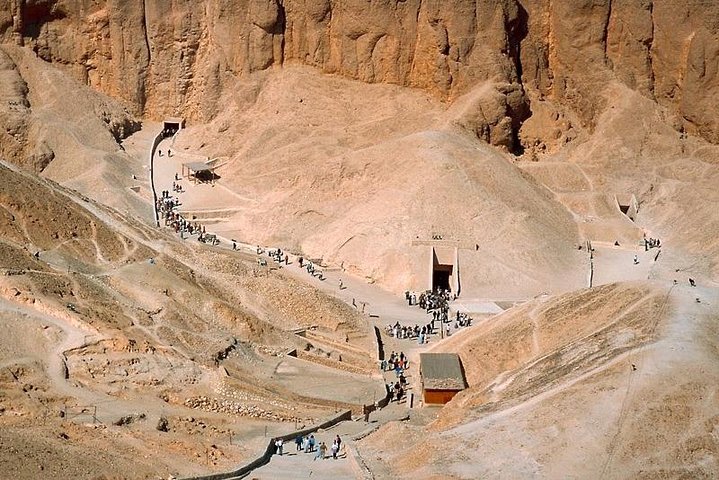
Luxor se alza sobre la antigua Tebas, con enormes templos en la orilla oriental del Nilo y, al otro lado, las tumbas reales del Valle de los Reyes.
En la orilla este, el complejo del templo de Karnak se extiende por hectáreas de pilonos, obeliscos y el bosque de columnas de su Gran Sala Hipóstila. Una avenida de esfinges lo une con el Templo de Luxor, en el centro de la ciudad, especialmente evocador cuando se ilumina por la noche. El Museo de Luxor y el Museo de la Momificación se encuentran a lo largo del paseo junto al río.
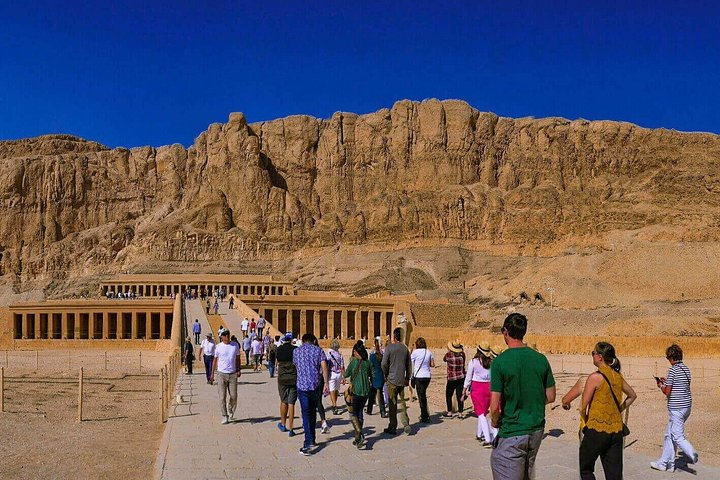
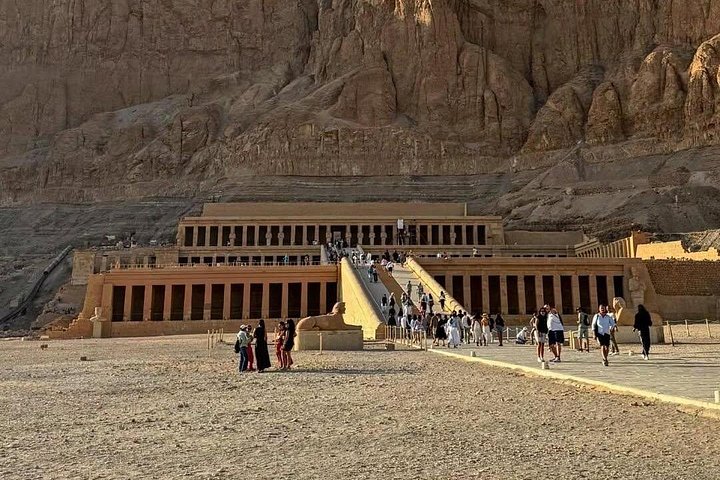
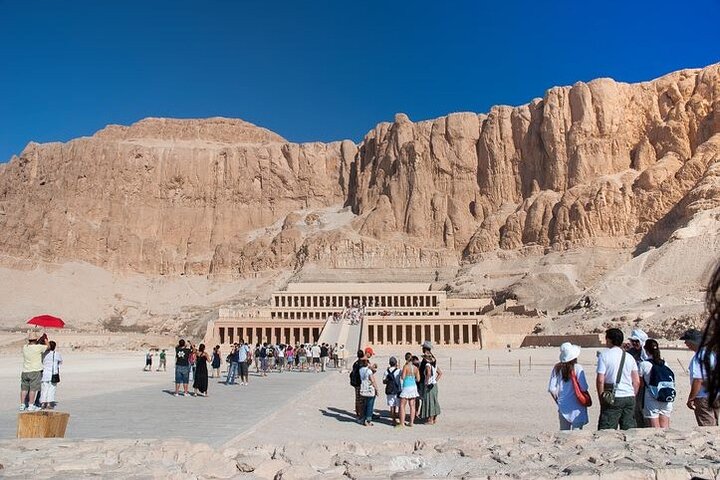
Top-ranked sights in Luxor: Valley of the Kings, Temple of Hatshepsut (at Deir el-Bahari), Colossi of Memnon.
Los precios tachados vienen del operador, nunca de nosotros.
desde21 US$18 US$
desde101 US$91 US$
desde46 US$41 US$
desde120 US$84 US$
desde458 US$412 US$
desde32 US$29 US$
Añada Ticket Hall a su pantalla de inicio
Entradas y guías de ciudad a un toque, incluso sin conexión.
Ticket Hall