Lisbon Small Group 2h Sunset Sailing- Live Commentary & a Drink
Las descripciones se muestran en inglés.
- 2 horas
- Cancelación gratuita hasta 24 h antes
- 3 idiomas
- Confirmación inmediata
Destacados
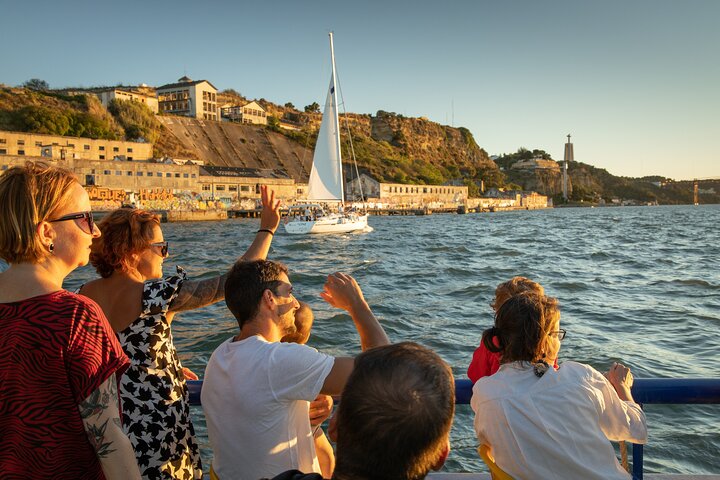
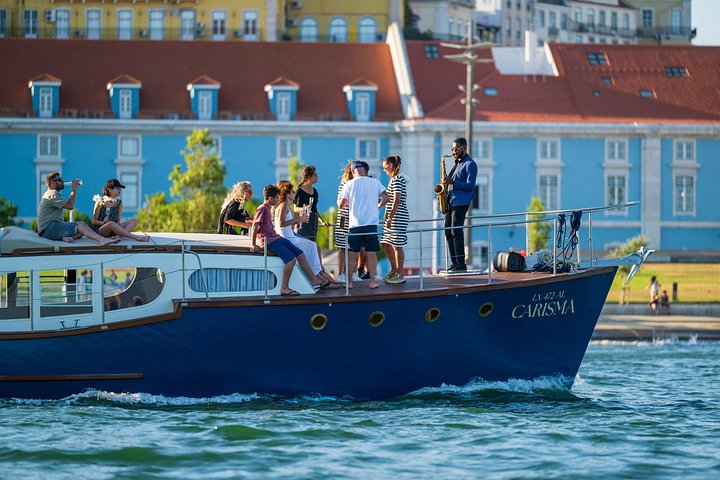
Lisbon, sailing the Tagus river, the discoveries and the history of one of the oldest cities in the world watching a fantastic sunset while drinking a astonishing Portuguese wine
Incluye
Qué incluye
- One Welcome Drink Included (Glass of wine, beer, soft drink or water)
- Onboard Crew
- All Fees and Taxes
- Live Commentary on board
- Restroom on board
Qué no incluye
- Gratuities
Itinerario
Palmayachts Meeting Point - Gate 1
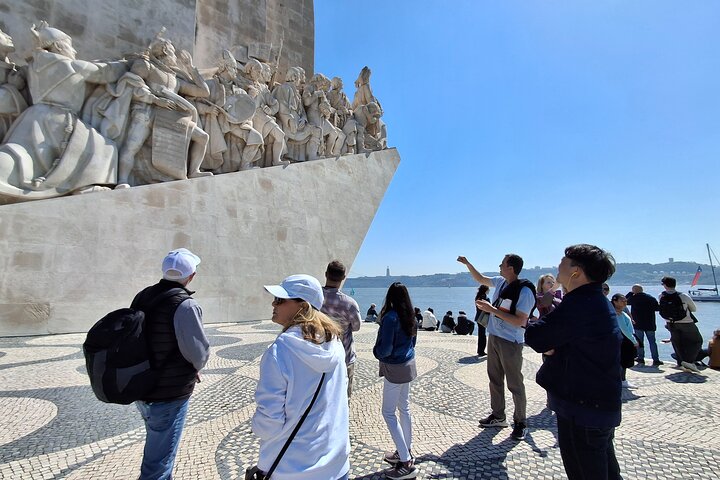
Created by Cottinelli Telmo (1897–1948) and the sculptor Leopoldo de Almeida (1898–1975), Padrão dos Descobrimentos was first erected in 1940, in a temporary form, as part of the Portuguese World Exhibition, built with perishable materials. It had a light iron and cement frame, while the moulded sculpture had a light iron and cement frame, while the moulded sculpture was made of gypsum (formed of plaster and burlap, and reinforced by a wooden and iron structure). The monument was reconstructed in 1960 to mark 500 years since the death of the Infante Dom Henrique (Henry the Navigator). This time it was made of concrete and rose-tinted Leiria stone masonry, with the sculptures made of Sintra limestone masonry. The Centro Cultural das Descobertas was opened in 1985. Architect Fernando Ramalho remodelled the interior, giving the monument a viewpoint, auditorium and exhibition hall.
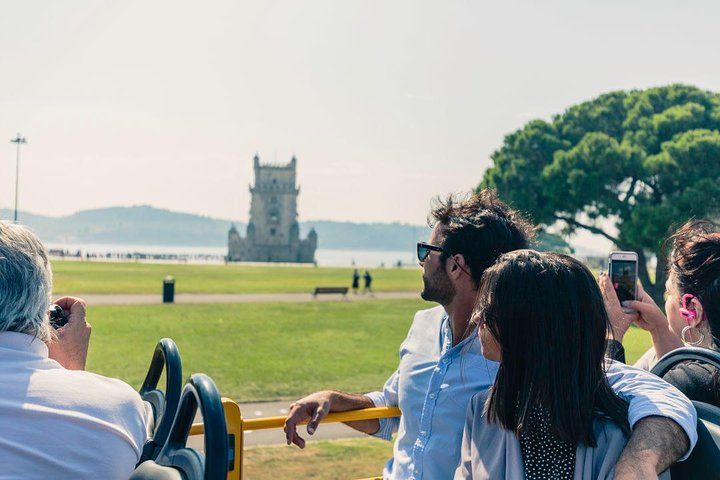
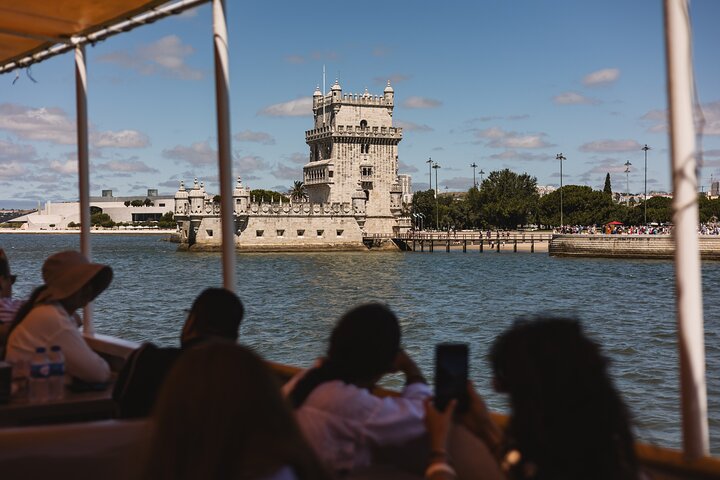
The Belém Tower was inscribed on the UNESCO World Heritage List in 1983 and is an identity symbol of the city of Lisbon and Portugal in the world. It is historically and artistically associated with the Jerónimos Monastery and the Portuguese Discoveries. Built between 1514 and 1519 on a basaltic surface, some distance from the north bank of the river, it combines two distinct architectural models: the tall tower, like a medieval keep, and the bulwark, a modern military device.
This museum is housed in a group of buildings classified as national heritage - the Central Tejo or Lisbon power station. Besides the building itself, the main interest is the machinery used to supply electricity to the city of Lisbon in the first half of the 20C. It includes 19C dynamos and electric motors, steam engines, high-pressure boilers, hydraulic generators and other tools and equipment.
Inaugurated in October 2016 within the framework of EDP Foundation’s long-running policy of cultural patronage, MAAT – Museum of Art, Architecture and Technology is an international institution dedicated to arouse critical discourse and creative practice with the intent of sparking new understandings about the historical present and a responsible commitment to the future. Located on the riverfront in Lisbon’s historical Belém district, MAAT comprises a former power station built in 1908 – MAAT Central – and a contemporary building – MAAT Gallery – connected via a park that extends along the River Tagus: MAAT Garden. In addition to the programme of temporary exhibitions and activities – Agenda – the museum also features permanent exhibitions such as The Electricity Factory at Central Tejo and the sculptures in the outdoor spaces.
The Fábrica Nacional de Cordoaria, or Cordoaria Nacional, belonged to the Portuguese Navy. This was where the cables, sisal ropes, sails and flags that equipped the Portuguese ships were manufactured. The building, which dates to the 1770s, has been classified as a national monument since 1996. The art gallery, housed in the Torreão Nascente (Eastern Tower), regularly holds major exhibitions from Portuguese and international collections.
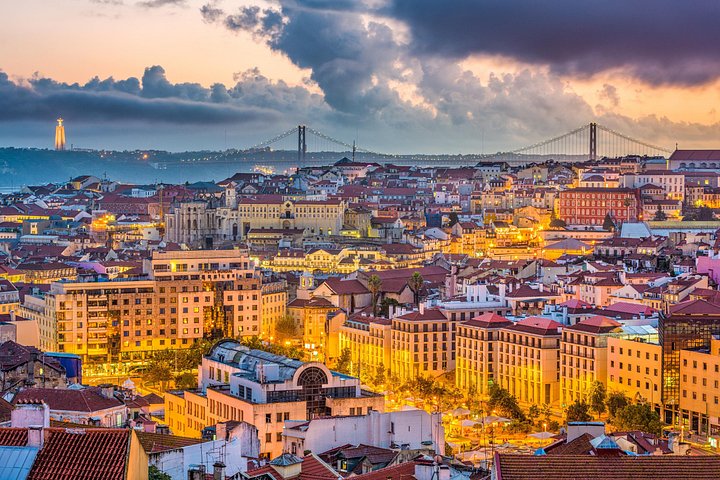
The Ponte 25 de Abril (25th of April Bridge) is an iconic suspension bridge that spans the Tagus River, connecting Portugal's capital, Lisbon, to the municipality of Almada on the south bank. It is a prominent landmark often compared to the Golden Gate Bridge in San Francisco due to its similar design and "International Orange" color, and was built by the same American company. Original Name: The bridge's construction began in November 1962 and it was inaugurated on August 6, 1966. It was originally named the Ponte Salazar (Salazar Bridge) in honor of António de Oliveira Salazar, Portugal's dictator at the time.
Bairro Alto is one of Lisbon’s most historic and lively neighborhoods, celebrated for its distinct day-and-night contrasts. During the day, it offers a calm atmosphere with traditional architecture, small independent shops, and colorful street art. As night falls, it comes alive as one of the city’s most popular nightlife districts, packed with bars, restaurants, and Fado houses. Perched on a hill, its narrow cobblestone streets blend residential charm with a vibrant commercial scene. Chiado, Lisbon’s perennial upmarket neighbourhood, is a place of studios, original shops, renovated spaces and marvellous pavement cafés for watching the constant coming and going of those shopping, wandering and those still trying to figure out where the river is. Baixa, more traditional and authentic, serves up souvenir shops, famous patisseries and adventurous eateries. Take your time to discover the streets and corners and all their charms.
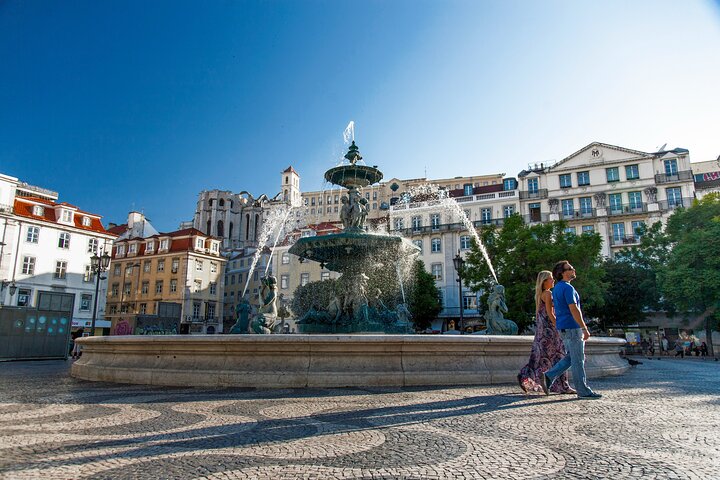
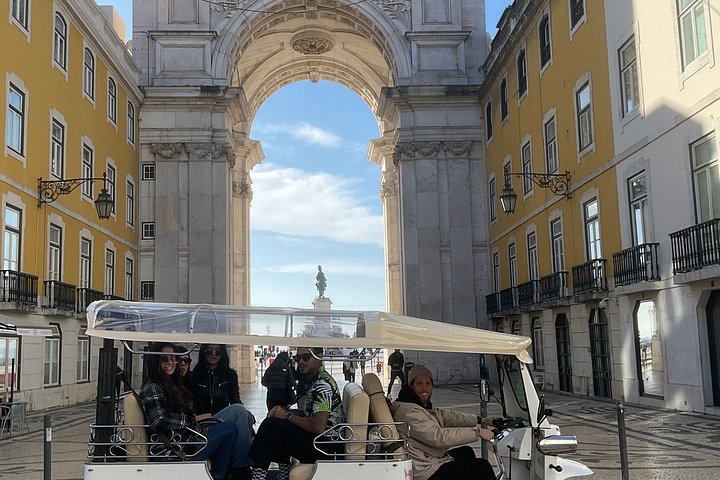
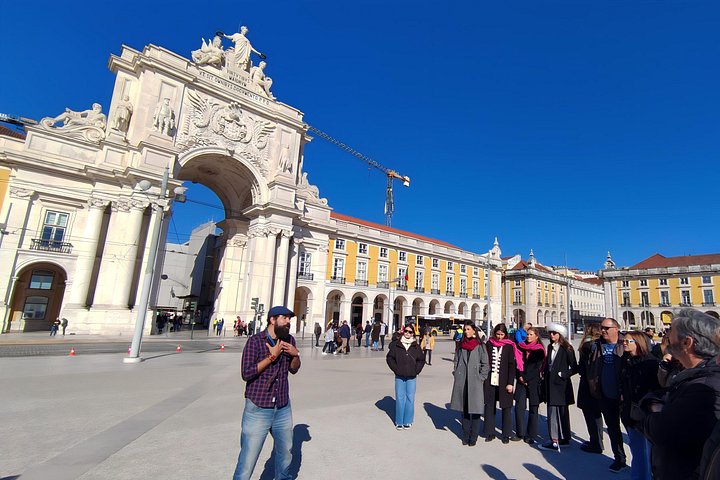
The Praça do Comércio is a large, harbour-facing plaza in Portugal's capital, Lisbon, and is one of the largest in Portugal. Facing the Tagus (Tejo) river to the South, the plaza is still commonly known in Portuguese as Terreiro do Paço as it hosted the Paço da Ribeira (transl. Royal Palace of Ribeira) until the latter was destroyed by the great 1755 Lisbon earthquake (the subway station located there is still named after the old name of the plaza). After the earthquake, the plaza was completely remodeled as part of the rebuilding of the Pombaline Downtown (Baixa), ordered by Sebastião José de Carvalho e Melo, 1st Marquis of Pombal, who was (chief) Minister of Portugal from 1750 to 1777, during the reign of the Portuguese King José I.
Given its outstanding location, a highlight of the Castelo de São Jorge is its many viewpoints affording majestic and unparalleled views of Lisbon. Built in the mid-11th century, this fortification still retains eleven towers displaying various architectural features characteristic of military fortifications from the Moorish period. The steps leading up the sides of the curtain walls provide access to the ramparts and towers enabling visitors to explore the entire perimeter.
Alfama, the oldest and most traditional neighbourhood in Lisbon, with cobbled lanes and alleys and steep, gruelling inclines, should be discovered little by little, stopping frequently to savour the view, atmosphere and authentic spirit of the oldest side of the capital. Take a deep breath and start to climb the hill that will reveal one of the best views of the city.
Almada, on the south bank of the River Tagus, has undoubtedly the best view of the city of Lisbon. The most outstanding views are from the castle, the panoramic funicular of the Boca do Vento (Mouth of the Wind), and above all the statue of Christ the King, built in 1959. In past centuries, Almada was a popular summer resort for the Court, which ordered the construction of stately homes and buildings that are still preserved in the city. Life in Almada does not revolve only around the capital, where most of its inhabitants work; it is a city with its own life, the setting for well-attended events like the Theatre Festival.
Cancelación
Cancelación gratuita hasta 24 horas antes del inicio, con reembolso completo.
Opiniones
4,9
- 5675
- 415
- 34
- 21
- 16
Las valoraciones proceden de 701 opiniones recogidas por nuestro socio de reservas. Son palabras de los viajeros, en el orden en que se escribieron — nunca reordenadas para favorecer la experiencia.
Antes de ir
- Punto de encuentro
- Please be 15 minutes before the departing time at Doca de Belém - Gate 1 - Palmayachts Meeting Point. By UBER/ BOLT/ TAXI, ask the driver to leave you at Padrão dos Descobrimentos. When you're facing the entrance of Padrão dos Descobrimentos and the River, on your left you will find Doca de Belém.
- Recogida
- Todos se reúnen en el punto de inicio; no hay recogida.
- Tipo de entrada
- Mobile or paper ticket accepted
- Tamaño del grupo
- Hasta 12 viajeros
- Operado por
- PALMAYACHTS
- Infants and small children can ride in a pram or stroller
- Public transportation options are available nearby
- Suitable for all physical fitness levels
- People with mobilty impairements should previously enter in contact with Palmayachts.
How it compares in Lisboa
- Its from-price is 72% below the median of the 4320 experiences we list in Lisboa.
- It is shorter than most of them.
- By number of reviews it ranks 75 of 4320.
- The operator lists free cancellation on it.
About Lisboa
Lisboa baja por sus colinas hasta el Tajo: fachadas de azulejos, tranvías amarillos, miradores y cenas tardías sin prisa.
Los barrios antiguos guardan la mayor parte del encanto. El laberinto de callejas de la Alfama sube hasta el castillo de San Jorge y por la noche resuena con fado, la cuadrícula ordenada de la Baixa baja hasta la amplia Praça do Comércio junto al río, y el Bairro Alto y el Chiado mezclan librerías y cafés de día con bares de noche. Miradores como Santa Luzia y Senhora do Monte enmarcan tejados rojos y aguas brillantes.
Top-ranked sights in Lisboa: Commerce Square (Praça do Comércio), Pena National Palace (Palacio Nacional da Pena), Alfama.
Ofertas especiales en Lisboa
Los precios tachados vienen del operador, nunca de nosotros.
 -10 %Cancelación gratuita
Lisboa: Excursión a pie por Belem con el monasterio de los Jerónimos
desde
79 US$71 US$ -10 %Cancelación gratuita
Lisbon Luxury Sunset Boat Tour with open bar and Alentejo Tasting
desde
63 US$57 US$![Tour privado de los puntos destacados de Lisboa con un guía local]() -5 %Cancelación gratuita
Tour privado de los puntos destacados de Lisboa con un guía local
desde
206 US$196 US$
Experiencias similares
 Suele agotarseCancelación gratuita
 Suele agotarseCancelación gratuita
Bus turístico en Lisboa
![Tour en autobús con paradas libres por Lisboa y extras que se pueden reservar]() Cancelación gratuita
![Recorrido en autobús con paradas libres y crucero por el río en Lisboa]() Cancelación gratuita