-10 %Cancelación gratuita
Temple Heaven, Lama Temple, Summer Palace & Peking Duck Bus Tour
desde24 US$22 US$
Categorías en Pekín
Las descripciones se muestran en inglés.
* This tour is 100% private and customizable. * This tour offers you off the beaten path to explore Beijing, guiding you through a less crowded route from tourists. * You will have either an early start or a late start with this tour so that you could experience Beijing in different atmosphere.
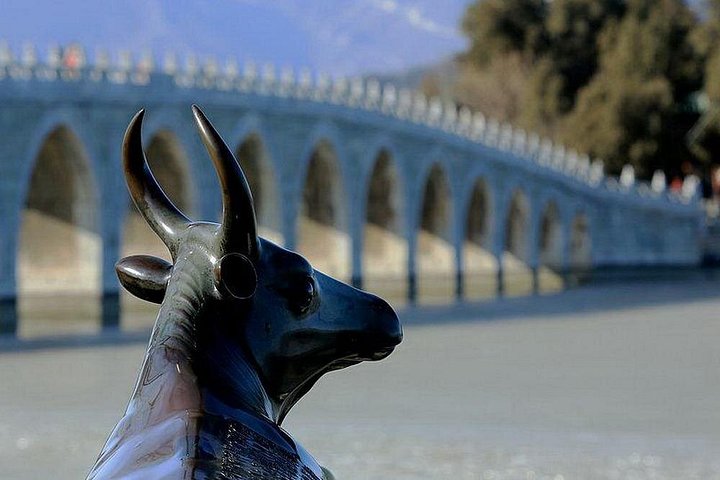
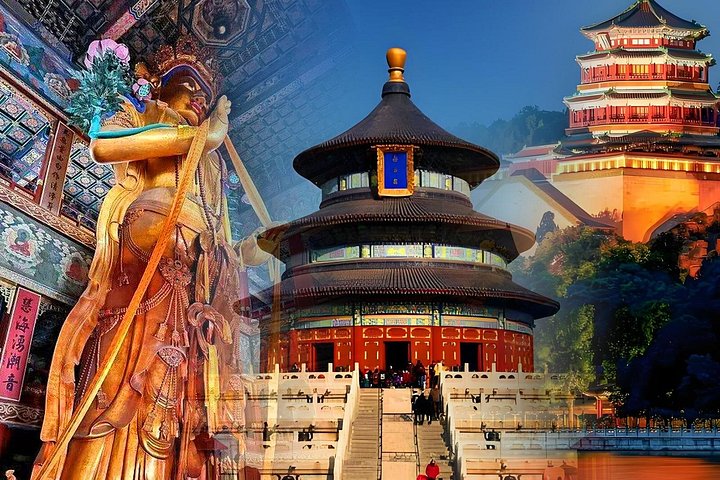
Summer Palace is a vast ensemble of lakes, gardens and palaces in Beijing. It was an imperial garden in the Qing dynasty. Inside includes Longevity Hill, Kunming Lake and Seventeen Hole Bridge. It covers an expanse of 2.9 square kilometres, three-quarters of which is water. The Summer Palace used to be a summer retreat for the Chinese royal family. During the hot Beijing summers, the imperial family preferred the beautiful gardens and airy pavilions of the Summer Palace to the walled-in Forbidden City. Dowager Empress Cixi took up permanent residence there for a time, giving rise to some wonderful tales of extravagance and excess.
Just north of the Imperial Palace, Jingshan Park occupied by Prospect Hill was a private park reserved for the use of the emperor in the Yuan dynasty (1279-1368). During the Ming dynasty (1368-1644), an artificial hill with five peaks was made, utilizing earth excavated when the moat of the Imperial Palace was dug. A pavilion was erected on each peak, and five bronze Buddhas given pride of place in them; four of these statues were removed by the troops of the Allied Expeditionary Force when they came to Beijing to relieve the Siege of the Legations in 1900. Prospect Hill was opened to the public in 1928. The artificial hill in Jingshan Park used to be the highest point in the city. The park is nice to walk around, but what really makes it worthwhile is that the temple at the top of the hill, the Pavilion of Everlasting Spring (Wanchunting), affords stunning, panoramic views over Beijing and the Forbidden City.
In ancient times, people could not scientifically understand and explain a variety of natural phenomena, such as the movement of the sun and the moon, the cycle of the four seasons, thunder, wind, rain, earthquakes, and tsunamis. They believed that these phenomena were governed by "Heaven", so they worshiped the "Emperor of Heaven". To better earn the respect of the people that was needed to govern and regulate them, Chinese emperors call themselves the "sons of Heaven". They also claimed that Heaven authorized them to govern the Earth (China). So, emperors in each dynasty regarded offering sacrifices to Heaven and Earth as very important political activities. The Temple of Heaven was the outcome of the combination of the dynastic regime and Confucian theocracy.
Cancelación gratuita hasta 24 horas antes del inicio, con reembolso completo.
5,0
Las valoraciones proceden de 2 opiniones recogidas por nuestro socio de reservas. Son palabras de los viajeros, en el orden en que se escribieron — nunca reordenadas para favorecer la experiencia.
Pekín, capital de China durante siglos, reúne palacios imperiales, templos sagrados y tramos de la Gran Muralla cerca de sus bulevares modernos.
En el corazón de la ciudad, la Ciudad Prohibida se extiende tras muros bermellón, un laberinto de salas y patios que albergó a los emperadores de las dinastías Ming y Qing. La plaza de Tiananmén queda al sur, y la colina del parque Jingshan, al norte, ofrece la mejor vista de sus tejados dorados. El Templo del Cielo, en un parque donde los vecinos practican tai chi y bailan, es una obra maestra del diseño imperial.
Top-ranked sights in Pekín: Mutianyu Great Wall, Forbidden City (Palace Museum), Tiananmen Square (Tiananmen Guangchang).
Los precios tachados vienen del operador, nunca de nosotros.
desde24 US$22 US$
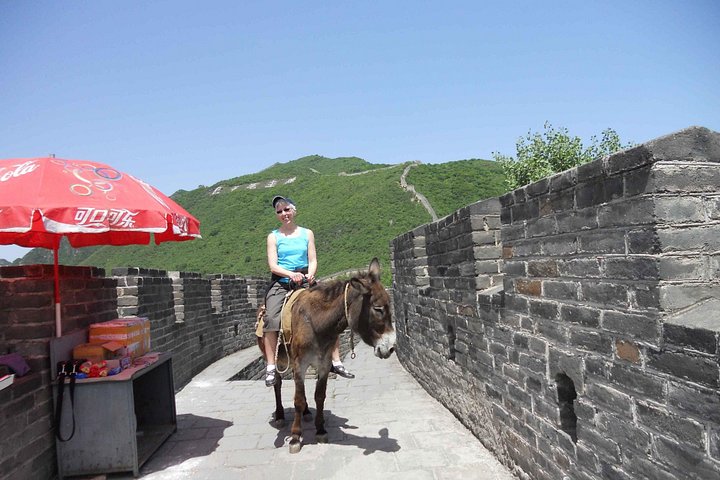
desde218 US$185 US$
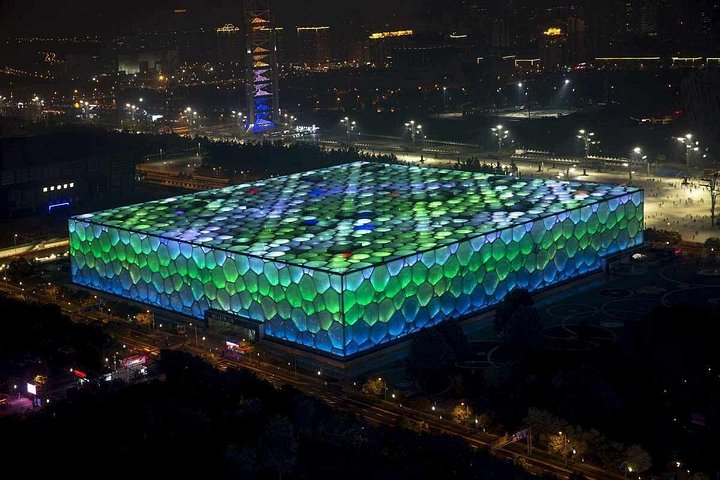
desde395 US$375 US$
desde550 US$523 US$
desde98 US$92 US$
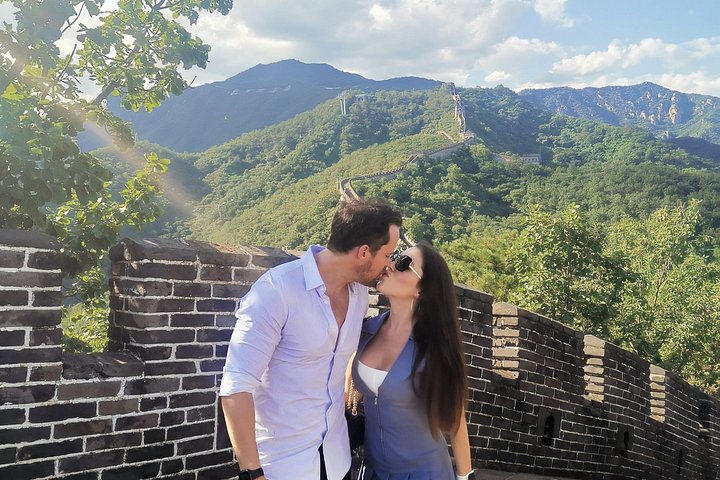
desde25 US$20 US$
Añada Ticket Hall a su pantalla de inicio
Entradas y guías de ciudad a un toque, incluso sin conexión.
Ticket Hall