Suele agotarse-10 %
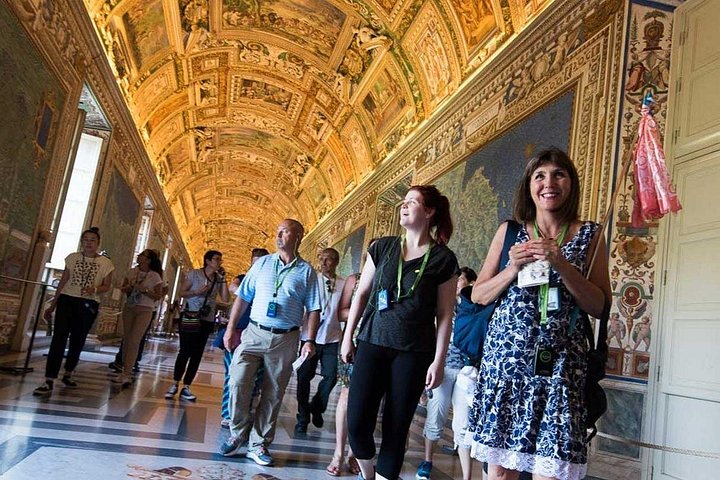
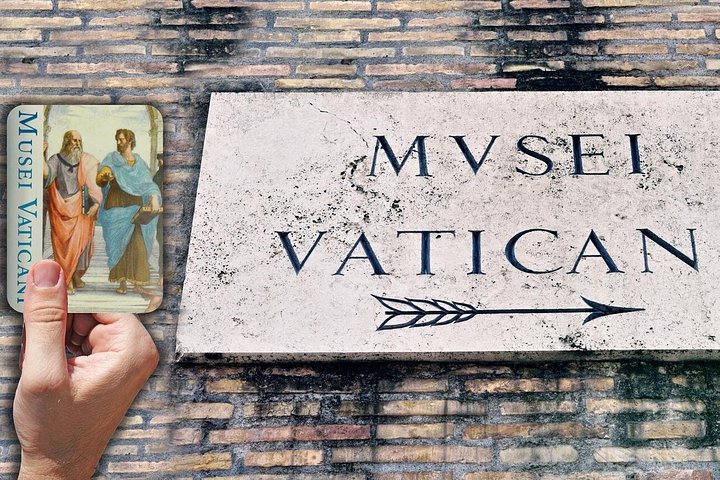
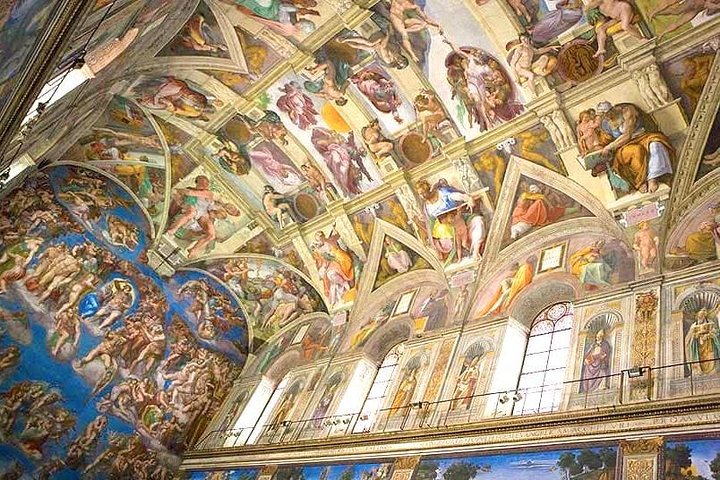
Evite colas : Museos Vaticanos & Capilla Sixtina Tour + Basílica
desde45 US$40 US$
Categorías en Roma
Las descripciones se muestran en inglés.
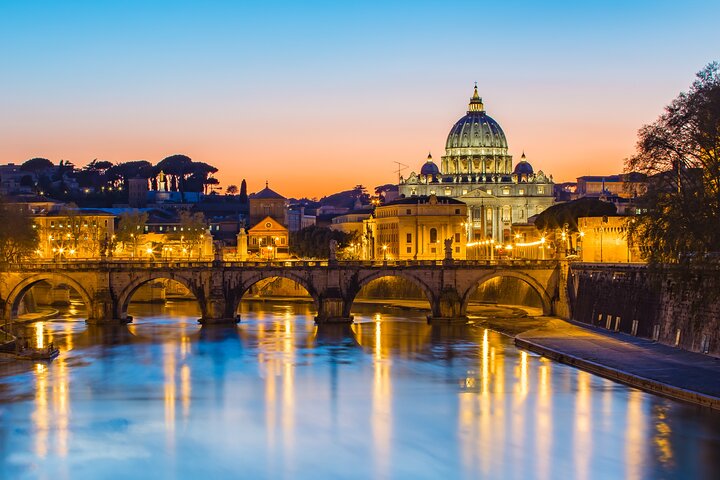
This historic location was originally built to be a tomb for Emperor Hadrian and his family and it was finished in 139 AD. Despite its original purpose, Castel Sant’Angelo was almost immediately converted into a military building. In addition to serving that purpose, this is also the location where Pope Gregory I saw a vision of St. Michael the Archangel in 590, announcing the end of a great epidemic in Rome. To this day, a statue of St. Michael still adorns the top of Castel Sant’Angelo. Several centuries later, a corridor would be built to connect the castle with Vatican City so that the Pope could escape in the event of an emergency. In 1527, Pope Clement VII actually used this building as a refuge during sieges which were taking place in Rome.
Known as Hadrian's Tomb, the Castel Sant'Angelo is a fortress located on the right bank of the Tiber, a short distance from the Vatican City. Construction of the building began in the year 135 under the direction of the Emperor Hadrian, who intended to use it as mausoleum for himself and his family. It was finished in the year 139 and a short time later, it became a military building, which in the year 403 would be integrated to the Aurelian Walls. In the year 590, while a great epidemic of plague devastated the city, the Pope Gregory I had a vision of Saint Michael the Archangel on top of the castle, announcing the end of the epidemic. In memory of the apparition the building is crowned with a statue of an angel. In the year 1277 an 800 metre fortified corridor was built that connected the castle with the Vatican City so that the Pope could escape in the event that he were in danger. During the sieges that occurred in Rome during 1527, the Pope Clement VII used the fortress as a refuge. The Castel Sant'Angelo is split into five floors which can be reached by a spiral ramp that first reaches the chamber of ashes and subsequently the cells in which a number of historical figures were incarcerated. Advancing toward the upper part of the castle you will find different rooms that functioned as a Papal residence, decorated with perfectly preserved frescoes from the Renaissance period, besides the extensive collection of weapons. In the upper floor there is a large terrace where you can take amazing photographs of the city from above.
All sales are final. No refund is available for cancellations.
5,0
Las valoraciones proceden de 2 opiniones recogidas por nuestro socio de reservas. Son palabras de los viajeros, en el orden en que se escribieron — nunca reordenadas para favorecer la experiencia.
Roma superpone casi tres mil años de historia en una ciudad para recorrer a pie, del Coliseo y el Foro a las plazas barrocas y el arte del Vaticano.
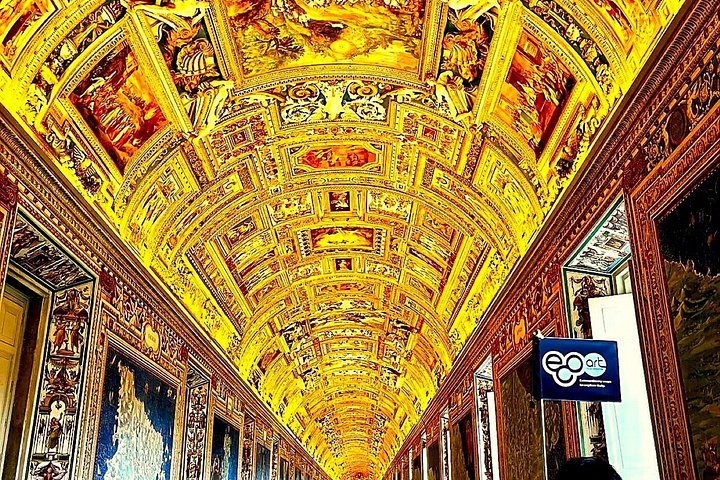
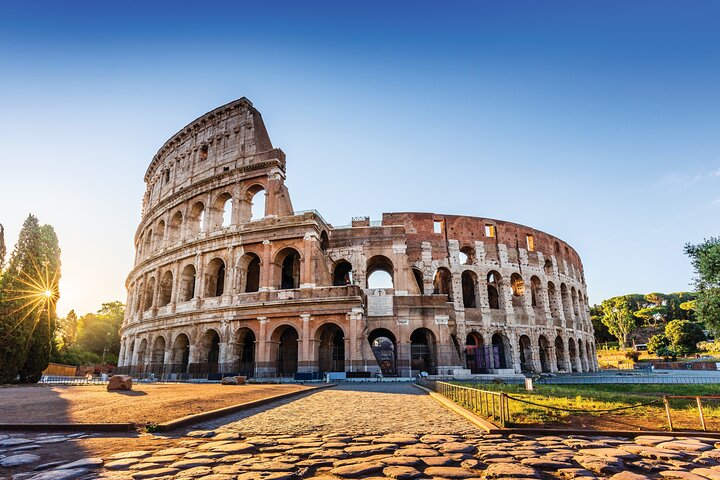
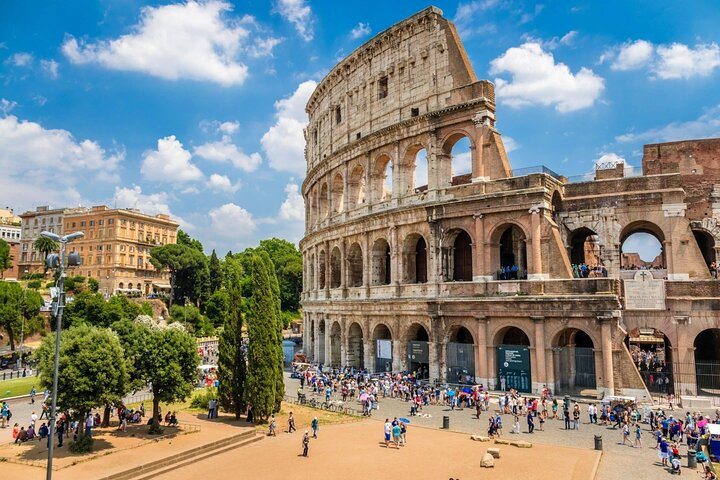
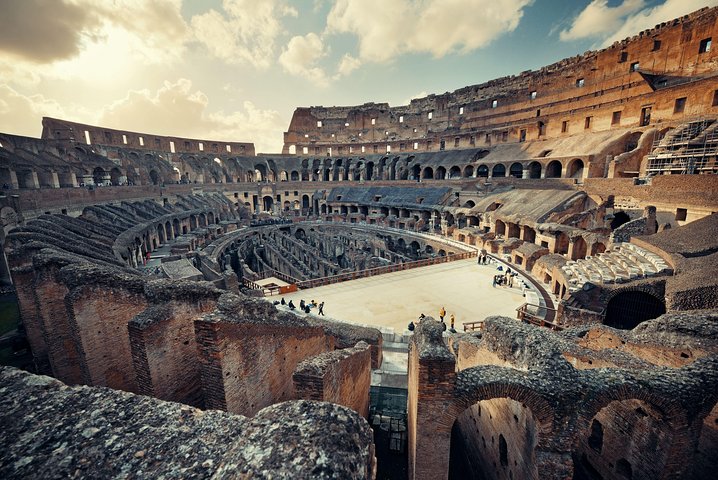
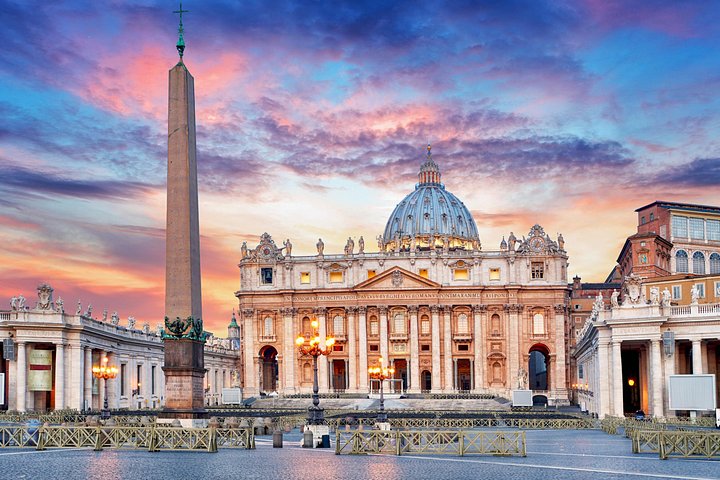
La Roma antigua sigue a la vista. El Coliseo, el Foro Romano y el Palatino se alzan juntos en el corazón de la ciudad, el Panteón sigue en pie con su óculo abierto, y fragmentos de templos y acueductos asoman entre los bloques de viviendas. Al otro lado del Tíber, la Ciudad del Vaticano alberga la basílica de San Pedro, los Museos Vaticanos y el techo de la Capilla Sixtina pintado por Miguel Ángel.
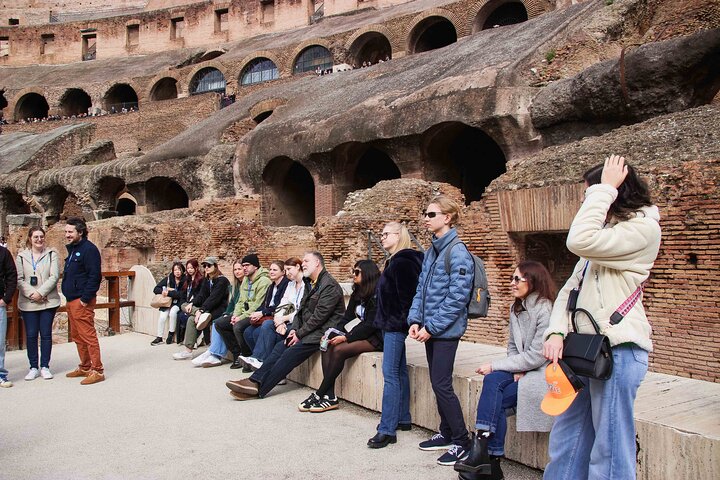
Top-ranked sights in Roma: Colosseum, Vatican Museums, Sistine Chapel.
Los precios tachados vienen del operador, nunca de nosotros.
desde45 US$40 US$
desde86 US$73 US$
desde30 US$21 US$
Añada Ticket Hall a su pantalla de inicio
Entradas y guías de ciudad a un toque, incluso sin conexión.
Ticket Hall