-10 %Cancelación gratuita
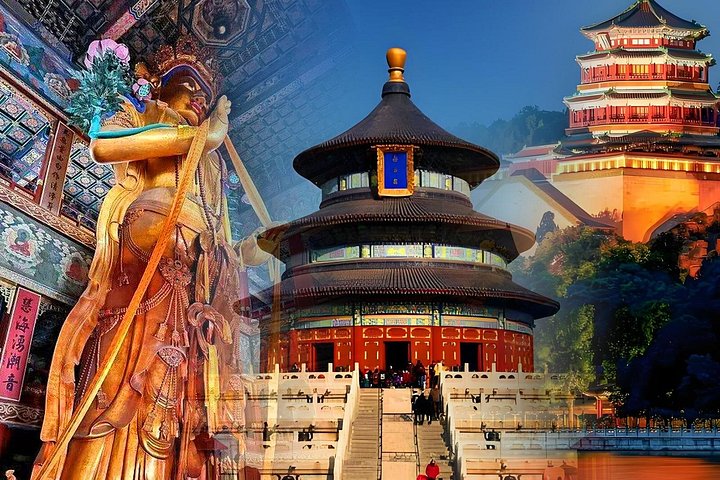
Temple Heaven, Lama Temple, Summer Palace & Peking Duck Bus Tour
desde24 US$22 US$
Categorías en Pekín
Las descripciones se muestran en inglés.
The hutongs are the historic heart of old Beijing. Join us on this self-guided GPS audio walk from the Drum Tower to the Tibetan Buddhist Lama Temple, through a winding labyrinth of alleyways and local color that takes you to some of Beijing's most ancient landmarks. IMPORTANT: There is a GPS offset in China, and as a result your position on Google and Apple maps will be incorrect. This issue doesn't affect the offline map, so after you've downloaded all the audio files, but before you hit start, switch to 'airplane mode' (or turn off data) and you'll be able to track your position correctly. The tour starts at the south side of the Drum Tower. If you're taking the subway, get out at Exit C of Shichahai Station on line 8, turn right and walk up. You can also take a taxi to "Gulou" and you'll end up at the same spot. The audio plays automatically at exactly the right time and place using your smartphone's GPS and the VoiceMap mobile app, which also works offline.
Most of old Beijing, like the Forbidden City, was built in the 1400s in the early Ming dynasty. The Drum Tower is much older, dating back to the 13th century Mongolian Yuan dynasty and the reign of Kublai Khan.
The Baochao or “Precious Money” hutong is an appropriate name – things are a little busier down there, with more shops and bars, such as Modernista on the corner, an expat bar with live music, great cocktails, and swing dance every Wednesday.
The Confucius Temple was built in 1302, and officials and ordinary folk alike have paid their respects to the Great Sage here for centuries. Confucius went out of style during the Cultural Revolution and old temples like this were looted and sacked by gangs of Red Guards.
Yonghegong, which literally means “Harmony and Peace Palace” – was built in 1694, and it’s one of the largest Gelugpa or “Yellow Hat sect” Tibetan Buddhist temples outside of Tibet itself. Of course, there are Han influences in the architecture too, and in fact the original function of this building was as a residence for court eunuchs, before it was converted into a monastery in 1722.
All sales are final. No refund is available for cancellations.
Pekín, capital de China durante siglos, reúne palacios imperiales, templos sagrados y tramos de la Gran Muralla cerca de sus bulevares modernos.
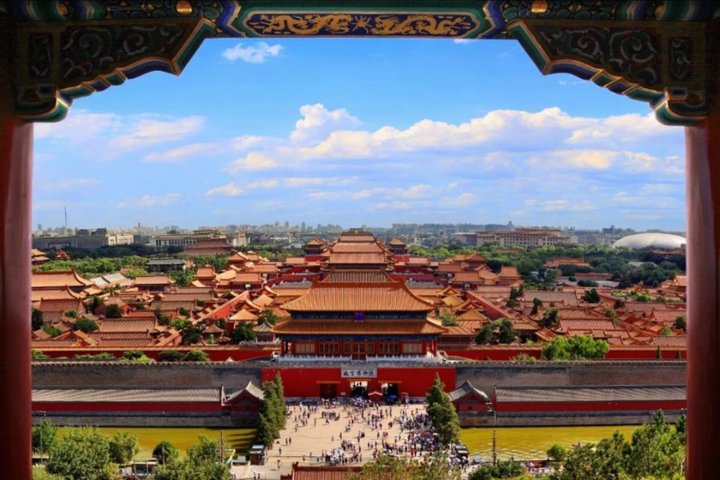
En el corazón de la ciudad, la Ciudad Prohibida se extiende tras muros bermellón, un laberinto de salas y patios que albergó a los emperadores de las dinastías Ming y Qing. La plaza de Tiananmén queda al sur, y la colina del parque Jingshan, al norte, ofrece la mejor vista de sus tejados dorados. El Templo del Cielo, en un parque donde los vecinos practican tai chi y bailan, es una obra maestra del diseño imperial.
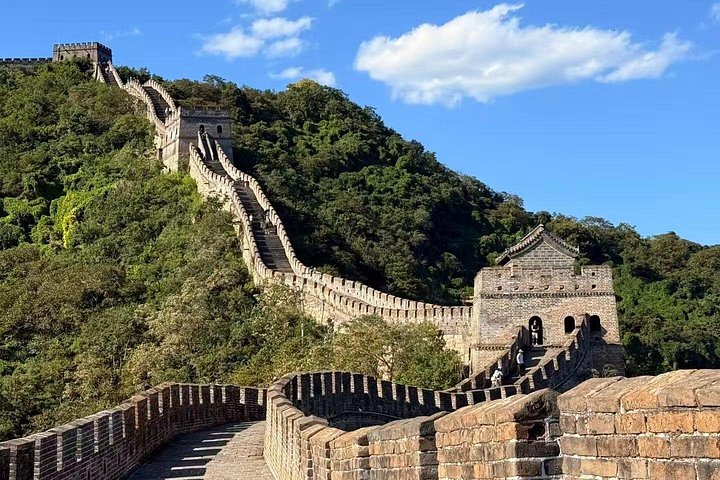
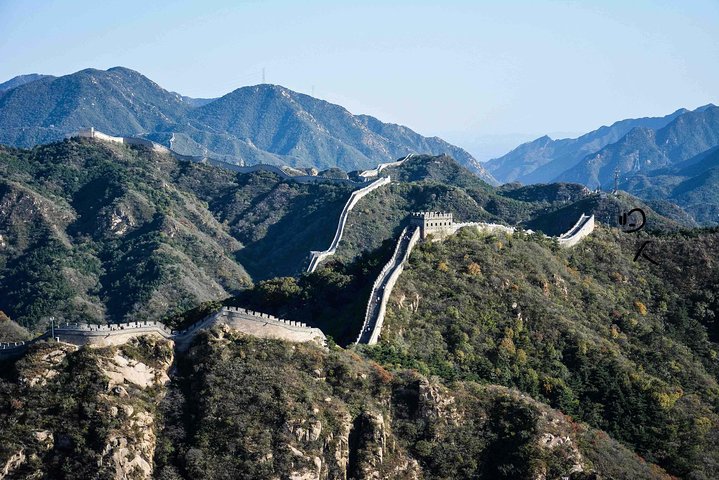
Top-ranked sights in Pekín: Mutianyu Great Wall, Forbidden City (Palace Museum), Tiananmen Square (Tiananmen Guangchang).
Los precios tachados vienen del operador, nunca de nosotros.
desde24 US$22 US$
desde395 US$375 US$
desde550 US$523 US$
desde349 US$314 US$
desde89 US$85 US$
desde120 US$96 US$
Añada Ticket Hall a su pantalla de inicio
Entradas y guías de ciudad a un toque, incluso sin conexión.
Ticket Hall