Snel uitverkocht10% korting
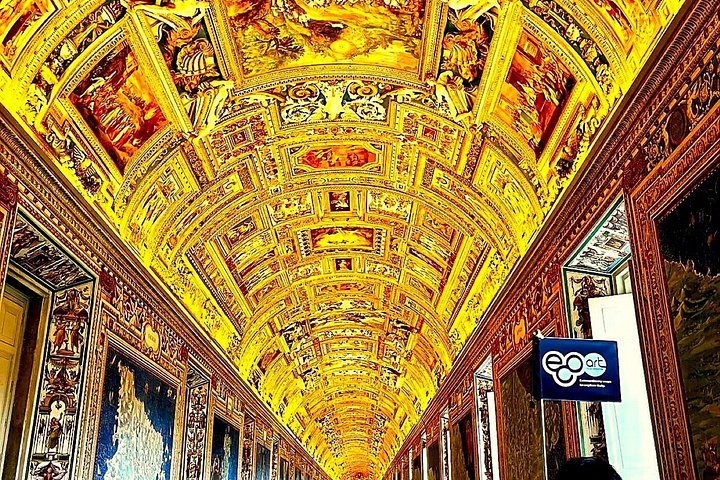
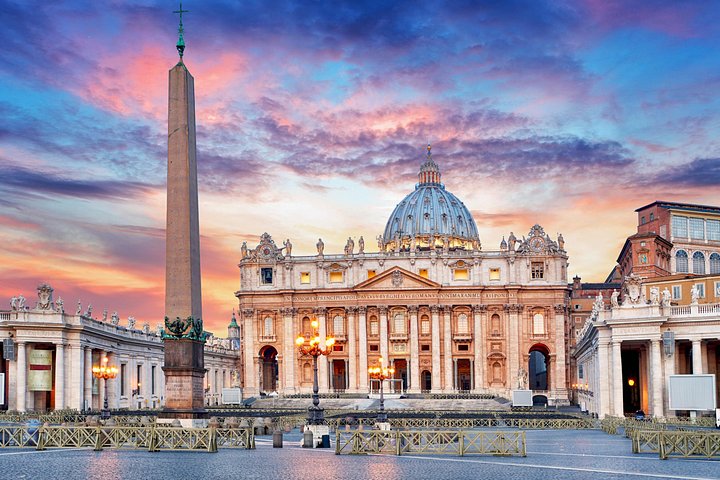
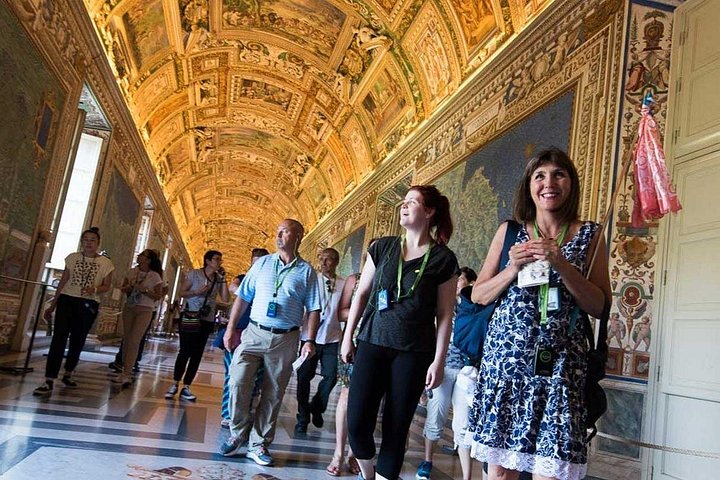
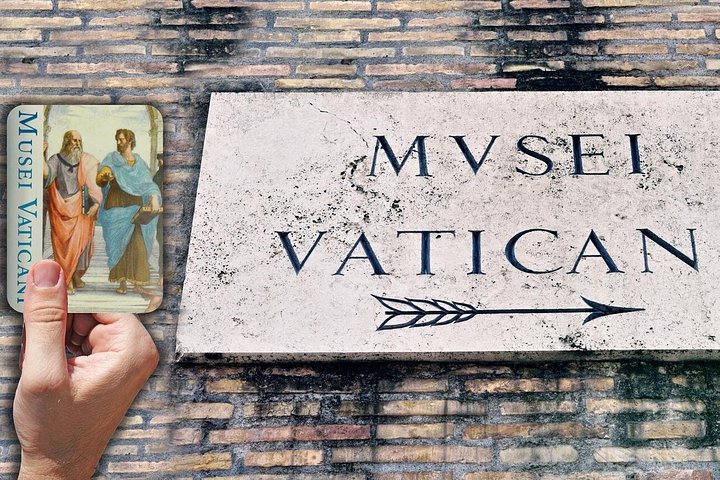
Skip the line : Vaticaanse Musea & Sixtijnse Kapel Tour + Basiliek
vanafUS$ 45US$ 40
Beschrijvingen worden in het Engels getoond.
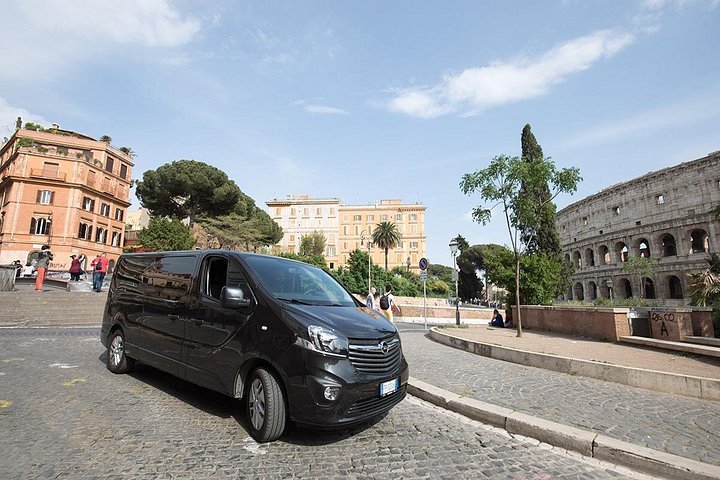
Discover the catacombs, one of Rome's most visited sighs, on the Ancient Appian Way. See the evidence of a prominent and fascinating past which has left a long-lasting legacy. Discover an underground world where, for centuries, Jews and Christians have looked after their dead See niches with the remains of skeletons, small mausoleums, sarcophagi, ancient frescoes, crypts, and tombs. Admire the burial grounds of famous people like popes, martyrs, and, according to legends, even some apostles. Embark on an in-depth experience, during which you'll discover the legacy of a prominent and fascinating past. Beginning from the meeting point near the Colosseum, relax on a transfer in an air-conditioned vehicle to one of the most exciting places in Rome, the Catacombs. Accompanied by an expert guide, head on an exclusive tour and appreciate this fascinating place's real story and mystery. Your driver will take you back to the original starting point next to the Colosseum at the end of the tour.
On your way to the Catacombs, admire the glorious Ancient Appian Way, known as "the Queen of the Roads"! Possibly the oldest road still in existence, it was ancient Rome’s most important military and economic artery and it’s largely intact today! It is made of large, flat stones, it survived thousands of years of rain, wheels, and feet passing over them. Originally built for military purposes, it connected Rome to some of its most distant settlements and was a crucial road for the Roman Empire. Julius Caesar walked it along with thousands of other soldiers, leaders, and consuls. When you walk along the Appian Way, you are walking in the footsteps of Roman emperors, saints (maybe even St. Peter!) The famous slave leader Spartacus was crucified on the via Appia in 71 BC. For its history and beauty, the first 10 miles of the Appian Way are now a part of a regional park, Parco dell’Appia Antica, where the road and the monuments that surround it are protected.
Deep in the green Roman countryside, descend into the ancient world of the Catacombs, a complex network of underground tunnels among the longest in the world, occupying an area of about fifteen hectares and consisting of about 37 miles of tunnels on several levels. The specific catacomb visited, San Calisto, San Sebastiano, or Santa Domitilla, will depend on the day. In any of the catacombs, you will have the opportunity to see ancient frescoes, crypts with inscriptions carved on the walls, niches with the remains of skeletons, small mausoleums, sarcophagi, tombs, and small chapels, which still today, after about 2,000 years, are used to celebrate religious rites. After the tour, back in the sunlight, your driver will take you back to the original starting point near the Colosseum
The Baths of Caracalla (Italian: Terme di Caracalla) in Rome, Italy, were the city's second-largest Roman public baths, or thermae. The baths were likely built between AD 212 (or 211) and 216/217, during the reigns of emperors Septimius Severus and Caracalla.[2] They were in operation until the 530s and then fell into disuse and ruin. Both during and since their operation as baths, they inspired many other notable buildings, ancient and modern, such as the Baths of Diocletian, the Basilica of Maxentius, the original Pennsylvania Station in New York City, Chicago Union Station, and the Senate of Canada Building. Artworks recovered from the ruins include famous sculptures such as the Farnese Bull and the Farnese Hercules.
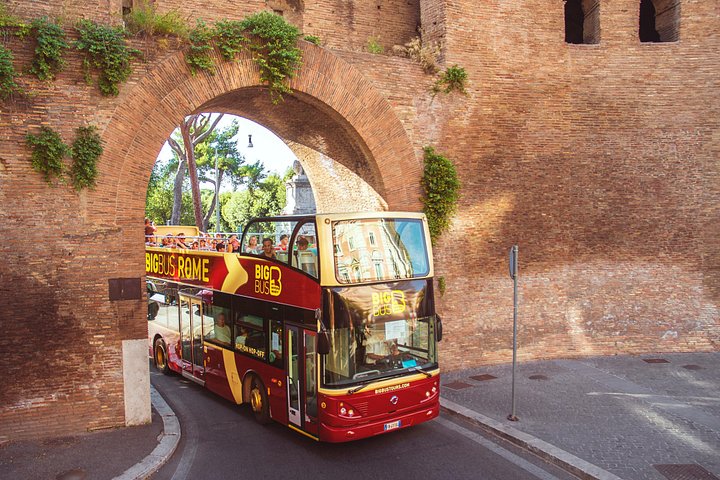
The Aurelian Walls (Italian: Mura aureliane) is a line of city walls built between 271 AD and 275 AD in Rome, Italy, during the reign of the Roman Emperors Aurelian and Probus. They superseded the earlier Servian Wall built during the 4th century BC. The walls enclosed all the seven hills of Rome plus the Campus Martius and, on the right bank of the Tiber, the Trastevere district. The river banks within the city limits appear to have been left unfortified, although they were fortified along the Campus Martius. The size of the entire enclosed area is 1,400 hectares (3,500 acres).[1] The wall cut through populated areas: in reality the city at the time embraced 2,400 hectares or 6,000 acres.[citation needed] Pliny the Elder in the first century AD suggested that the densely populated areas, extrema tectorum ("the limits of the roofed areas") extend 2.8 kilometres (1.7 mi) from the Golden Milestone in the Forum (Natural History 3.67)
Gratis annuleren tot 24 uur voor aanvang, met volledige terugbetaling.
3,0
Beoordelingen komen uit 2 reviews die onze boekingspartner verzamelt. Het zijn de eigen woorden van reizigers, in de volgorde waarin ze geschreven zijn — nooit herschikt om de ervaring mooier te maken.
Rome legt bijna drieduizend jaar geschiedenis in één stad die je te voet beleeft, van Colosseum en Forum tot barokke pleinen en Vaticaanse kunst.
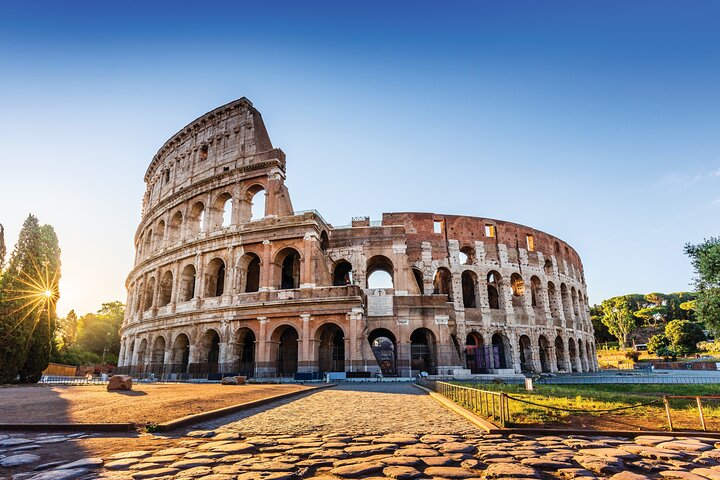
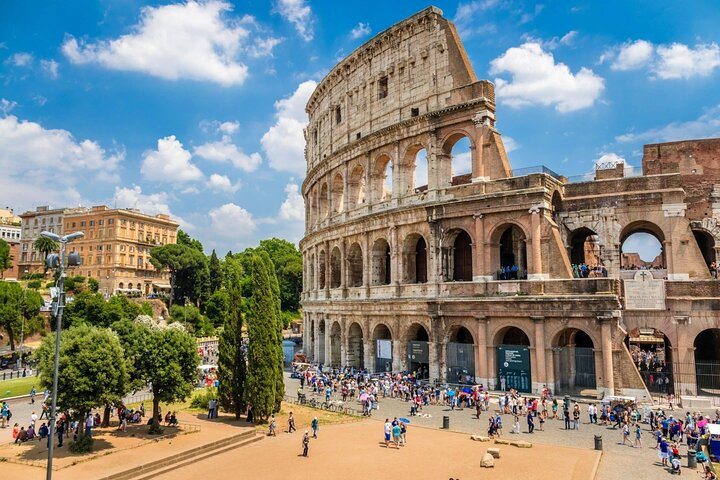
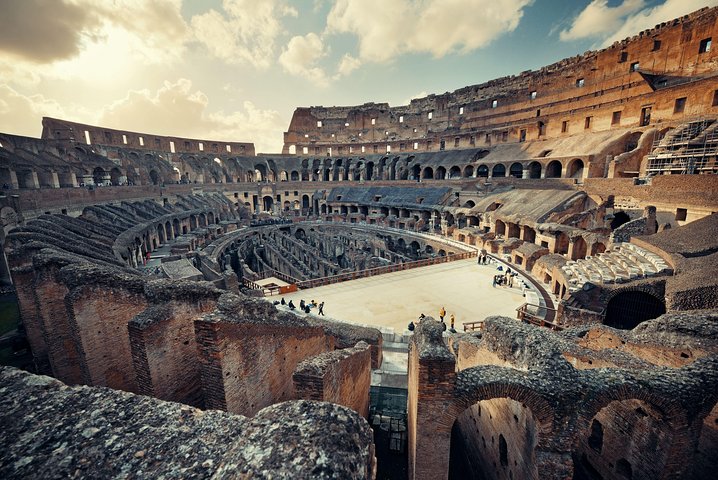
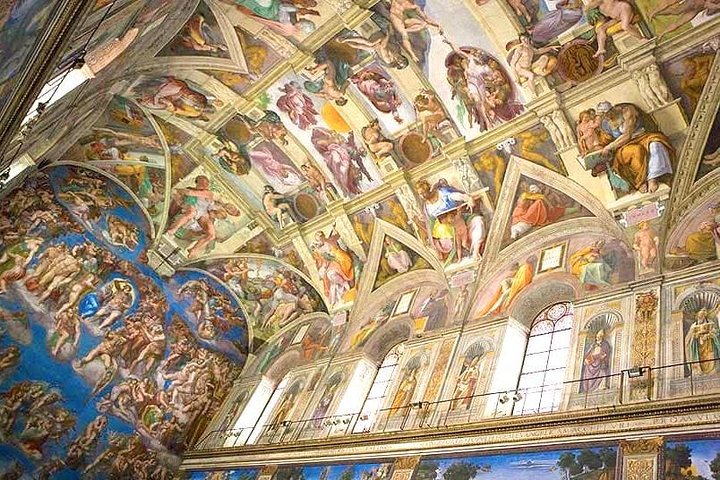
Het oude Rome ligt nog altijd open en bloot. Het Colosseum, het Forum Romanum en de Palatijn staan samen in het hart van de stad, het Pantheon prijkt nog steeds met zijn open oculus en tussen de woonblokken duiken brokstukken van tempels en aquaducten op. Aan de overkant van de Tiber herbergt Vaticaanstad de Sint-Pietersbasiliek, de Vaticaanse Musea en het plafond van Michelangelo's Sixtijnse Kapel.
Top-ranked sights in Rome: Colosseum, Vatican Museums, Sistine Chapel.
Van/voor-prijzen komen van de aanbieder, nooit van ons.
vanafUS$ 45US$ 40
vanafUS$ 172US$ 138
vanafUS$ 86US$ 73
vanafUS$ 30US$ 21
vanafUS$ 45US$ 40
vanafUS$ 34US$ 31
Zet Ticket Hall op uw beginscherm
Tickets en stadsgidsen, met één tik, ook offline.
Ticket Hall