ETNIE - Traditional Gerewol dances
Beschrijvingen worden in het Engels getoond.
De beschrijvingen komen van de aanbieder en worden automatisch vertaald.
- 168 uur
- Gratis annuleren tot 144 u vooraf
- 3 talen
- Directe bevestiging
Hoogtepunten
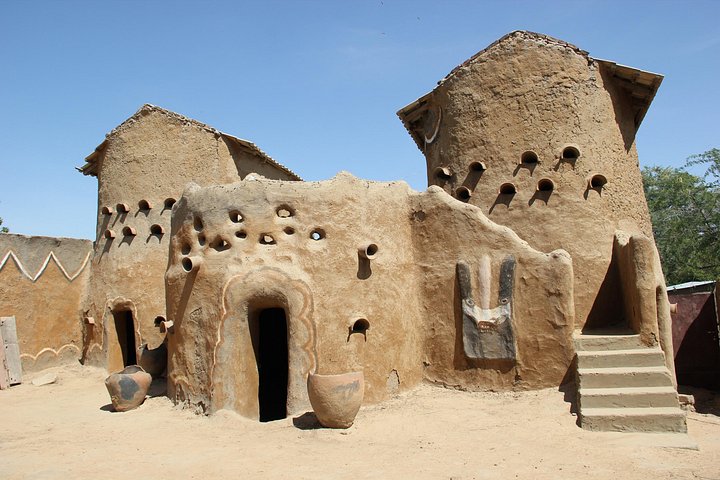
Meetings with the Wodaabe clans also known as M'Bororo or Bororo Peul ethnic group Attend the traditional dance of Wodaabe nomadic shepherds at Gerewool The visit of N'djamena and the handicraft village of Gaoui From 15 October to 15 May the program may vary according to the movements of the nomads. Unworkable from May 15th to August 15th due to the rainy season
Inbegrepen
Wat is inbegrepen
- Tables and chairs for meals (excluded during transfers)
- mineral water
- Hotel in N'djamena
- mattresses
- Lunch
- immigration office swab
- Dinner
- Curtains
- Breakfast
- Kitchen equipment
- road permit
Wat niet
- Air transfer
- travel insurance
- seen
- restaurants
- bottled drinks if not mineral water
Annuleren
Gratis annuleren tot 144 uur voor aanvang, met volledige terugbetaling.
Reviews
3,5
- 51
- 40
- 30
- 21
- 10
Beoordelingen komen uit 2 reviews die onze boekingspartner verzamelt. Het zijn de eigen woorden van reizigers, in de volgorde waarin ze geschreven zijn — nooit herschikt om de ervaring mooier te maken.
Goed om te weten
- Ophalen
- Ophalen is voor iedereen inbegrepen.
- Tickettype
- Mobile or paper ticket accepted
- Groepsgrootte
- Tot 12 reizigers
- Uitgevoerd door
- Eyte Voyages Tchad
- Infants and small children can ride in a pram or stroller
- Service animals allowed
- Infants are required to sit on an adult’s lap
- Not recommended for pregnant travelers
- Not recommended for travelers with poor cardiovascular health
- Suitable for all physical fitness levels
How it compares in N'Djamena
- Its from-price is close to the median of the 9 experiences we list in N'Djamena.
- Its length is typical for the group.
- By number of reviews it ranks 4 of 9.
About N'Djamena
N'Djamena, the capital of Chad, stands where the Chari and Logone rivers meet, on the edge of the Sahel near the Cameroon border.
The city was called Fort-Lamy under French rule and took its present name in 1973. Its streets are wide and sandy, lined with low buildings and shade trees, and the markets are busy with traders from across the country and the region.