ETNIE - Traditional Gerewol dances
Die Beschreibungen werden auf Englisch angezeigt.
Die Beschreibungen stammen vom Anbieter und werden automatisch übersetzt.
- 168 Stunden
- Kostenlos stornierbar bis 144 Std. vorher
- 3 Sprachen
- Sofortige Bestätigung
Highlights
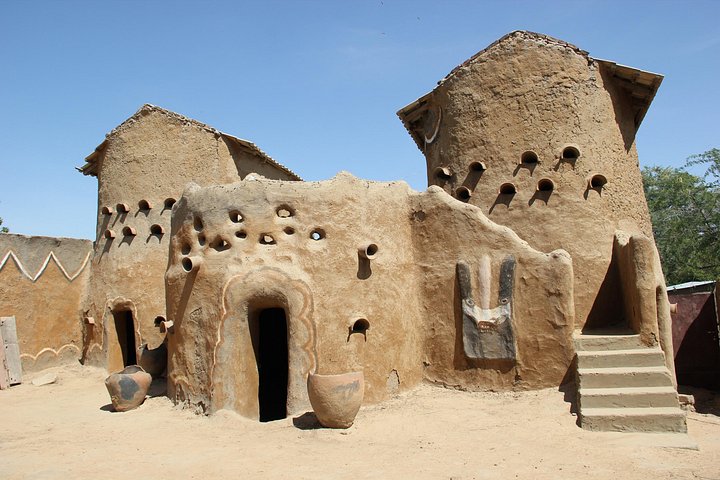
Meetings with the Wodaabe clans also known as M'Bororo or Bororo Peul ethnic group Attend the traditional dance of Wodaabe nomadic shepherds at Gerewool The visit of N'djamena and the handicraft village of Gaoui From 15 October to 15 May the program may vary according to the movements of the nomads. Unworkable from May 15th to August 15th due to the rainy season
Leistungen
Inbegriffen
- Tables and chairs for meals (excluded during transfers)
- mineral water
- Hotel in N'djamena
- mattresses
- Lunch
- immigration office swab
- Dinner
- Curtains
- Breakfast
- Kitchen equipment
- road permit
Nicht inbegriffen
- Air transfer
- travel insurance
- seen
- restaurants
- bottled drinks if not mineral water
Stornierung
Kostenlose Stornierung bis 144 Stunden vor Beginn, mit voller Rückerstattung.
Bewertungen
3,5
- 51
- 40
- 30
- 21
- 10
Die Bewertungen stammen aus 2 Rezensionen, die unser Buchungspartner gesammelt hat. Es sind die eigenen Worte der Reisenden, in der Reihenfolge ihres Entstehens — nie umsortiert, damit das Erlebnis besser dasteht.
Gut zu wissen
- Abholung
- Die Abholung ist für alle inbegriffen.
- Ticketart
- Mobile or paper ticket accepted
- Gruppengröße
- Bis zu 12 Reisende
- Durchgeführt von
- Eyte Voyages Tchad
- Infants and small children can ride in a pram or stroller
- Service animals allowed
- Infants are required to sit on an adult’s lap
- Not recommended for pregnant travelers
- Not recommended for travelers with poor cardiovascular health
- Suitable for all physical fitness levels
How it compares in N'Djamena
- Its from-price is close to the median of the 9 experiences we list in N'Djamena.
- Its length is typical for the group.
- By number of reviews it ranks 4 of 9.
About N'Djamena
N'Djamena, the capital of Chad, stands where the Chari and Logone rivers meet, on the edge of the Sahel near the Cameroon border.
The city was called Fort-Lamy under French rule and took its present name in 1973. Its streets are wide and sandy, lined with low buildings and shade trees, and the markets are busy with traders from across the country and the region.