Snel uitverkocht10% korting
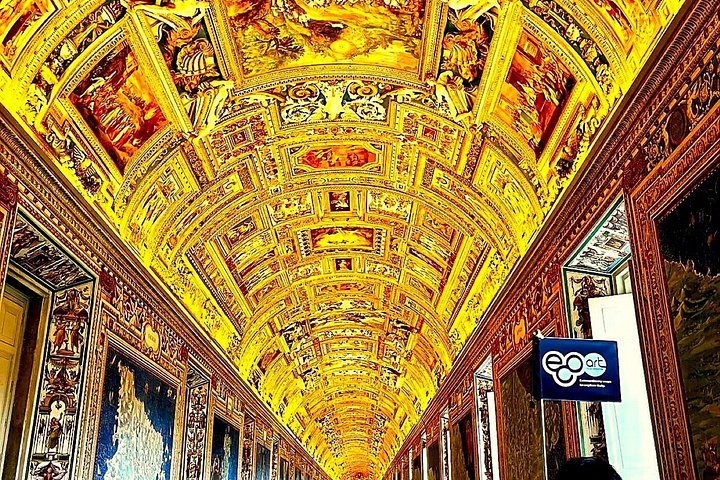
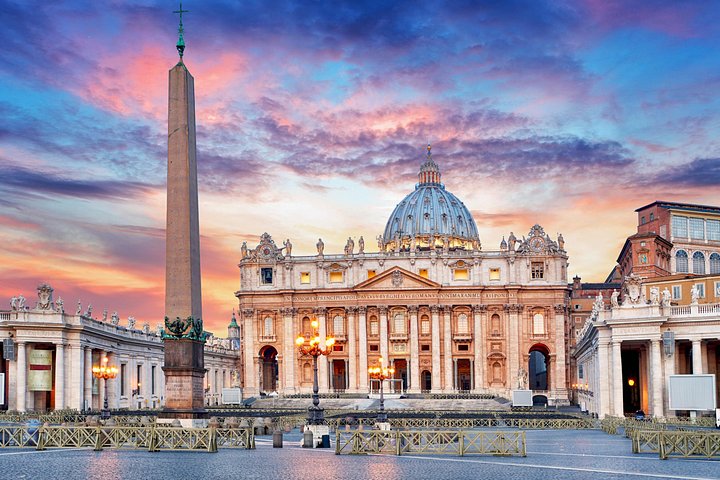
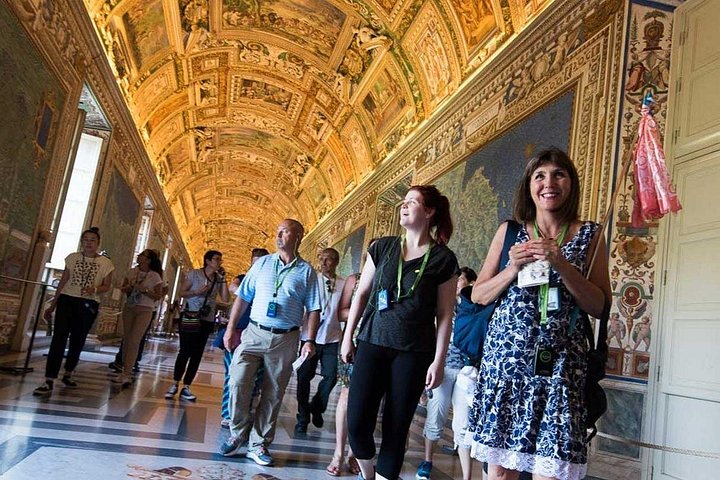
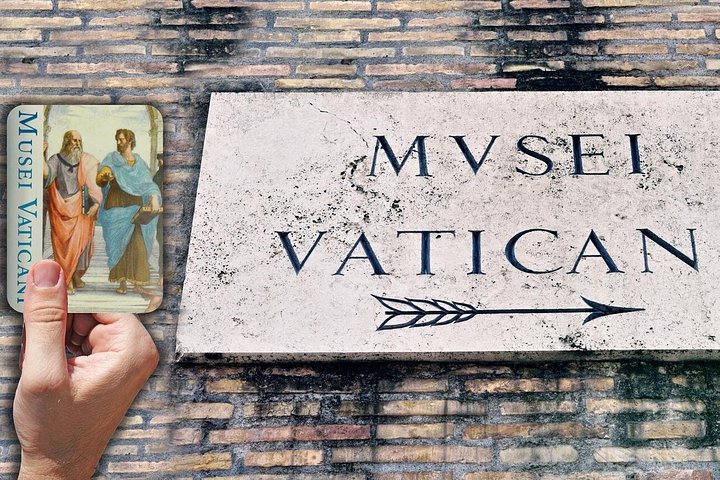
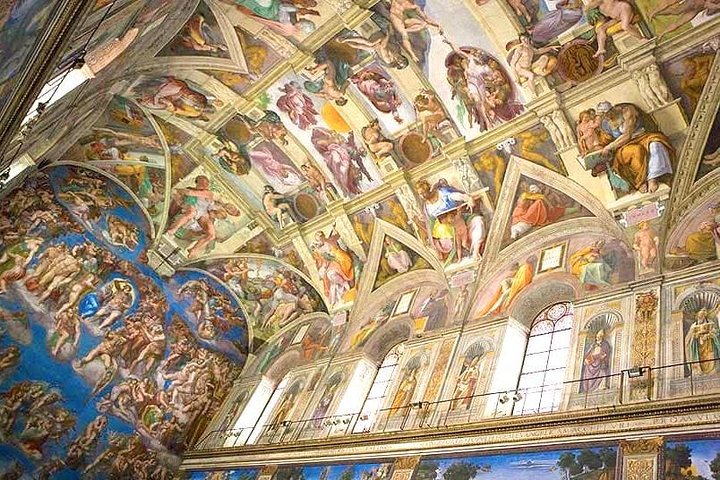
Skip the line : Vaticaanse Musea & Sixtijnse Kapel Tour + Basiliek
vanafUS$ 45US$ 40
Beschrijvingen worden in het Engels getoond.
Pilgrims have been coming to Assisi, Italy since the 13th century to venerate St. Francis, who was born and buried here, but you don’t have to be religious to enjoy the beauty of this postcard-perfect town. Framed by the long, undulating hills of Umbria and the forests of Monte Subasio, Assisi is one of the best-preserved medieval towns in the world and one of Italy’s most spell-binding gems. Not everybody knows that Saint Rita of Cascia is often called “the saint of the impossible”. St. Rita’s story is one of the power of prayer and of faith. She was blessed with the Stigmata of Our Lord on her forehead. Although this stigmata gave off a highly offensive odor she bore it with humility and upon her death in 1457 the fragrance of flowers emanated from her body.
Rome represents the starting point but also the end of the tour, because there will be 2 hours of driving time to get in Assisi, and then 2 hours to come back from Cascia to your accomodation
The Basilica of St. Clare of Assisi, realized with the typical pink stone extracted from the quarry of the Subasio mountain, contains precious frescos dating back to the period from the XIIth to the XIVth century. In the chapel on the right, along the unique nave of St. Clare of Assisi, finishing in transept and polygonal apse, you can admire the Crucifix which, according to tradition, would have invited St. Francesco in the church of St. Damiano in order to "reset up the Church".
Venerable Carlo Acutis from an early age he recited frequent rosaries and received his First Communion at the age of 7. He contracted Leukemia at young age, and although he had requested that his parents take him on pilgrimages to the sites of all the know Eucharistic miracles in the world, his failing health prevented that. He died from M3 fulminant leukemia on 12 October 2006 at the age of 15. He was buried in Assisi in accordance with his wishes.
Recognised as a UNESCO World Heritage site, the basilica of St. Francis was built under the direction of Brother Elias, vicar general and architect of the order, starting in 1228, just two years after the saint's death, as a place designed to receive his remains.Pope Gregory IX laid the first stone was on July 17, 1228, the day after the canonization of St. Francis, in the place previously used for executions and burials of criminals. According to tradition, Francis himself, on his deathbed, indicated this spot to his companions as the place for his burial.
The Saint born in 1381 in the near Roccaporena and baptized with the name of "Margherita", on desire of the father got married renouncing, in a first time, to enter in an Augustinian convent according to what were really her most intimate aspirations. After 18 years of a difficult and violent wedding, her exemplary conduct led the husband to convert himself. In a period of communal battles the husband was killed by the family of the Casciani; "Margherita", in order to avoid bloody and never ending vendetta, forgave her proper compatriots and was welcomed in the Monastery of the Augustinian Sisters of Santa Maria Maddalena. In 1442, during the night of Holy Friday, she received the stigmata from a thornbush of the crown of the Crucifix , that according to the tradition, embedded itself in her forehead.
Built on a grandiose scale, the Basilica di Santa Maria degli Angeli is the seventh largest Christian church. Its magnificence may be at odds with the simplicity preached by St Francis himself but the flocks of pilgrims coming to visit the primitive Porziuncola chapel and the Cappella del Transito called for a building that was able to accomodate the faithful. The Porziuncola chapel was given to St Francis by the Benedictines, and is important because it was the initial nucleus from which the Franciscan order was born. The Cappella del Transito is the place where the saint died on October 4th 1226.
Gratis annuleren tot 24 uur voor aanvang, met volledige terugbetaling.
5,0
Beoordelingen komen uit 1 reviews die onze boekingspartner verzamelt. Het zijn de eigen woorden van reizigers, in de volgorde waarin ze geschreven zijn — nooit herschikt om de ervaring mooier te maken.
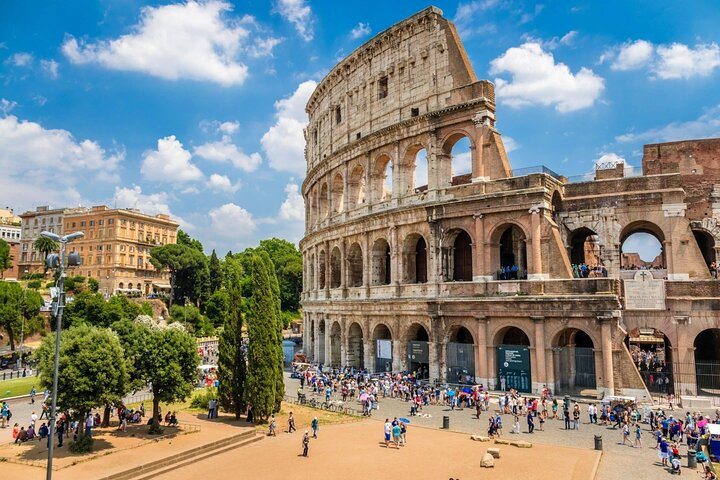
Rome legt bijna drieduizend jaar geschiedenis in één stad die je te voet beleeft, van Colosseum en Forum tot barokke pleinen en Vaticaanse kunst.
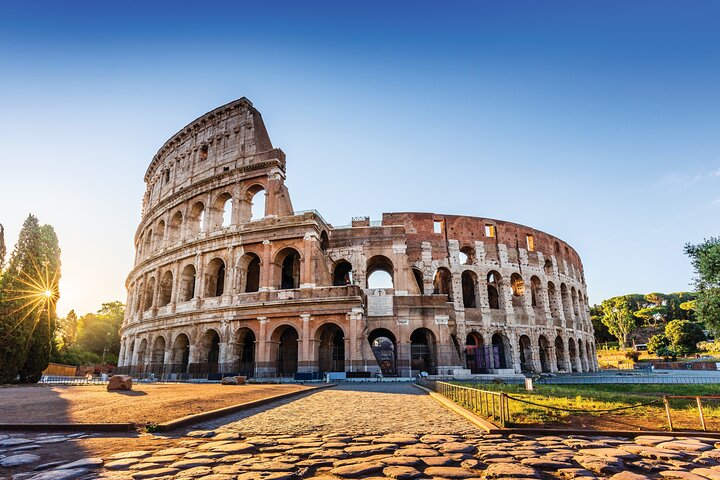
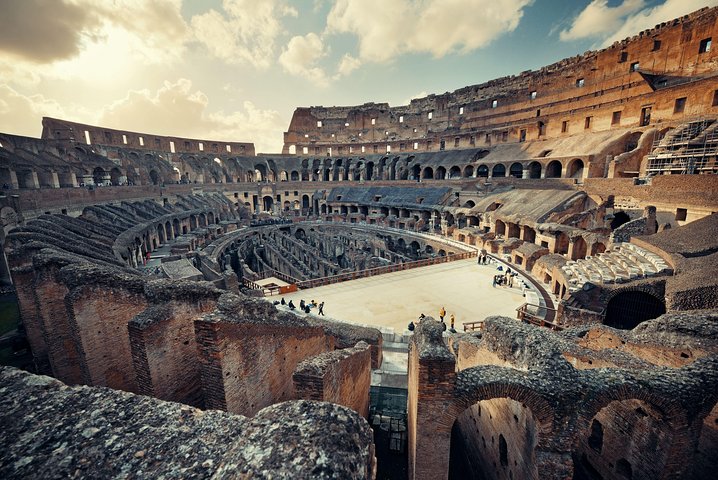
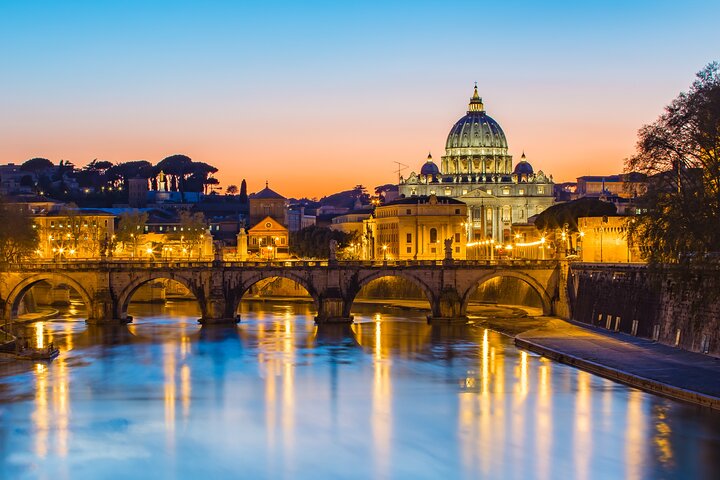
Het oude Rome ligt nog altijd open en bloot. Het Colosseum, het Forum Romanum en de Palatijn staan samen in het hart van de stad, het Pantheon prijkt nog steeds met zijn open oculus en tussen de woonblokken duiken brokstukken van tempels en aquaducten op. Aan de overkant van de Tiber herbergt Vaticaanstad de Sint-Pietersbasiliek, de Vaticaanse Musea en het plafond van Michelangelo's Sixtijnse Kapel.
Top-ranked sights in Rome: Colosseum, Vatican Museums, Sistine Chapel.
Van/voor-prijzen komen van de aanbieder, nooit van ons.
vanafUS$ 45US$ 40
vanafUS$ 172US$ 138
vanafUS$ 86US$ 73
vanafUS$ 30US$ 21
vanafUS$ 45US$ 40
vanafUS$ 34US$ 31
Zet Ticket Hall op uw beginscherm
Tickets en stadsgidsen, met één tik, ook offline.
Ticket Hall