-10%Cancellazione gratuita
Giro turistico panoramico di Bucarest - Tour privato della città
da132 USD118 USD
Categorie a Bucarest
Le descrizioni sono mostrate in inglese.
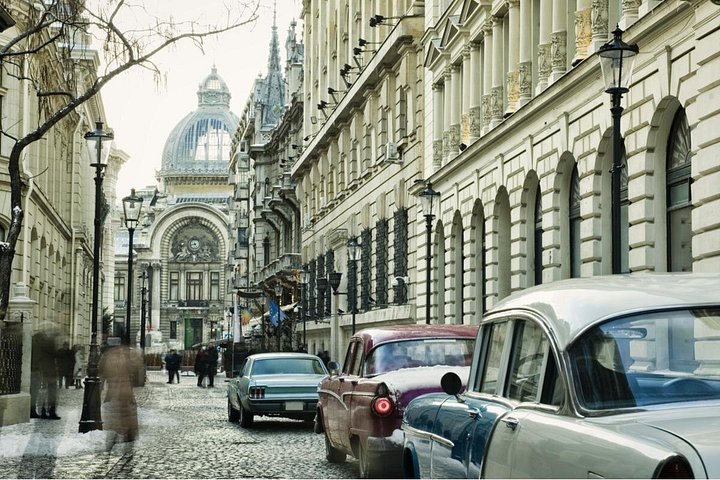
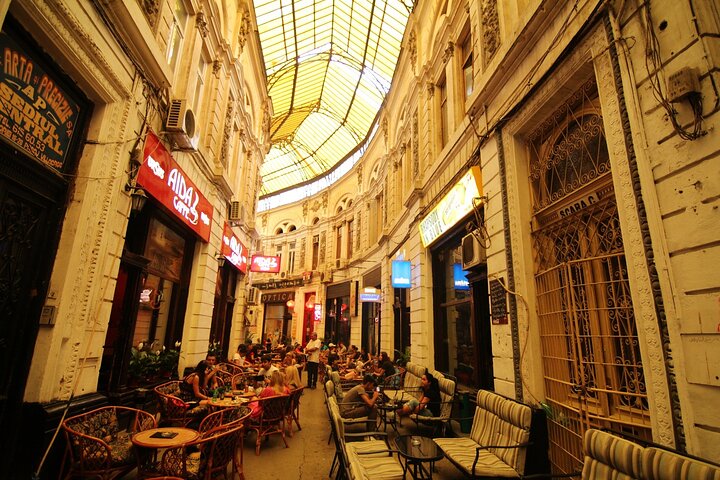
The tour will start at the hotel and following a four-hour itinerary will show the participants the most exciting sights of Bucharest downtown with entrance at the Parliament Palace* (optional – open between 10 am – 3 pm) and The Village Museum (optional – open between 10 am – 4 pm). Besides the two visits, short stops for explanations and photos will be made on the route.
The construction of the House of the Free Press was completed in 1956, is one of the most impressive constructions of that time. It was designed in the soviet style of pure socialist realism, reassembling the main building of the Moscow State University in Russia.
The Arch of Triumph is one of Bucharest’s most important landmarks. The first wooden Triumphal Arch was built hurriedly after Romania gained its independence in 1878 so that the victorious troops could have marched under it. Another temporary arch was built on the same side in 1922, after WWI and it was replaced by the present granite construction in 1936.
Victory Avenue is one of the longest and oldest streets in Bucharest. The road was one of the most important construction works of the area and the source of pride for the people from Bucharest. The surrounding area became the most fashionable part of Bucharest. 35 boyars houses were located along the road itself in 1775.
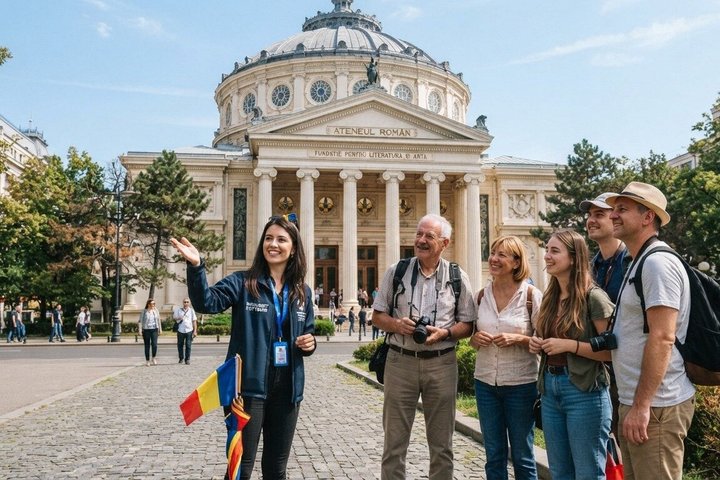
Having the capacity of 1000 seats and remarkable acoustics, The Romanian Atheneum is Bucharest’s main concert hall. Home for George Enescu Philharmonic and George Enescu International Music Festival, the imposing Neo-Classical building with an elegant dome and Ionic style columns, was built between 1886 and 1888, after the plans of the French architect, Albert Galleron at the initiative of the Romanian Philharmonic Society previously established in 1865.
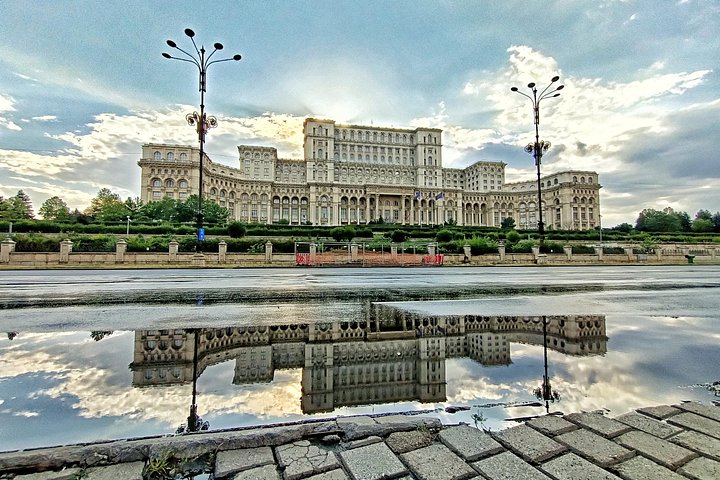
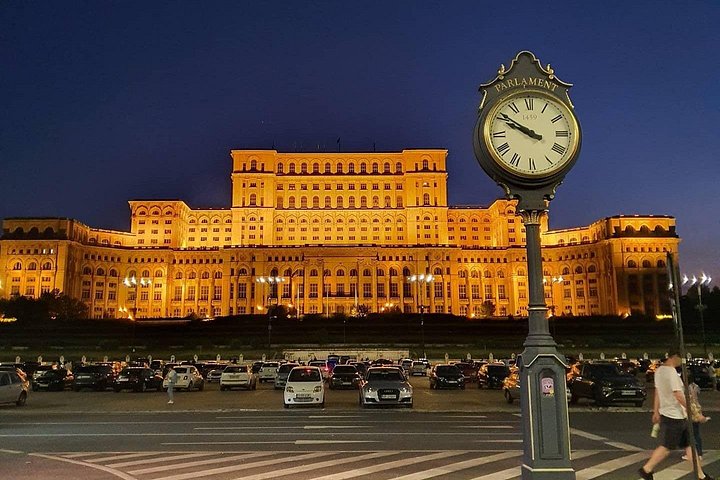
The Palace of Parliament is the second-largest administrative building in the world, after the Pentagon in the USA and the third largest in terms of volume. It hosts both chambers of the Romanian Parliament, the Senate and the Chamber of Deputies. The Palace was designed and almost completed by the Ceausescu regime as the center for political and administrative power in Romania. Nicolae Ceausescu named the building “House of the Republic”, but many Romanians called it “People’s House”.
The Village Museum represents a synthesis of all villages across Romania. The collection is a quite impressive gathering of more than 300 monuments (houses, annexes, churches, technical installations) and countless interior items (furniture, ceramics, textiles, tools, etc.) considered representative for their places of origin.
Cancellazione gratuita fino a 24 ore prima dell’inizio, con rimborso totale.
5,0
I voti arrivano da 1 recensioni raccolte dal nostro partner di prenotazione. Sono parole dei viaggiatori, nell’ordine in cui sono state scritte — mai riordinate per far apparire meglio l’esperienza.
Viali belle époque, chiese ortodosse e monumenti comunisti attorno a un vivace centro storico: Bucarest, capitale della Romania.
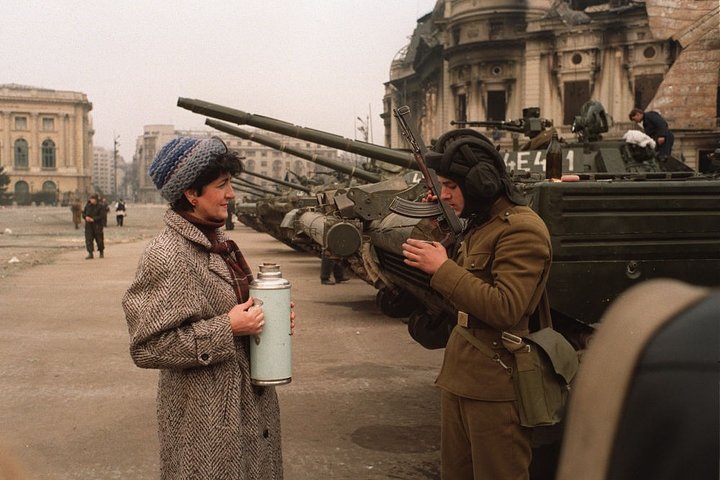
Il vasto Palazzo del Parlamento, tra i più grandi edifici amministrativi del mondo, domina il centro come eredità vistosa dell'era Ceaușescu. Calea Victoriei, il grande viale, passa davanti alla sala da concerti con cupola dell'Ateneo Romeno, all'ex Palazzo Reale che ospita il Museo Nazionale d'Arte e a Piazza della Rivoluzione, dove si svolsero gli eventi del 1989.
Top-ranked sights in Bucarest: Palace of Parliament (Palatul Parlamentului), Revolution Square (Piata Revolutiei), Arcul de Triumf (Arch of Triumph).
I prezzi barrati arrivano dall’operatore, mai da noi.
da132 USD118 USD



Aggiungi Ticket Hall alla schermata Home
Biglietti e guide delle città a portata di dito, anche offline.
Ticket Hall