Private Grand Riga City Tour
Le descrizioni sono mostrate in inglese.
- 4 ore
- Cancellazione gratuita fino a 24 h prima
- 2 lingue
- Conferma immediata
In evidenza
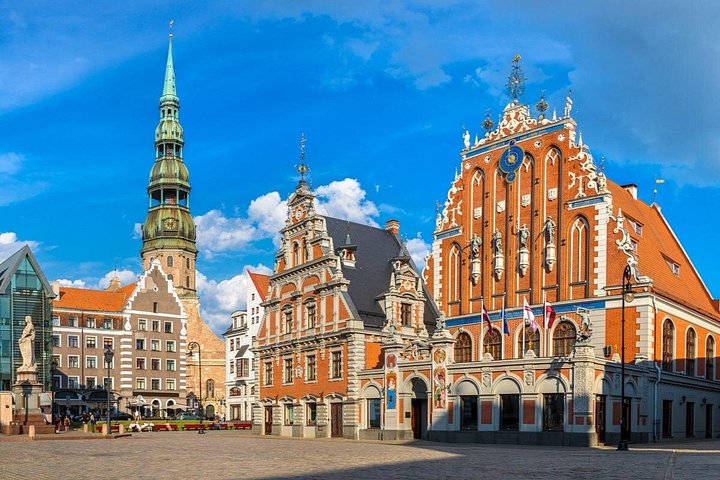
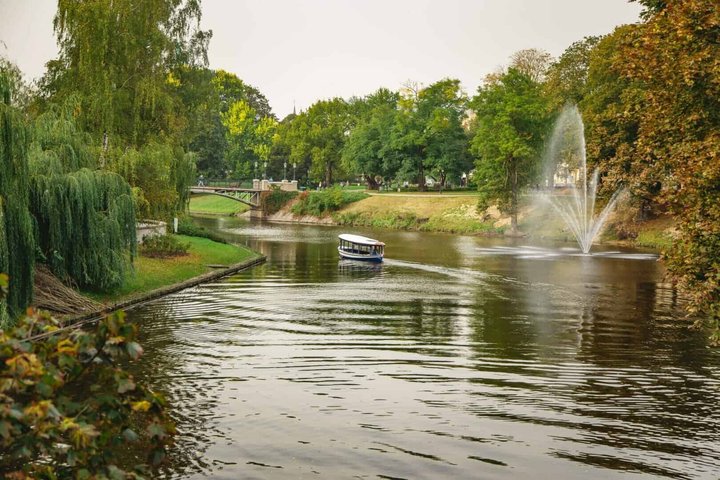
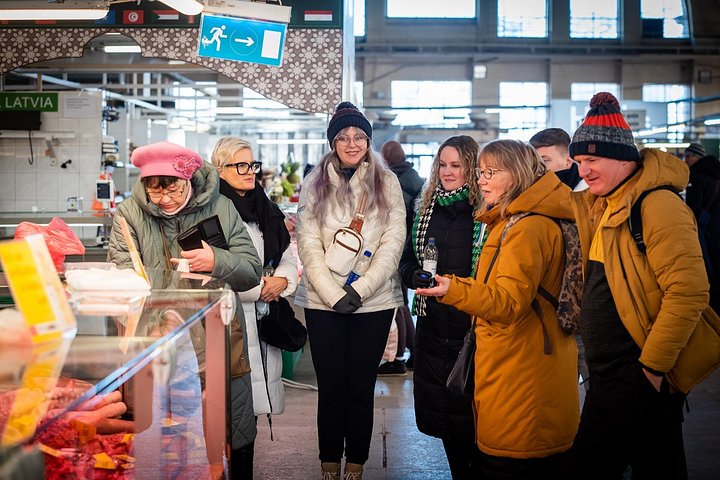
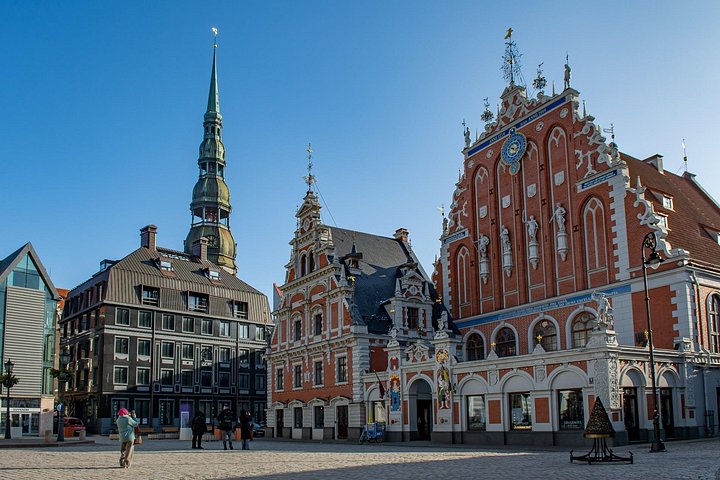
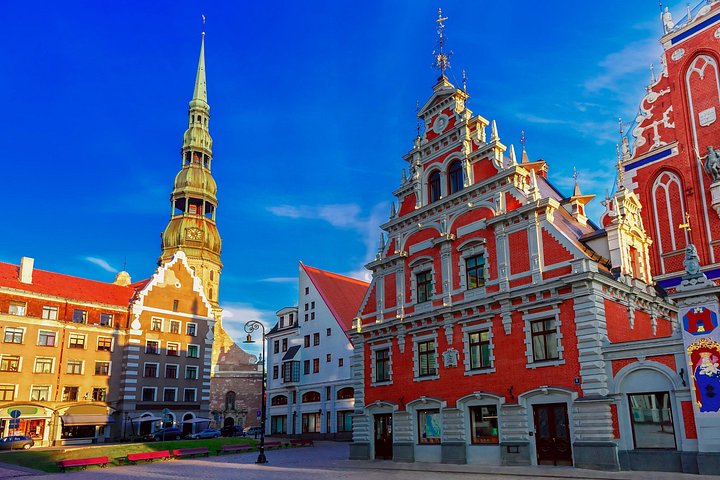
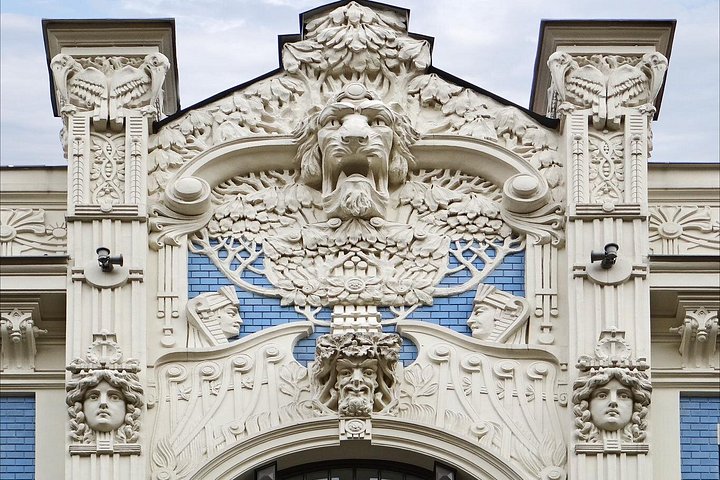
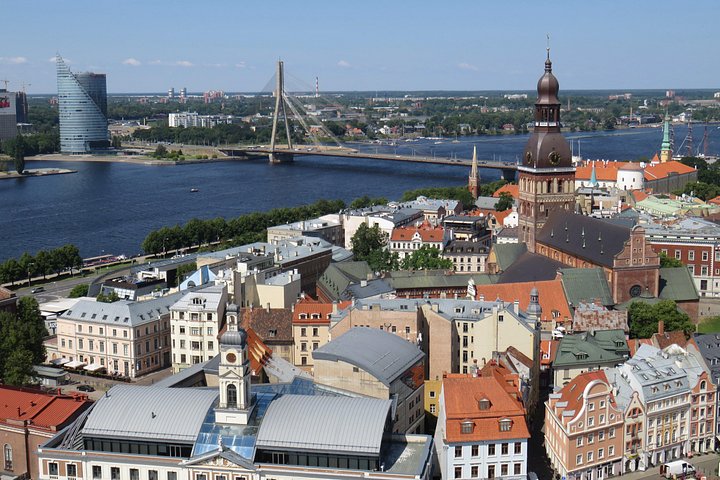
Firstly, after selecting most suitable transport – passenger car or minivan your tour will start along the central boulevards of Riga to Art Nouveau district. You will be able to discover one of the largest and best-preserved collections of Art Nouveau buildings in the world. After that district excursion will continue to the Riga Central market, where on the way you will be able to enjoy City Canal parks, the Fine Arts Museum, the Freedom Monumen and Daugava river with its bridges. Reaching the Riga Central market you will enjoy the diversity of typical national food. Secondly, you will have the opportunity to leave your transport and continue with a walking tour through Riga Old Town seeing most famous sights like St. Peter's Church, St. Jacobs Church, Dom Square, and St. Dom Cathedral. You will be introduced with a secretes of Cat House and will see Town Hall Square with beautiful and elegant Blackheads House.
Incluso
Cosa è incluso
- Hotel pickup and drop-off
- WiFi on board
- All Fees and Taxes
- Bottled water
- English speaking driver/guide
- Transport by air-conditioned car or minivan
Cosa non è incluso
- Foods and drinks
- Gratuities
- Museum entrances
Itinerario
Art Nouveau, the distinct style in art of end-19th century and early-20th, was the "father" of modern architecture. Riga is a well-known Art Nouveau mecca.
Riga Central Market is situated in the heart of Riga, a few hundred meters from Old Town on the banks of the River Daugava, next to Riga International Bus Terminal and Central Railway Station. It is not only one of the largest marketplaces in Eastern Europe in area, but also one of the most visited, as 80,000-100,000 people shop there per day on the average.
The Black Heads house is located in the very heart of Old Riga. Wonderful, surprising, royal.
The Freedom Monument has been Riga's central landmark for almost a century. This 42.7 m tall granite and copper work of art is a symbol of the Latvian nation's striving for freedom and independence. The woman on top of the monument is holding up three golden stars, which represent Latvia's historical regions of Kurzeme, Vidzeme, and Latgale.
Latvian National Museum of Art is the most significant depository in the nation for works of art. Reopened in May 2016, the building itself has been upgraded, modernized but its majestic beauty from a long-gone era - preserved.
Just a bridge span from Old Town, on the left bank of the Daugava, looms an extraordinary, culturally significant edifice, the Castle of Light - the new National Library.
Riga's White House — the Latvian National Opera and Ballet on Aspazijas bulvāris was opened in 1923; an average of six new productions are presented each year, retaining balance between opera and ballet. In total, the opera sees over 200 performances and several symphonic and chamber music concerts a season.
Latvian Academy of Sciences observation deck offers Riga guests and local residents to have a breath-taking view of Riga's Old Town and the Daugava River from the building's 17th-floor balcony at the height of 65 metres.
Riga's St.Peter's Church dominates the cityscape as the tallest spire, and as one of the oldest and most valuable monumental architecture edifices in the Baltic States from the Middle Ages. St.Peter's is the tallest of the Riga churches, a significant landmark, and a prime example of the 13th century Gothic style.
St.John's Church is the oldest house of worship in Riga. Originally the Dominican monastery's chapel was located here in the 13th century. After several reconstructions, around 1500 the edifice acquired its present appearance - high Gothic pediment, span roof and a small tower.
It's hard to believe that the Square once was the site of the Riga River, which was a shipping route for transporting Latvian grain up to the 16th century. Later it was called the Rīdzene River and even Rīdziņa as it gradually became narrower. Today, along the old route of the river, pavement wears away the shoes of countless Rigans and visitors to the city, and beautiful flower-beds remind one of the past times.
Riga Castle has stood on the right bank of the River Daugava for more than 700 years. Through the centuries, it has seen severe destruction, numerous rulers, and wars. Today it houses the residence of the President of Latvia.
Cancellazione
Cancellazione gratuita fino a 24 ore prima dell’inizio, con rimborso totale.
Recensioni
4,9
- 515
- 41
- 30
- 20
- 10
I voti arrivano da 16 recensioni raccolte dal nostro partner di prenotazione. Sono parole dei viaggiatori, nell’ordine in cui sono state scritte — mai riordinate per far apparire meglio l’esperienza.
Da sapere prima di partire
- Prelievo
- Il prelievo è incluso per tutti.
- Tipo di biglietto
- Mobile or paper ticket accepted
- Gestito da
- Latvia Guide Tours
- Service animals allowed
- Specialized infant seats are available
- Suitable for all physical fitness levels
- Please bring your walking shoes
- Coffee stops and detours can be arranged
- This is a private tour/activity. Only your group will participate
How it compares in Riga
- Its from-price is 21% above the median of the 59 tour della città we list in Riga.
- Its length is typical for the group.
- By number of reviews it ranks 9 of 59.
- The operator lists free cancellation on it.
About Riga
Riga, Latvia's capital on the Baltic, is a Hanseatic city of medieval spires and streets of Art Nouveau façades.
Riga was founded in 1201 and grew rich as a Hanseatic trading port on the Daugava River. Its old town, listed by UNESCO, has cobbled lanes around the Dome Cathedral, with a famous organ, and the spire of St Peter's Church, which has a viewing platform. The House of the Blackheads, a gabled merchants' guild hall, and the Three Brothers, among the oldest houses in the city, stand in the heart of the old town.
Top-ranked sights in Riga: Riga Cathedral (Rigas Doms), Riga Town Hall Square (Ratslaukums), St Peter's Church.
Offerte speciali a Riga
I prezzi barrati arrivano dall’operatore, mai da noi.