-5%Cancellazione gratuita
Categorie a Kyoto
Le descrizioni sono mostrate in inglese.
This 6-hour tour including 4hours walking tour following with 75-minute Samurai sword lesson and a 45-minute Samurai Kenbu show is great for travelers who love to experience Japanese traditions and cultures. You can don authentic Samurai attire and wield a katana during Samurai sword lesson! Kenbu is a traditional performance that combines swordplay with dance and poetry. Expert instructors will guide you through the graceful yet powerful movements, allowing you to experience the discipline and artistry of the Samurai spirit. Before your lesson, you will go on a walking tour with our licensed guide. You can customize your itinerary after your reservation is made. Your guide will drop you off at Samurai Kenbu Theater after a 4-hour walking tour. Please choose 2 to 3 sights to see on your walking tour! If your travels bring you to Kyoto, don't miss the opportunity to add this unique experience!
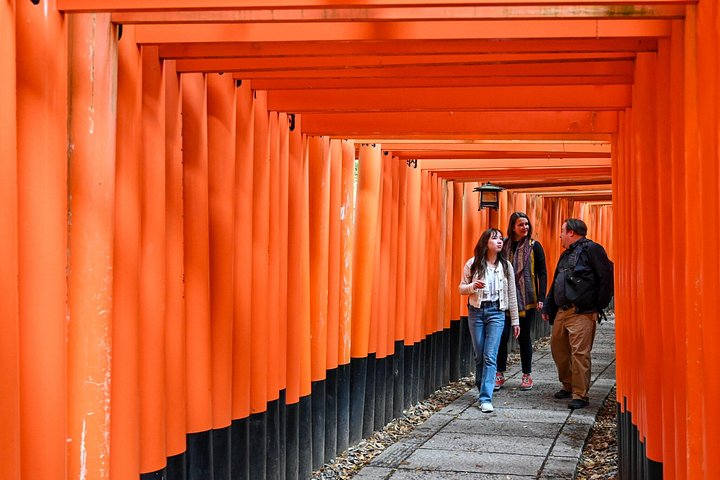
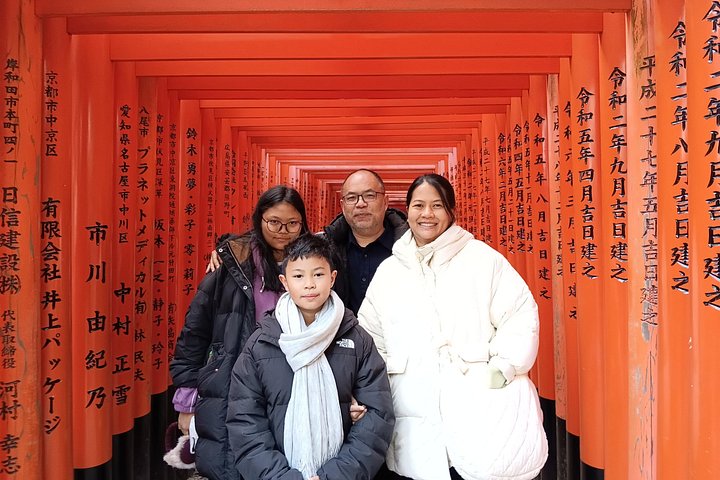
Dedicated to Inari, the deity of a good harvest and success in business, Fushimi Inari Taisha is the head of all of Japan's Inari shrines. The seemingly endless path of vibrant orange torii gates that line the approach to Mt. Inari makes for an impressive setting and is one of the most famous images of Japan.
Nijo Castle, a UNESCO World Heritage site was built in 1603 as the Kyoto residence of Tokugawa Ieyasu, the first shogun of the Edo Period (1603-1867).
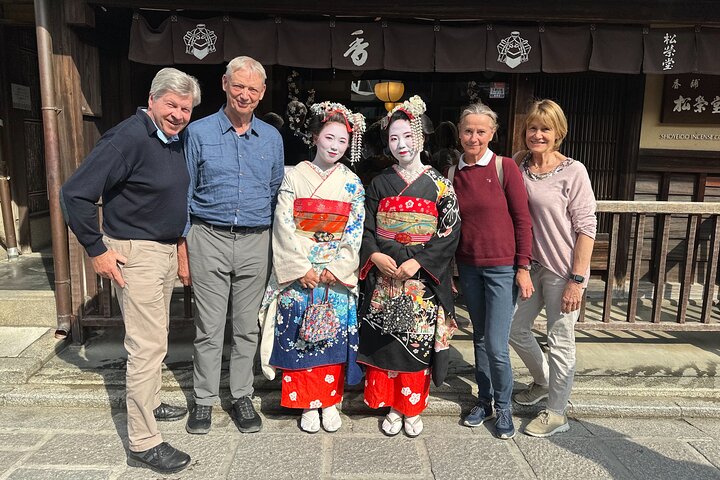
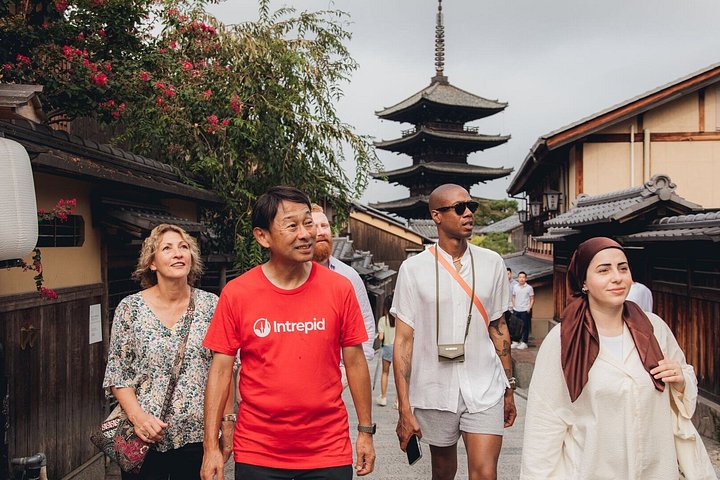
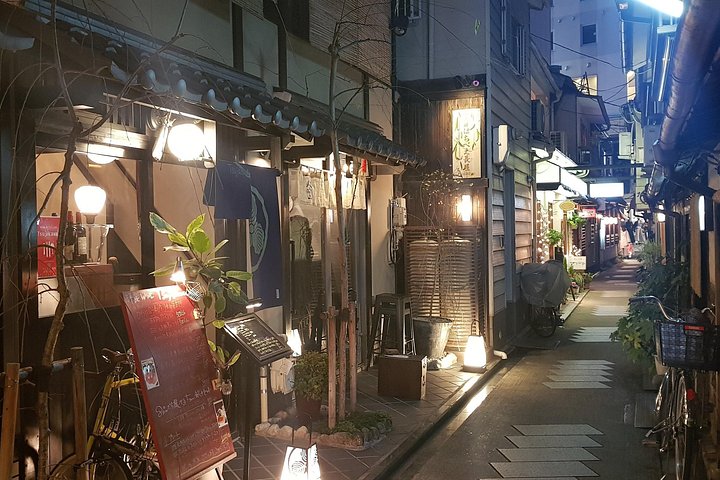
Exploring the narrow alleyways of Kyoto’s Geisha District—Gion can be daunting for a first-time visitor. Eliminate the worry of getting lost by going on a guided tour. It’s a great way to discover hidden places that locals love, and to hear about Kyoto’s ancient past. Highlights include learning about Geisha culture and rituals, and visiting Gion, Pontocho, and Miyagawacho.
Nishiki Market (錦市場, Nishiki Ichiba) is a narrow, five block long shopping street lined by more than one hundred shops and restaurants. Known as "Kyoto's Kitchen", this lively retail market specializes in all things food related, like fresh seafood, produce, knives and cookware, and is a great place to find seasonal foods and Kyoto specialties, such as Japanese sweets, pickles, dried seafood and sushi. Nishiki Market has a pleasant but busy atmosphere that is inviting to those who want to explore the variety of culinary delights that Kyoto is famous for. The stores found throughout the market range in size from small narrow stalls to larger two story shops. Most specialize in a particular type of food, and almost everything sold at the market is locally produced and procured.
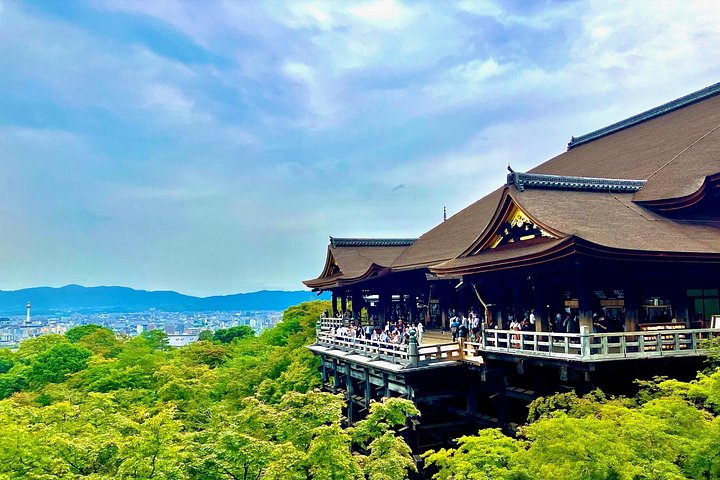
Discover one of Kyoto’s most popular temples—Kiyomizu-dera Temple. Exploring the temple grounds with a guide means you’ll be able to learn about Japan’s history and culture as you explore the magnificent building. Enjoy commentary from your English-speaking guide who will make sure you don't miss any important features.
The Kyoto Imperial Palace (京都御所, Kyōto Gosho) used to be the residence of Japan's Imperial Family until 1868, when the emperor and capital were moved from Kyoto to Tokyo. It is located in the spacious Kyoto Imperial Park (京都御苑, Kyōto Gyoen), an attractive park in the center of the city that also encompasses the Sento Imperial Palace and a few other attractions.
Ginkakuji (銀閣寺, Silver Pavilion) is a Zen temple along Kyoto's eastern mountains (Higashiyama). In 1482, shogun Ashikaga Yoshimasa built his retirement villa on the grounds of today's temple, modeling it after Kinkakuji (Golden Pavilion), his grandfather's retirement villa at the base of Kyoto's northern mountains (Kitayama). The villa was converted into a Zen temple after Yoshimasa's death in 1490. As the retirement villa of an art obsessed shogun, Ginkakuji became a center of contemporary culture, known as the Higashiyama Culture in contrast to the Kitayama Culture of his grandfather's times. Unlike the Kitayama Culture, which remained limited to the aristocratic circles of Kyoto, the Higashiyama Culture had a broad impact on the entire country. The arts developed and refined during the time include the tea ceremony, flower arrangement, noh theater, poetry, garden design and architecture.
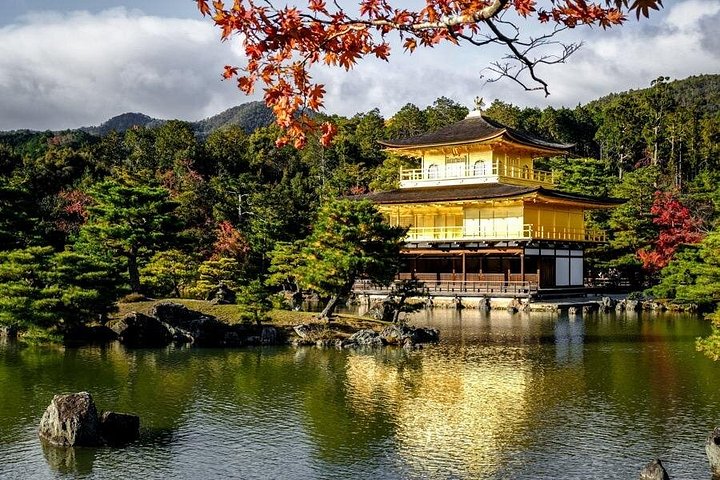
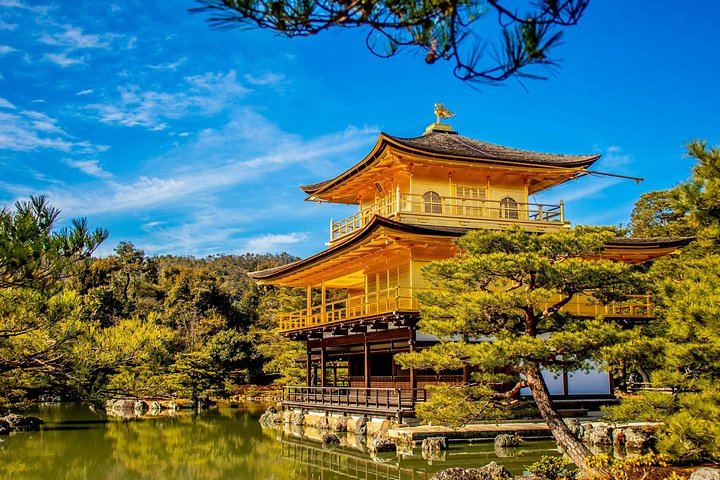
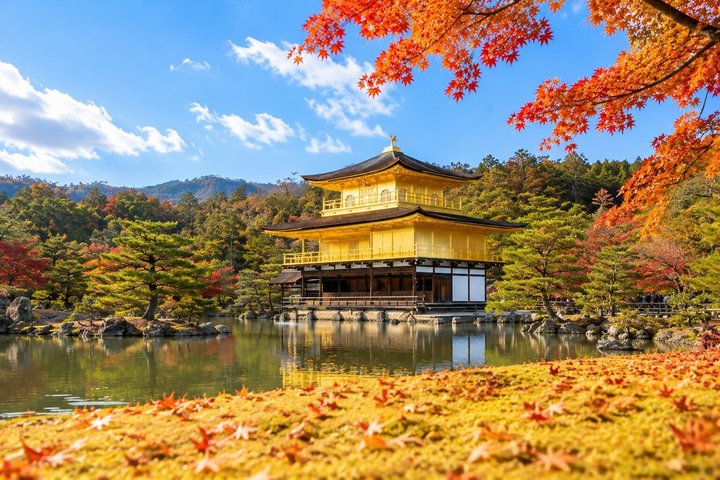
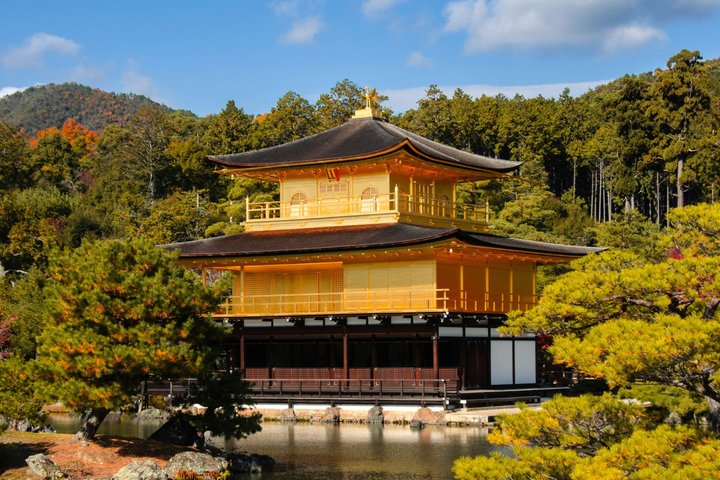
Kinkakuji (金閣寺, Golden Pavilion) is a Zen temple in northern Kyoto whose top two floors are completely covered in gold leaf. Formally known as Rokuonji, the temple was the retirement villa of the shogun Ashikaga Yoshimitsu, and according to his will it became a Zen temple of the Rinzai sect after his death in 1408. Kinkakuji was the inspiration for the similarly named Ginkakuji (Silver Pavilion), built by Yoshimitsu's grandson, Ashikaga Yoshimasa, on the other side of the city a few decades later. Kinkakuji is an impressive structure built overlooking a large pond, and is the only building left of Yoshimitsu's former retirement complex. It has burned down numerous times throughout its history including twice during the Onin War, a civil war that destroyed much of Kyoto; and once again more recently in 1950 when it was set on fire by a fanatic monk. The present structure was rebuilt in 1955.
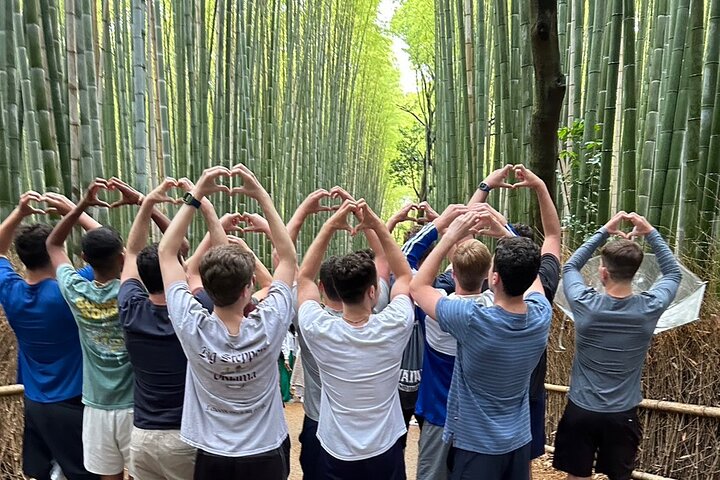
The walking paths that cut through the bamboo groves make for a nice walk or bicycle ride. The groves are particularly attractive when there is a light wind and the tall bamboo stalks sway gently back and forth. The bamboo has been used to manufacture various products, such as baskets, cups, boxes and mats at local workshops for centuries.
After the walking tour, your guide will take you to Samurai Kenbu Theater.
Byodoin Temple(平等院) is known for its Phoenix Hall, which is a National Treasure of Japan and a UNESCO World Heritage Site.Extra travel time is expected as it is located in Uji city in Kyoto prefecture
Cancellazione gratuita fino a 24 ore prima dell’inizio, con rimborso totale.
Kyoto, capitale imperiale del Giappone per oltre mille anni, è una città di templi, giardini, case di legno e tradizioni raffinate.
La città custodisce molti dei luoghi più preziosi del Giappone. Le migliaia di portali torii vermigli del Fushimi Inari Taisha salgono su una montagna boscosa, il Padiglione d'Oro del Kinkaku-ji scintilla sul suo stagno e il palco di legno del Kiyomizu-dera sporge dal pendio sopra la città. Il giardino di roccia del Ryoan-ji e i terreni muschiosi del Ginkaku-ji invitano alla contemplazione silenziosa.
Top-ranked sights in Kyoto: Fushimi Inari Shrine (Fushimi Inari Taisha), Kinkaku-ji (Golden Pavilion), Kiyomizu-dera Temple.
I prezzi barrati arrivano dall’operatore, mai da noi.
da119 USD
Aggiungi Ticket Hall alla schermata Home
Biglietti e guide delle città a portata di dito, anche offline.
Ticket Hall