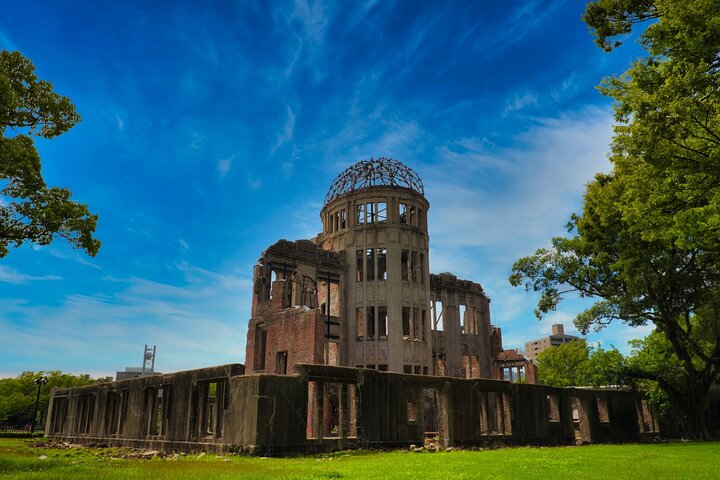
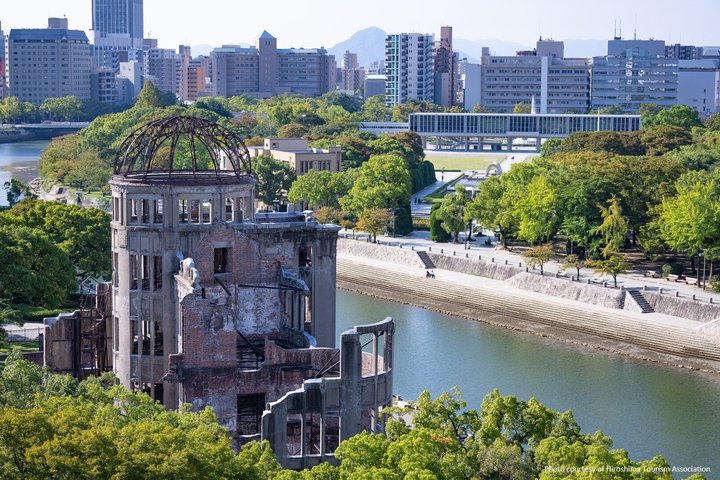
Hiroshima Peace Memorial Park Historical Walking tour
Le descrizioni sono mostrate in inglese.
- 2 ore
- Cancellazione gratuita fino a 24 h prima
- Guida in inglese
- Conferma immediata
In evidenza
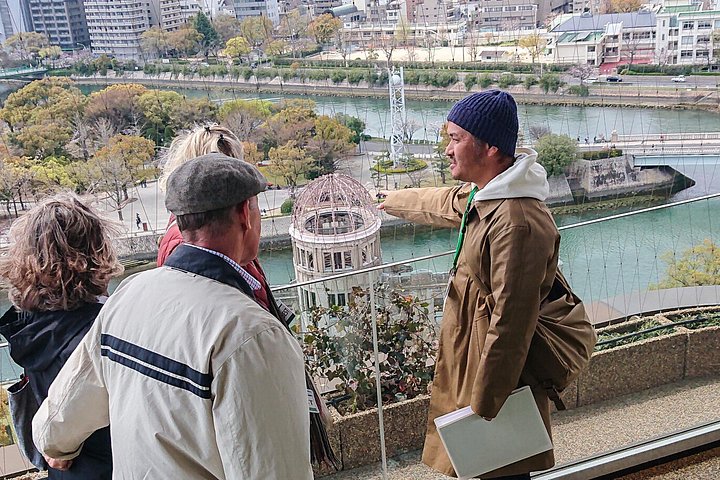
Join a thoughtfully designed small group walking tour through Hiroshima Peace Memorial Park and gain deeper insight into one of the most significant events in history. Led by local guides from diverse educational and cultural backgrounds, this experience combines historical perspective, meaningful storytelling, and personal exchange in an approachable small group setting. With opportunities to engage in discussion throughout the tour, you will explore Hiroshima’s history beyond dates and monuments, connecting with the human stories and lasting legacy behind them. Discover what Hiroshima was like before the atomic bombing, why it was selected as a target during the final stages of World War II, and how the city transformed from devastation into an international symbol of peace. Throughout the experience, your guide will connect historical events with survivor testimonies, local perspectives, and the lasting impact the bombing continues to have on Hiroshima and its people today.
Incluso
Cosa è incluso
- Guided Tour
Itinerario
The Gates of Peace were installed in 2005 to commemorate the 60th anniversary of the atomic bombing of Hiroshima. They were created by French artist Clara Halter and architect Jean-Michel Wilmotte as part of the international “Wall for Peace Project,” which aims to erect monuments inscribed with the word “peace” in cities around the world. The Hiroshima installation is a central element of this project, embodying a message of reconciliation and hope for humanity.
The “Mother and Baby in the Storm” statue is a tribute to all mothers who protected their children during and after the atomic bombing, and to the countless families torn apart by the tragedy. It stands as a silent message of peace and a vow to eliminate nuclear weapons, embodying the determination and hope of Hiroshima’s citizens.
The Prayer for Peace Fountain was constructed in November 1964 and donated to Hiroshima City by Hiroshima Bank. The fountain was built in dedication to the souls of atomic bombing victims who died crying, “Water, please, water,” and as a wish to console their spirits.
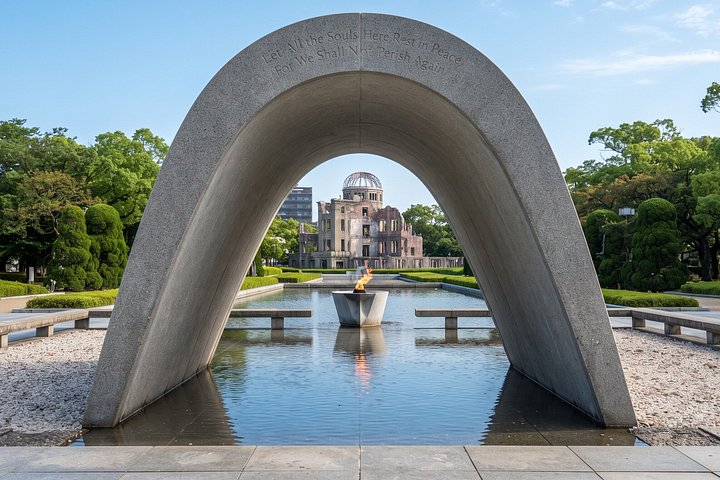
The Cenotaph is an arched monument sheltering the names of all known victims, inscribed with “Let all the souls here rest in peace, for we shall not repeat the evil.”
Explanation of the design and monuments in the Park.
The eternal flame will remain lit until all nuclear weapons are abolished, symbolizing hope for a peaceful future.
A tranquil space for reflection, dedicated to those who lost their lives, with thousands of memoirs and testimonies preserved.
The basement of this building sheltered a sole survivor during the bombing, symbolizing resilience and the randomness of survival.
Inspired by Sadako Sasaki, who folded paper cranes while battling leukemia from radiation exposure. The monument is adorned with cranes sent from around the world.
Visitors ring the bell as a gesture of hope and a call for global peace.
Chimes daily at 8:15 AM, the time of the bombing, reminding all of the importance of peace and remembrance.
The T-shaped bridge was the intended target of the atomic bomb, marking a significant point in Hiroshima’s history.
Cancellazione
Cancellazione gratuita fino a 24 ore prima dell’inizio, con rimborso totale.
Recensioni
5,0
- 523
- 40
- 30
- 20
- 10
I voti arrivano da 23 recensioni raccolte dal nostro partner di prenotazione. Sono parole dei viaggiatori, nell’ordine in cui sono state scritte — mai riordinate per far apparire meglio l’esperienza.
Da sapere prima di partire
- Punto d’incontro
- The Guide will meet you at the "Gates of Peace" in front of the Italian restaurant "Mario"
- Prelievo
- Tutti si ritrovano al punto di partenza; non c’è prelievo.
- Tipo di biglietto
- Mobile or paper ticket accepted
- Dimensione del gruppo
- Fino a 15 viaggiatori
- Gestito da
- M2N
- Wheelchair accessible
- Infants and small children can ride in a pram or stroller
- Public transportation options are available nearby
- Transportation options are wheelchair accessible
- All areas and surfaces are wheelchair accessible
- Suitable for all physical fitness levels
How it compares in Hiroshima
- Its from-price is 75% below the median of the 324 experiences we list in Hiroshima.
- It is shorter than most of them.
- By number of reviews it ranks 59 of 324.
- The operator lists free cancellation on it.
About Hiroshima
Hiroshima, on Japan's Seto Inland Sea, is a rebuilt river city whose Peace Memorial Park and museum recall the atomic bombing of 1945.
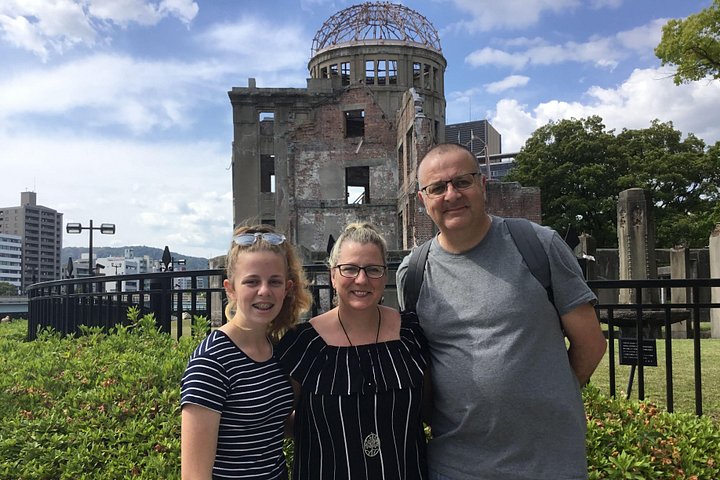
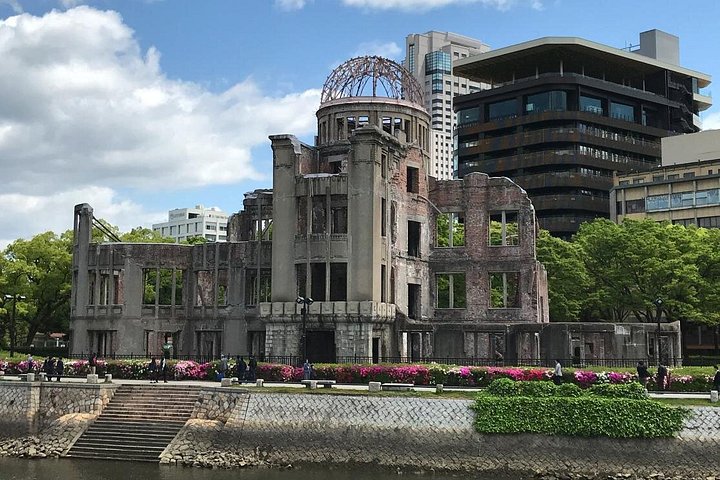
Hiroshima spreads across the delta of the Ōta River, whose channels, bridges and trams give the city an open feel. The atomic bomb of 6 August 1945 destroyed most of it. The Peace Memorial Park beside the river holds the Atomic Bomb Dome, a ruined building left standing and listed by UNESCO, the Peace Memorial Museum and the Children's Peace Monument.
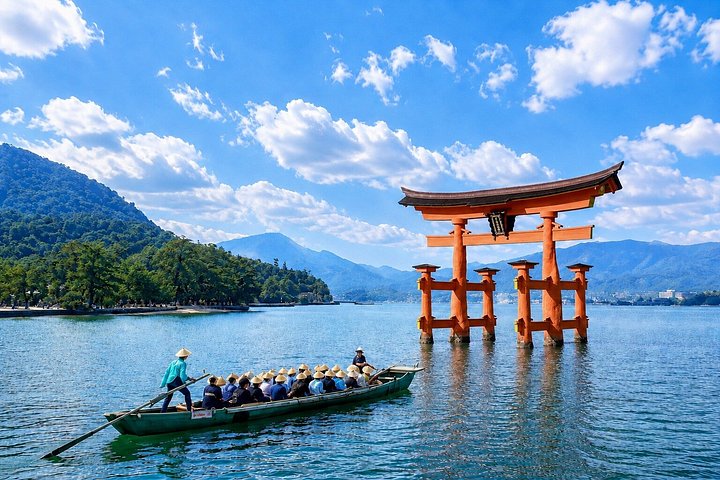
Top-ranked sights in Hiroshima: Hiroshima Peace Memorial Museum, Hiroshima Peace Memorial Park, Miyajima Island (Itsukushima).
Offerte speciali a Hiroshima
I prezzi barrati arrivano dall’operatore, mai da noi.
 -8%Cancellazione gratuita
Hiroshima & Miyajima: 2 UNESCO Sites 1-Day Small Group Tour
da
110 USD101 USD![Best Hidden Gems of Hiroshima with Guide and Air Conditioned Car]() -5%Cancellazione gratuita
Best Hidden Gems of Hiroshima with Guide and Air Conditioned Car
da
253 USD240 USD![1DAY Hiroshima Miyajima & Bomb Dome Private Tour (No Private Car)]() -8%Cancellazione gratuita
![Hiroshima Cruise Pickup Miyajima and Peace Park Tour with Car]() -20%Cancellazione gratuita
Hiroshima Cruise Pickup Miyajima and Peace Park Tour with Car
da
290 USD232 USD