Cycling Glenveagh National Park. Donegal. Self guided. 3 hours.
Le descrizioni sono mostrate in inglese.
- 3 ore
- Cancellazione gratuita fino a 24 h prima
- Guida in inglese
- Conferma immediata
In evidenza
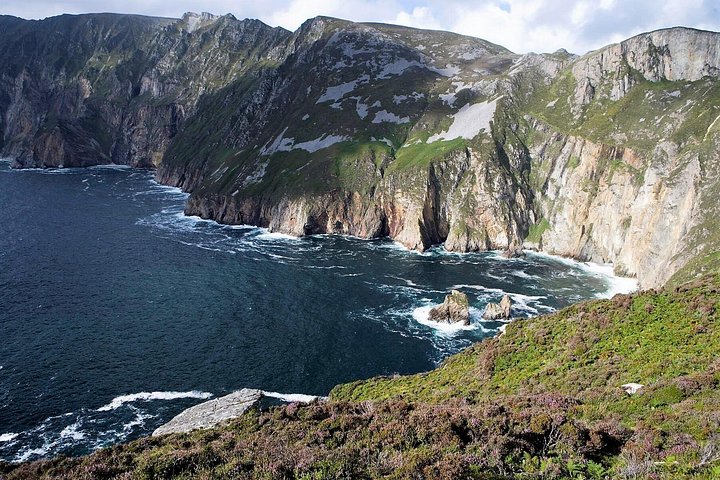
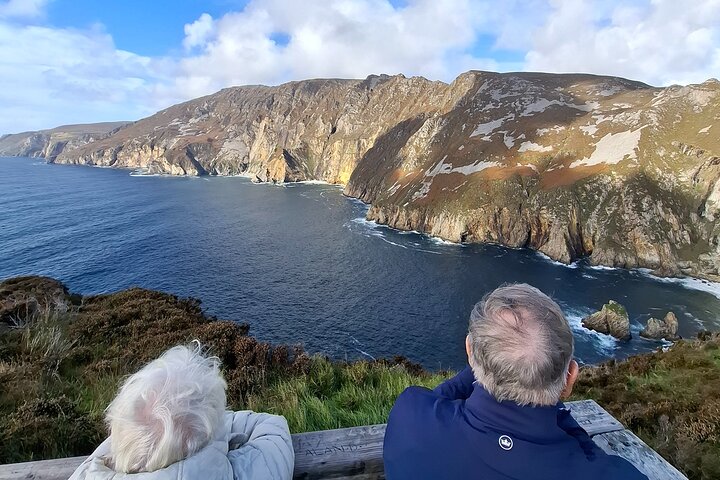
Easy to find collection and drop off point. Situated in the beautiful grounds of Donegal’s Glenveagh National Park. Stunning mountain scenery. As a special area of conservation it contains unique flora and fauna. A rare opportunity to see Ireland’s re-introduced Golden eagles.
Incluso
Cosa è incluso
- Suggested routes with a list of attractions and things to do along each route.
- Breakdown support.
- Helmets and High Viz jackets.
Cosa non è incluso
- Gratuities
- No food or drink.
Cancellazione
Cancellazione gratuita fino a 24 ore prima dell’inizio, con rimborso totale.
Da sapere prima di partire
- Punto d’incontro
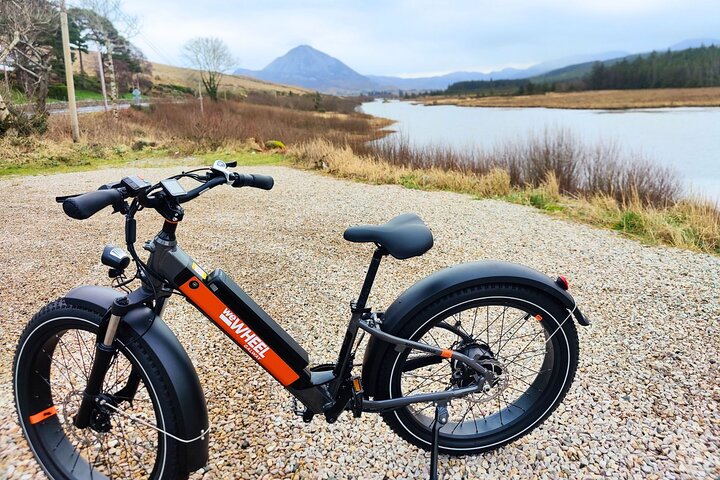
- Bicycles are available in the Visitors car park of Glenveagh National Park.
- Prelievo
- Tutti si ritrovano al punto di partenza; non c’è prelievo.
- Tipo di biglietto
- Mobile or paper ticket accepted
- Gestito da
- Ireland Wild Escapes
- Wheelchair accessible
- Infants and small children can ride in a pram or stroller
- Service animals allowed
- Not recommended for travelers with spinal injuries
- Not recommended for pregnant travelers
- Not recommended for travelers with poor cardiovascular health
- Travelers should have at least a moderate level of physical fitness
How it compares in Donegal
- Its from-price is 93% below the median of the 48 experiences we list in Donegal.
- Its length is typical for the group.
- The operator lists free cancellation on it.
About Donegal
Donegal is a harbour town at the head of Donegal Bay in north-west Ireland, with a fifteenth-century castle and wild Atlantic coast around it.
Donegal town stands where the River Eske meets Donegal Bay, in the far north-west of Ireland. The Diamond, a triangular market square with an obelisk, is the centre, and Donegal Castle, a fifteenth-century O'Donnell stronghold with a seventeenth-century wing, stands beside the river. Nearby, the ruins of a Franciscan friary recall the Four Masters, who compiled Irish annals in the 1630s.